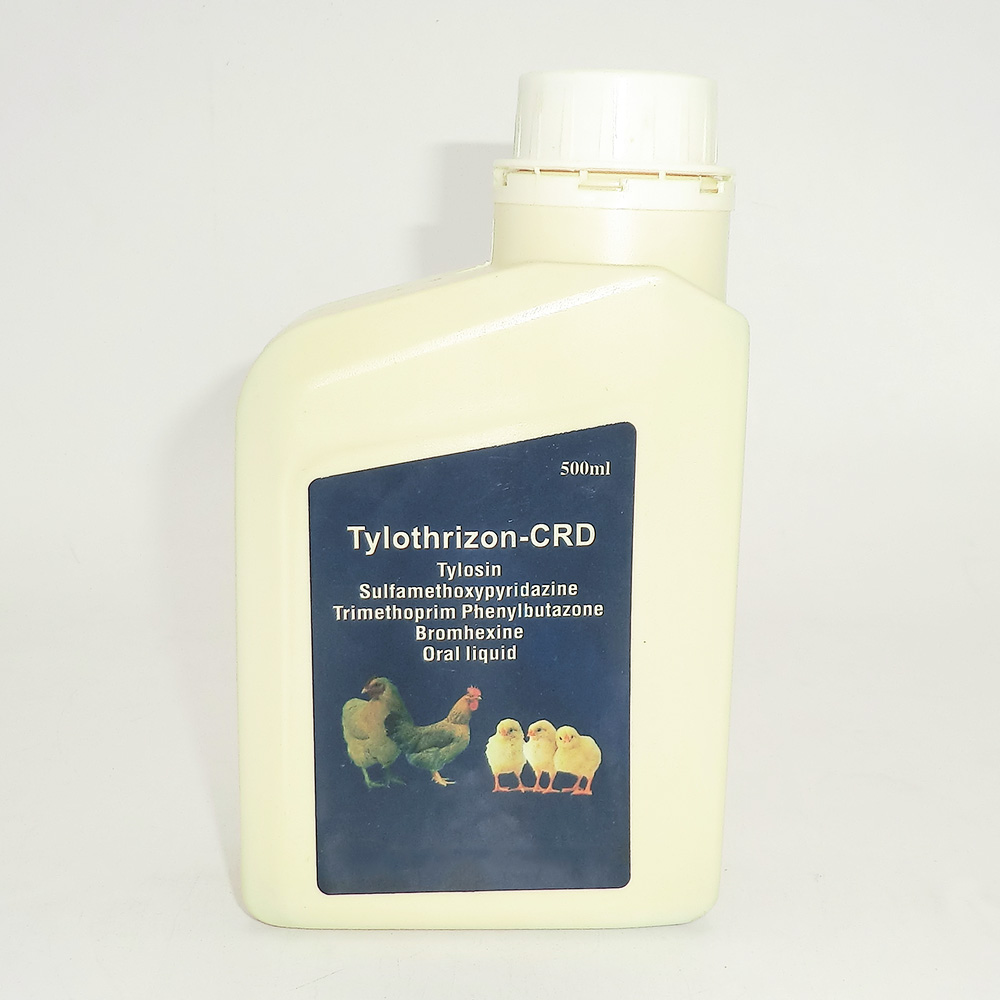
Veterinary Carprofen Tablets and Poultry Premix Price Guide
Managing musculoskeletal pain and inflammation in canines requires precise pharmacological intervention to ensure a rapid return to mobility and quality of life. Carprofen, a non-steroidal anti-inflammatory drug (NSAID), serves as a critical tool for veterinary surgeons and pet owners dealing with degenerative joint disease and post-operative recovery. By inhibiting prostaglandin synthesis, this active compound effectively targets the sources of pain and swelling in dogs.
For procurement professionals and veterinary clinics, understanding the technical application and dosage of Carprofen 50 mg tablets is essential for maintaining clinical standards. Whether utilized as a primary treatment for arthritis or as a follow-up to parenteral analgesia, the efficacy of the medication depends on strict adherence to weight-based dosing and professional veterinary oversight. This guide examines the clinical indications and administrative protocols necessary for optimal patient outcomes.

Clinical Indications for Carprofen in Canine Musculoskeletal Disorders
Carprofen is specifically formulated for the reduction of inflammation and pain caused by musculoskeletal disorders. It is widely recognized for its effectiveness in managing degenerative joint disease, a chronic condition that often affects aging dogs, leading to stiffness and reduced mobility. By addressing the inflammatory response within the joints, Carprofen allows for improved functional movement and a reduction in the physical distress associated with osteoarthritis.
Beyond chronic conditions, this medication is indispensable in the management of post-operative pain. In many surgical scenarios, parenteral analgesia is administered during the procedure; however, transitioning to oral tablets ensures a continuous analgesic cover. This seamless transition prevents "pain gaps" that could otherwise hinder the healing process or cause patient stress during the critical recovery window. The primary goal is to maintain a steady state of inflammation control to facilitate faster tissue repair.
- Degenerative Joint Disease: Long-term management of joint inflammation.
- Post-Surgical Recovery: Maintenance of analgesia following injectable medications.
- Musculoskeletal Trauma: Reduction of acute swelling and pain.

Precision Dosing Protocols and Administrative Guidelines
The administration of Carprofen requires a strict weight-based calculation to ensure safety and efficacy. The recommended initial dose ranges from 2 to 4 mg per kg of body weight per day. This can be delivered as a single daily dose or divided into two equal administrations, depending on the patient's clinical response and the veterinarian's preference. Precision in dosing is paramount to avoid adverse effects while ensuring the inflammatory markers are sufficiently suppressed.
After an initial 7-day period, the dosage may be adjusted. If the clinical response is favorable, the dose can be reduced to 2 mg/kg per day, administered as a single dose. For patients transitioning from parenteral therapy post-surgery, tablets may be administered at 4 mg/kg/day for up to 5 days to extend the analgesic effect. It is mandatory that a veterinary surgeon re-appraise the dog's condition after 14 days of therapy to determine if the treatment should continue or be modified.
Proper handling of the medication is also critical. Any halved tablets must be returned to the opened blister pack and utilized within 24 hours to maintain potency. Furthermore, storage conditions must be strictly monitored; the product should not be stored above 25°C and must remain in its outer carton to protect the active ingredients from light and moisture degradation.
Pharmaceutical Quality and Supply Chain Integration
The production of veterinary medicinal products like Carprofen demands a high level of manufacturing consistency. RC GROUP leverages its integrated research and development capabilities, collaborating with academic institutions such as the China Agricultural University to ensure that pharmaceutical formulations meet rigorous clinical standards. This synergy between academic research and industrial production ensures that each 50 mg tablet delivers a precise amount of the active ingredient.
From a supply chain perspective, the ability to offer OEM and ODM services allows veterinary distributors to tailor packaging and branding to specific market needs without compromising the chemical integrity of the drug. With a shelf life of 3 years, these products are designed for global distribution, supporting clinics in diverse regions including the USA, UK, and Australia. The assurance of quantity and rapid order fulfillment is made possible by having an in-house factory, reducing the risks associated with third-party manufacturing delays.
Quality control is not limited to the production line but extends to the clinical validation of the products. By utilizing clinical comparison experiments, the efficacy of these veterinary medicines is certified by actual farmers and veterinarians, ensuring that the transition from laboratory formulation to field application is seamless and effective.
Technical Specification and Dosage Reference Table
| Parameter | Initial Protocol | Maintenance Phase | Storage Requirement |
|---|---|---|---|
| Dosage Rate | 2 - 4 mg/kg per day | 2 mg/kg per day | Below 25°C |
| Administration | Single or divided dose | Single dose | Protect from light |
| Post-Op Rate | 4 mg/kg/day (up to 5 days) | Subject to response | Outer carton required |
| Evaluation Period | Daily clinical monitoring | Re-appraisal at 14 days | Moisture protection |
| Shelf Life | 3 Years | 3 Years | Blister pack sealed |
Buyer Considerations for Veterinary NSAID Procurement
When procuring Carprofen for large-scale distribution or clinic use, buyers must prioritize biological stability and regulatory compliance. The integrity of the blister packaging is a primary factor, as it prevents the oxidation of the active compound. Procurement managers should verify that the supplier can maintain a consistent production volume to avoid stock-outs, which can disrupt the long-term treatment plans for chronic joint disease patients.
Additionally, the capacity for OEM/ODM customization is a significant advantage for brands looking to establish their own veterinary line. The ability to specify packaging requirements while relying on a manufacturer with established research ties to veterinary universities reduces the risk of formulation failure. Buyers should evaluate the supplier's export experience to ensure that shipping and customs documentation for pharmaceutical products are handled efficiently for their specific region.
Future Trends in Canine Pain Management and Treatment
The veterinary pharmaceutical landscape is shifting toward more integrated approaches to pain management. While NSAIDs like Carprofen remain the gold standard for inflammation, there is an increasing trend toward combining traditional pharmaceuticals with herbal medicine to reduce the long-term systemic load on the animal's liver and kidneys. This holistic approach aims to maintain the anti-inflammatory benefit while enhancing the animal's overall resilience.
Furthermore, the demand for high-precision dosing is leading to a greater variety of tablet strengths and delivery methods. The industry is moving toward evidence-based procurement, where clinical trial data and farmer certifications carry more weight than simple pricing. As veterinary standards evolve, the focus will remain on optimizing the balance between potent analgesia and the long-term safety of the canine patient.
Frequently Asked Questions Regarding Carprofen Tablets
What are the primary indications for using Carprofen 50 mg tablets in dogs?
Carprofen is primarily indicated for the reduction of inflammation and pain associated with musculoskeletal disorders, degenerative joint disease (osteoarthritis), and for the management of post-operative pain following surgery.
How should the dosage be determined for a specific dog?
Dosage is based on body weight. An initial dose of 2 to 4 mg per kg of body weight per day is recommended, which can be given as a single dose or divided into two equal doses.
Can the dosage be reduced over time?
Yes, subject to the clinical response of the animal, the dose may be reduced to 2 mg/kg per day after the first 7 days of treatment.
What is the required storage condition for these tablets?
Tablets must be stored below 25°C and kept in the original outer carton to protect the medication from light and moisture.
How long is the shelf life of Carprofen veterinary tablets?
The veterinary medicinal product as packaged for sale has a shelf life of 3 years.
What should be done with a tablet that has been halved?
Any halved tablet should be returned to the opened blister pack and must be used within 24 hours to ensure stability.
Technical References and Industry Standards
- FDA Veterinary Medicine Guidelines
- American Veterinary Medical Association - Pain Management
- PubMed - NSAID Efficacy in Canine Osteoarthritis
- World Small Animal Veterinary Association Standards
For professional veterinary procurement, OEM customization, or technical inquiries regarding pharmaceutical formulations, please contact our technical team for detailed specifications and compliance documentation.
Related Veterinary Pharmaceutical Insights