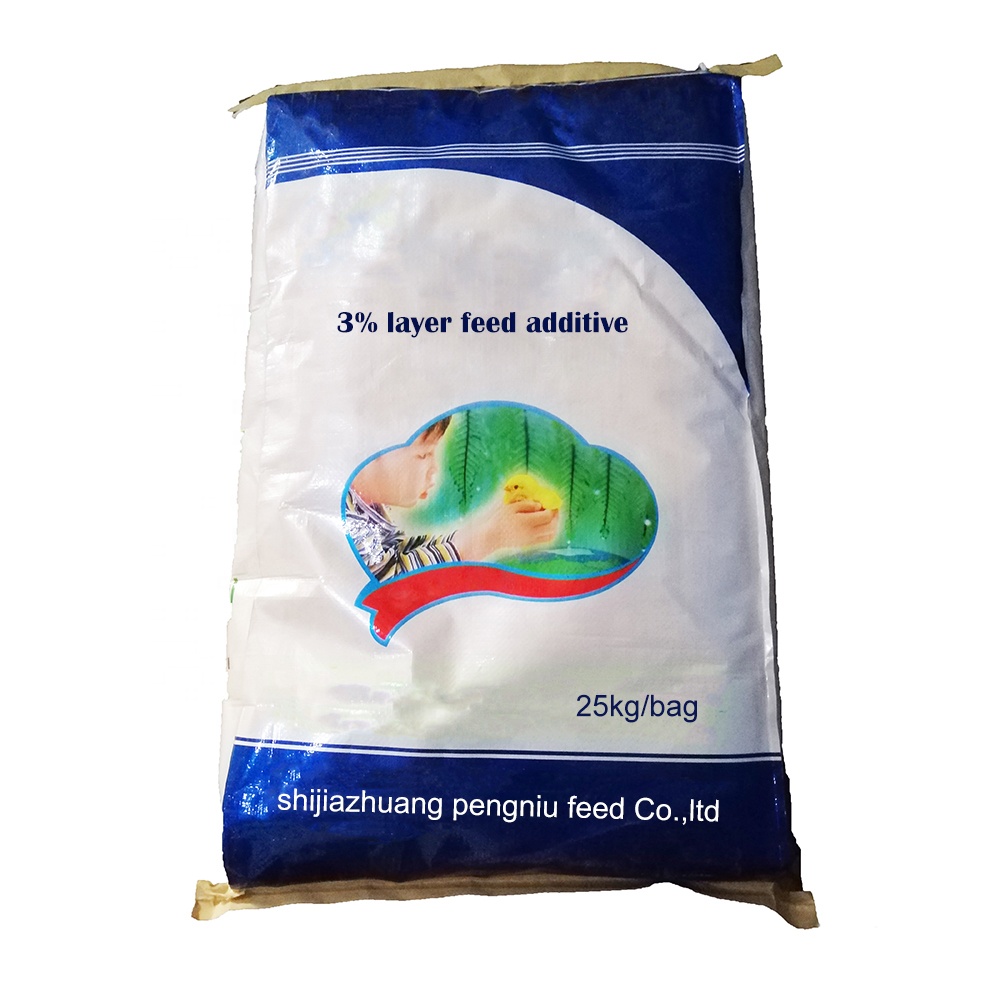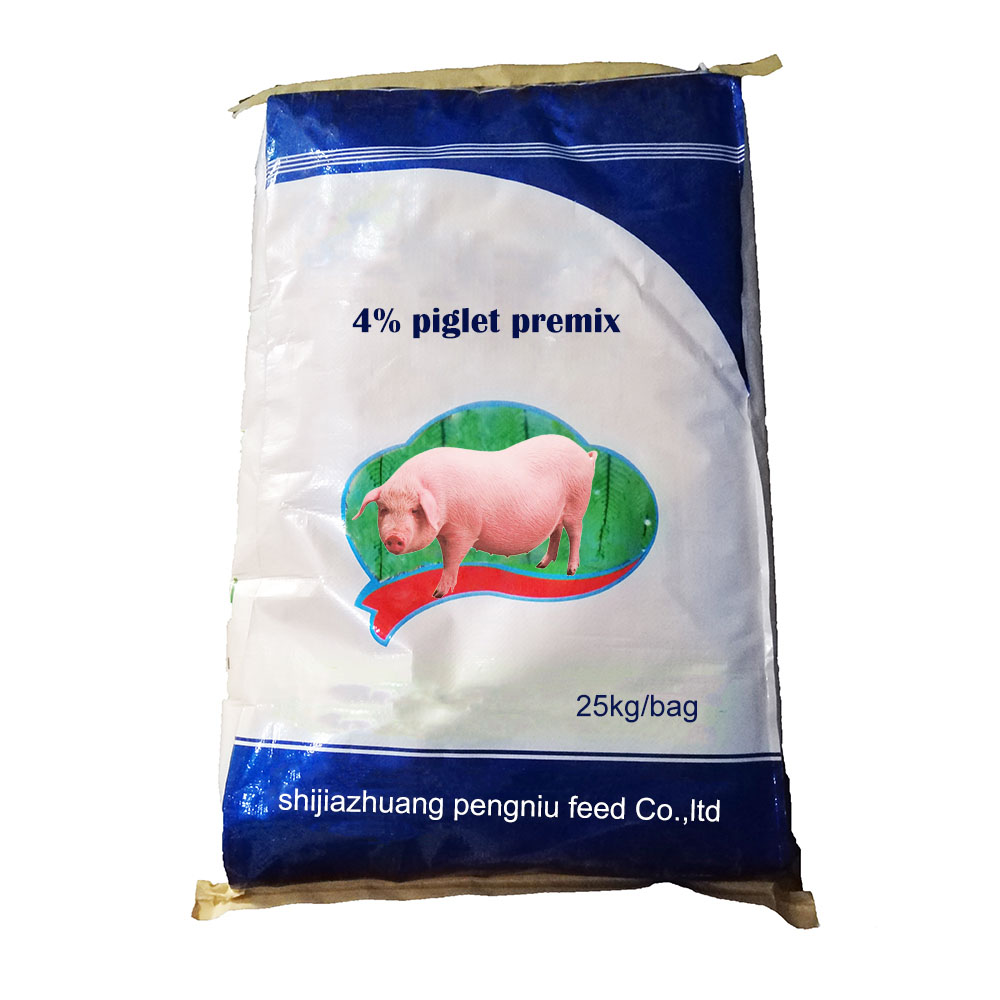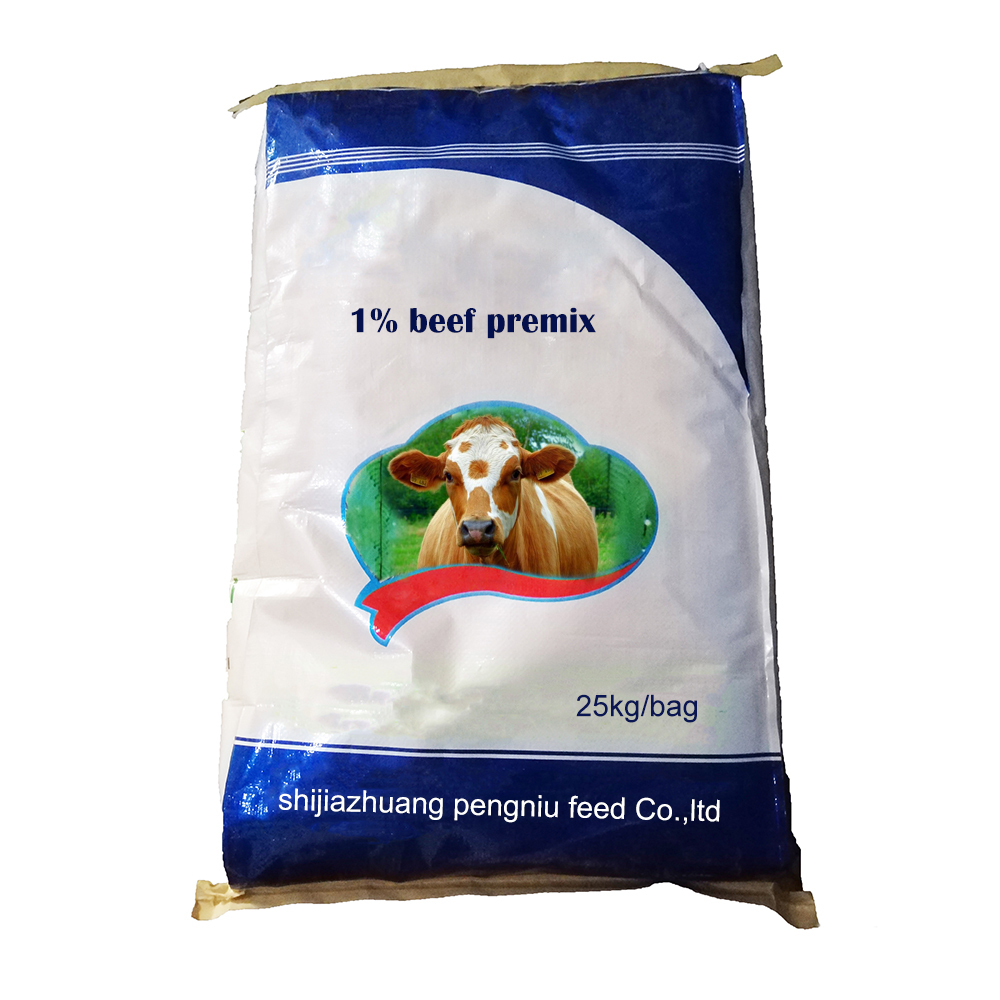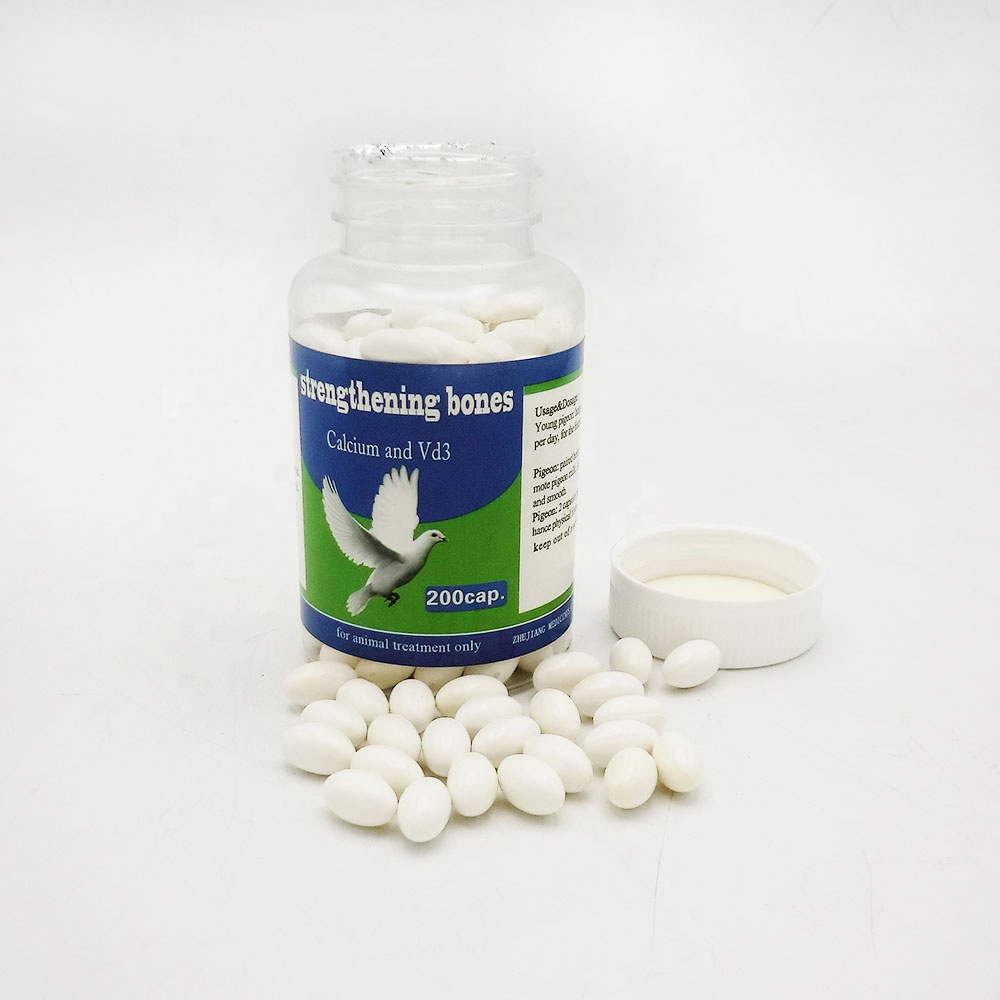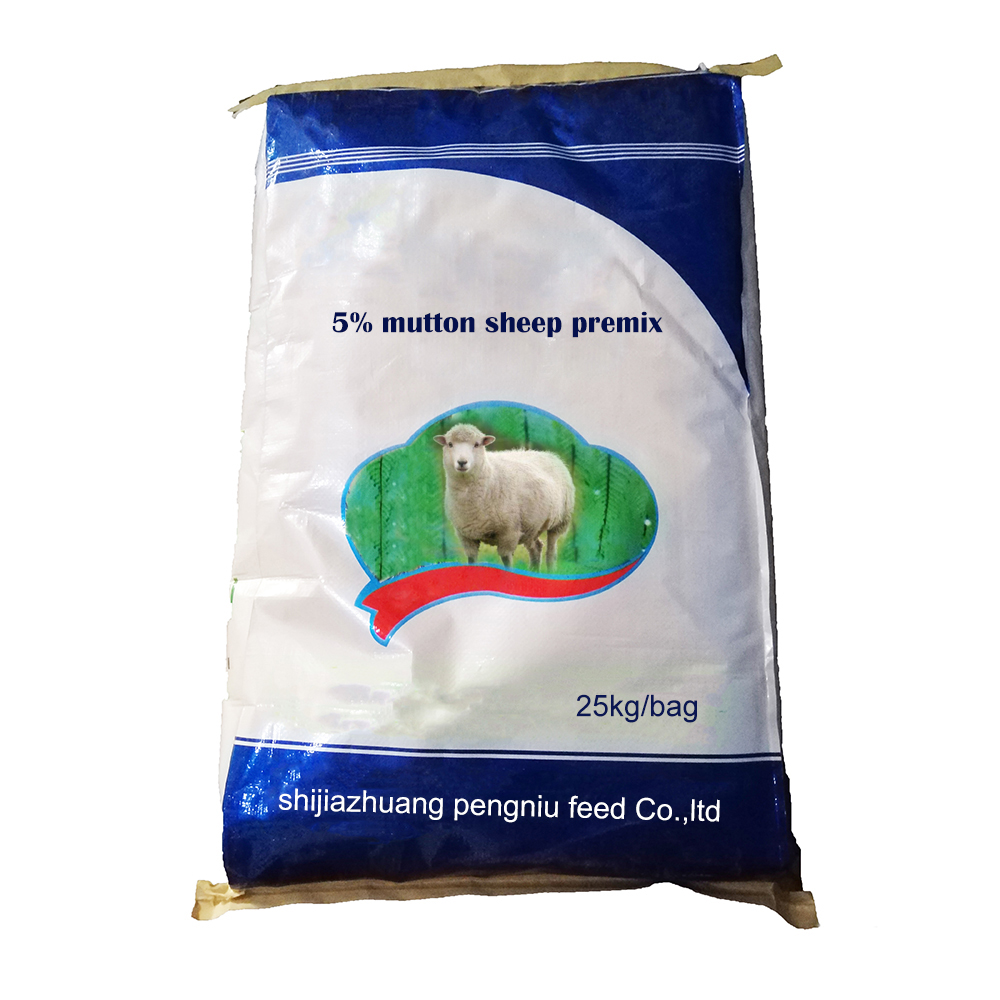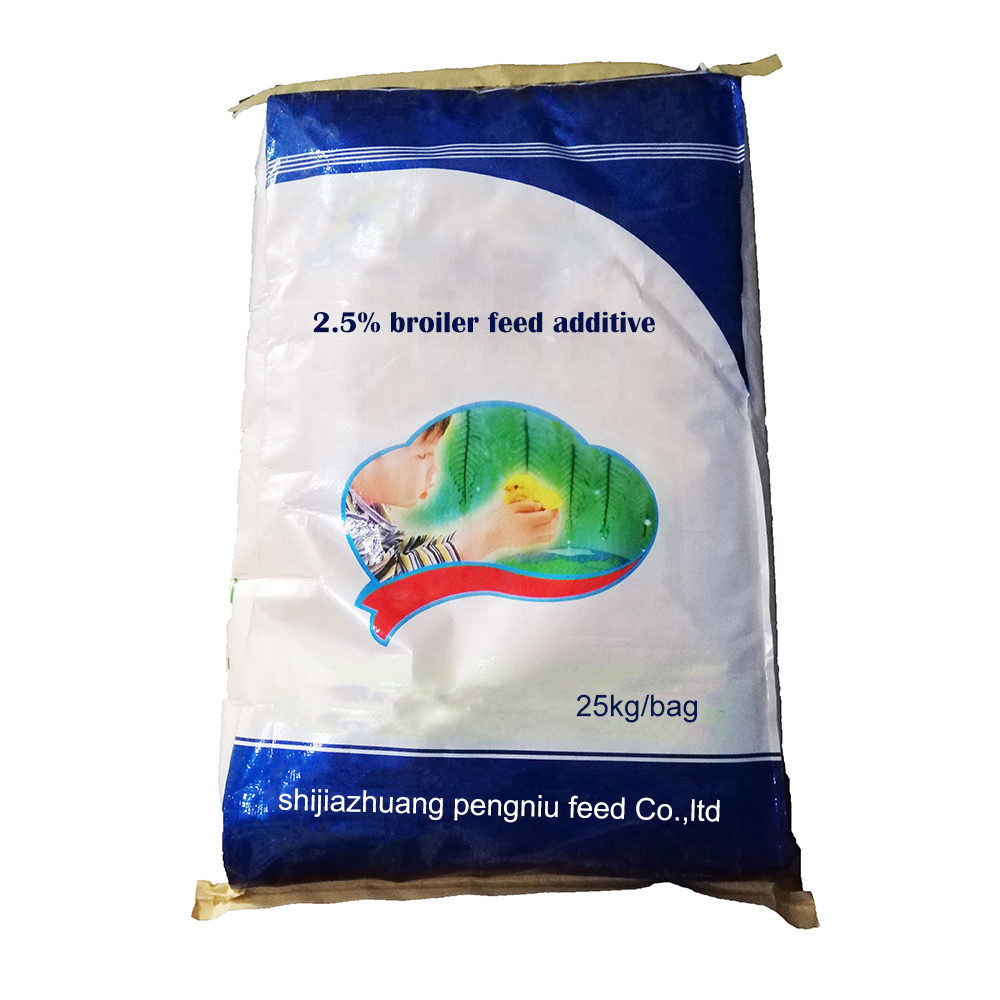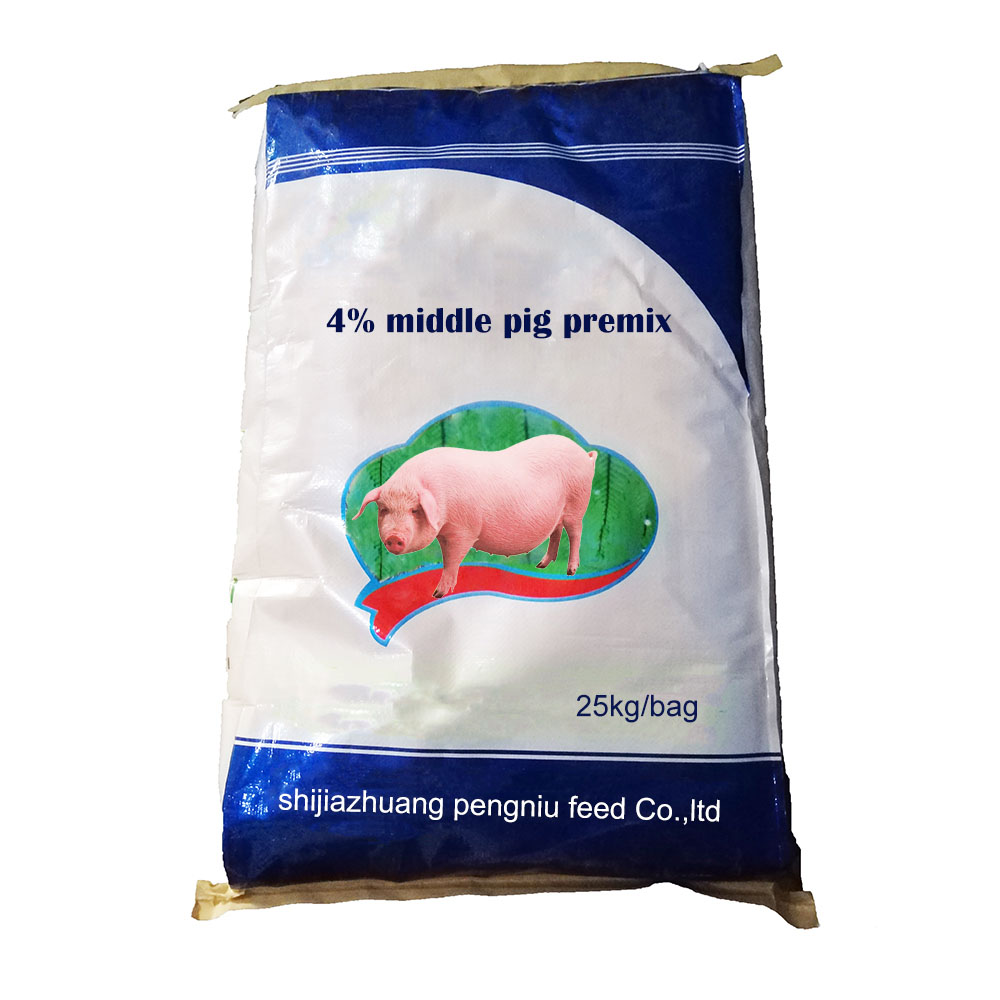
The 4% Pregnant Pig Feed Premix represents a cutting-edge solution in animal nutrition, specifically designed to optimize the health and productivity of gestating sows. Developed by Shijiazhuang Roc Cattle I&E Trading Co., Ltd., this premix combines essential vitamins, minerals, and enzymes to address the unique nutritional demands of pregnant pigs. This article explores its functional benefits, technical specifications, and real-world applications, while emphasizing its role in modern swine farming.
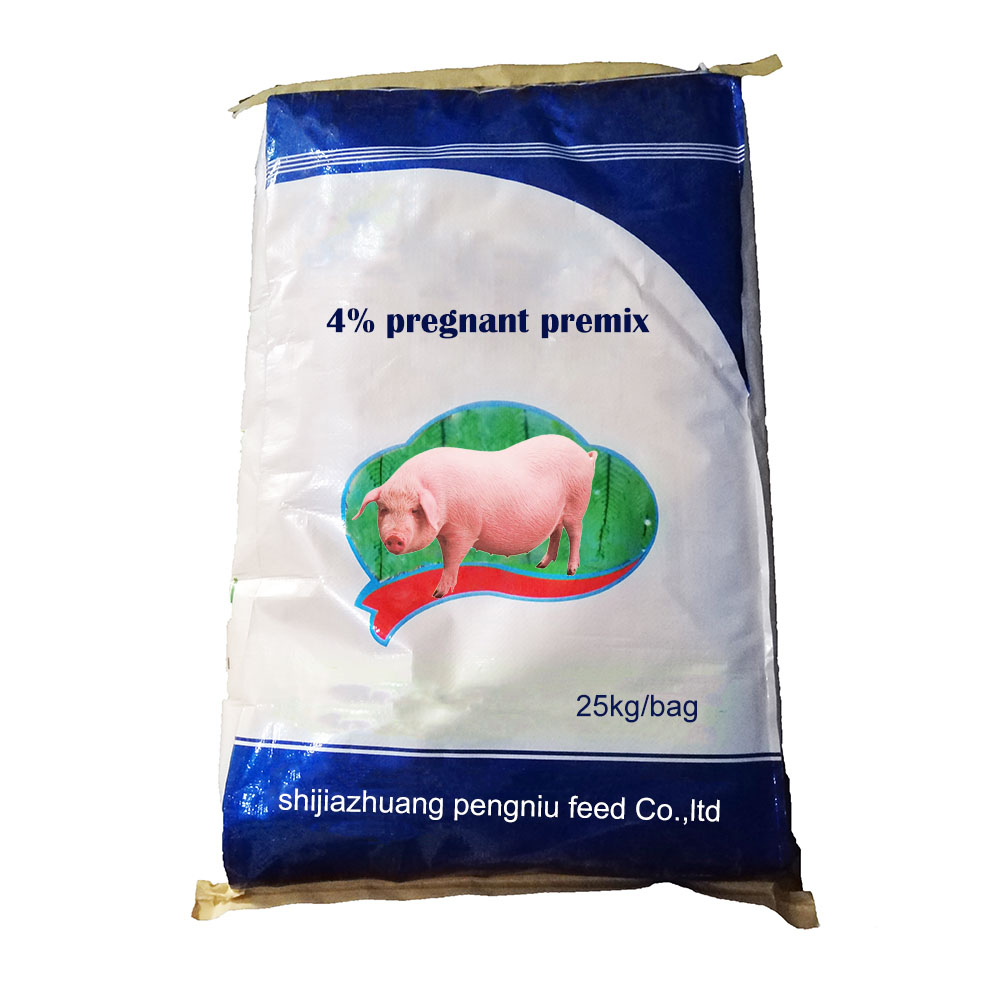
Product Overview: A Holistic Approach to Swine Nutrition
The 4% Pregnant Pig Feed Premix is a concentrated nutritional supplement formulated to support the physiological and metabolic needs of sows during gestation. Its composition includes a carefully balanced blend of vitamins, minerals, amino acids, and enzymatic additives, all of which work synergistically to enhance reproductive performance and fetal development.
Key Ingredients:
- Vitamins: Vitamin A, D3, E, K3, B-complex (B1, B2, B6, B12), Nicotinic acid, D-Calcium pantothenate, Folic acid, D-biotin
- Minerals: Ferrous sulfate, Copper sulfate, Zinc sulfate, Manganese sulfate, Sodium selenite, Calcium iodate
- Amino Acids: DL-Methionine, L-lysine hydrochloride
- Enzymes: Phytase, Lactobacillus phytate, mannanase, protease
- Other Additives: Calcium hydrogen phosphate, Choline chloride, Sodium chloride, Calcium carbonate, Calcium bicarbonate
The premix is designed to be mixed with feed at a ratio of 4 kg per 100 kg of feed, ensuring consistent nutrient distribution. This dosage is optimized to meet the increased energy and nutrient requirements of pregnant sows, promoting fetal growth, maternal health, and postpartum recovery.
Key Features and Functional Benefits
The 4% Pregnant Pig Feed Premix offers a range of benefits that address critical challenges in swine production. These advantages are rooted in its advanced formulation and scientific approach to animal nutrition.
1. Enhanced Fetal Development
By providing essential nutrients such as Vitamin A, D3, and B-complex vitamins, the premix supports the proper development of fetal organs, skeletal structures, and immune systems. This is particularly crucial during the later stages of gestation when fetal growth accelerates.
2. Immune System Support
The inclusion of antioxidants like Vitamin E and selenium (sodium selenite) helps strengthen the sow's immune response, reducing the risk of infections and diseases that could compromise pregnancy outcomes. This is especially important in large-scale farming environments where disease transmission is a concern.
3. Improved Feed Efficiency
The enzymatic components (phytase, protease, mannanase) enhance the digestibility of feed by breaking down complex carbohydrates and proteins. This not only improves nutrient absorption but also reduces feed waste, making the premix a cost-effective solution for farmers.
4. Metabolic Balance and Health
Minerals like calcium, phosphorus, and magnesium, along with amino acids such as lysine and methionine, contribute to maintaining metabolic balance. This is vital for preventing deficiencies that could lead to conditions like osteoporosis or reduced milk production post-partum.
Technical Specifications: Precision in Every Gram
| Parameter | Details |
|---|---|
| Product Name | 4% Pregnant Pig Feed Premix |
| Formulation | Concentrated premix with vitamins, minerals, amino acids, and enzymes |
| Dosage | 4 kg per 100 kg of feed (mixed feeding) |
| Key Nutrients | Vitamin A, D3, E, K3, B-complex, Selenium, Zinc, Iron, etc. |
| Enzymatic Additives | Phytase, Lactobacillus phytate, mannanase, protease |
| Storage | Cool, dry place away from direct sunlight |
| Shelf Life | 12 months from production date |
Applications in Modern Swine Farming
The 4% Pregnant Pig Feed Premix is particularly valuable in intensive swine farming operations where maximizing reproductive efficiency is a priority. Its applications include:
- Reproductive Management: Enhancing litter size, birth weight, and viability of piglets.
- Health Maintenance: Preventing nutritional deficiencies and supporting the sow's health during gestation.
- Cost-Effectiveness: Reducing feed costs through improved nutrient utilization and lower waste.
- Sustainable Farming: Promoting eco-friendly practices by optimizing resource use and minimizing environmental impact.
According to the National Institute of Standards and Technology (NIST), advancements in feed formulation have been critical in improving agricultural productivity. While direct data on this specific product is not available, industry studies highlight the importance of balanced nutrition in swine farming, aligning with the principles behind this premix.
Company Background: Shijiazhuang Roc Cattle I&E Trading Co., Ltd.
Shijiazhuang Roc Cattle I&E Trading Co., Ltd. is a leading provider of animal nutrition solutions, specializing in high-quality feed additives and premixes. With a focus on innovation and sustainability, the company serves both domestic and international markets, catering to the needs of livestock producers worldwide.
Founded on principles of scientific research and customer-centric solutions, the company has established itself as a trusted name in the animal feed industry. Its commitment to quality is reflected in rigorous testing protocols and adherence to international standards, ensuring that products like the 4% Pregnant Pig Feed Premix meet the highest benchmarks.
Conclusion: A Strategic Investment in Swine Production
The 4% Pregnant Pig Feed Premix is more than just a nutritional supplement—it is a strategic tool for modern swine farmers. By addressing the complex nutritional needs of pregnant sows, it contributes to healthier litters, improved reproductive outcomes, and sustainable farming practices. For producers seeking to optimize their operations, this premix offers a reliable and scientifically backed solution.
For more information about the product or to explore other offerings from Shijiazhuang Roc Cattle I&E Trading Co., Ltd., visit their official website. Stay informed about the latest developments in animal nutrition by following industry standards and research, such as those outlined by the NIST.
References
National Institute of Standards and Technology (NIST) (2023). Agricultural Innovation and Nutritional Standards. Retrieved from https://www.nist.gov/
Post time: September 22, 2025