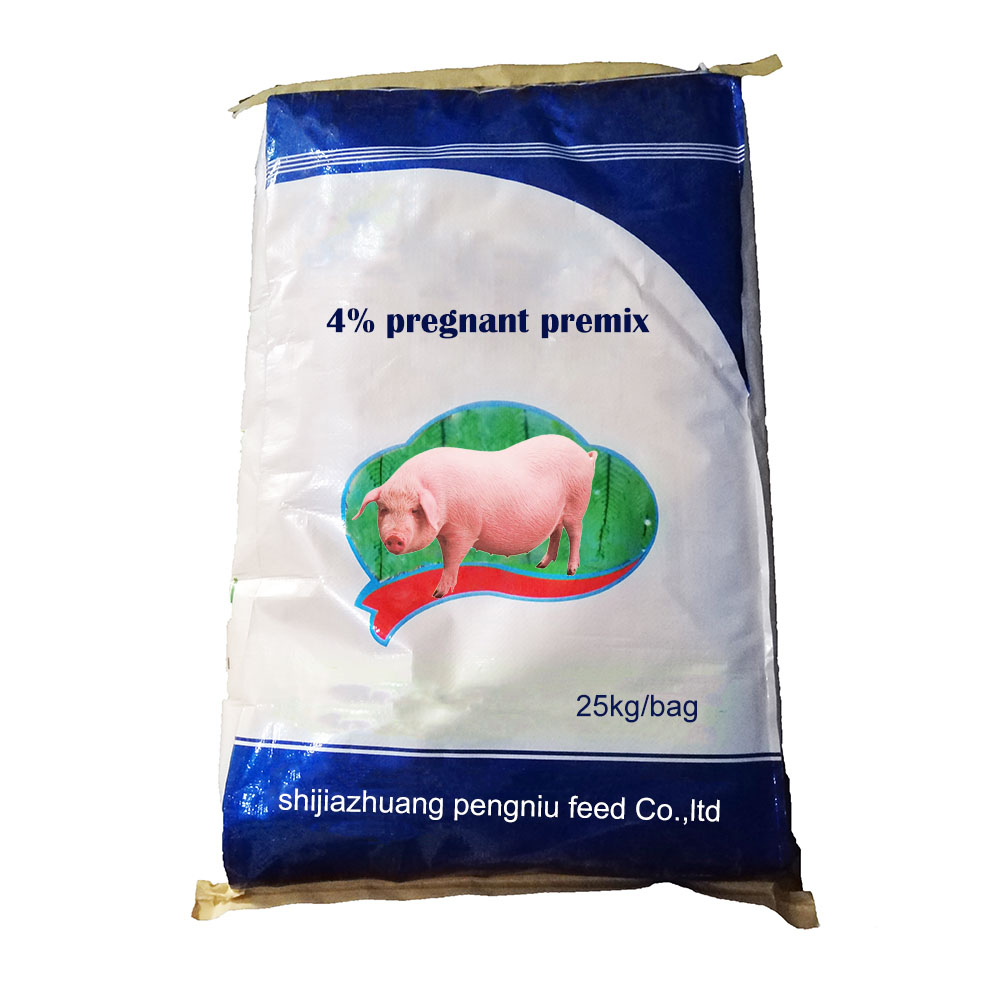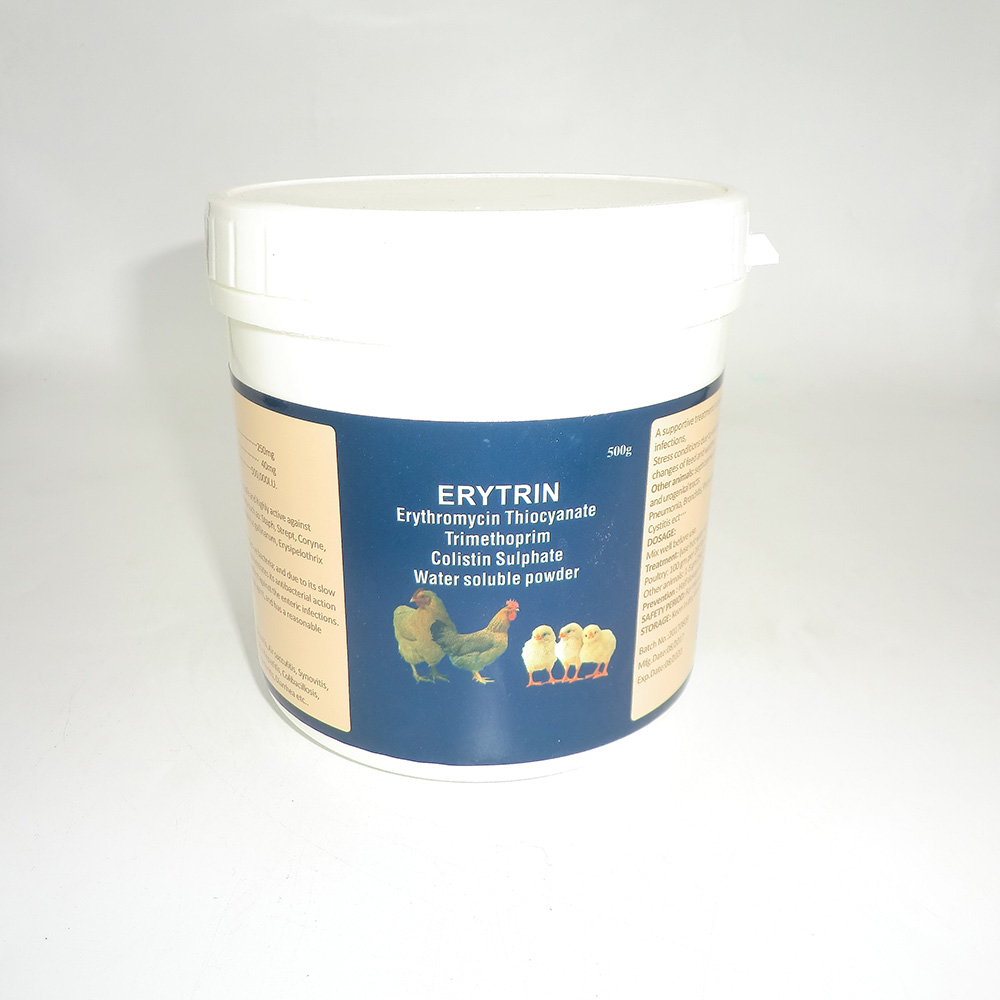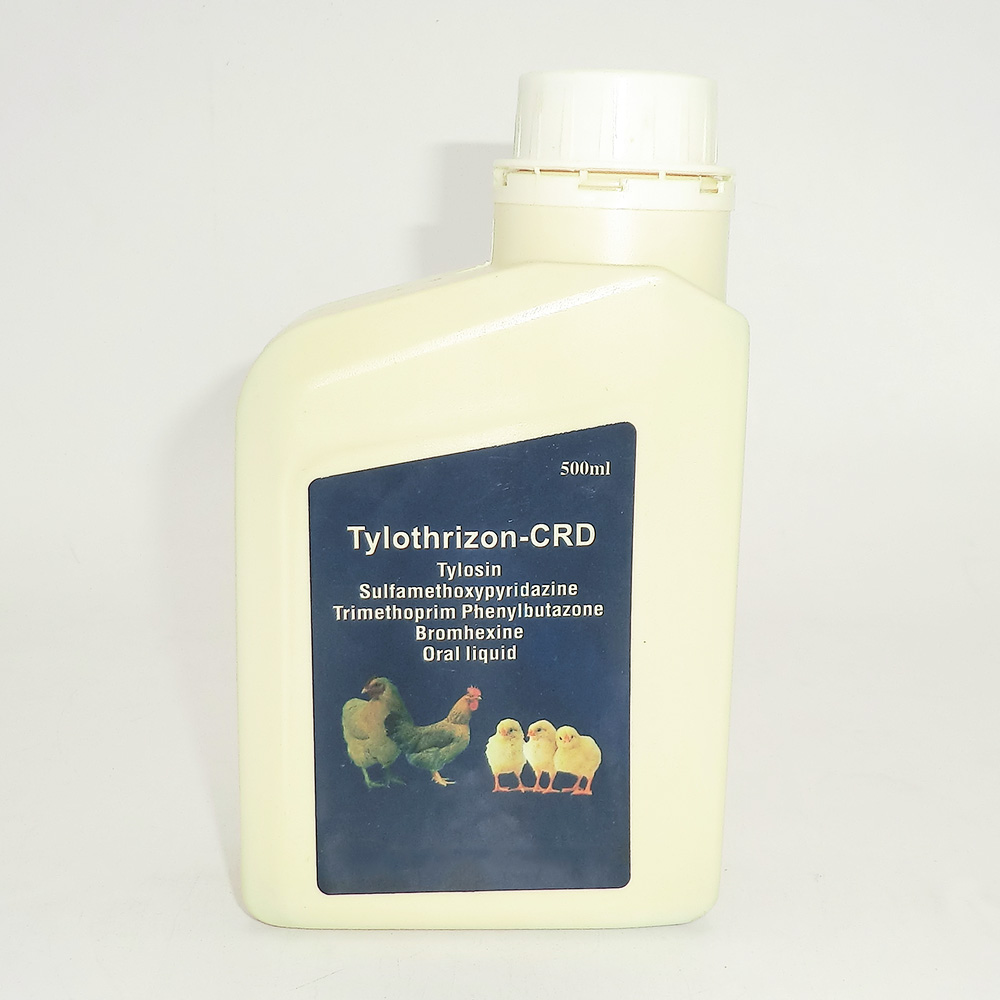
Bahrain's livestock sector operates under severe environmental constraints, where high humidity and extreme temperatures directly impact the metabolic rate of animals. The reliance on imported compound feed is high, necessitating pharmaceutical-grade stability to prevent nutrient degradation during transit and storage.
The local market is transitioning from traditional grazing to intensive farming. This shift requires a precise application of animal food additives to maintain gut health and immunity, reducing the dependency on curative antibiotics in accordance with modern veterinary standards.
Furthermore, the demand for high-protein chicken feed has surged as Bahrain seeks to increase its domestic poultry production to ensure food security, requiring specialized formulations that mitigate the effects of heat-induced stress on avian growth.