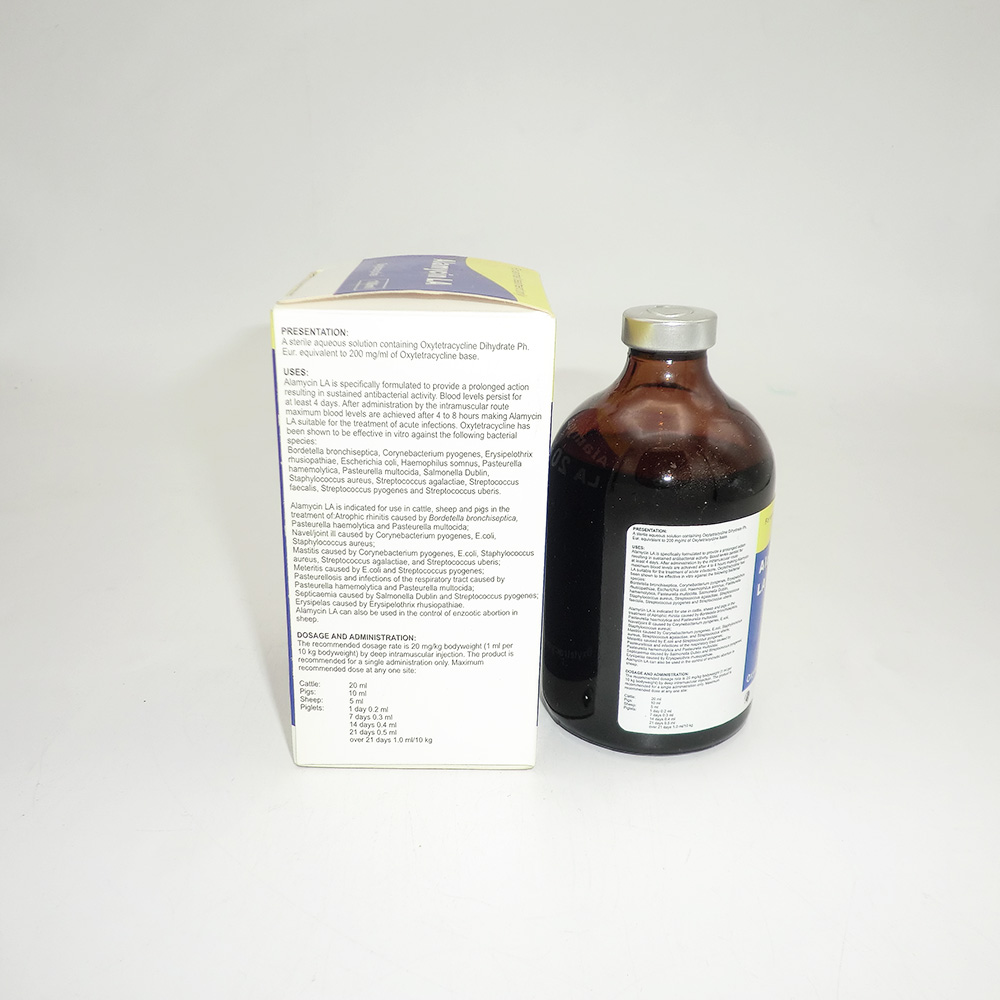
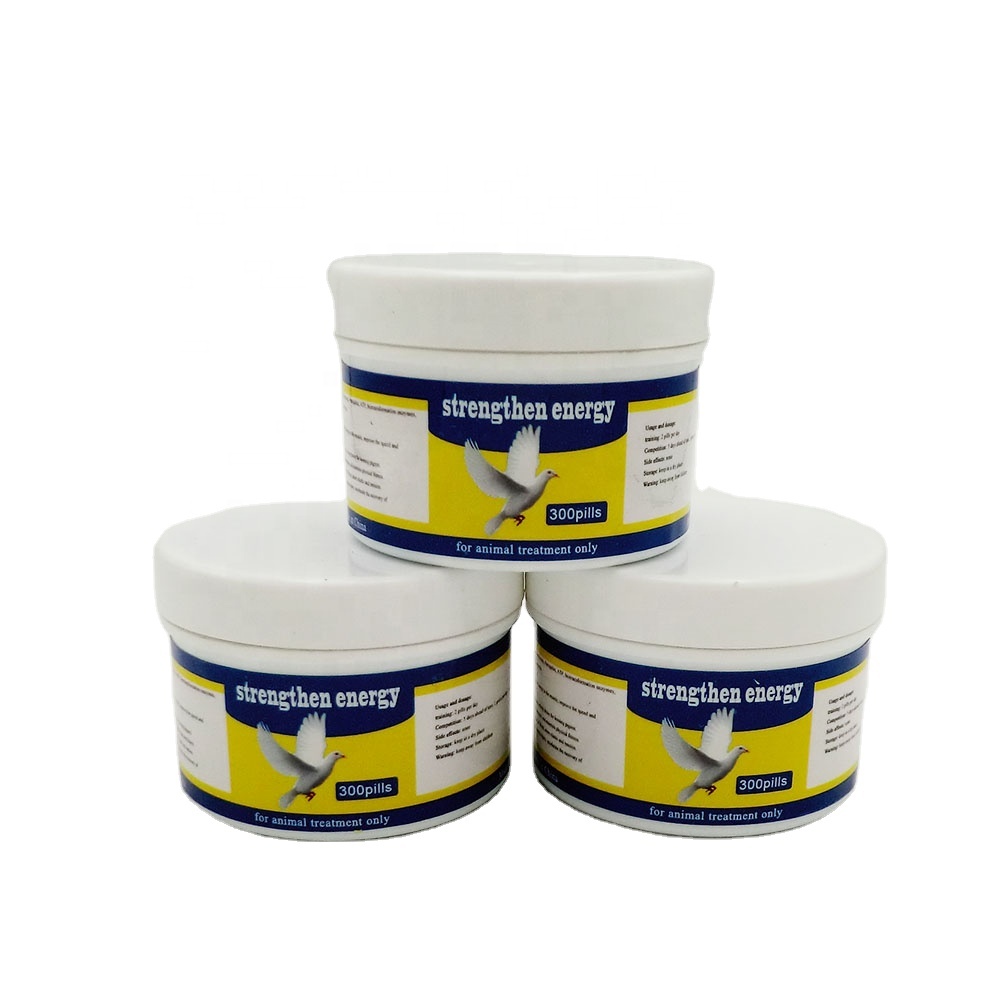
Advanced cattle feed concentrate Solutions for Iran's Livestock Sector

Optimizing livestock productivity and health through precision nutrition and high-performance veterinary-grade additives tailored for the Iranian climate.

Advanced cattle feed concentrate Solutions for Iran's Livestock Sector

We provide high-efficiency nutritional formulations that integrate pharmaceutical-grade additives to enhance animal growth and immunity across diverse Iranian agricultural zones.

Agricultural Nutrition Landscape in Iran

Analyzing the challenges of animal husbandry in the arid and semi-arid regions of Asia - Iran.

Iran's livestock industry faces unique pressures due to its diverse geography, ranging from the humid Caspian coast to the arid central plateaus. The reliance on traditional grazing is increasingly supplemented by industrial compound feed to maintain yield stability during drought periods.

Water scarcity and temperature fluctuations in Iran's interior regions lead to metabolic stress in livestock. This has created a critical demand for specialized animal feed supplement formulations that can improve nutrient absorption and heat tolerance in cattle and poultry.

Current market trends show a shift toward integrated veterinary-nutrition approaches. Iranian farmers are moving away from generic mixes toward targeted animal food additives that prevent common regional diseases and optimize the feed conversion ratio (FCR).
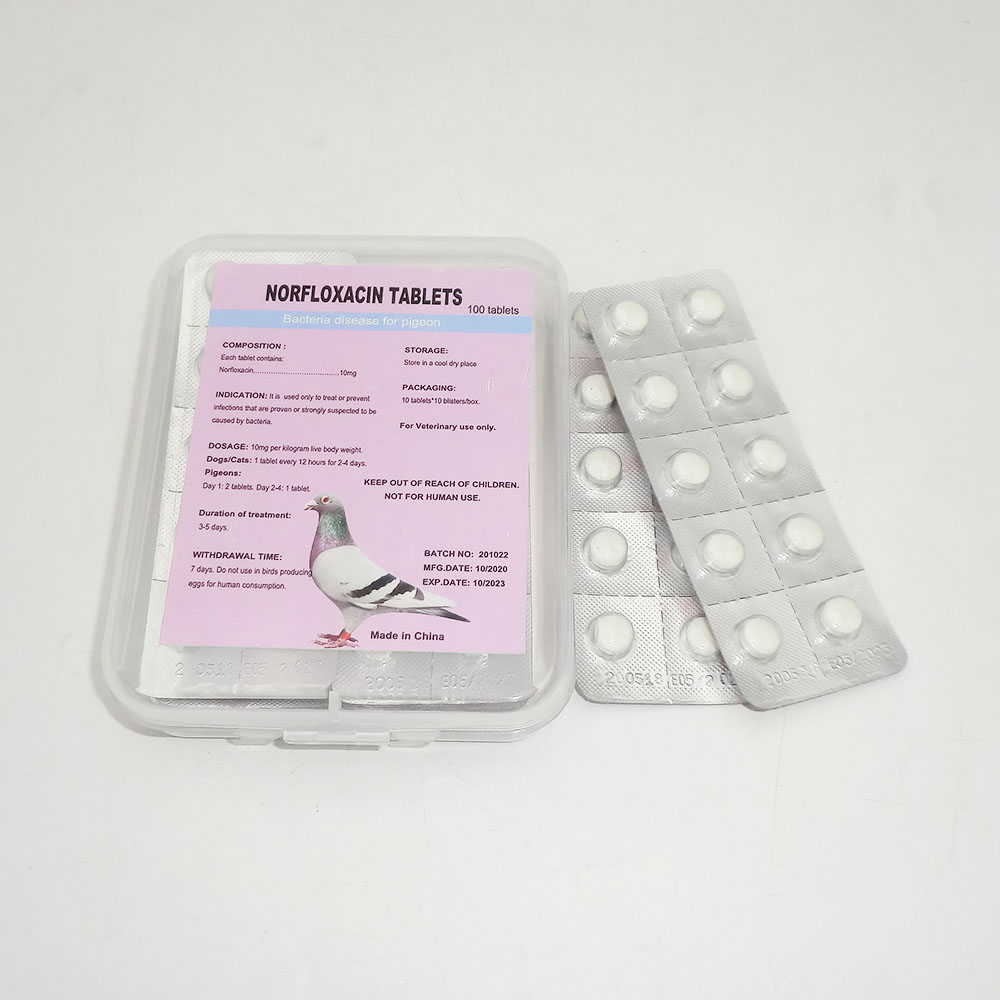
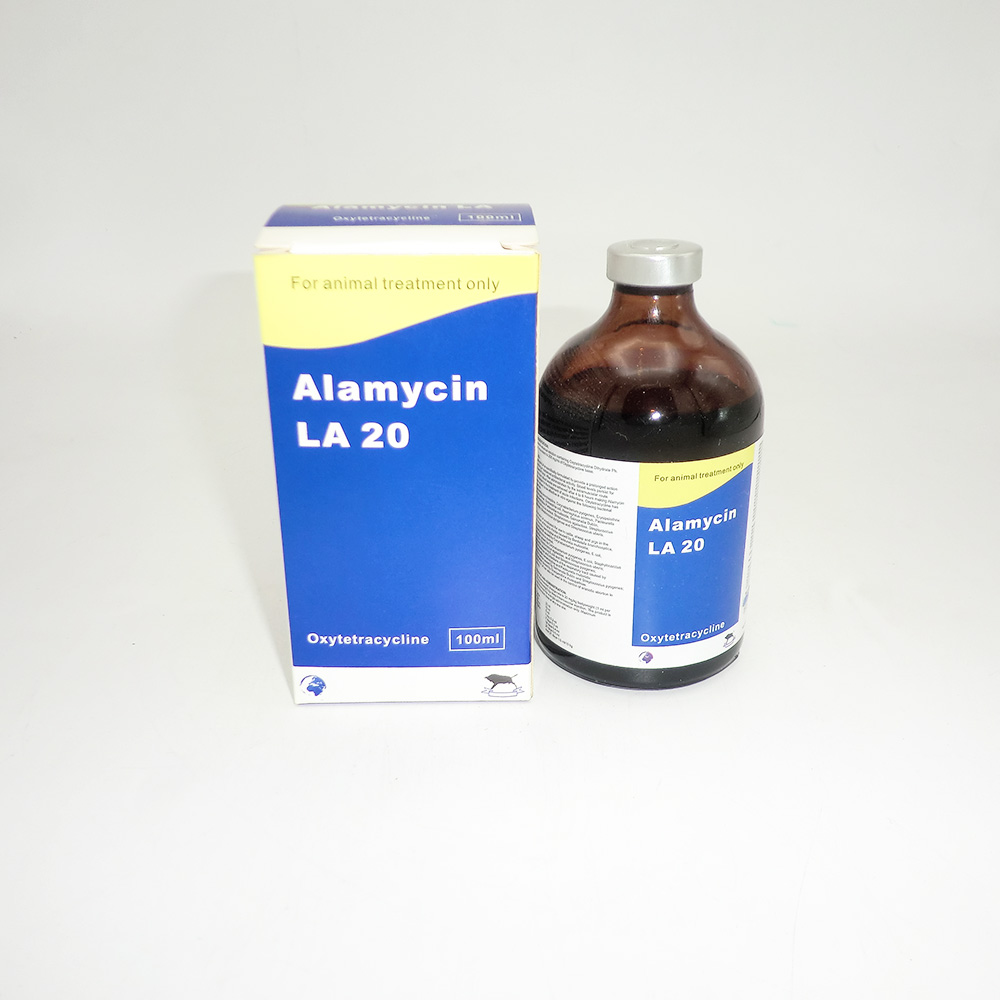
Evolution of Feed Technology in the Iranian Market

From traditional grain mixing to precision pharmaceutical-grade nutrition.

Market Development History

Prior to the early 2000s, the Iranian livestock sector relied heavily on local barley and wheat mixes. However, as demand for protein grew, the industry adopted early-stage chicken feed standards to industrialize poultry production, shifting from backyard farming to large-scale complexes.

Between 2010 and 2020, there was a significant transition toward "concentrate-based" feeding. The introduction of imported vitamins and minerals allowed local producers to create high-density cattle concentrates, reducing the volume of bulk fodder required while increasing milk and meat output.

In the current era, the focus has shifted to "Bio-Security Nutrition." The integration of veterinary medicine into feed—using enzymes, probiotics, and organic acids—has become the standard for reducing antibiotic reliance in the pharmaceutical-grade feed sector.

Future Development Trends

Precision Nutrient Delivery

Implementing AI-driven feeding systems that adjust additive levels based on real-time livestock biometric data to minimize waste.

Alternative Protein Sources

Developing sustainable protein alternatives to soybean meal to mitigate the impact of import restrictions and currency fluctuations in Iran.

Green Feed Additives

Increasing use of phytogenic additives to improve gut health and reduce methane emissions in accordance with global environmental standards.

Industry Trends and Strategic Outlook

Mapping the trajectory of veterinary-grade animal nutrition for the next five years.

Antibiotic-Free Growth
Shift toward probiotics and organic acids to replace growth promoters, meeting stricter food safety regulations.
Feed Efficiency Optimization
Utilization of exogenous enzymes to break down complex fibers in local Iranian feedstocks.
Climate-Resilient Nutrition
Developing electrolytes and stress-relief additives for livestock in high-temperature zones.
Digital Feed Management
Integrating IoT with feed distribution to ensure precise dosage of micronutrients.

Industry Outlook

Based on Google search trends within the MENA region, there is a surging interest in "Sustainable Animal Husbandry" and "Natural Growth Promoters." This indicates that the Iranian market is maturing, moving from raw volume to high-quality, health-centric nutrition.

We anticipate that the next 3-5 years will see a consolidation of feed mills that can offer integrated pharmaceutical services, where the feed is not just food, but a preventative medical tool for livestock health.

Localized Application Scenarios in Iran

Real-world implementation of nutrition solutions across various livestock systems.

1. High-Yield Dairy Farms in Alborz Region

Implementing specialized cattle feed concentrates to maximize milk fat and protein levels while reducing metabolic disorders during peak lactation.

2. Industrial Poultry Complexes in Tehran Province

Utilizing precision-formulated chicken feed integrated with organic acids to eliminate coccidiosis without excessive antibiotic use.

3. Semi-Arid Cattle Ranching in Central Iran

Deploying weather-resistant animal feed supplements that provide essential electrolytes to combat heat stress in open-range cattle.

4. Feed Mill Optimization for Regional Distributors

Integrating high-stability animal food additives into large-batch compound feed to ensure nutrient potency during long-distance transport.

5. Small-Scale Integrated Farming in Southern Iran

Providing modular nutritional kits that combine minerals and vitamins for mixed-species livestock to improve overall farm resilience.

Brand Story

Global Development Journey of Shijiazhuang Pengniu Import and Export Trade Co., Ltd.

Founding Vision

Established to bridge the gap between pharmaceutical-grade chemical synthesis and practical livestock nutrition, focusing on high-purity additives.

Technical Breakthrough

Developed proprietary stabilization techniques for vitamins and minerals, ensuring they remain active within complex feed matrices.

Market Expansion

Expanded operations into the Asia-Iran corridor, adapting formulations to meet local climatic and regulatory requirements.

Quality Standardization

Achieved international certifications for veterinary-grade production, ensuring every batch meets global E-E-A-T safety standards.

Future Mission

Committing to sustainable livestock growth by reducing the chemical footprint of animal nutrition worldwide.

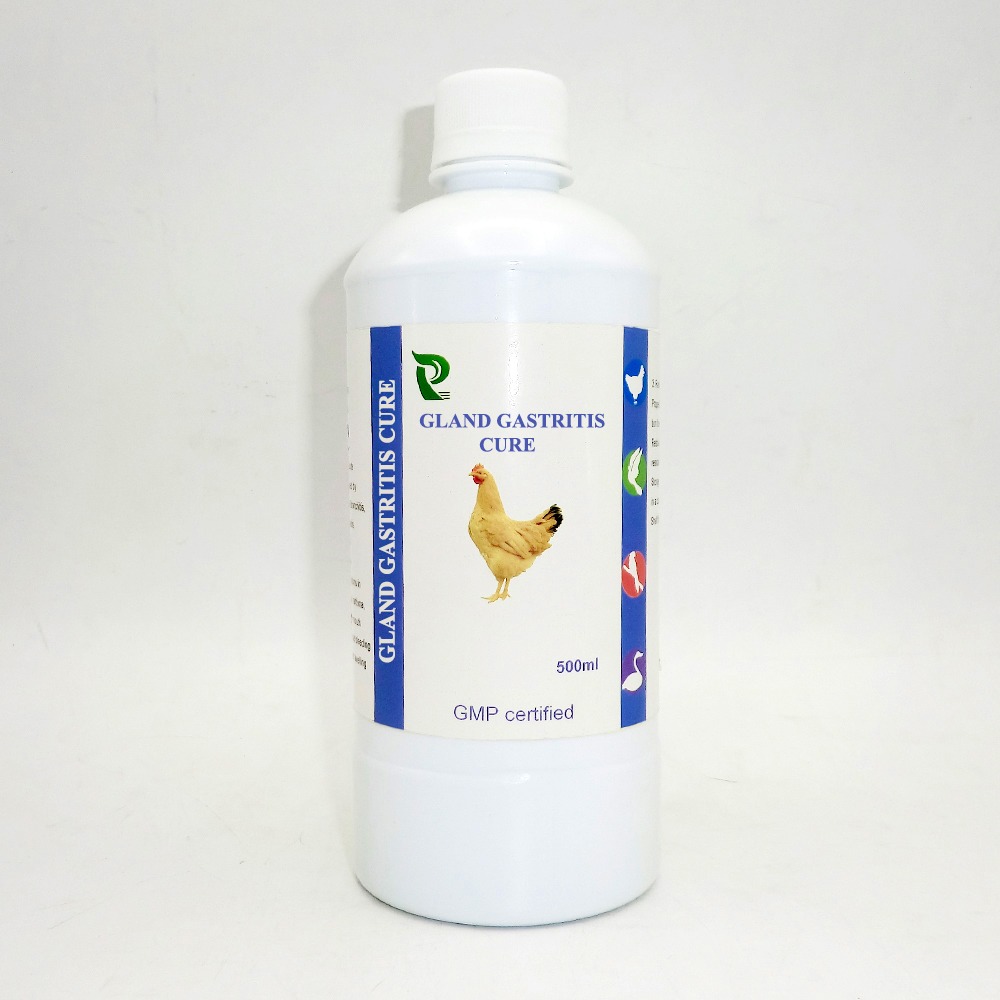
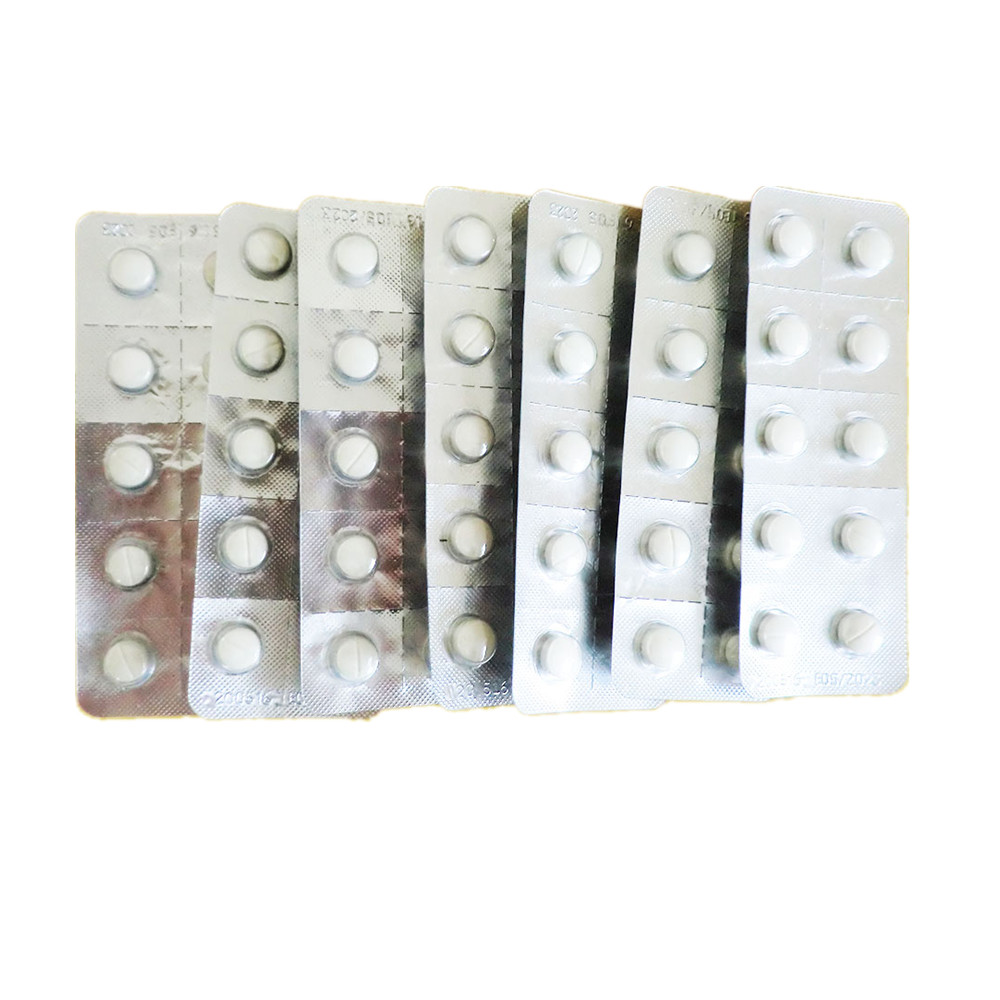
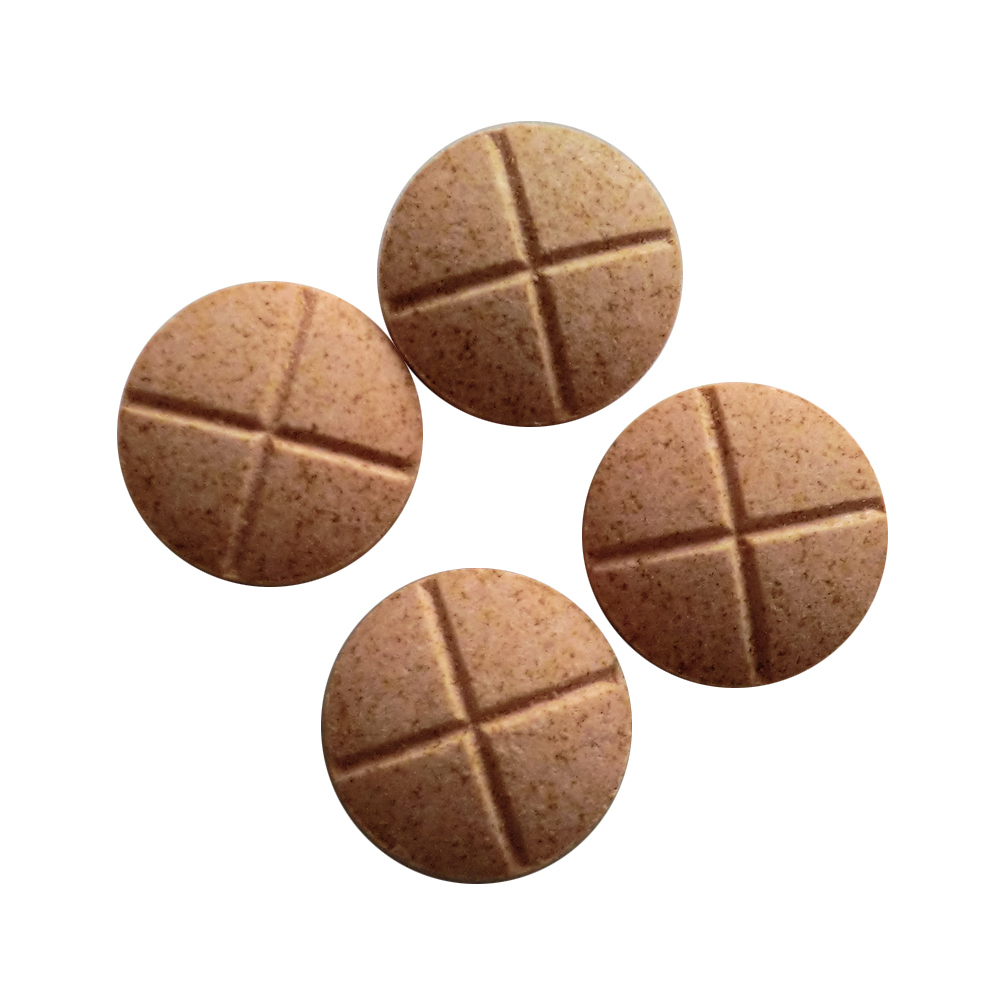
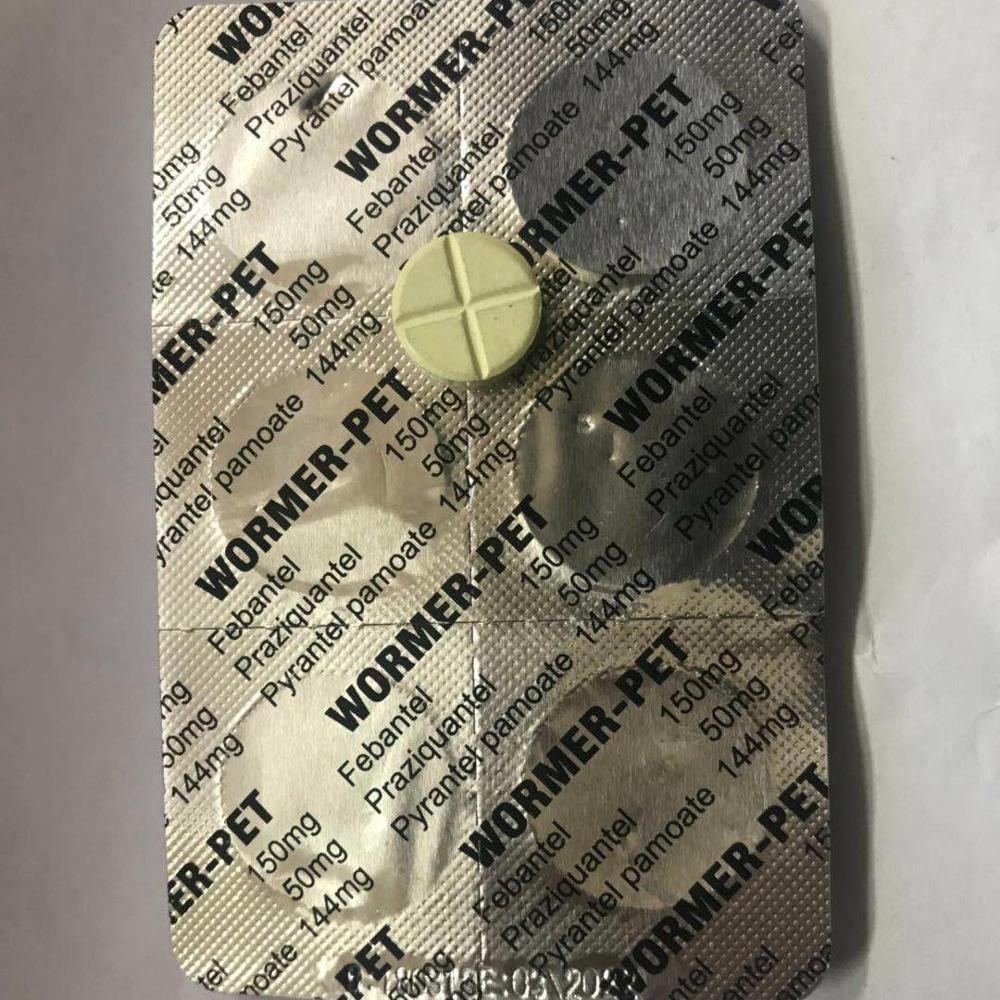
Comprehensive Nutrition Portfolio for the Iranian Market

A full spectrum of veterinary-grade solutions from basic supplements to complex concentrates.

Livestock Nutrition FAQ - Iran Region

Expert answers to common technical questions regarding feed additives and supplements.

How does the climate in Iran affect the stability of animal food additives?

High temperatures can degrade certain vitamins and enzymes. We use micro-encapsulation technology to protect active ingredients, ensuring stability in arid climates.

What is the best cattle feed concentrate ratio for dairy cows in high-altitude areas?

The ratio depends on the available forage, but generally, a 1:3 concentrate-to-roughage ratio is recommended, supplemented with specific minerals for altitude-related stress.

Can your animal feed supplement replace traditional antibiotic growth promoters?

Yes, by using a combination of probiotics and organic acids, our supplements improve gut health and immunity, effectively reducing the need for antibiotics.

How to optimize compound feed for poultry during the Iranian summer?

Increasing the inclusion of electrolytes and vitamin C in the compound feed helps poultry manage heat stress and prevents sudden death syndrome.

What are the primary benefits of high-protein chicken feed for broiler production?

High-protein formulations accelerate muscle growth and shorten the production cycle, significantly increasing the turnover rate for industrial farms.

Are your veterinary additives compatible with locally sourced Iranian grains?

Absolutely. Our products are designed to be versatile and are tested for compatibility with common local grains like barley, wheat, and corn.

Consult Our Nutrition Experts

Ready to optimize your livestock productivity in Iran? Contact us for customized nutritional formulations tailored to your farm's specific needs.

Contact Us Now

If you are interested in our products, you can choose to leave your information here, and we will be in touch with you shortly.