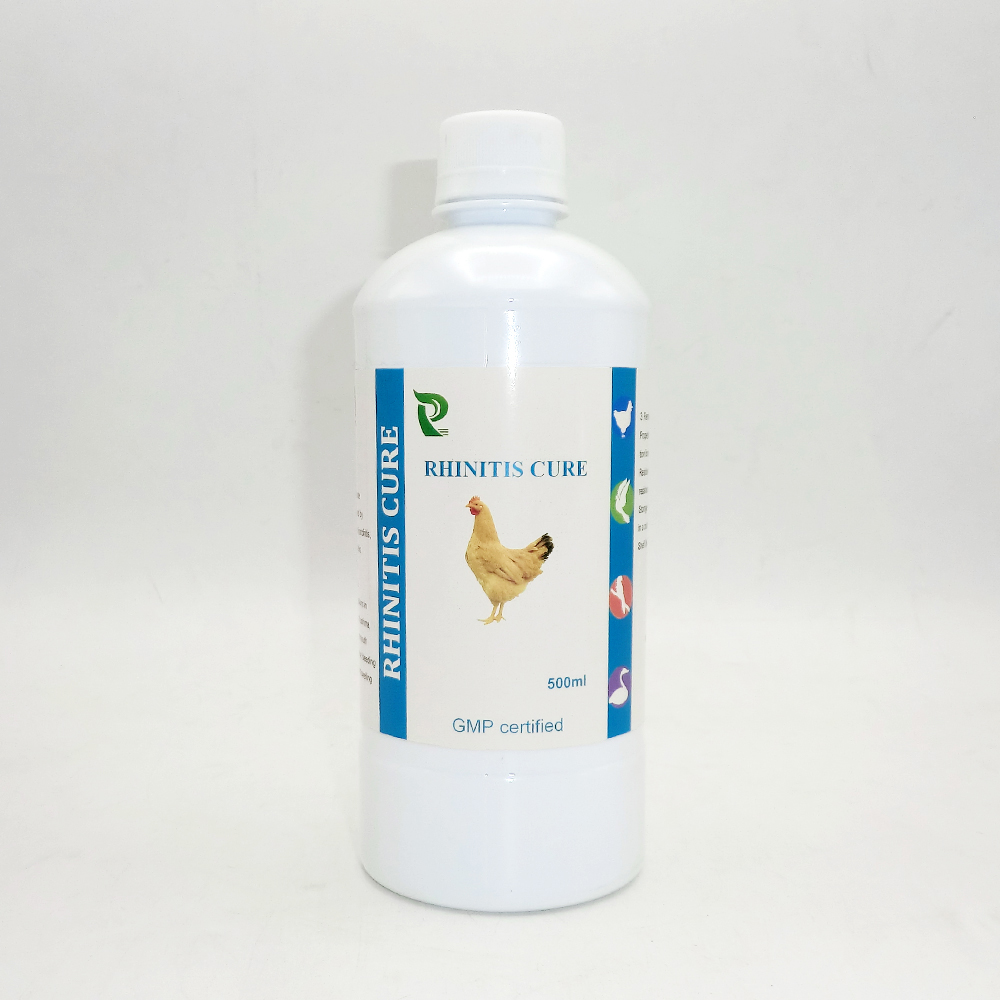
Advanced Livestock Nutrition Solutions for cattle feed concentrate in Thailand

Optimizing animal growth and pharmaceutical-grade feed security for the Thai agricultural heartland.

Advanced Livestock Nutrition Solutions for cattle feed concentrate in Thailand

We provide high-performance pharmaceutical-grade additive solutions designed to maximize yield and health for poultry and livestock across Southeast Asia.

Analyzing the Animal Nutrition Landscape in Thailand

Navigating the challenges of tropical climate and high-density farming in Asia.

Thailand's livestock sector is characterized by intense humidity and high temperatures, which often lead to heat stress in animals. This environmental pressure necessitates a high-quality animal feed supplement to maintain metabolic stability and immunity, especially in the Central Plains region.

The market is currently shifting from traditional bulk feeding to precision nutrition. Farmers are increasingly seeking animal food additives that can prevent common regional diseases and improve the conversion rate of feed to protein, reducing overall waste.

Economic pressures and global export standards have forced Thai producers to upgrade their pharmaceutical feed standards. The demand for standardized compound feed has risen as the industry moves toward integrated farming systems to compete in the global Halal and organic markets.
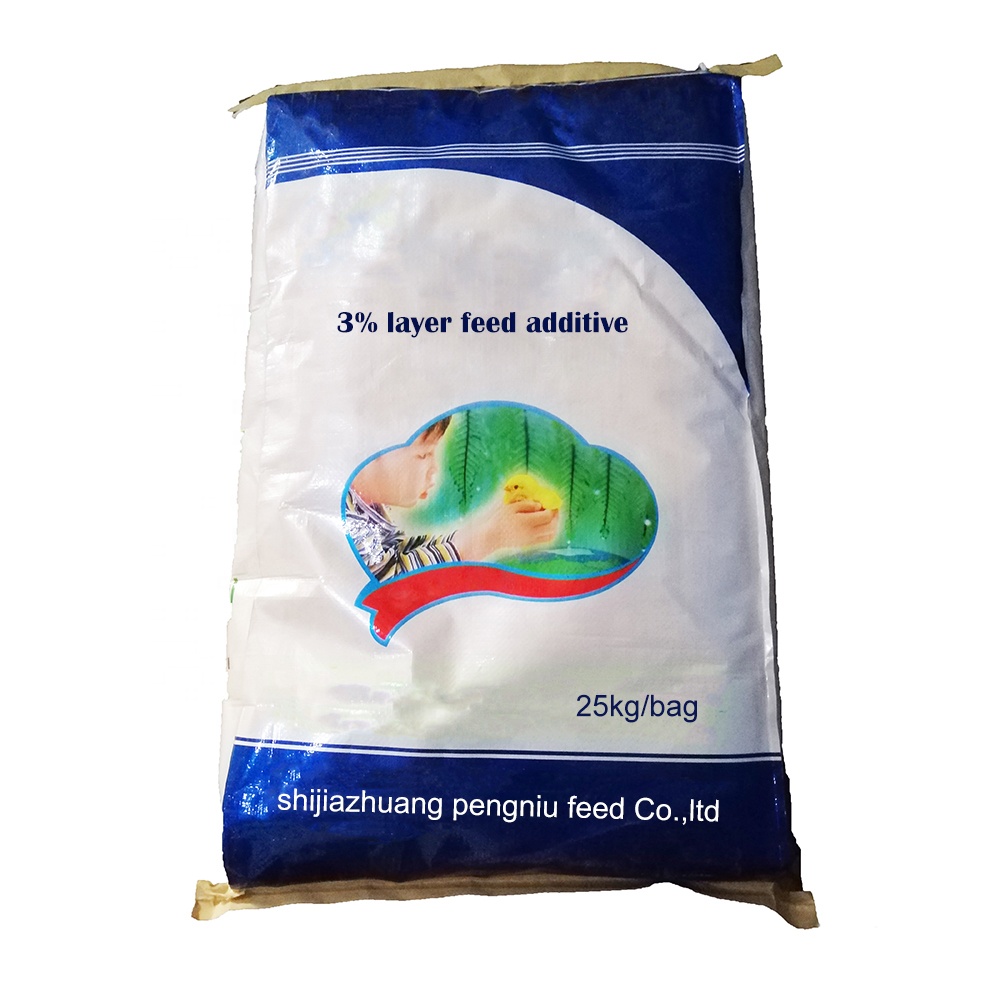
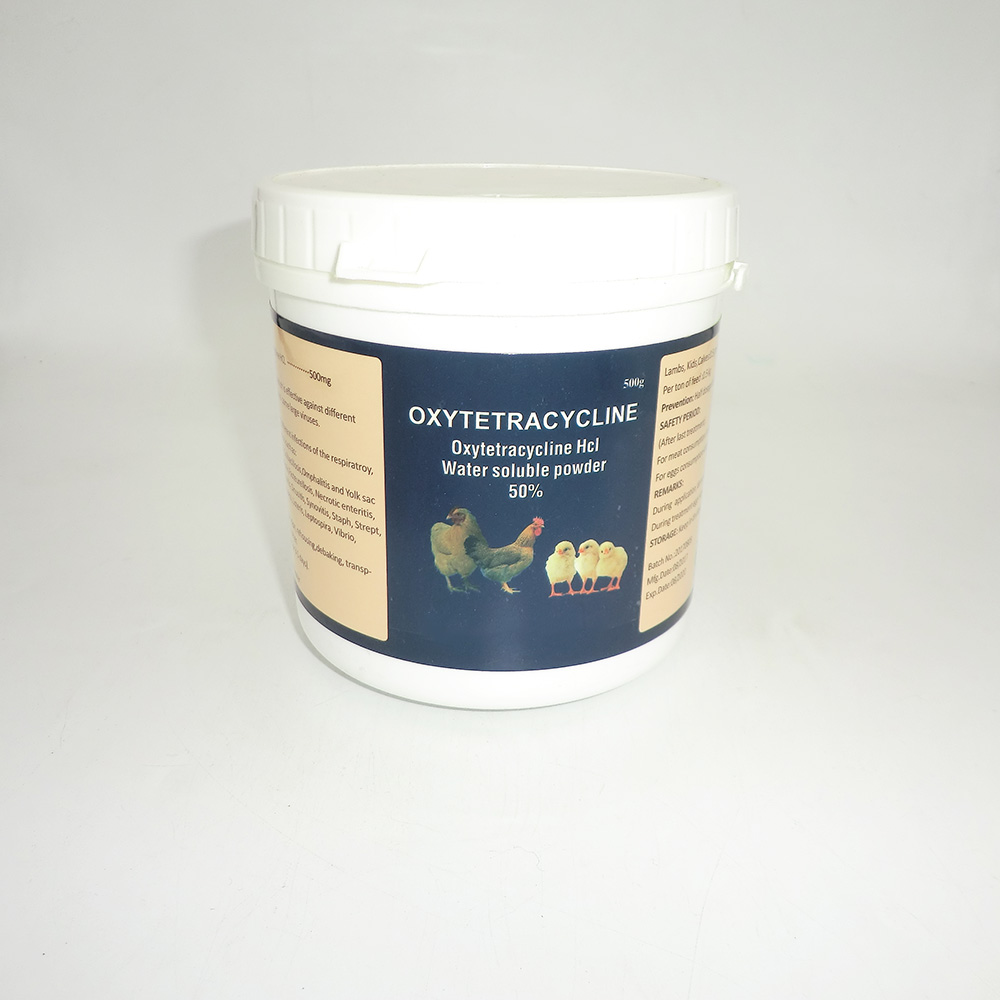
Evolution of Feed Manufacturing in Thailand

From raw agricultural by-products to pharmaceutical-grade precision nutrition.

Market Development History

In the 1990s, the Thai market relied heavily on raw grains and basic mixtures. The primary focus was on volume rather than nutrient density, with limited use of specialized supplements for livestock.

Between 2005 and 2015, the introduction of industrial pelleting technology allowed for the mass production of chicken feed, optimizing the growth cycles of the booming poultry export industry.

Since 2018, the trajectory has moved toward "Bio-Security Nutrition." The integration of pharmaceutical-grade additives has become the standard to replace antibiotic growth promoters (AGPs), focusing on gut health and enzymatic efficiency.

Future Development Trends

Nano-Encapsulation Technology

The next 3 years will see the rise of nano-coated additives that ensure nutrients are released specifically in the lower intestine, maximizing absorption.

Sustainable Protein Alternatives

Google search trends indicate a surge in "insect-based protein" and "sustainable soy," leading to a redesign of compound mixtures to reduce carbon footprints.

AI-Driven Precision Feeding

Integration of IoT sensors with automated feeding systems will allow for real-time adjustment of nutrient levels based on the animal's current health status.

Industry Trends and Future Outlook

Strategic shifts in the pharmaceutical-feed manufacturing sector.

AGP-Free Transition
Accelerating the shift toward organic acids and probiotics to ensure antibiotic-free meat production for export.
Climate-Resilient Nutrition
Developing heat-stable vitamins and minerals that do not degrade in Thailand's humid storage conditions.
Digital Formulation
Using big data to adjust compound feed ratios based on raw material price volatility.
Regulatory Alignment
Aligning local production with EU and US FDA standards to facilitate easier export of Thai livestock products.

Industry Outlook

The Thai animal feed industry is pivoting toward a "Value-over-Volume" model. We anticipate that the integration of pharmaceutical precision will reduce the feed-conversion ratio (FCR) by another 5-8% over the next five years.

Furthermore, the rise of "Smart Farming" in Asia will drive the demand for customized micro-nutrient packets, moving away from one-size-fits-all feed solutions to species-and-age-specific nutrition.

Localized Application Scenarios in Thailand

Practical implementations of our pharmaceutical feed solutions across different sectors.

01. Intensive Broiler Farms in Chachoengsao

Deployment of high-protein chicken feed combined with acidifiers to combat the prevalence of E. coli in humid environments.

02. Dairy Cattle Operations in Saraburi

Implementation of specialized cattle feed concentrate to increase milk fat percentage and improve udder health during the rainy season.

03. Commercial Pig Farms in Nakhon Pathom

Application of amino acid-rich animal food additives to accelerate weaning and reduce piglet mortality rates.

04. Integrated Aquaculture Feed Plants

Utilizing pharmaceutical-grade binders in compound feed to ensure pellet stability in water, reducing nutrient leaching.

05. Small-scale Livestock Cooperatives

Providing easy-to-mix animal feed supplement packets that allow local farmers to upgrade raw corn and rice bran into balanced nutrition.

Brand Story

Global Development Journey of Shijiazhuang Pengniu Import and Export Trade Co., Ltd.

Foundational Excellence

Established with a vision to bridge the gap between pharmaceutical chemical precision and agricultural feed needs.

Quality Standardization

Developed a rigorous quality control system that exceeds international standards for feed-grade additives.

Asian Market Expansion

Successfully entered the Thai and Vietnamese markets, tailoring formulas to tropical livestock challenges.

R&D Innovation

Invested in biotechnology to create AGP-free alternatives that maintain high growth rates without antibiotics.

Global Leadership

Now serving as a trusted partner for large-scale feed mills worldwide, focusing on sustainable animal protein.

Comprehensive Nutrition Portfolio for Thailand

Integrated solutions from raw additives to complete compound feeds.

Thai Livestock Nutrition FAQ

Expert answers to the most common industry questions in Thailand.

How to choose the right cattle feed concentrate for tropical climates?

Focus on concentrates with high stability and added electrolytes to combat heat stress, ensuring the minerals do not oxidize in high humidity.

Can animal food additives replace antibiotics in poultry farming?

Yes, using a combination of organic acids, probiotics, and essential oils can maintain gut health and growth performance without relying on AGPs.

What is the ideal storage method for compound feed in Thailand?

Store in cool, dry, well-ventilated areas with pallets to avoid floor moisture. Vacuum packaging is recommended for long-term storage of additives.

How does an animal feed supplement improve feed conversion ratios?

Supplements provide missing micro-nutrients and enzymes that help animals break down complex fibers more efficiently, reducing waste.

What are the key requirements for exporting chicken feed from Thailand?

Compliance with the destination country's phytosanitary certificates and strict adherence to toxin limits (e.g., Aflatoxin) are critical.

Which additives are best for improving milk yield in Thai cows?

Bypass fats and rumen-protected proteins are highly effective in increasing energy density without causing acidosis.

Connect With Our Nutrition Experts

Ready to optimize your livestock productivity in Thailand? Our technical team is here to provide customized pharmaceutical feed formulations.

Contact Us Now

If you are interested in our products, you can choose to leave your information here, and we will be in touch with you shortly.