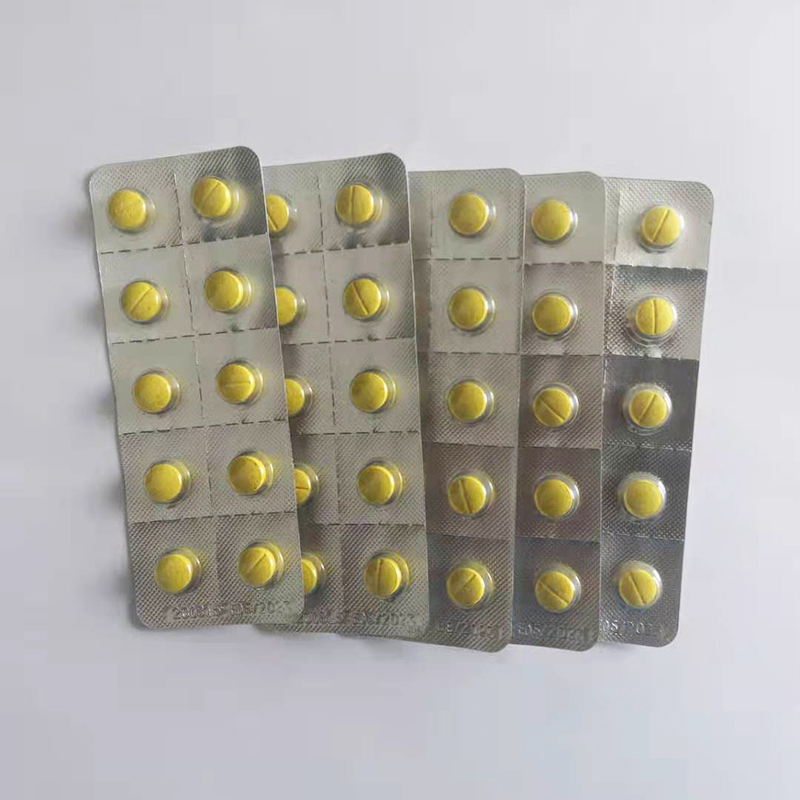
Advanced Nutrition Systems for animal food additives in the USA

Precision-engineered veterinary pharmaceutical solutions for high-yield livestock production across North America.

Advanced Nutrition Systems for animal food additives in the USA

Integrating pharmaceutical-grade additive technology with industrial-scale livestock feeding to maximize growth efficiency and animal health in the United States market.

The Current Landscape of U.S. Livestock Nutrition

Analyzing the intersection of large-scale industrial farming and strict FDA regulatory frameworks.

The United States livestock sector is currently defined by a shift toward "precision nutrition." With the vast corn belt providing ample raw materials, the focus has moved from bulk calorie intake to the optimization of compound feed that reduces environmental impact while maintaining high productivity.

Climatic diversity across the Midwest and South requires adaptive feeding strategies. Farmers are increasingly relying on specialized animal feed supplement products to combat heat stress in cattle and optimize nutrient absorption in poultry during seasonal transitions.

Regulatory pressure from the FDA regarding antibiotic growth promoters (AGPs) has forced a manufacturing pivot toward probiotic and enzyme-based additives. This transition ensures that the U.S. meat supply remains competitive and compliant with evolving global safety standards.
Evolution of Feed Manufacturing Technology

From traditional bulk mixing to pharmaceutical-grade precision delivery.

Market Development History

In the early 2000s, the U.S. market relied heavily on generic bulk mixing. The primary goal was volume, with basic minerals added to standard corn and soy bases to create rudimentary chicken feed.

Between 2010 and 2020, the industry entered the "Fortification Era." The introduction of micro-encapsulation technology allowed for the stable delivery of vitamins and amino acids, leading to the rise of high-potency cattle feed concentrate.

Since 2021, the trajectory has shifted toward "Bio-Active Integration," where feed is treated as a delivery vehicle for veterinary medicine, focusing on gut microbiome health and immune system modulation through targeted additives.

Future Development Trends

AI-Driven Formulation

Integration of real-time sensor data from livestock to adjust nutrient ratios dynamically within the manufacturing line.

Sustainable Protein Alternatives

Replacing traditional soy-based proteins with insect-based or lab-grown alternatives to reduce the carbon footprint of U.S. agriculture.

Nano-Nutrient Delivery

Utilizing nanotechnology to ensure 100% bioavailability of critical trace minerals, reducing waste and runoff into local water systems.

Strategic Outlook for American Feed Pharmacy

Anticipating the technological shifts in the North American veterinary manufacturing sector.

Regenerative Nutrition
Moving beyond growth to focus on cellular regeneration and long-term animal longevity.
Pharma-Feed Convergence
Blurring the line between feed additives and preventative medicine to reduce disease outbreaks.
Zero-Waste Synthesis
Developing additive coatings that prevent nutrient leaching into the soil.
Genomic Matching
Customizing feed formulations based on the genetic markers of specific breed populations.

Industry Outlook

The next 3-5 years will see a surge in "Smart-Feed" systems. According to search trend logic, there is an increasing demand for transparent supply chains and "Clean Label" animal nutrition in the U.S. consumer market, which will drive manufacturers toward organic-certified additives.

We expect the integration of biotechnology and traditional pharmaceutical manufacturing to create highly targeted nutrient delivery systems that reduce the overall cost of production while increasing the health resilience of livestock against emerging zoonotic threats.

Localization Application Scenarios in the USA

Real-world implementation of high-performance nutrition across different American agricultural zones.

01. Industrial Poultry Farms in Georgia

Implementing high-efficiency chicken feed solutions that integrate hepatic protectors to ensure rapid growth without compromising liver health in high-density environments.

02. Beef Cattle Feedlots in Texas

Applying specialized cattle feed concentrate designed for heat stress mitigation, utilizing electrolytes and rumen-protected lipids to maintain weight gain during summer peaks.

03. Dairy Operations in Wisconsin

Deploying advanced animal feed supplement protocols that optimize calcium and phosphorus ratios to prevent milk fever and increase lactation yields.

04. Organic Hog Farms in Iowa

Integrating natural animal food additives such as essential oils and organic acids to replace traditional antibiotics while maintaining gut integrity.

05. Regional Feed Mills in the Midwest

Providing pharmaceutical-grade premixes for compound feed production, ensuring homogenous distribution of micronutrients across multi-ton batches.

Brand Story

The Global Development Journey of Shijiazhuang Pengniu Import and Export Trade Co., Ltd.

Foundational Excellence

Established with a vision to bridge the gap between pharmaceutical precision and agricultural scale, focusing on the core chemistry of animal nutrition.

Global Expansion

Expanding our footprint into the North American market by aligning our manufacturing standards with FDA and GMP requirements.

Technological Breakthrough

Developing proprietary stabilization technologies that prevent the degradation of sensitive vitamins in high-temperature pelleting processes.

Sustainability Pivot

Committing to eco-friendly sourcing and reducing the chemical waste associated with additive synthesis.

Future Vision

Aiming to become the primary strategic partner for U.S. livestock producers through AI-integrated nutritional consulting.

Comprehensive Nutrition Portfolio for the United States

A full spectrum of veterinary-grade additives and concentrates tailored for North American livestock.

Common Questions on U.S. Feed Manufacturing

Expert answers to the most frequent technical inquiries from North American producers.

How does high-quality chicken feed impact broiler conversion rates?

Precision-balanced feed improves the Feed Conversion Ratio (FCR) by ensuring amino acid profiles match the growth stage, reducing waste and accelerating time-to-market.

What are the benefits of using a cattle feed concentrate over bulk minerals?

Concentrates provide a stabilized, homogenous blend of micro-nutrients, preventing "selective eating" and ensuring every animal receives the exact dosage required.

Are these animal feed supplements compliant with FDA regulations?

Yes, our pharmaceutical-grade manufacturing process follows strict quality control guidelines to meet North American safety and efficacy standards.

Can animal food additives reduce the need for antibiotics in swine?

By using organic acids and probiotics, we strengthen the gut mucosal barrier, which naturally reduces pathogen colonization and lessens dependency on AGPs.

How is compound feed stability maintained during long-distance transport?

We utilize advanced encapsulation and moisture-control packaging to prevent oxidation and nutrient degradation during transit across the U.S.

What is the ideal integration method for liquid additives in industrial mixers?

We recommend a dual-stage spraying system that applies liquid additives after the primary grinding phase to ensure maximum surface coverage of the feed particles.

Consult Our Veterinary Nutrition Experts

Ready to optimize your livestock productivity in the United States? Our technical team is standing by to provide customized formulation support.

Contact Us Now

If you are interested in our products, you can choose to leave your information here, and we will be in touch with you shortly.