Managing the operational costs of a poultry farm requires a delicate balance between nutrition quality and expenditure. Among the various inputs, the procurement of specialized additives and nutrient mixes often presents the most volatility in budgeting.
Market fluctuations in raw material costs, coupled with the increasing demand for high-efficacy additives, make it challenging for producers to predict the premix for poultry feed price over a full production cycle. Understanding the drivers behind these costs is essential for maintaining profit margins without compromising bird health.
This report examines the technical and economic factors influencing the cost of poultry premixes and provides a framework for evaluating the value proposition of different additive categories.


The cost of a poultry premix is not a static figure but a reflection of raw material volatility. Prices are heavily influenced by the global cost of vitamins, essential amino acids, and trace minerals. When the supply chain for a specific vitamin—such as Vitamin A or E—is disrupted, the ripples are felt immediately across the pricing of premixed feeds.
Furthermore, the level of purity and bioavailability of the ingredients plays a critical role. High-bioavailability minerals cost more to produce but reduce the total amount required in the feed, potentially lowering the overall feed conversion ratio (FCR) and improving the net return on investment.
A professional poultry premix is a complex synergy of micronutrients designed to fill the nutritional gaps of basal feed. The technical design focuses on stability; for instance, preventing the oxidation of fat-soluble vitamins during the pelleting process. This requires the use of specialized coatings or stabilizers, which adds to the technical cost but ensures the bird receives the intended dosage.
Beyond basic vitamins, modern premixes often integrate herbal extracts and organic acids to enhance gut health. These components act as natural growth promoters, reducing the dependency on synthetic chemicals. The integration of such specialized herbal medicines for animals requires rigorous R&D and clinical validation, which is reflected in the premium pricing of these advanced formulations.
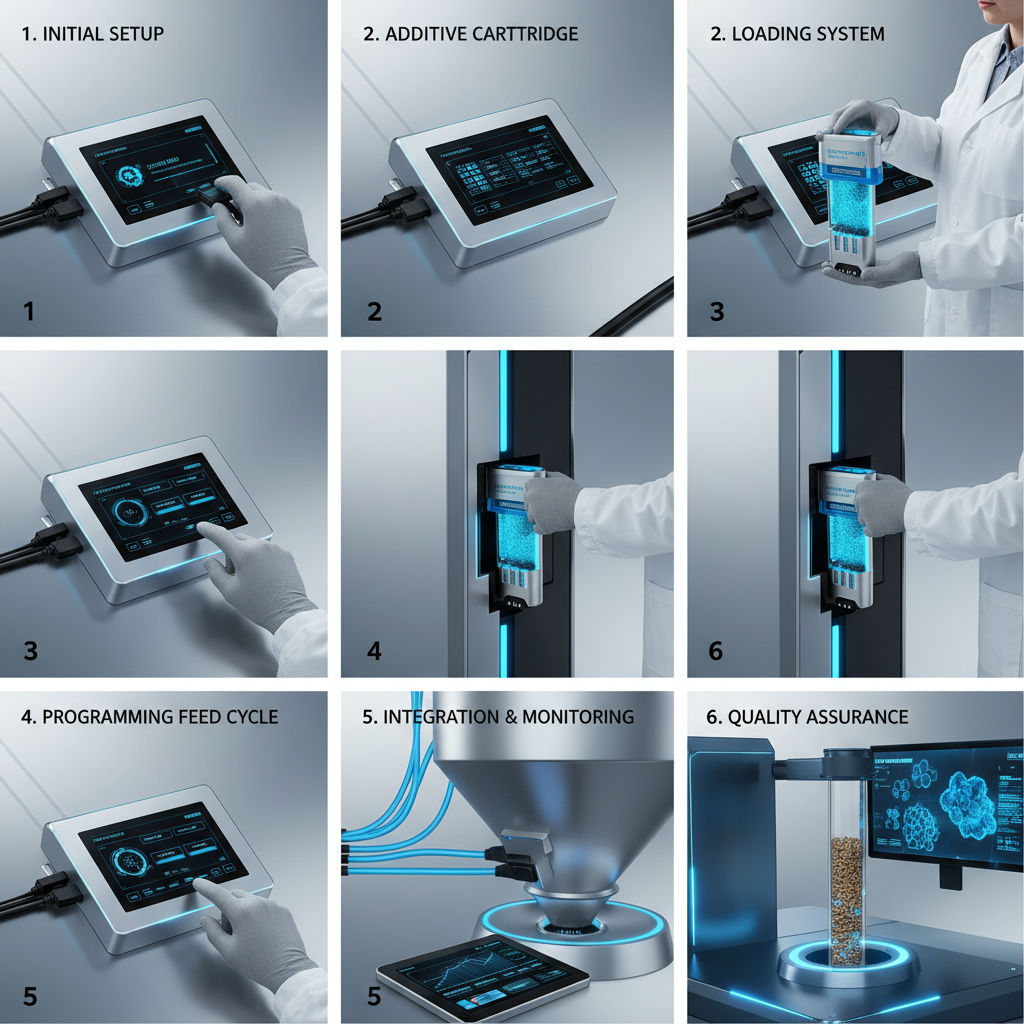
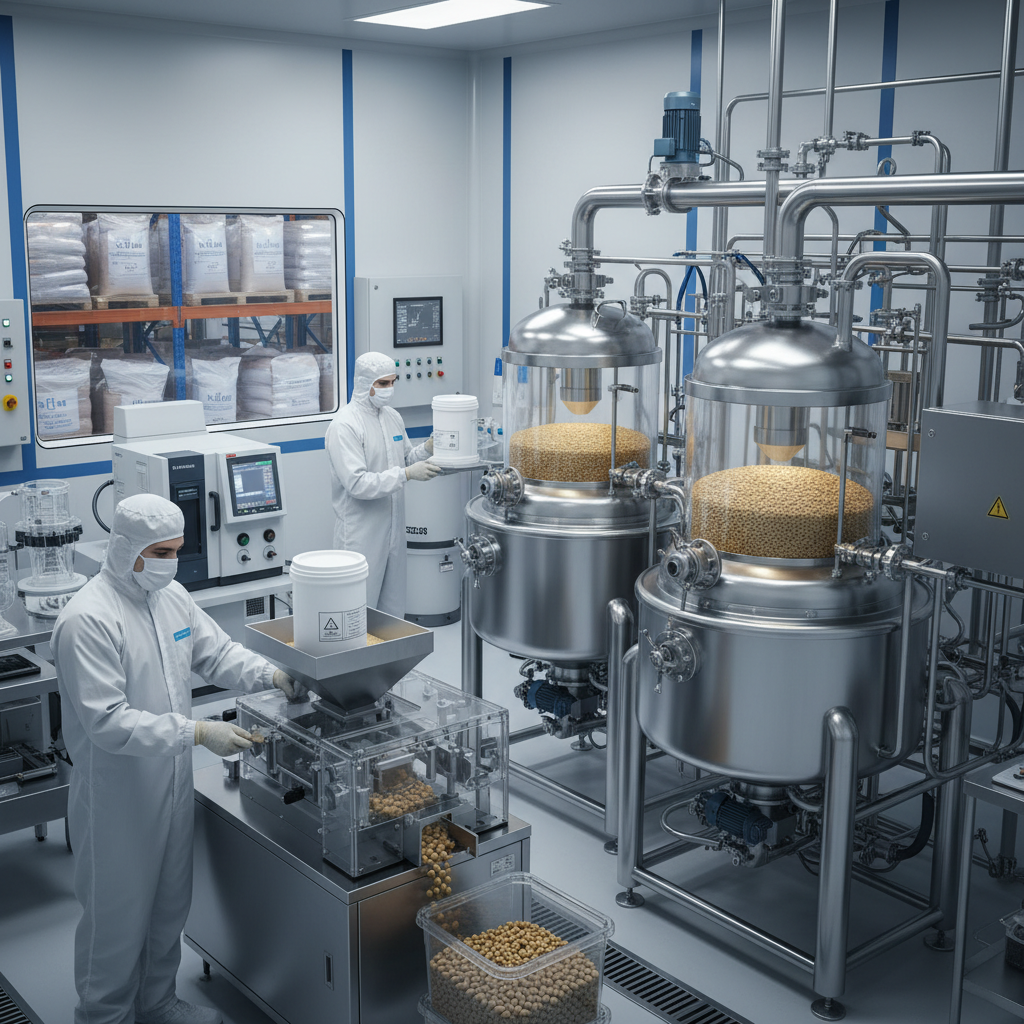
The manufacturing process itself—ensuring a homogeneous mix where every gram of feed contains the exact proportion of micronutrients—requires high-precision equipment. Companies that invest in advanced blending technology can offer more consistent products, reducing the risk of nutrient toxicity or deficiency in the flock.
When evaluating the total cost of poultry health, one must look beyond the base premix price to include targeted veterinary medicines. For example, coccidiosis remains a primary threat to broiler productivity, necessitating the use of potent anticoccidials.
The true value of a medicinal additive is measured not by its purchase price per liter, but by its ability to prevent growth inhibition and mortality across the entire flock, thereby optimizing the overall cost per kg of meat produced.
Taking Toltrazuril Oral Solution 2.5% as an example, its efficacy against Eimeria spp. in both chickens and turkeys makes it a critical tool for disease management. With a precise composition of 25 mg of Toltrazuril per ml, it targets both schizogony and gametogony stages. While adding a pharmaceutical component increases the immediate cost, the prevention of "egg-drop" in layers or growth inhibition in broilers provides a clear economic justification.
To determine if a specific premix for poultry feed price is reasonable, producers should use a relative value index. This index compares the cost of the additive against the expected increase in weight gain or reduction in mortality.
For instance, a lower-cost premix that lacks stable vitamin carriers may lead to nutrient degradation, resulting in higher veterinary costs later in the cycle. Conversely, a high-tier premix with integrated gut-health boosters may reduce the need for separate medicinal interventions.
In a typical industrial setting, a manufacturer evaluating new feed suppliers must consider the lead time and the capability for OEM/ODM customization. For instance, a producer in the Mid-east or USA may require a specific mineral profile to compensate for local water quality or soil deficiencies. A supplier with its own factory can often finish orders more quickly and ensure quantity assurance, reducing the risk of feed gaps.
Furthermore, the integration of veterinary medicines like Toltrazuril into the water system rather than the feed premix is a common operational choice for targeted treatment. Administering 500 ml per 500 liters of drinking water over 48 hours allows for precise dosage (7 mg/kg body weight) and avoids the complexities of mixing pharmaceuticals into large-scale feed batches.
The industry is moving toward "precision nutrition," where premixes are adjusted in real-time based on the age and health status of the flock. This shift reduces waste and lowers the overall cost by avoiding the over-supplementation of expensive micronutrients.
There is also a growing emphasis on the synergy between traditional Chinese medicine and modern veterinary science. The cooperation between academic institutions and manufacturers to develop animal herbal medicines is creating a new category of "bio-premixes" that support immunity without the risk of antibiotic resistance.
As regulatory environments in the UK and Australia tighten regarding withdrawal times—such as the 18-day period for chickens and 21-day period for turkeys when using certain anticoccidials—the demand for transparent, certified, and traceable feed additives will drive the next wave of pricing adjustments.
Choosing a supplier for poultry premixes requires a structured evaluation that balances cost, technical support, and manufacturing capacity. A low unit price can be deceptive if the supplier cannot guarantee the stability of the vitamins or the purity of the minerals.
Expert producers typically look for a combination of research capabilities and production scale. A company that integrates R&D with its own factory can offer faster iterations of the formula and more reliable delivery schedules.
The following framework provides a relative suitability assessment for different types of supplier models based on typical producer needs.
| Supplier Type | Cost Flexibility | Technical Support | Customization (OEM) | Delivery Speed |
|---|---|---|---|---|
| Global Traders | Medium | Low | Low | Medium |
| Specialized Labs | Low | High | High | Low |
| Integrated Factories | High | Medium | High | High |
| Local Distributors | High | Low | Low | High |
| Research-Led Groups | Medium | High | Medium | Medium |
| Boutique Producers | Low | Medium | High | Low |
The price is primarily driven by the global market cost of raw micronutrients, including synthetic vitamins, amino acids, and chelated minerals. Additionally, the level of technical stabilization (coatings), the purity of ingredients, and the manufacturer's production scale influence the final cost. Logistics and regional regulatory requirements also play a secondary role in determining the landed price for the producer.
Evaluate the "cost per unit of gain." If a premium premix reduces the Feed Conversion Ratio (FCR) or lowers the mortality rate by even a small percentage, the savings in total basal feed and the increase in sellable weight often far outweigh the higher cost of the premix. Focus on bioavailability and stability rather than just the raw concentration of nutrients.
While some anticoccidials are feed-grade, many potent solutions like Toltrazuril 2.5% are designed for oral administration via drinking water to ensure precise dosage and rapid absorption. Mixing pharmaceuticals directly into large feed batches can lead to uneven distribution ("hot spots"), which may cause toxicity in some birds and under-dosage in others. Water-based administration is generally preferred for targeted treatment.
OEM (Original Equipment Manufacturing) is when a supplier produces a premix based on the buyer's exact provided formula. ODM (Original Design Manufacturing) is when the supplier uses its own R&D and clinical data to design a formula that meets the buyer's specific goals (e.g., faster growth or better eggshell quality), which the buyer then brands as their own. ODM requires a higher level of trust in the supplier's expertise.
Withdrawal times are critical for food safety. For instance, when using Toltrazuril, meat withdrawal periods are typically 18 days for chickens and 21 days for turkeys. Failing to observe these periods can result in chemical residues in the food chain. Producers must coordinate their medication schedule with the slaughter date to ensure all residues are cleared.
Herbal medicines are increasingly viable as complementary tools. While they may not always replace the concentrated potency of synthetic vitamins, they are excellent for supporting long-term immunity and gut health. This "integrative" approach often reduces the overall need for emergency veterinary interventions, potentially lowering the total cost of health management over the bird's lifetime.
Navigating the complexities of the premix for poultry feed price requires moving beyond a simple price-per-kilogram mentality. The intersection of nutritional science, pharmaceutical efficacy, and manufacturing reliability defines the actual value of the input.
By prioritizing bioavailability, observing strict withdrawal protocols for medications, and partnering with integrated manufacturers capable of customization, poultry producers can optimize both bird performance and economic sustainability in an increasingly volatile global market.