A field note on broiler starter premix and why the first 21 days decide everything
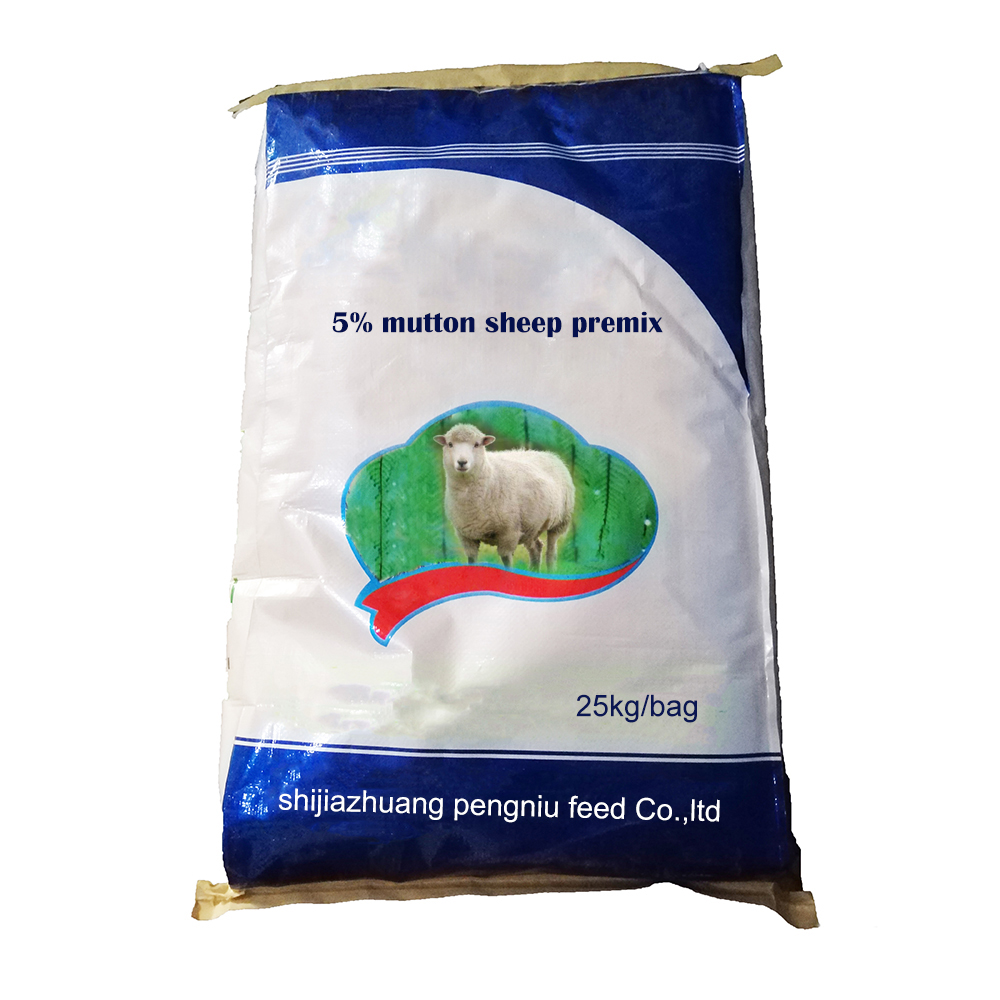
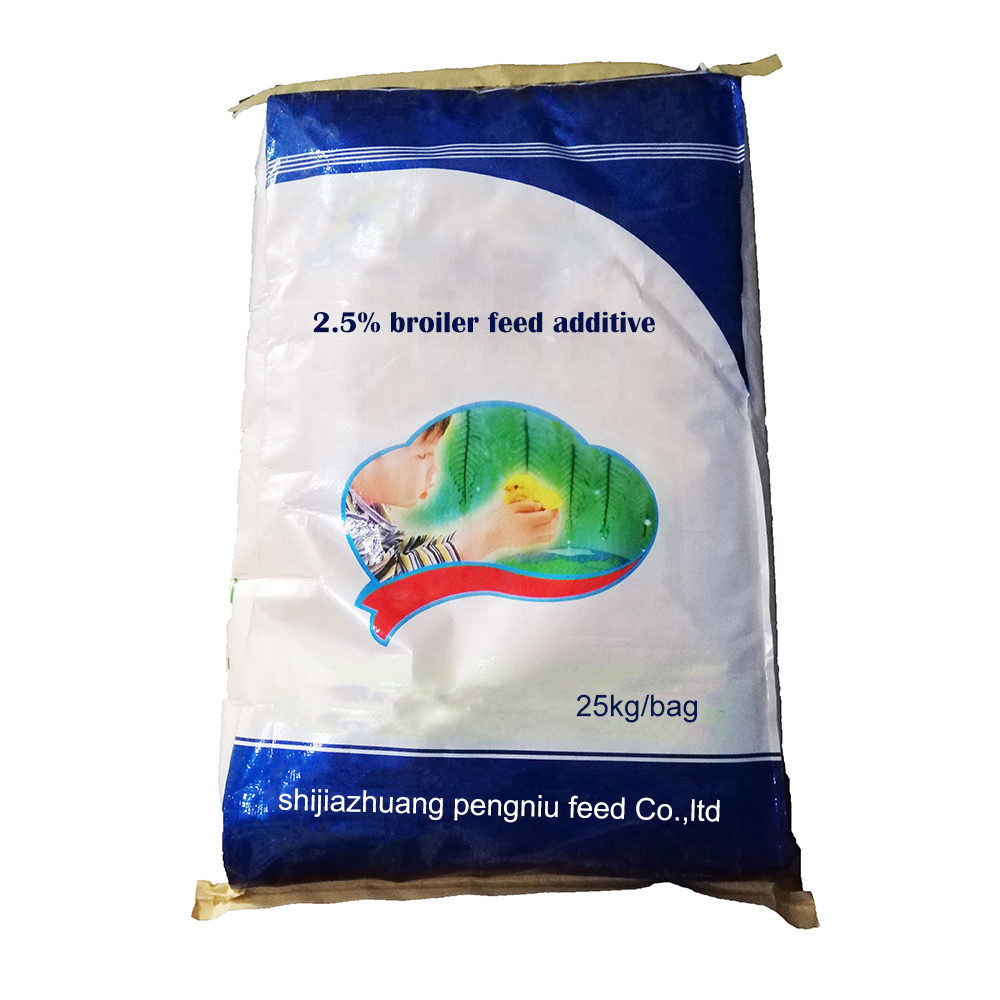
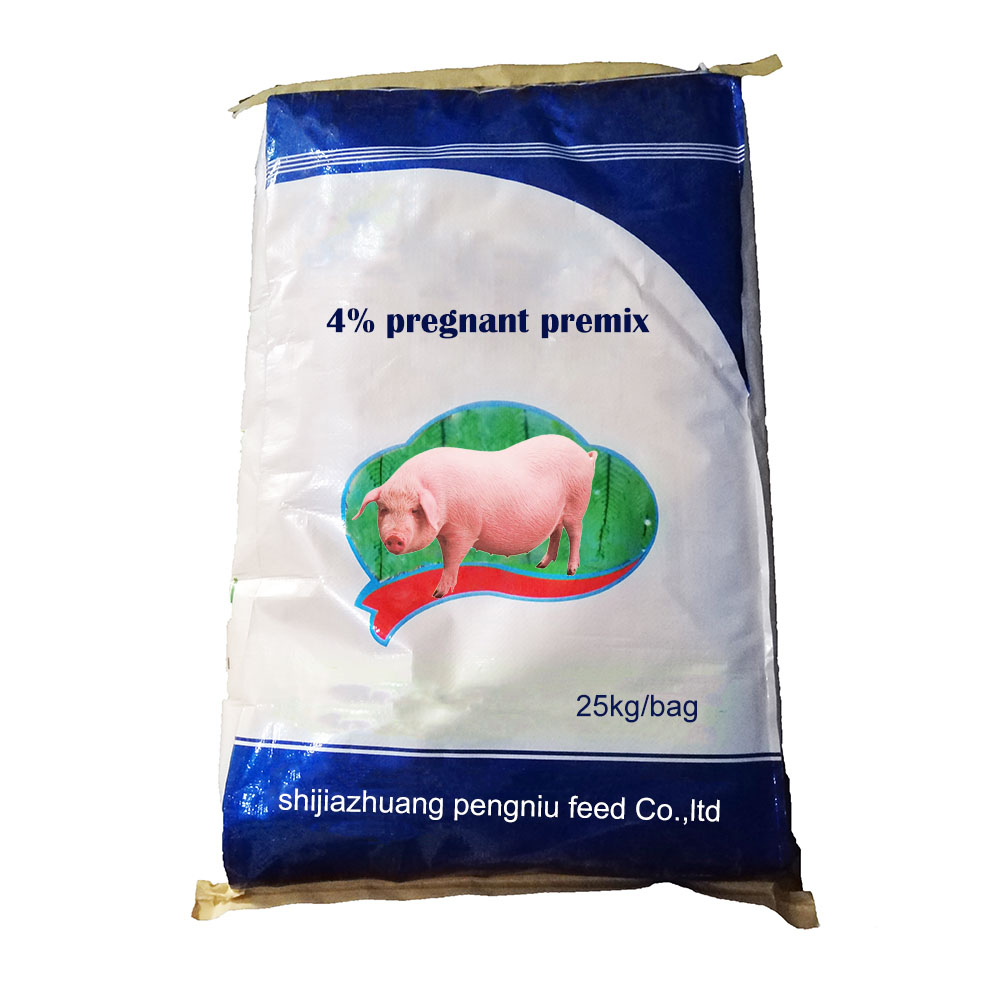
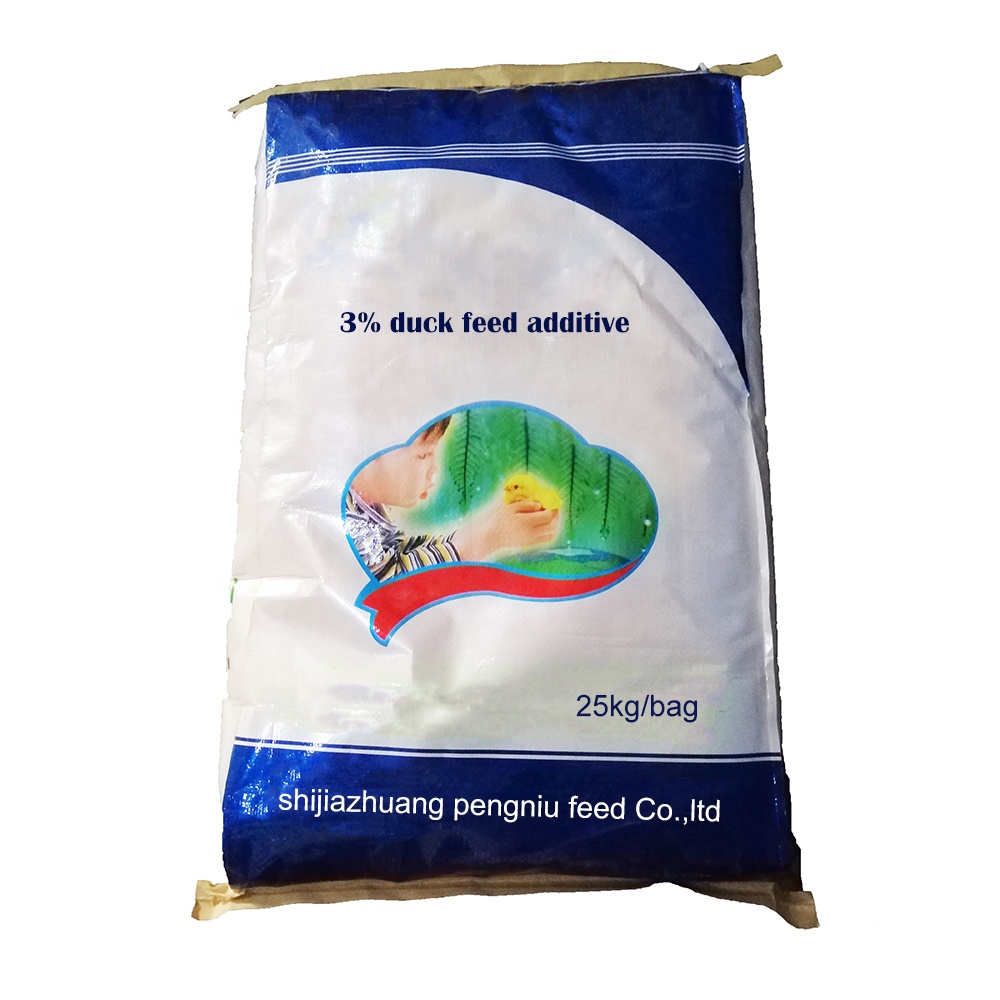
If you’ve ever watched starter chicks explode into uniform birds, you know the premix pulls more weight than its percentage suggests. The 5% Starter Broiler Feed Premix I’ve been testing—Product name: 5% starter broiler feed premix—comes from a plant at Room 2210, Building A, Yihongxia, 298 Zhonghuabei Street, Xinhua District, Shijiazhuang, Hebei, China. It’s built for early growth, immunity, and tidy conversion. And yes, to be honest, the details matter more than the label.
Industry snapshot: what’s changing
Starter-phase nutrition is going precision. Less crude “more vitamins,” more targeted: digestible amino acids, enzyme matrices (phytase, xylanase), chelated trace minerals, and tighter QC. Integrators chase lower FCR and better early livability; smaller farms want fewer mixes and clearer instructions. Many customers say they prefer one bag doing “the heavy lifting” without micromanaging salts and micros.
What’s inside (typical) and why it works
The 5% premix is designed to carry essential vitamins, minerals, and amino acids that young birds can actually use. In fact, the company states it improves feed efficiency and uniformity—nothing flashy, but consistently valuable.
| Parameter | Typical spec (≈) | Method / standard |
|---|---|---|
| Inclusion rate | 5% of complete starter feed | Label guidance |
| Vitamins | A, D3, E, K3, B-complex (balanced for 0–21 d) | NRC guidance [1] |
| Amino acids | DL-Met, L-Lys; threonine as needed | Formulation spec |
| Trace minerals | Zn, Mn, Fe, Cu, Se (partly chelated) | INAA / ICP, AOAC [3] |
| Enzymes (optional) | Phytase, xylanase for better ME & P release | Activity assays |
| Moisture | ≤10% | AOAC 934.01 |
| Particle size | ≈200–600 µm for uniform mixing | Sieve test |
| Shelf life | 12 months (cool, dry, dark) | Real-world use may vary |
Process flow and QC
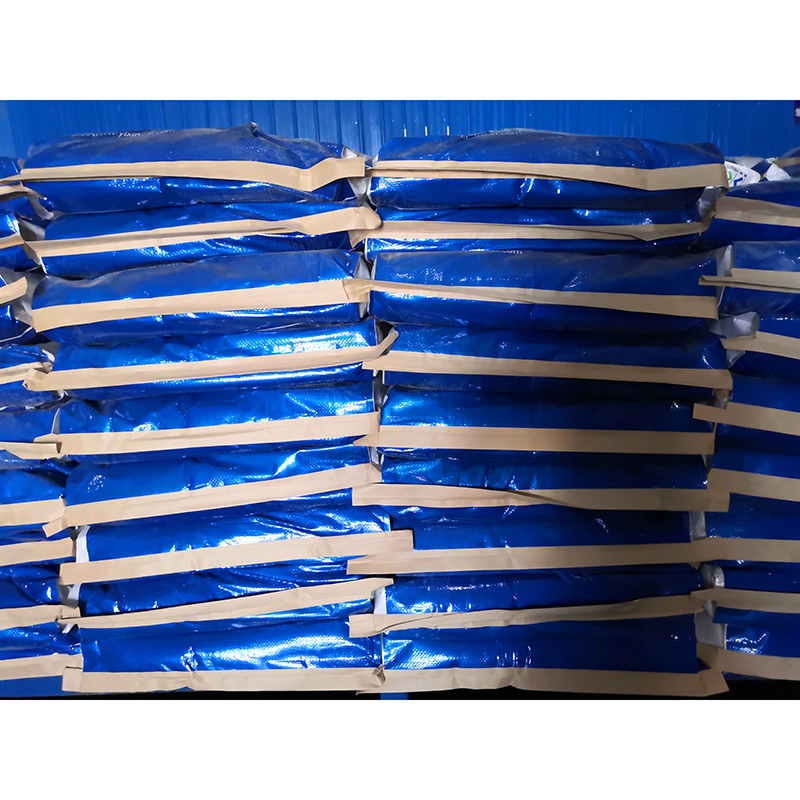
Materials are screened micro-ingredients plus carriers. Methods: batch micro-dosing, ribbon or paddle mixing (CV ≤5%), sifting, then packaging in 25 kg sacks. Testing standards include AOAC methods, ISO 17025 lab verification, and food-safety systems like ISO 22000/HACCP and GMP+ or FAMI-QS (depending on site) [3][4]. Service life is the starter window: day 0–21, sometimes up to 28 in slower programs.
How to use it (scenarios)
- Integrators: Pairs with corn–soy or wheat–soy starters; enzyme package helps when reformulating for cost.
- Independent farms: One-step mix; fewer micro handling errors; better uniformity (that’s what field techs like).
- Antibiotic-reduced programs: Pushes early immunity, often with vitamin E/Se synergy.
Advantages reported: improved FCR, tighter CV on body weight, cleaner litter (with enzymes), and a small but real mortality reduction. I guess results hinge on brooding, water quality, and grind size as much as the broiler starter premix itself.
Vendor comparison (indicative)
| Vendor | Certifications | Customization | Lead time | Price index (≈) | Notes |
|---|---|---|---|---|---|
| RC Petfood (this product) | ISO 22000/HACCP; GMP+ or FAMI-QS | High (amino/enzymes/mineral forms) | 10–18 days | $$ | Balanced specs for starter phase |
| Regional Mill A | HACCP | Medium | 7–14 days | $ | Value option; specs vary |
| Global Brand B | ISO 22000, FAMI-QS | High | 3–5 weeks | $$$ | Premium, longer logistics |
Indicative only; real-world use may vary by region, formulation, and season.
Field data and feedback
Case study (Southeast Asia, 60k birds): switching to this broiler starter premix cut FCR from 1.55 to 1.49 by day 35, ADG rose ≈3.2%, mortality dropped from 3.1% to 2.2%. Surprisingly, litter quality improved after adding phytase. Farmer comment: “Less sorting, better start.” Your mileage, of course, depends on brooding temp and water line management.
Customization tips
- Push DL-Met:Lys ratio tailored to your breed guide (Cobb/Ross) [2].
- Consider partial chelation (Zn, Cu) for wet litter farms.
- Enzyme pack if reformulating with higher phytate grains.
Final note: The best broiler starter premix won’t rescue poor brooding, but a precise 5% premix makes good management look even better.
Authoritative citations
- NRC. Nutrient Requirements of Poultry, 9th Ed. National Academies Press. https://nap.nationalacademies.org/catalog/2114/nutrient-requirements-of-poultry
- Cobb-Vantress. Broiler Performance & Nutrition Supplement. https://www.cobb-vantress.com/resource/
- AOAC International. Official Methods of Analysis. https://www.aoac.org/official-methods-of-analysis/
- ISO 22000 / HACCP and FAMI-QS guidance for feed safety management. https://www.iso.org/standard/65464.html and https://fami-qs.org/
Post time: October 27, 2025