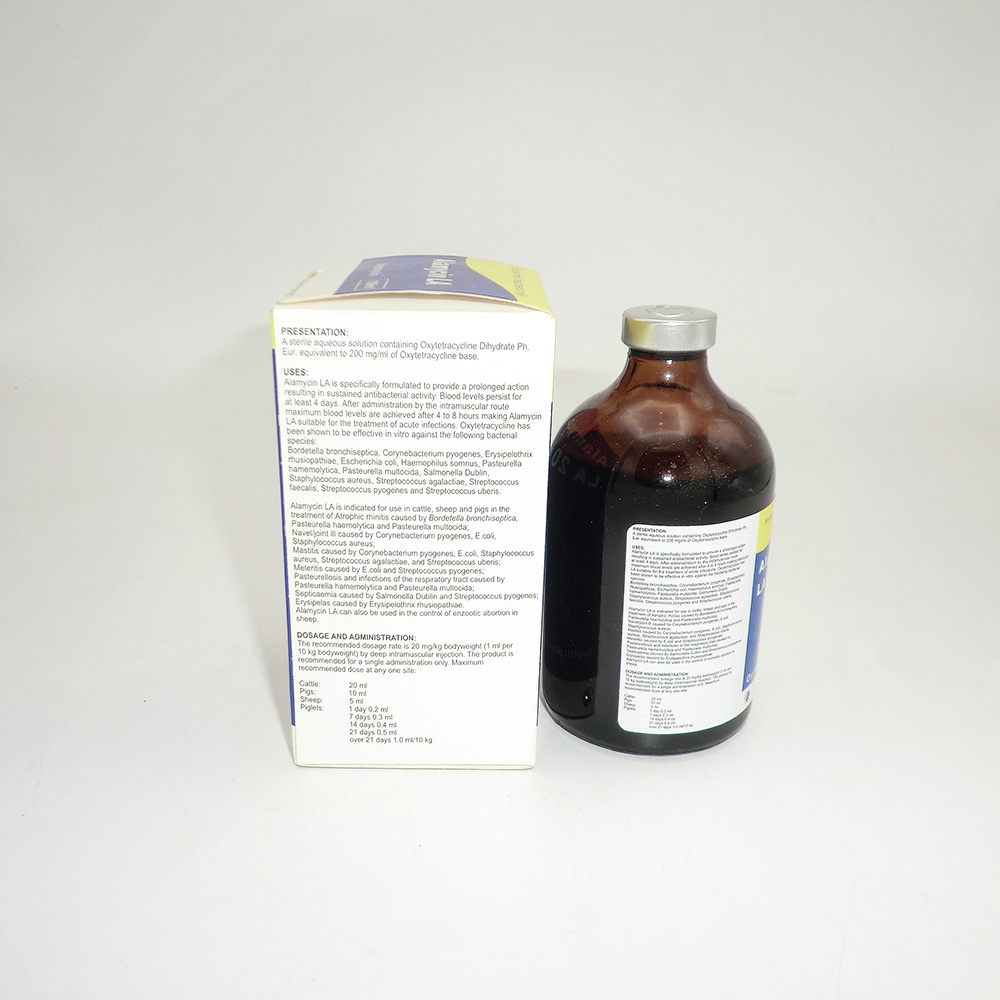
Understanding Ivermectin Injection for Animals: A Vital Tool for Global Animal Health
Ivermectin injection for animals isn’t just another veterinary product. It’s a cornerstone treatment that millions of farmers, veterinarians, and animal health workers worldwide rely on to control parasitic infections. Why does this matter? Well, parasite-driven diseases cause serious losses in livestock productivity, affect animal welfare, and can even impact human health by limiting food resources in vulnerable regions.
Having a solid grasp on what ivermectin injections do, how they work, and their global applications offers huge benefits — from improving rural livelihoods to supporting food security and sustainable agriculture. So let’s unpack what makes this treatment so indispensable.
Global Context: Why Ivermectin Injection for Animals Is a Worldwide Concern
Globally, over 1 billion people rely on livestock as a primary livelihood source — especially in developing regions of Africa, Asia, and Latin America (FAO, 2022). Parasites like gastrointestinal worms and external parasites wreak havoc on these animals, reducing meat, milk, and wool yields. The World Bank estimates that parasitic diseases can reduce animal productivity by as much as 20-30% in affected herds.
This challenge calls for effective treatments like ivermectin injection, which is recognized for its broad-spectrum efficacy. In places where veterinary healthcare access is spotty, such tools are vital to controlling endemic parasitic infestations and preventing epidemics that could jeopardize food supply chains.
That’s not to mention the importance of reducing parasite load to mitigate zoonotic risks, protecting human health indirectly. Some parasites carried by animals can jump to people, making this more than just an animal health issue.
What Is Ivermectin Injection for Animals?
In simple terms, ivermectin injection for animals is a veterinary medicine formulated to eliminate internal and external parasites such as worms, lice, and mites. Delivered by injection, this drug provides rapid absorption and effective distribution in the body, ensuring parasites are targeted deeply within tissues.
Pharmacologically, ivermectin works by disrupting the nervous system of parasites — paralyzing and ultimately killing them without harming the host. It’s part of the macrocyclic lactone class of antiparasitics, which have transformed modern veterinary practices since their introduction in the 1980s (Wikipedia, Ivermectin).
This treatment is essential not only in commercial farming but also in smallholder and pastoralist systems where parasite burden can mean the difference between subsistence and starvation.
Core Attributes of Quality Ivermectin Injection for Animals
1. Spectrum of Efficacy
A crucial facet is its wide-ranging activity against nematodes, arthropods, and ectoparasites. Farmers need solutions that don’t just fight one parasite but a spectrum, cutting down multiple infection sources at once.
2. Dosage Precision and Safety
Because injections deliver medication directly, dose accuracy matters. Overdosing risks toxicity; underdosing encourages resistance. Products must meet rigorous testing to guarantee consistent strength and purity.
3. Stability and Shelf Life
In many rural areas, cold chain facilities can be unreliable. Thus, ivermectin injections designed for thermal stability allow prolonged storage in diverse climates without losing potency.
4. Ease of Administration
Veterinarians and farmers alike prefer formulations that are simple to administer with minimal discomfort to animals. The needle size and viscosity influence acceptance.
5. Cost Efficiency
Ultimately, affordability without sacrificing quality determines widespread use. Bulk procurement or generic alternatives often help keep prices in reach for small-scale users.
Specifications at a Glance
| Property | Typical Value |
|---|---|
| Active Ingredient | Ivermectin |
| Dosage Form | Injectable Solution (1% w/v) |
| Route of Administration | Subcutaneous or Intramuscular |
| Target Species | Cattle, Swine, Sheep, Goats |
| Shelf Life | 24 months at 25°C (approx.) |
| Storage Conditions | Store in a cool, dry place, protected from light |
Mini takeaway: Choosing an ivermectin injection with proven efficacy and stability—plus safe and simple administration—makes a real difference on farms worldwide.
Real-World Applications: From Small Farms to Global Initiatives
In the pastoral lands of East Africa, where livestock are the backbone of economies, ivermectin injections help combat parasitic infestations that could devastate entire herds. NGOs and governments frequently distribute ivermectin to support community resilience during droughts or conflict-related food shortages.
Meanwhile, in the large-scale dairies of Europe and North America, regular ivermectin treatments are part of herd health programs aimed at maximizing milk yield and quality. Even in remote mountainous regions of Asia, veterinary outreach programs rely on this medicine to sustain animal health where parasite exposure is seasonal but intense.
Large international bodies like the Food and Agriculture Organization (FAO) endorse ivermectin use in their guidelines on animal disease control, highlighting its indispensable role in veterinary pharmacopeia.
Vendor Comparison: Leading Ivermectin Injection Products
| Feature | VetPharma | AgriCare | FarmVet |
|---|---|---|---|
| Concentration | 1% w/v | 1% w/v | 1% w/v |
| Shelf Stability | 24 months at 25°C | 18 months at 30°C | 20 months at 25°C |
| Price per ml | $0.80 | $0.75 | $0.85 |
| Administration Ease | Standard needle, low viscosity | Thin needle, slightly thicker solution | Wide needle, low viscosity |
| Geo Availability | Global | Asia, Africa | North America, Europe |
Mini takeaway: Selecting the right ivermectin injection means balancing cost, local availability, and ease-of-use—important factors that can shape outcomes.
Advantages & Long-Term Benefits
- Cost Savings: Reduces losses from parasite-induced illnesses that would otherwise cost money in treatment and lost productivity.
- Sustainability: Encourages healthier herds that need fewer antibiotics and contribute to food security.
- Improved Animal Welfare: Lesser parasite burdens improve quality of life and reduce suffering. That’s more than just economics — it’s ethical.
- Innovation Trust: Modern formulations ensure trusted efficacy, helping maintain herd performance and farmer confidence.
Emerging Trends & Innovations
Digital transformation is touching veterinary medicine, with gps-enabled herd health monitoring integrating drug usage reports to improve dosing accuracy for ivermectin injections. Plus, there’s growing interest in eco-friendly veterinary products — researchers explore biodegradable delivery systems to minimize environmental impact, especially in sensitive ecosystems.
There’s also talk about resistance management through combination therapies, a vital development since parasite resistance to ivermectin, though not widespread, could become a serious problem if vigilance lapses (WHO, 2023).
Challenges and Smarter Solutions
Despite ivermectin’s benefits, challenges remain. Poor storage conditions, unauthorized drug use, and incorrect dosing can reduce effectiveness and spur resistance. Plus, some parasites have life cycles or habitats less accessible to injected drugs.
The way forward includes farmer education programs, better supply chain controls, and integrated parasite management approaches that combine ivermectin dosing with pasture rotation and breeding parasite-resistant livestock. The big picture always calls for a multi-layered strategy.
FAQs About Ivermectin Injection for Animals
- Q: How often should ivermectin injections be administered in cattle?
- A: Typically, treatments occur every 3-6 months, depending on parasite risk and vet recommendations. Overuse can cause resistance, so follow guidelines closely.
- Q: Are ivermectin injections safe for all breeds?
- A: Most breeds tolerate ivermectin well, but some dog breeds (like Collies) may be sensitive. For livestock, consult a vet to ensure species-specific safety.
- Q: Can I use ivermectin injection for external parasites like lice?
- A: Yes, it is effective against many external parasites, but some may require combined treatment strategies.
- Q: How should I store ivermectin injections?
- A: Store in a cool (preferably below 25°C), dry place, away from direct sunlight. Proper storage preserves drug potency and safety.
- Q: Where can I purchase quality ivermectin injections?
- A: Reliable veterinary distributors or suppliers like ivermectin injection for animals ensure product authenticity and quality.
In Conclusion
Ivermectin injection for animals is more than just a veterinary medicine—it’s a lifeline, especially for those whose economies and food security depend on healthy livestock. It blends powerful science, accessible delivery, and practical application to safeguard animal and human wellbeing worldwide. With ongoing innovation and responsible use, it will continue to be an essential part of animal health strategies.
If you’re looking for trusted, high-quality veterinary products including ivermectin injections, why not take a moment to visit our website? We’re committed to supporting you with expert insights and reliable solutions.
I suppose it’s reassuring to know that behind every vial of ivermectin, there’s a world of care and science working to protect life at the very roots of agriculture.
References
Post time: December 3, 2025