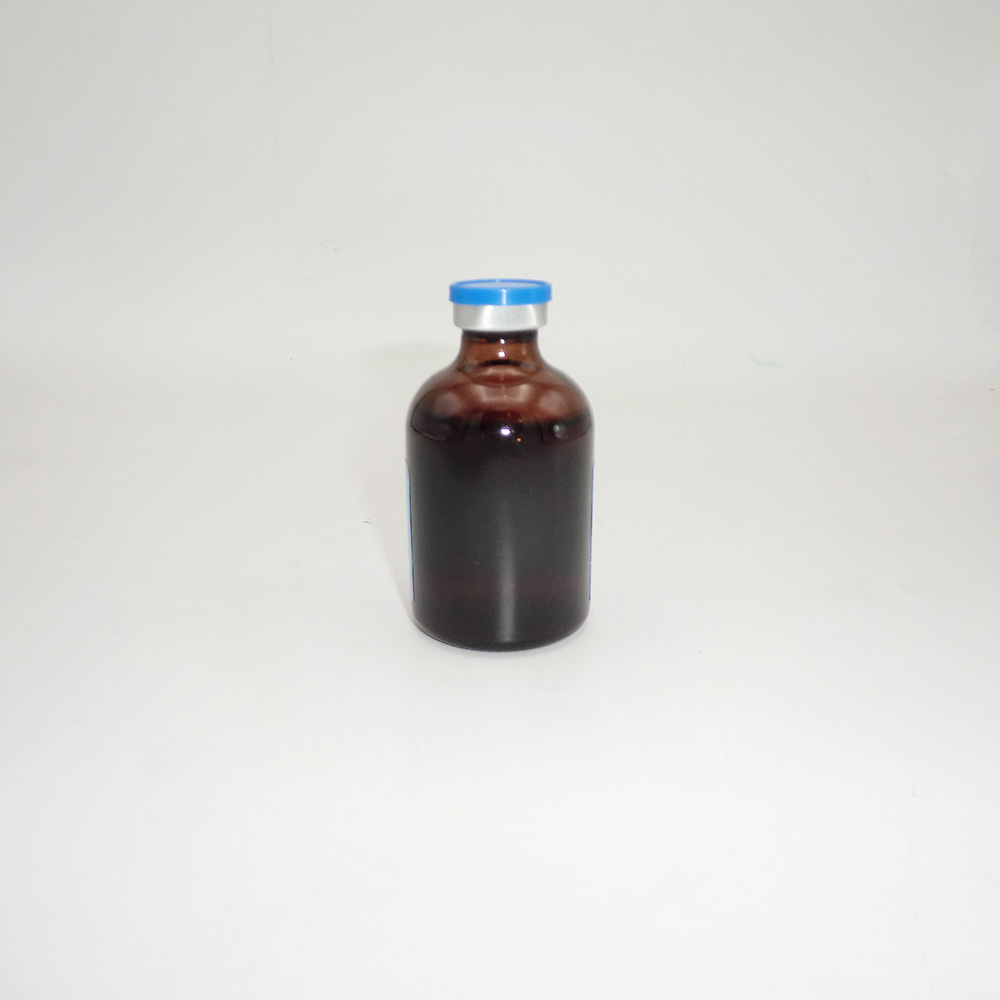
Understanding Ivermectin Injection for Pigs: A Global Veterinary Asset
Ivermectin injection for pigs isn’t just another veterinary drug; it plays a crucial role in animal health management worldwide. This antiparasitic treatment helps control a wide range of internal and external parasites that affect pigs, safeguarding their health and improving productivity. Given the significant role of pig farming in global food security and rural economies, understanding ivermectin injections is more than veterinary jargon; it’s about sustaining livestock welfare and the livelihoods of millions.
Introduction: The Global Context of Ivermectin Injection for Pigs
Livestock farming accounts for an estimated 40% of global agricultural GDP, and pigs represent a major part of this sector, especially in Asia, Europe, and parts of the Americas. According to the Food and Agriculture Organization (FAO), parasitic infections in pigs lead to significant economic losses—reduced weight gain, increased feed conversion ratios, and sometimes mortality.
Parasitic diseases have long plagued pig farming, challenging farmers everywhere, but especially in developing nations where veterinary resources are limited. This is where ivermectin injection for pigs has a particular impact, addressing these challenges by offering an effective, relatively easy-to-administer solution that supports animal health and productivity worldwide.
What Are Ivermectin Injections for Pigs?
Simply put, ivermectin injections are pharmaceutical preparations designed to deliver the drug ivermectin directly into pig tissues or muscle, typically via intramuscular or subcutaneous routes. Ivermectin is a broad-spectrum antiparasitic agent, highly effective against many internal worms—like roundworms and lungworms—and external parasites such as mites and lice.
The drug works by paralyzing and killing parasites, thus breaking their lifecycle and preventing further spread. This is essential in modern pig husbandry where parasite resistance and drug administration efficiency directly affect farm profitability and animal welfare.
Core Aspects of Ivermectin Injection for Pigs
1. Efficacy and Spectrum of Activity
Ivermectin targets a broad range of parasites, making it a versatile weapon in pig health management regimes. It’s particularly powerful against gastrointestinal nematodes, which are common in intensive farming systems.
2. Dosage and Administration
Clear dosage guidelines exist—generally 0.2 mg per kg of body weight. The injection route requires trained personnel to ensure accurate dosing and minimize stress or tissue damage, reinforcing the importance of veterinary expertise.
3. Safety Profile
For pigs, ivermectin is generally safe when administered as recommended. However, overdosing or off-label use can cause adverse effects, highlighting the balance between treatment efficacy and animal safety.
4. Cost Efficiency
Though injectable solutions can be more expensive than oral forms, they provide better bioavailability and faster action. For commercial farms, this translates to quicker recovery times and reduced parasite loads, which can lower overall treatment and management costs long-term.
5. Resistance Management
Repeated and improper use of ivermectin risks parasite resistance, a growing concern in the veterinary community. Strategic use, rotation with other drugs, and integrated parasite management strategies help extend the product’s usefulness.
Applications & Real-World Use Cases
- Asia: In countries like China and Vietnam, where smallholder pig farming is widespread, ivermectin injection is crucial for maintaining herd health against endemic parasites.
- Europe: Intensive pig farms in Germany and Spain use ivermectin injection within systematic health programs, often combined with other preventive measures.
- Africa: In regions with limited access to veterinary services, NGOs deploy ivermectin as part of animal health outreach, improving rural livelihoods.
- Relief Operations: Post-disaster scenarios often see parasitic outbreaks in livestock—ivermectin injections help stabilize pig populations quickly.
Overall, across varied geographical and farming contexts, ivermectin injections represent a frontline veterinary strategy to improve swine health.
Advantages and Long-Term Benefits
From a practical standpoint, ivermectin injection boosts pig growth rates and feed efficiency by controlling parasite burdens. It’s an economic win for farmers who rely on healthy animals. Psychologically, it also brings peace of mind—animal welfare is better assured, and public health risks from zoonotic parasites reduced. Sustainability wise, healthier pigs mean lower antibiotic reliance, assisting vital efforts against antimicrobial resistance.
Future Trends: Innovations on the Horizon
In the years ahead, we’re likely to see enhanced formulations of ivermectin, including slow-release injectables reducing treatment intervals. Digital veterinary tools will support precise dosing and track resistance. Some startups are even exploring nano-formulations to boost drug efficacy and minimize environmental impact. Naturally, this feeds into the broader movement towards greener, smarter livestock interventions.
Challenges and Contemporary Solutions
On the flip side, challenges persist. Resistance to ivermectin in some parasite populations is a growing threat. Also, limited veterinary access in rural or impoverished areas hinders proper administration. That’s where community veterinarian training and integrated parasite management programs come in—pairing ivermectin use with pasture rotation, hygiene, and alternative parasite control methods to keep efficacy high.
Product Specification Table: Ivermectin Injection (Example)
| Specification | Details |
|---|---|
| Active Ingredient | Ivermectin 1% w/v |
| Route of Administration | Intramuscular/Subcutaneous |
| Dosage | 0.2 mg/kg body weight |
| Shelf Life | 24 months (unopened) |
| Storage | Store below 30°C, avoid freezing |
| Withdrawal Period | 28 days for meat |
Vendor Comparison Table
| Vendor | Country of Origin | Price per 50ml | Purity (%) | Delivery Time |
|---|---|---|---|---|
| VetPharm Ltd. | Germany | $15.00 | 99.5 | 5-7 Days |
| AgriMed Co. | USA | $17.50 | 99.0 | 3-5 Days |
| FarmVet Supplies | India | $13.00 | 98.7 | 7-10 Days |
Frequently Asked Questions About Ivermectin Injection for Pigs
- How often should ivermectin injections be administered to pigs?
- Typically, ivermectin is given once every 3-6 months depending on parasite load, farm conditions, and veterinarian advice. Overusing it risks resistance, so tailored schedules work best.
- Is ivermectin safe for piglets or only adults?
- It’s safe for piglets over a certain weight (usually above 4 kg), but always follow dosage instructions carefully. Consult a vet for young or sick animals to avoid adverse effects.
- Can ivermectin injections be used alongside other veterinary treatments?
- Usually yes, but double-check for possible drug interactions. Ivermectin can coexist well with many vaccines and treatments, but vets must approve combined use to ensure safety.
- What withdrawal period should be observed before slaughter?
- The standard withdrawal is about 28 days to ensure drug residues clear from pig tissues, guaranteeing pork safety for consumers.
Conclusion
Ultimately, ivermectin injection for pigs is a cornerstone in modern swine health management—reducing parasite burdens, improving growth, and protecting livelihoods globally. It symbolizes how science and veterinary insights come together to sustain a vital agricultural sector.
If you’re interested to learn more about responsible ivermectin use or want to source quality veterinary medicines, visit our website: ivermectin injection for pigs.
Oddly enough, keeping parasites in check feels like one of those unseen battles that quietly shift the odds for farmers and food security alike.
References:
Post time: December 3, 2025