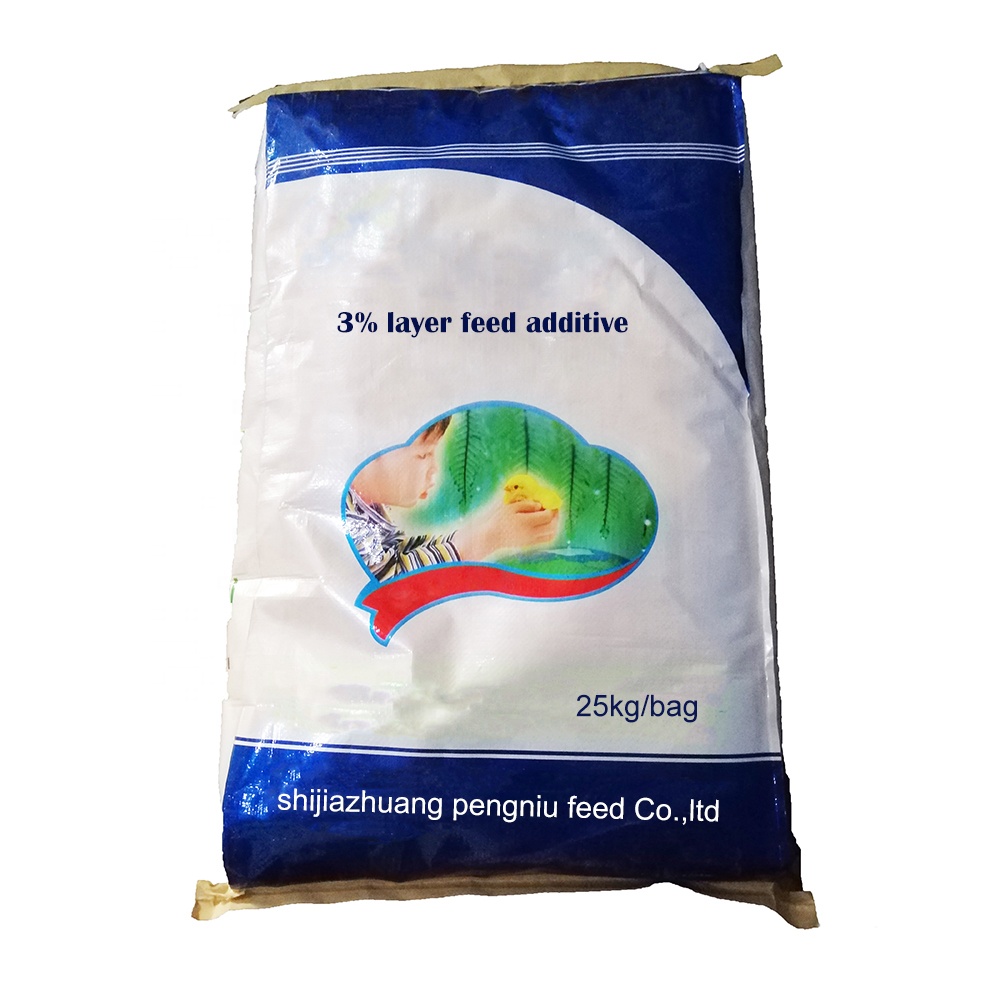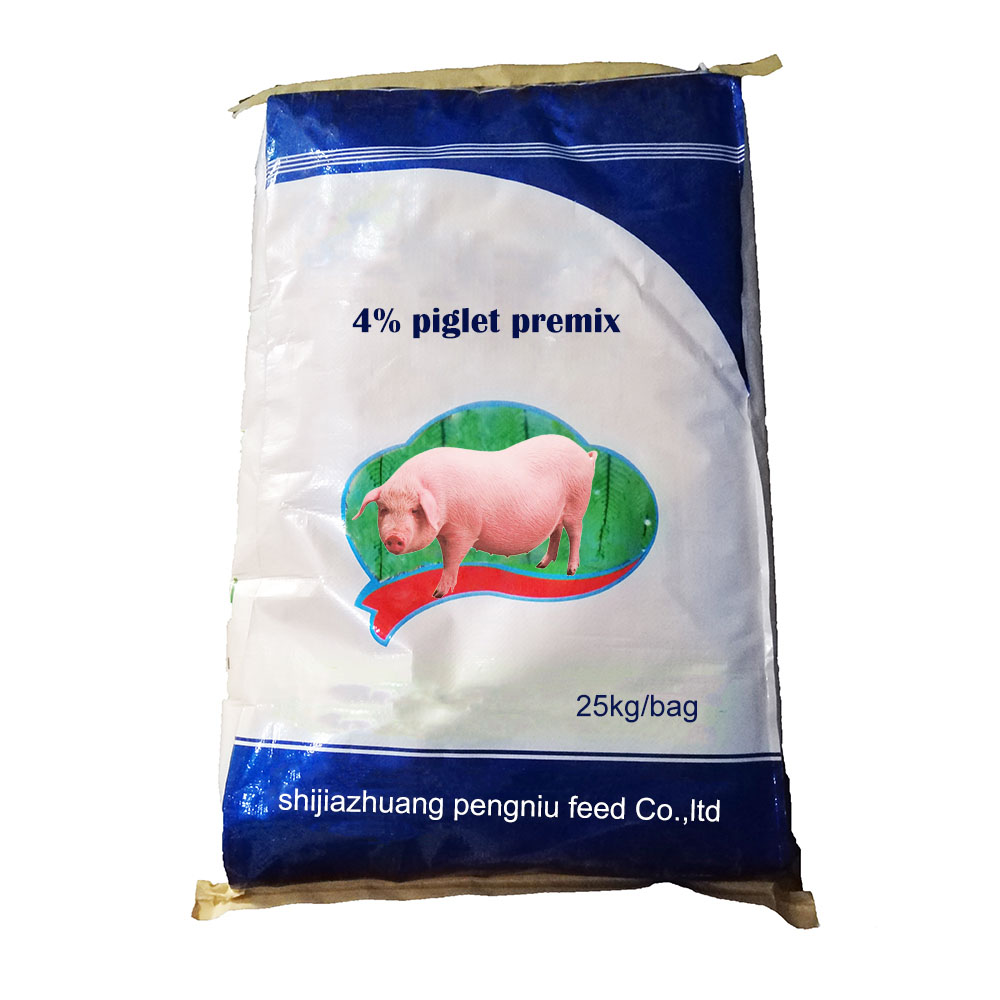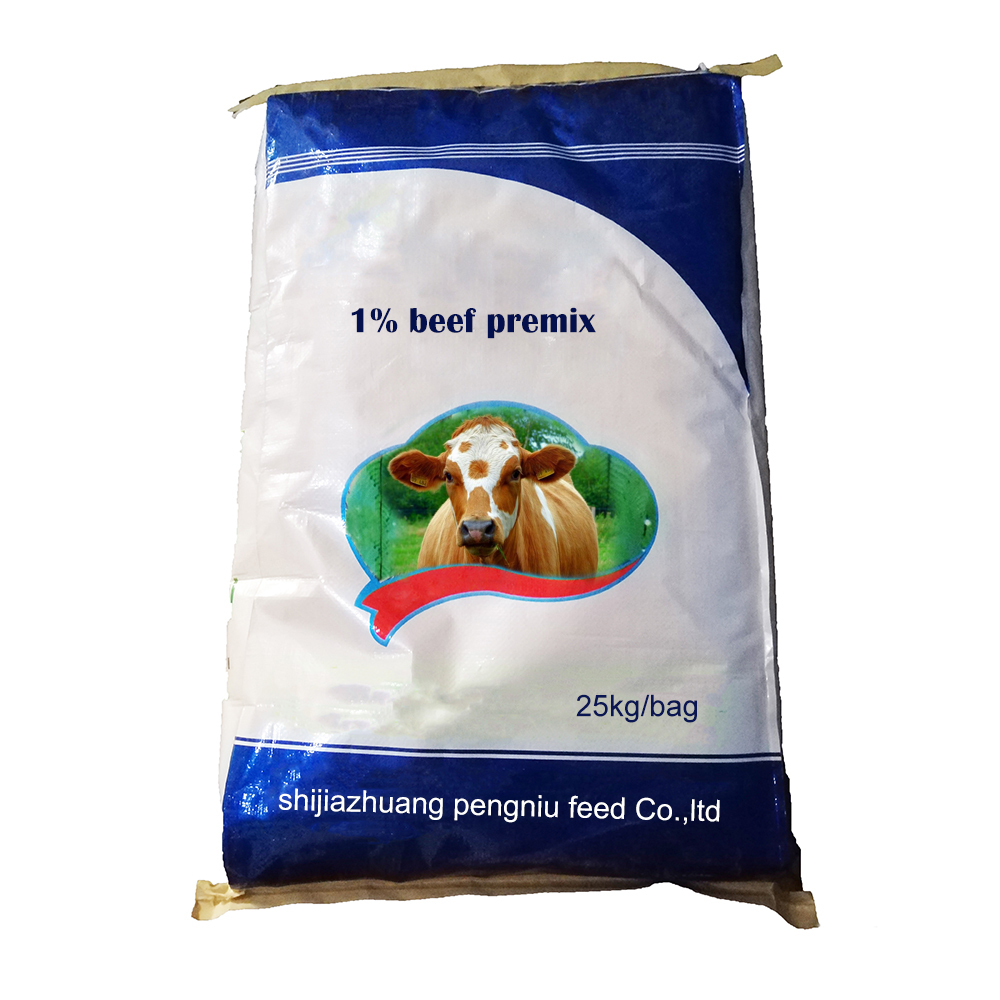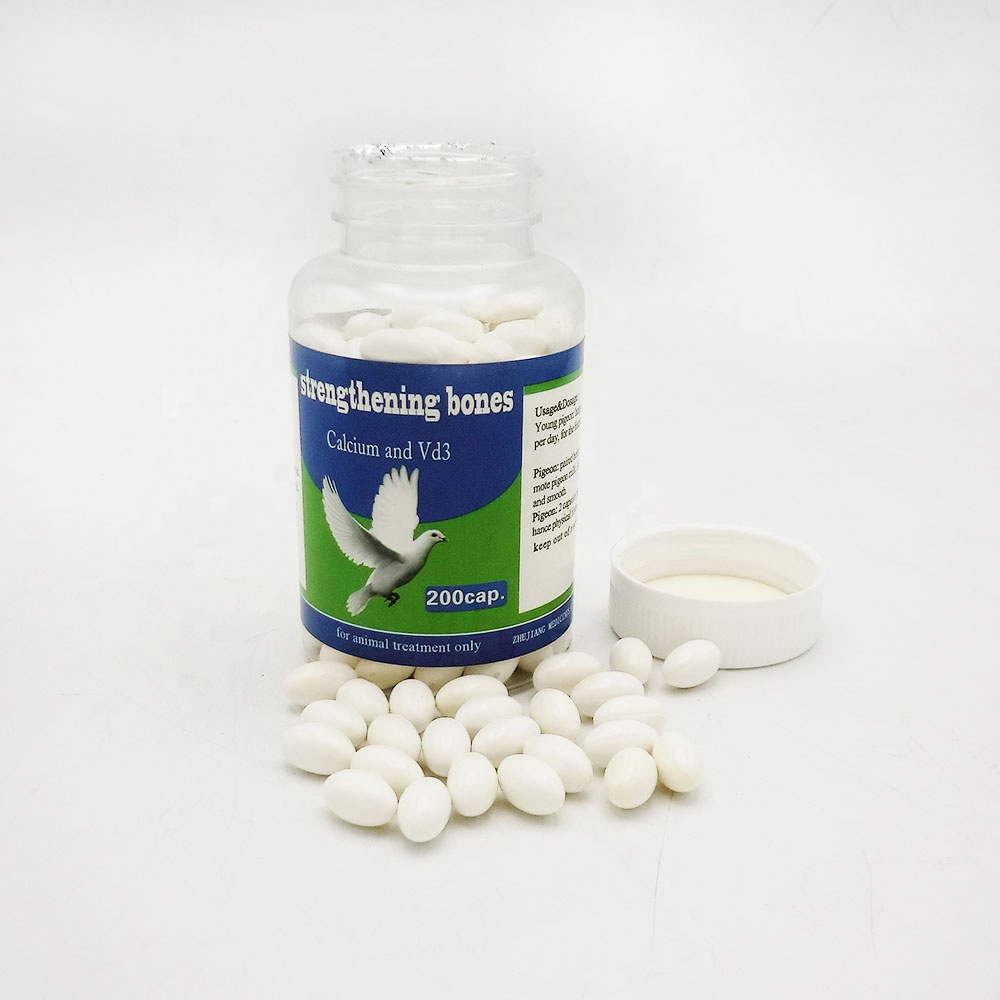
Understanding Vitamin Mineral Premix: A Key to Global Nutrition and Industry
In a world that’s growing ever more conscious of nutrition and sustainability, the humble vitamin mineral premix quietly plays an outsized role. But what exactly are these premixes, why do they matter on a global scale, and how do they shape industries ranging from agriculture to humanitarian aid? If you’ve ever pondered how food fortification or animal nutrition reaches optimal health benefits, this is your guide. We’ll unpack the core components, applications, future trends, and challenges in vitamin mineral premixes, all while peppering in practical insights and real-world reflections.
Why Vitamin Mineral Premix Matters Globally
Let’s set the stage: according to the World Health Organization, micronutrient deficiencies affect over 2 billion people worldwide, particularly in developing nations. These deficiencies stunt growth, impair cognitive function, and increase vulnerability to disease. On the flip side, industries like livestock farming rely heavily on micronutrients to optimize animal health and productivity, which ultimately impacts food security and economies.
Vitamin mineral premixes address these pressing issues by delivering a concentrated blend of essential vitamins and minerals that can be integrated seamlessly into food or feed. This makes them indispensable globally — from industrial-scale fortification projects led by governments to small-scale interventions in remote areas.
What Exactly Is a Vitamin Mineral Premix?
Simply put, a vitamin mineral premix is a specialized formulation containing a precise mix of vitamins (like A, D, E, B-complex) and minerals (such as zinc, iron, calcium) designed to be blended into food or animal feed. These blends are carefully crafted to ensure consistent quality and bioavailability — meaning the body or animal can effectively absorb them.
In modern industry, premixes are essential for food manufacturers aiming to fortify products to meet nutritional guidelines or specific dietary needs. In humanitarian contexts, they form part of emergency rations or supplementation programs to mitigate malnutrition risks in vulnerable populations.
Key Components That Matter in Vitamin Mineral Premixes
1. Composition Accuracy
The backbone of any premix is precise formulation. Tiny variations can cascade into significant nutritional imbalances. Suppliers often adhere to ISO standards to ensure ingredient purity and compliance.
2. Stability and Shelf Life
Many vitamins, especially A and C, degrade quickly when exposed to heat, moisture, or light. Premixes undergo rigorous stability testing — often accelerated aging tests — to guarantee nutrients remain effective through storage and distribution, particularly crucial in tropical regions.
3. Compatibility with Food or Feed Matrices
Premixes must mix evenly without altering texture or taste adversely. The carrier (often starch or maltodextrin) helps disperse nutrients uniformly, allowing flexibility across diverse products — from bakery items to livestock pellets.
4. Safety and Regulatory Compliance
Traceability and adherence to local and international food safety regulations prevent contamination and ensure consumer protection. This factor becomes critical when scaling the premix for exports or humanitarian relief shipments.
5. Cost Efficiency
Producers often balance nutrient quality and economic viability, especially in low-margin sectors like staple food products or mass animal husbandry. Efficient premixes optimize raw ingredient sourcing without compromising efficacy.
Typical Product Specification Table for Vitamin Mineral Premix
| Specification | Typical Range / Value | Unit | Notes |
|---|---|---|---|
| Vitamin A | 800,000 – 1,000,000 | IU/kg | Fat soluble, sensitive to light |
| Vitamin D3 | 200,000 – 250,000 | IU/kg | Regulates calcium absorption |
| Vitamin E | 4,000 – 5,000 | mg/kg | Antioxidant properties |
| Iron (Fe) | 50,000 – 60,000 | mg/kg | Essential mineral |
| Zinc (Zn) | 25,000 – 30,000 | mg/kg | Supports immune function |
| Carrier (e.g., starch) | 60,000 – 90,000 | mg/kg | To aid dispersion |
Global Applications and Use Cases of Vitamin Mineral Premix
Vitamin mineral premixes show up in places you might not immediately imagine. For example:
- Food Fortification Programs: Governments in India and Nigeria incorporate premixes into wheat flour and salt to combat anemia and vitamin A deficiency, respectively.
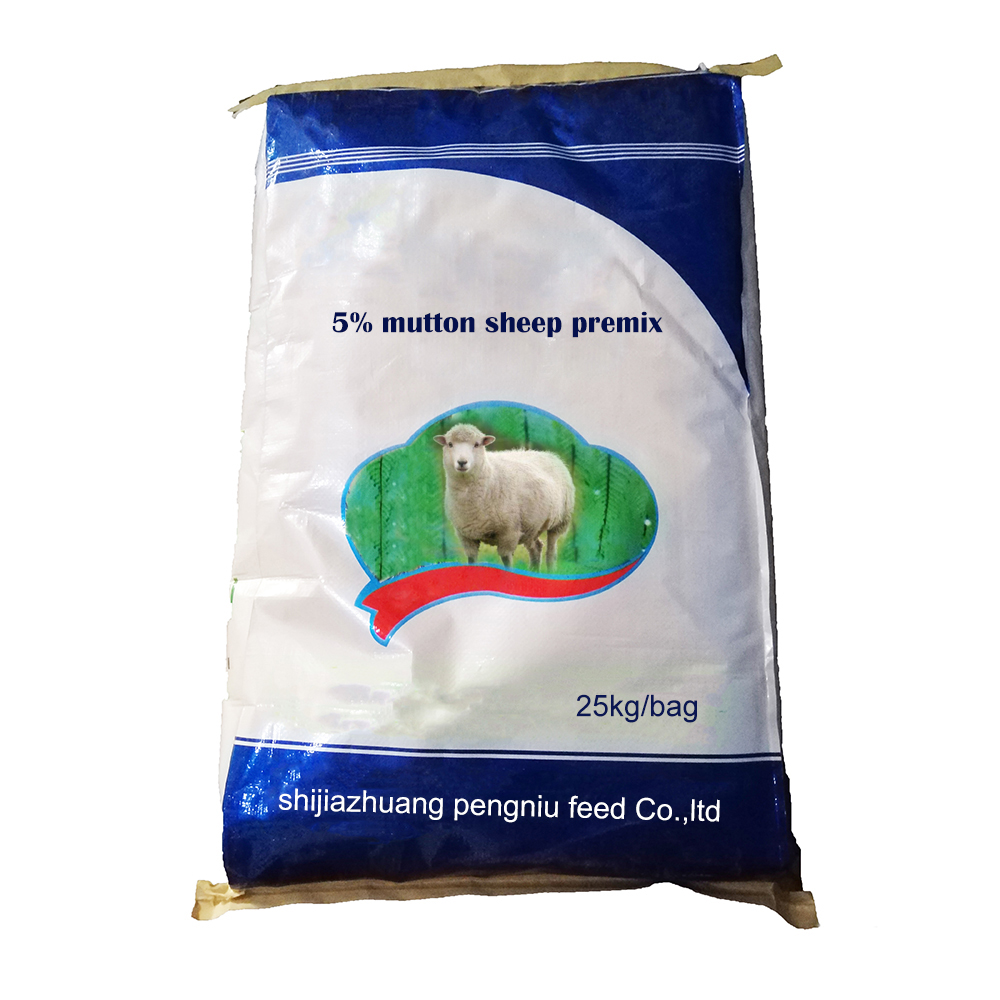
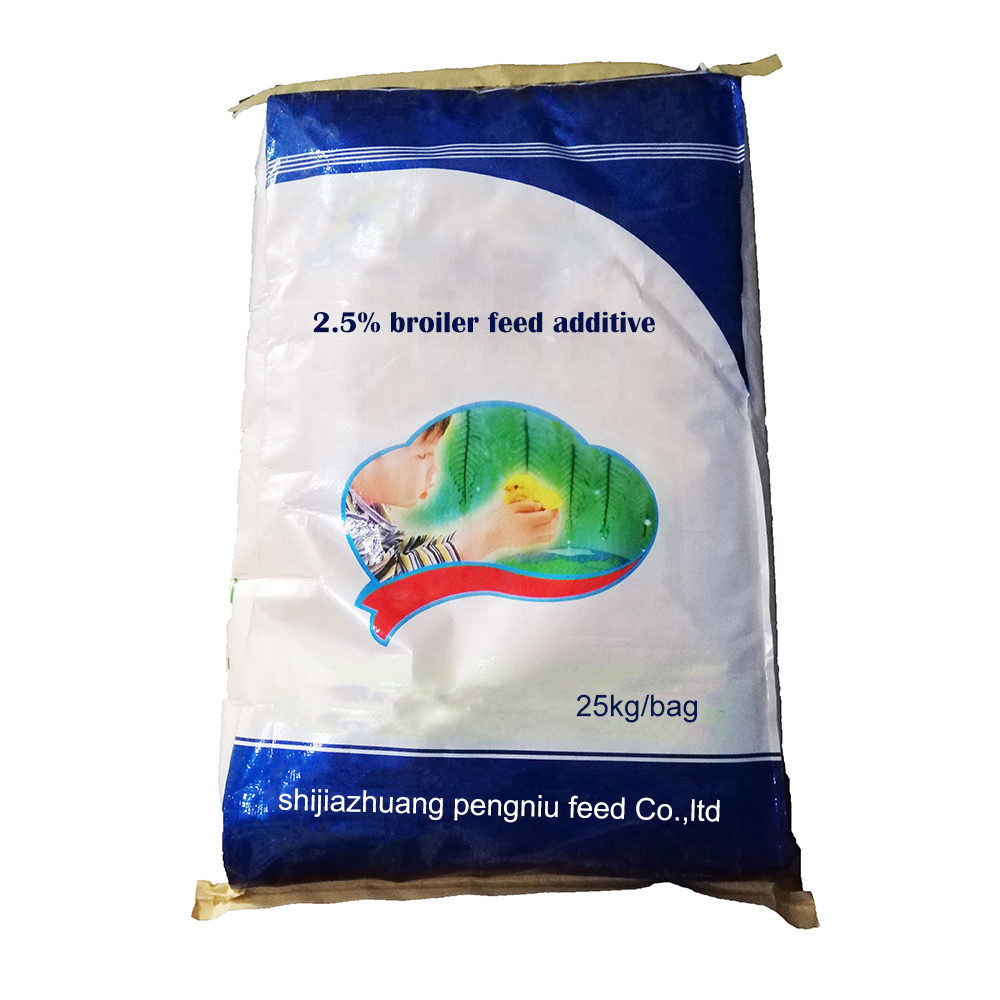
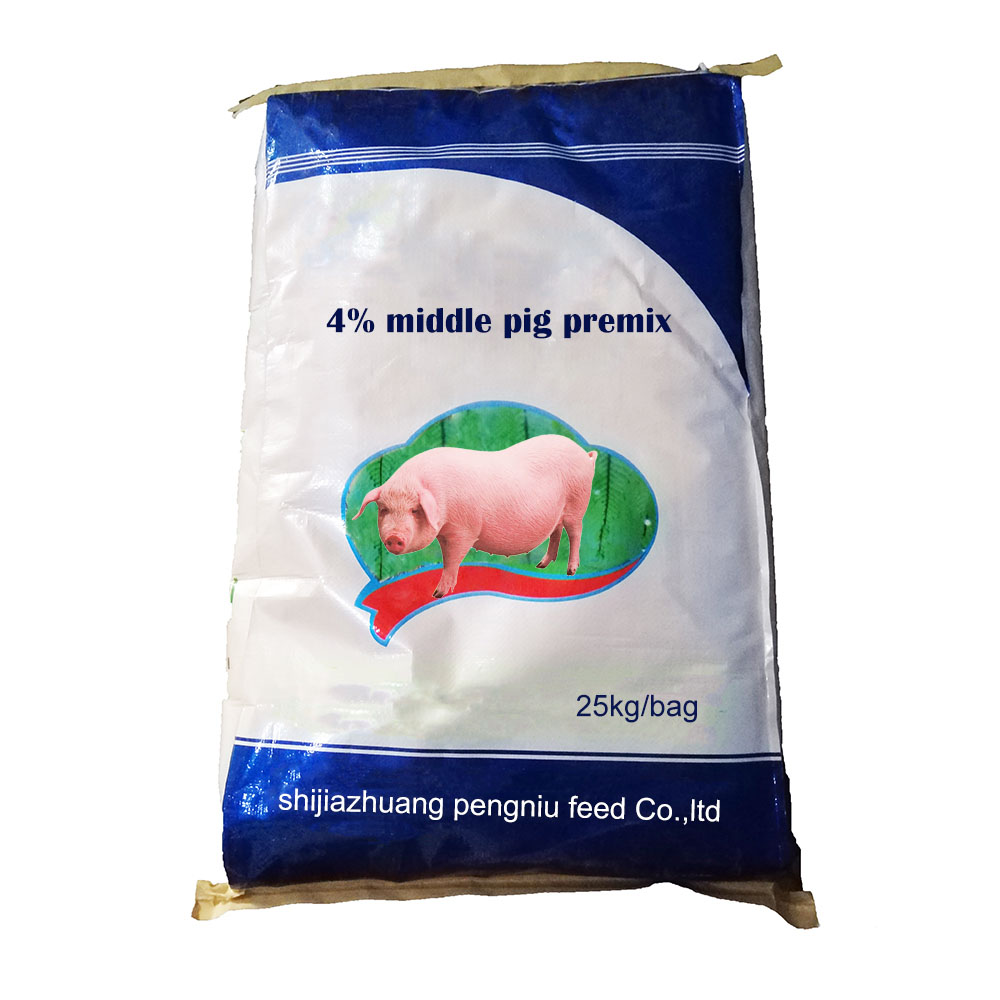
- Animal Feed Optimization: Large-scale farms in North America rely on premixes to boost livestock immunity and growth rates, contributing to sustainable food systems.
- Emergency Nutrition: UN agencies like World Food Programme use fortified foods with premixes for refugees and disaster survivors, where maintaining nutrient balance is critical amid scarcity.
- Specialized Health Products: Sports supplements and baby foods often utilize premixes to guarantee consistent micronutrient dosing.
Oddly enough, applying premixes correctly can mean the difference between successful public health outcomes and costly setbacks — as seen in some pilot fortification programs where inconsistent blends led to low efficacy or poor palatability.
Comparing Leading Vitamin Mineral Premix Vendors
| Provider | Product Range | Certifications | Regional Reach | Notable Clients |
|---|---|---|---|---|
| NutriBlend Inc. | Custom & Standard Premixes | ISO 22000, GMP | Global (USA, EU, Asia) | Nestlé, WFP |
| MicroFort Solutions | Premixes and Mineral Carriers | FSSC 22000, Halal | Asia-Pacific, Africa | UNICEF, Local Millers |
| PureNutra Tech | Organic & Standard Premixes | USDA Organic, ISO | North America, Europe | Health Food Brands |
Advantages and Long-Term Value of Using Vitamin Mineral Premixes
Okay, here’s something many don’t realize: beyond just filling nutrition gaps, premixes build trust between manufacturers and consumers. They help food and feed producers consistently deliver reliable health benefits — that’s a real competitive edge in a world where “clean label” and “fortified” are selling points.
- Cost Efficiency: While upfront costs might look high, reduced malnutrition lowers healthcare costs and boosts workforce productivity in the long run.
- Sustainability: More efficient nutrient delivery means less waste and lower environmental footprints, especially in animal agriculture.
- Social Impact: Fortified staple foods help end malnutrition cycles, restoring dignity and economic potential to vulnerable populations.
- Reliability: Premixes provide exact nutrient dosages, enabling compliance with regulations and consumer expectations every time.
Future Trends and Innovations in Vitamin Mineral Premix
The premix world isn’t standing still. I’ve noticed rising trends such as:
- Digital Traceability: Blockchain and IoT are increasingly used for traceability from production to consumer, enhancing food safety.
- Green Chemistry: Brands seek eco-friendly nutrient sources and carriers, aligned with sustainability goals.
- Personalized Nutrition: Advances in AI could create premixes tailored to an individual’s genetic needs or preferences — a sort of bespoke nutrition.
- Automation in Manufacturing: Robotics improves precision and reduces contamination risks during premix blending.
Challenges That Surround Vitamin Mineral Premixes & How They’re Solved
Despite the benefits, premix production and application aren’t without hitches. Some common ones:
- Stability Issues: Vitamins degrade if storage isn’t ideal — but specialized encapsulation and advanced packaging help “lock in” potency.
- Cost Barriers: For low-income markets, there’s a trade-off between formulation quality and price. Innovations in sourcing and economies of scale are easing this.
- Mixing Challenges: Uneven distribution in final products can cause ineffective doses — yet improved carriers and mixing protocols are addressing it.
- Regulatory Complexity: Different countries have varying standards. Many vendors now offer compliance consulting alongside premixes.
Sometimes these issues feel persistent, but the industry’s collaborative spirit and technological advances keep pushing boundaries.
FAQ: Your Questions About Vitamin Mineral Premixes, Answered
- What is the best way to store a vitamin mineral premix to maximize shelf life?
- Store premixes in cool, dry environments away from sunlight and moisture. Airtight containers help prevent nutrient degradation. Typically, temperatures below 25°C and relative humidity under 60% are ideal.
- Can vitamin mineral premixes be customized for specific regional nutritional deficiencies?
- Yes. Premixes are often formulated to address the unique micronutrient gaps of populations, such as adding extra iron where anemia is common or vitamin A in regions with vision-related health issues.
- Are premixes suitable for organic food production?
- Organic certification requires premixes to use approved ingredients and carriers. Some manufacturers produce organic-certified premixes compliant with USDA or EU organic standards.
- How do manufacturers ensure even mixing of the vitamins and minerals in the final product?
- Manufacturers use specialized blending equipment and carrier materials to promote uniform dispersion. Regular quality checks, including sampling and assay testing, confirm consistency.
- Is vitamin mineral premix a cost-effective solution for animal feed producers?
- Absolutely. Although premixes add upfront costs, they improve animal health, growth rates, and feed efficiency, reducing long-term expenses and improving the bottom line.
Concluding Thoughts + Next Steps
Vitamin mineral premixes may seem niche but their impact is far-reaching, touching everything from global health initiatives to your morning cereal or farm feed. They enable consistent, scientifically backed nutrition delivery that’s adaptable, efficient, and crucial in an ever-changing world.
If you want to explore or source high-quality premixes for your projects or production lines, visit our website for comprehensive products and expert guidance at https://www.rcpetfood.com.
References
Post time: November 29, 2025