The Growing Importance of a Thoughtful List of Animal Feed Supplements
If you're in the livestock or pet food industry, you probably already know one thing: what animals eat matters a lot. The list of animal feed supplements isn’t just a collection of chemical names or industry jargon — it’s a snapshot of global efforts to improve animal health, boost productivity, and ultimately support food security worldwide. Frankly, considering how agriculture shapes economies and diets, understanding this topic feels almost like a prerequisite for anyone working in farming, veterinary services, or feed production.
Why Should You Care?
Globally, billions of livestock animals depend on nutritional input beyond basic grains and forages. Supplements fill gaps that naturally occurring feed can’t cover — and the stats don’t lie: according to the Food and Agriculture Organization (FAO), demand for animal protein is expected to increase by nearly 70% by 2050. Meeting this need sustainably means smarter supplementation. Without the right “add-ons,” animal growth falters, and health problems rise — which hits farmers’ wallets and global food supply chains.
Mini takeaway: The list of animal feed supplements is more than numbers and names — it’s a vital toolkit for feeding the future.
Understanding the List of Animal Feed Supplements
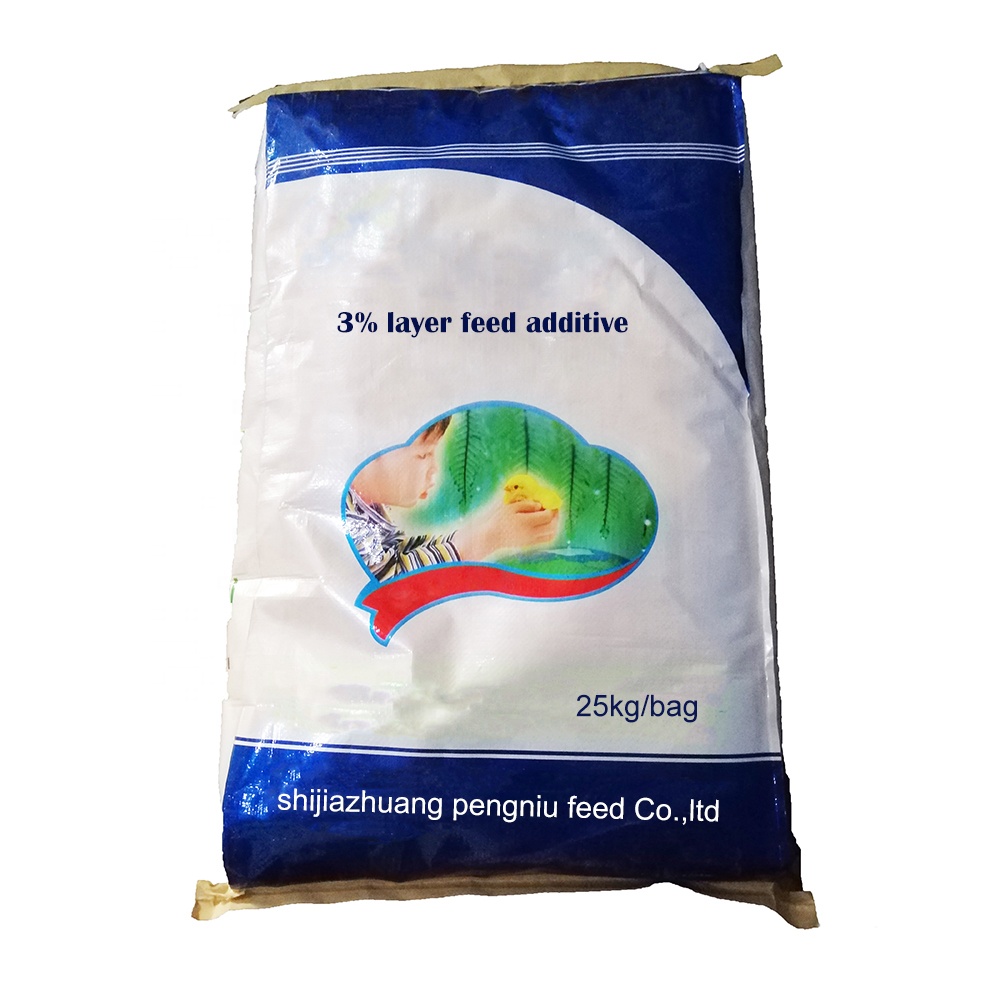
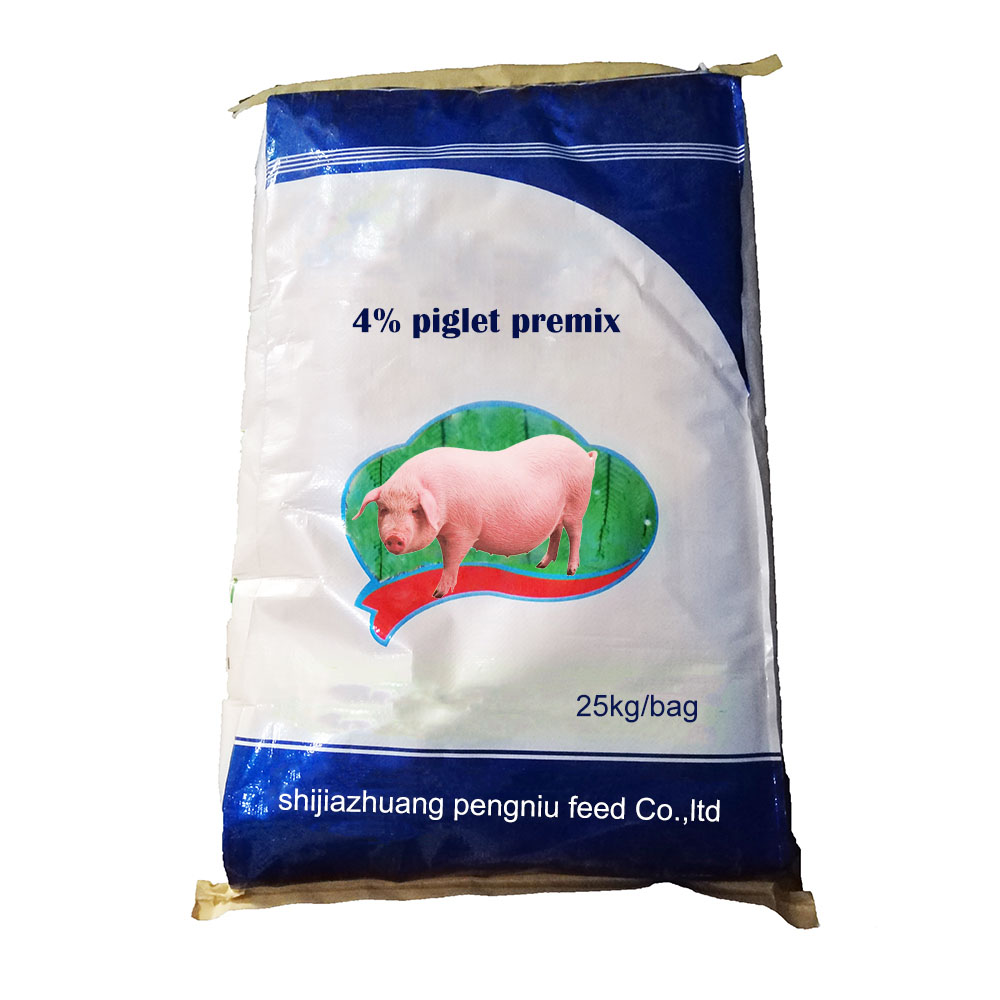
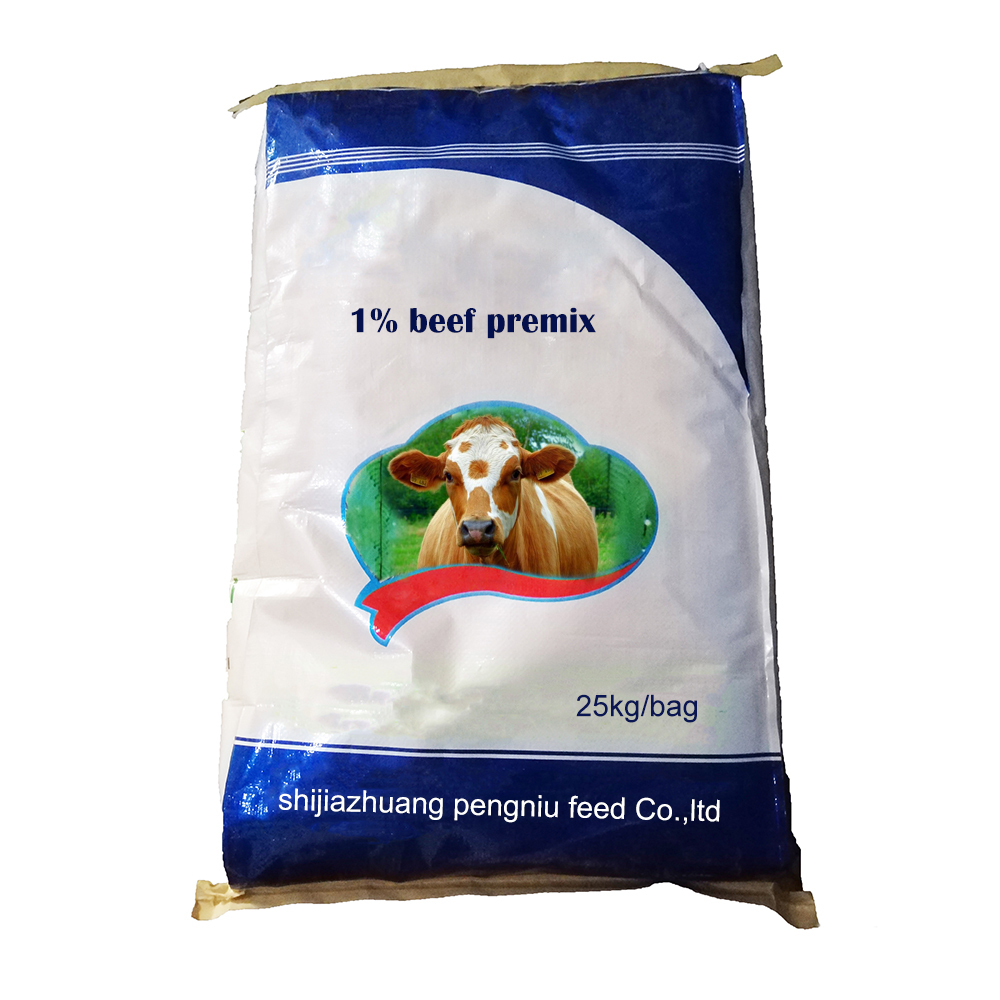
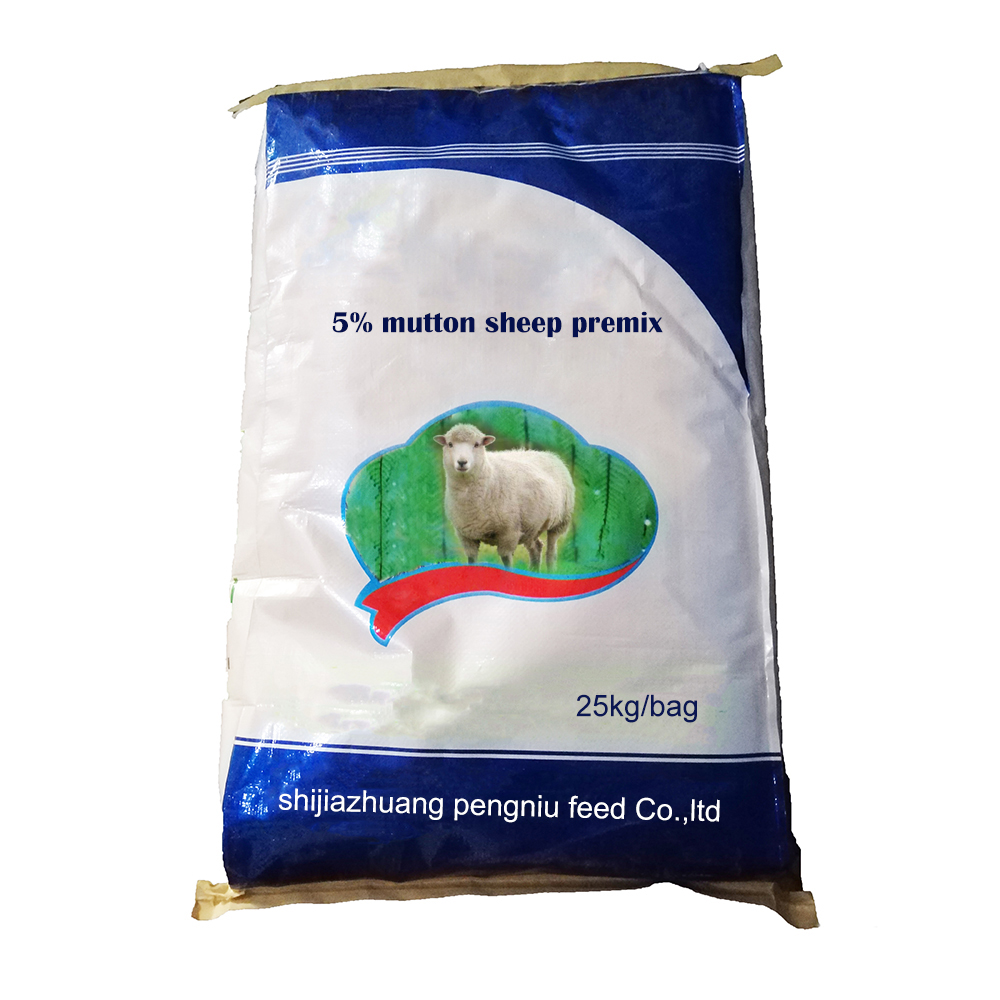
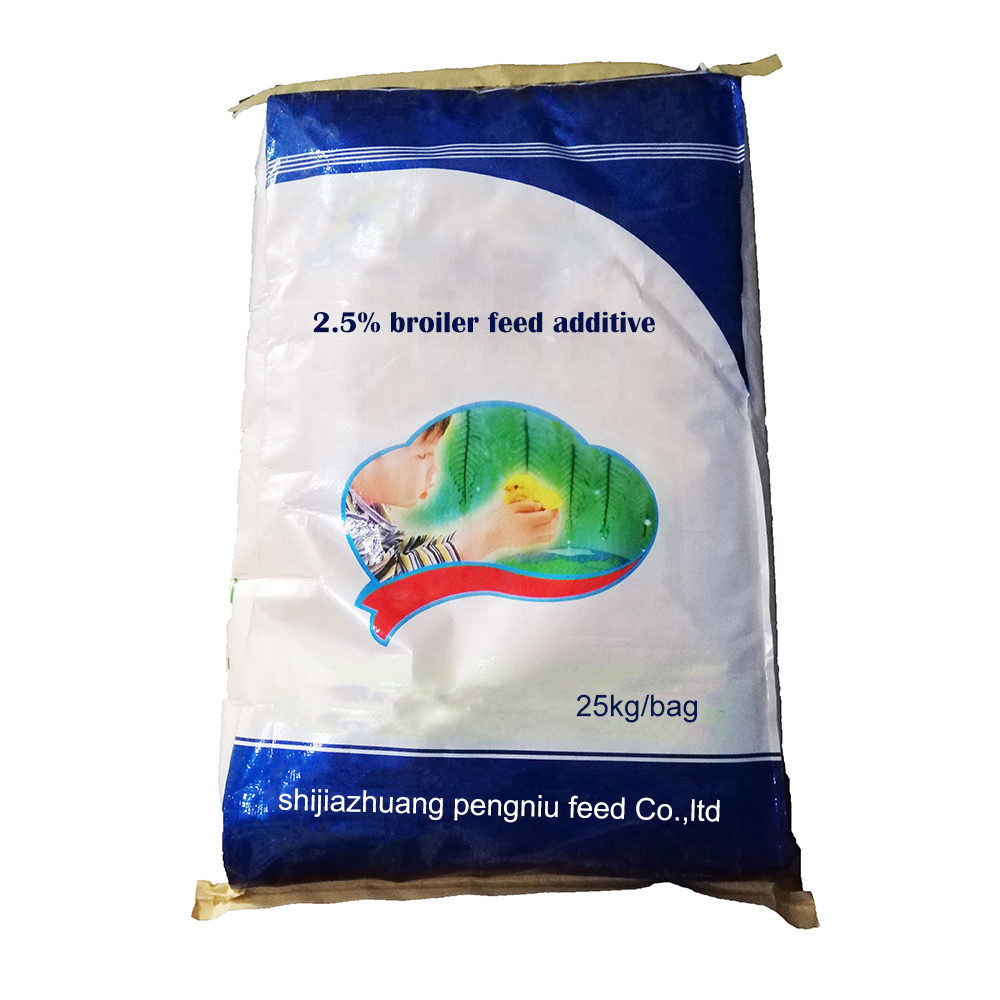
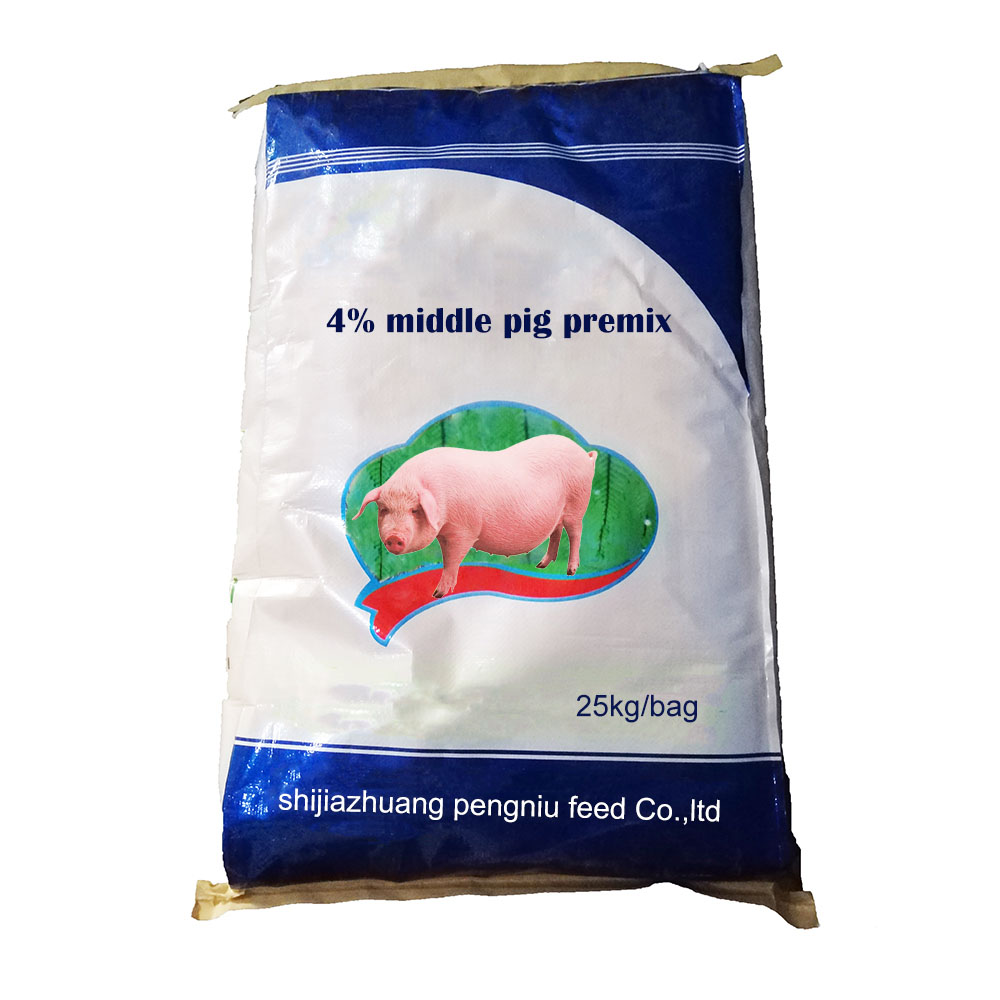
So, what exactly does a "list of animal feed supplements" mean? Simply put, it’s a catalog or selection of nutrients, additives, and compounds added to an animal’s base diet. These can be vitamins, minerals, probiotics, enzymes, amino acids, or even medicated feed additives like coccidiostats.
It's here that industry meets biology — the goal is to fill deficiencies in natural feeds or to enhance animal health, growth rates, and product quality in a safe and sustainable way. At the crossroads of farming and science, this list is foundational to modern animal nutrition and quite crucial for areas that struggle with poor-quality pasture or feed scarcity.
Mini takeaway:
Consider the list of animal feed supplements as both a recipe and a map guiding healthy animal rearing with practical, scalable solutions.
Core Aspects of Animal Feed Supplements and Their Practical Roles
1. Nutrient Completeness
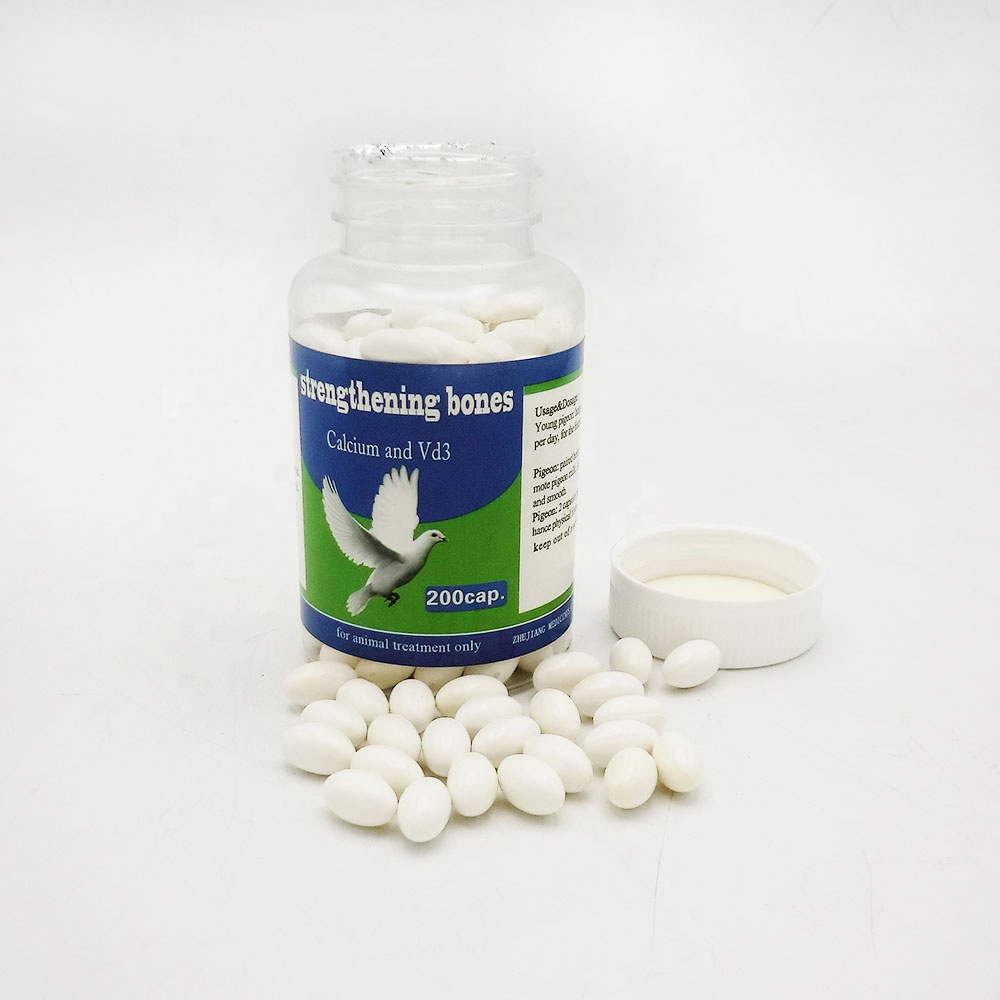
Not all pastures or feedstocks are created equal. Supplements aim to provide essential vitamins and minerals missing in the base diet—think calcium, phosphorus, zinc, and vitamins A, D, and E. Missing these can stunt growth or cause bone problems, which is obviously a big deal for producers.
2. Digestive Health Support
Probiotics and enzymes fall here, encouraging efficient digestion and nutrient absorption. Many engineers and feed formulators stress that better digestion means less feed waste — which just feels smart economically and environmentally.
3. Disease Prevention and Health Boosting
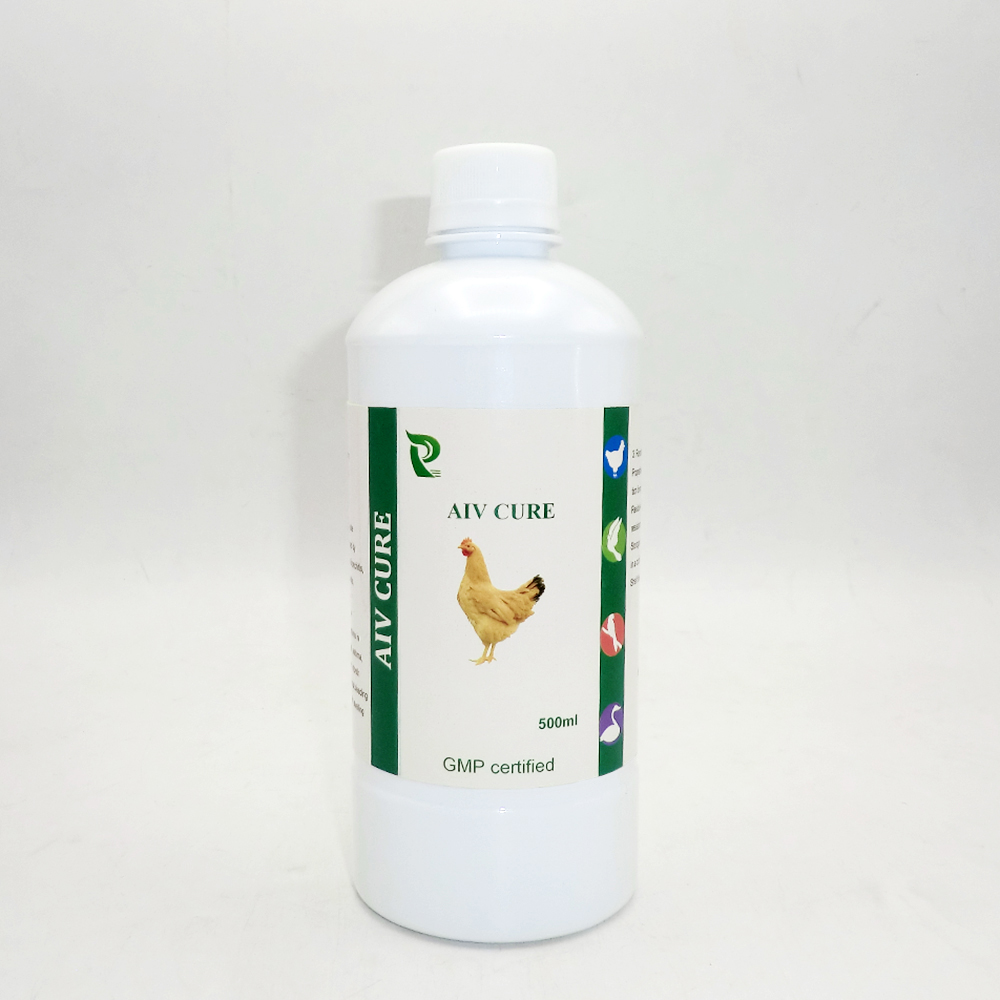
Some supplements add medicated compounds or natural extracts to help prevent diseases common in crowded or stressful farming conditions. Additionally, immune system enhancers maintain animal vitality in tough climates.
4. Growth and Reproductive Efficiency
Amino acids and performance enhancers help animals grow faster and reproduce effectively — important for farmers who want to optimize output without overfeeding.
5. Palatability and Feed Intake Stimulation
Sometimes, supplements also make feeds tastier or more attractive so animals eat enough, especially during heat stress or illness.
| Supplement Type | Key Component | Purpose | Typical Inclusion Rate (%) |
|---|---|---|---|
| Vitamin premix | Vitamins A, D3, E | Support growth, bone development | 0.1–0.3 |
| Mineral premix | Calcium, Phosphorus, Zinc, Selenium | Prevent deficiencies, boost immunity | 0.5–1.0 |
| Probiotics | Lactobacillus, Bifidobacterium | Improve gut flora and feed efficiency | 0.05–0.1 |
| Amino acids | Lysine, Methionine | Promote muscle growth, reproduction | 0.2–0.5 |
| Medicated additives | Ionophores, Coccidiostats | Control parasites and infections | Varies, regulated |
Usage requires regulatory compliance depending on region and application.
How These Supplements Fuel Diverse Global Applications
Oddly enough, the importance of animal feed supplements spans a variety of sectors and regions. In tropical zones where forage nutrition is often poor, supplements help local farmers keep poultry and cattle in decent health despite environmental challenges. In more developed agricultural economies, supplements optimize feed efficiency for high-value livestock — dairy cows, pigs, broilers.
I’ve noticed that NGOs aiding displaced communities sometimes work with supplements to ensure livestock survives when normal feeds are scarce (and that’s a surprisingly overlooked point — food security isn’t just human). Even industrial-scale aquaculture, which is growing rapidly as an alternative protein source, heavily relies on precise supplement blends to sustain fish health.
The versatility here is fascinating — these supplements shape survival, productivity, and sustainability all at once.
Mini takeaway:
From a small rural farm in Kenya to state-of-the-art fish farms in Norway, the list of animal feed supplements is a glue that holds diverse food systems together.
Comparing Leading Supplement Vendors: What to Look For
| Vendor | Product Range | Quality Certifications | Innovation Focus | Global Reach |
|---|---|---|---|---|
| NutraFeed Inc. | Vitamins, probiotics, amino acids | ISO 22000, GMP | Biotechnological supplements | North America, Europe, Asia |
| FeedPlus Global | Mineral mixes, medicated additives | FDA compliant, ISO 9001 | Sustainable sourcing & formulations | Africa, Latin America |
| AgriNutri Solutions | Complete feed supplements, enzymes | GMP, Halal Certified | Precision nutrition with AI analytics | Asia, Middle East |
Long-Term Advantages and Why They Matter
Even if you’re not a farm vet or feed formulator, you’ve probably used a product from at least one supplier in that vendor table above. And that’s because good supplement blends aren't just about animals looking better or growing faster. They’re about trust — in your product, in your business, and frankly, in a future-facing food system.
Economically, a balanced supplement reduces feed waste and veterinary costs. Ecologically, it means less overfeeding, reduced environmental pollutants, and better resource use. Socially, it builds food resilience, often quietly enabling farmers in fragile regions to maintain their livelihoods and dignity.
Upcoming Trends and Innovations in Animal Feed Supplements
The animal feed arena is slowly moving towards greener, smarter solutions. Think novel supplements sourced from algae or insect protein — both highly sustainable. Plus, digital tools and precision farming analytics are already helping customize supplement mixes tailored to specific herds or flocks, based on activity and health data.
Oh, and regulations tightening on antibiotic feed additives are a big deal: this pushes innovation towards natural health boosters and probiotics to keep animals robust.
What Challenges Are Industry Players Facing?
While the list of animal feed supplements keeps growing, many regions still struggle with supply consistency, cost barriers, and lack of technical knowledge about correct use. Exporting some medicated additives can be tricky due to strict regulations. Yet, solutions like education programs and digital platforms offering real-time formulation advice are proving game changers. So, the road ahead feels bumpy but promising.
FAQ: Key Questions About List of Animal Feed Supplements
- Which supplements are most critical for dairy cattle?
- Minerals like calcium and phosphorus paired with vitamins A and D are crucial to support milk production, bone development, and overall metabolic health in dairy cows.
- Can probiotics help reduce antibiotic use in animal farming?
- Yes, probiotics can improve gut health and immune responses, thus reducing the need for antibiotics, which is vital for mitigating antimicrobial resistance concerns.
- How is the list of animal feed supplements adapting to climate change impacts?
- Supplements now often target heat stress reduction and immune boosting, helping animals cope better with environmental fluctuations induced by climate change.
- Are insect-based proteins being used as feed supplements?
- Increasingly so! Insect protein is gaining traction as a sustainable amino acid source, especially in aquaculture and poultry feed supplements.
Wrapping It Up: Why Every Stakeholder Should Care
In real terms, the list of animal feed supplements isn’t some dusty catalog — it’s a dynamic, evolving toolkit powering food systems globally. Whether you’re a farmer, a feed scientist, or a policymaker, investing time to understand this list means better health outcomes for animals, more efficient production, and a more secure future. Visit our website to dive deeper into these solutions and explore customized formulations designed with your specific needs in mind.
Thanks for reading. Feel free to pause, explore, or even debate – there’s certainly a lot to unpack here…
References
Post time: November 27, 2025