Dex Injection: A Comprehensive Guide for Cross-Border Trade
In the world of pet food manufacturing, ensuring the palatability and quality of products is paramount. Dex injection, a process used to coat pet food with flavorful enhancers, plays a crucial role in achieving this. This article delves into the intricacies of dex injection, its benefits, applications, and considerations for businesses involved in cross-border trade. Understanding this process can significantly improve product appeal and market competitiveness. For businesses looking for high-quality pet food solutions, RC Pet Food offers expertise and advanced technologies.
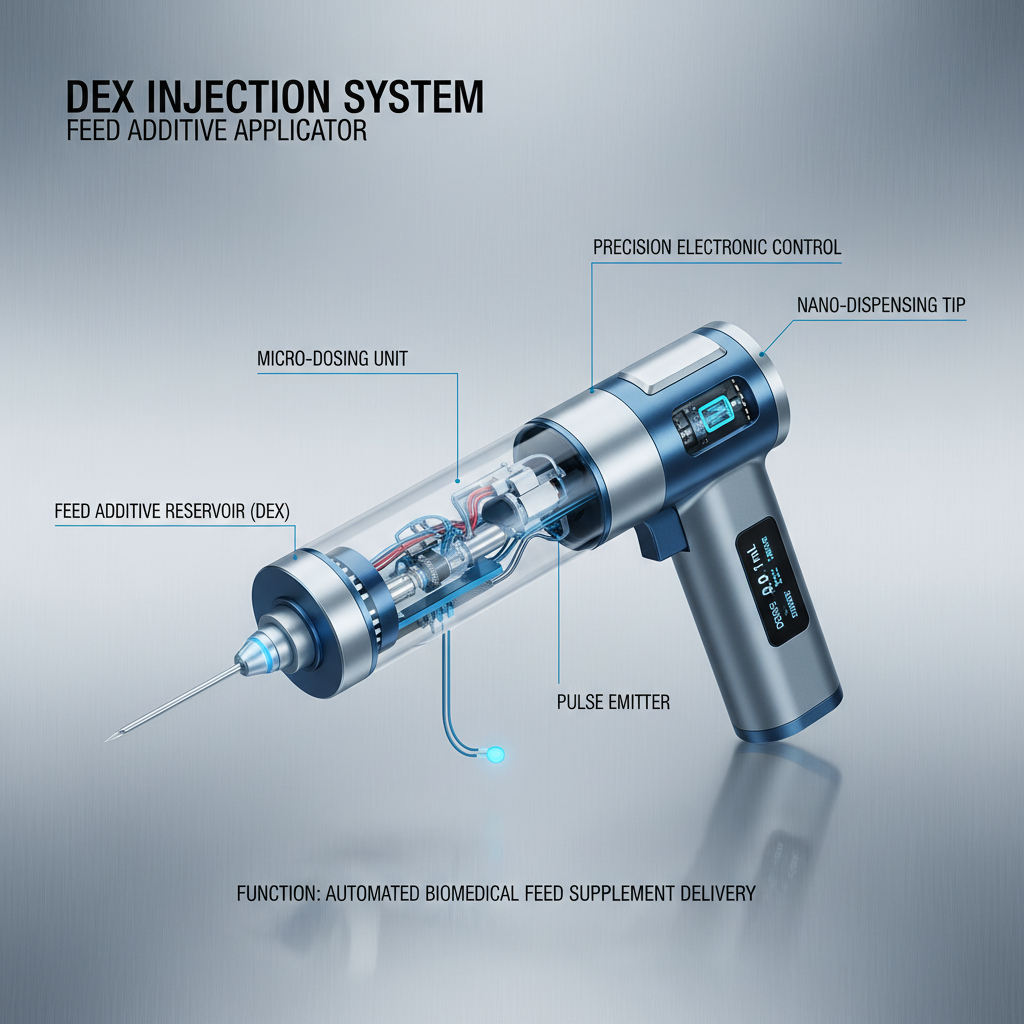
Understanding the Dex Injection Process
Dex injection, also known as coating or spraying, involves applying liquid flavor enhancers – typically fats, oils, and palatability agents – onto dry pet food kibble. The process is carefully controlled to ensure an even coating without causing excessive clumping or dust formation. This results in a product that is more appealing to pets, increasing consumption and overall satisfaction. It’s a vital step in creating pet food that not only provides nutrition but also provides a positive eating experience. The quality of the dex injection significantly impacts the final product’s acceptance in various markets.
Benefits of Dex Injection for Pet Food
The advantages of utilizing dex injection are numerous. Primarily, it dramatically improves palatability, making the food more attractive to pets, especially those with finicky appetites. This can lead to increased food intake and better overall health. Secondly, it allows for the delivery of essential nutrients, such as Omega-3 fatty acids, in a palatable form. Furthermore, dex injection can enhance the aroma of the food, further stimulating appetite. This is a key factor for success in competitive pet food markets. Ultimately, improved palatability translates to increased sales and brand loyalty.
Dex Injection in Cross-Border Trade: Regulatory Considerations
When dealing with cross-border trade, understanding the regulatory landscape surrounding dex injection is critical. Different countries have varying requirements regarding the types of flavor enhancers allowed, permissible levels, and labeling regulations. For instance, some regions may restrict the use of certain artificial flavors or require detailed ingredient listings. Failure to comply with these regulations can lead to product rejection, delays, and significant financial losses. RC Pet Food provides comprehensive support in navigating these complex regulations, ensuring seamless cross-border transactions.
Types of Flavor Enhancers Used in Dex Injection
The choice of flavor enhancers is crucial to the success of dex injection. Common ingredients include animal digest (poultry, beef, etc.), vegetable oils (sunflower, canola), and various palatability enhancers designed to mimic the scent and taste of fresh meat. The specific blend used will depend on the target species (dog, cat, etc.) and the desired flavor profile. The sourcing and quality of these ingredients are paramount, as they directly impact the final product’s safety and appeal. Organic and natural flavor enhancers are also gaining popularity due to consumer demand for healthier options.
Key Enhancers: Animal digest, vegetable oils, and various palatability enhancers designed to mimic the scent and taste of fresh meat. The sourcing and quality of these ingredients are paramount.
Comparing Dex Injection Methods: Spraying vs. Dosing
There are two primary methods for applying flavor enhancers via dex injection: spraying and dosing. Spraying involves using nozzles to evenly distribute the liquid coating onto the kibble. Dosing, on the other hand, delivers a precise amount of liquid onto each piece of kibble. Spraying is generally more cost-effective for large-scale production, while dosing offers greater control over coating levels and can be beneficial for premium products. The choice between these methods depends on the desired outcome and production volume.
Conclusion: Optimizing Palatability and Navigating Global Markets
Dex injection is an indispensable process in modern pet food manufacturing. Its ability to enhance palatability and deliver essential nutrients makes it a key driver of product success.
However, navigating the complexities of cross-border trade requires a deep understanding of regulatory requirements and a commitment to quality. Partnering with experienced professionals, such as RC Pet Food, can help businesses overcome these challenges and thrive in the global marketplace.
Frequently Asked Questions (FAQs)
What are the common challenges in dex injection quality control?
Maintaining consistent coating levels is a primary challenge, as variations can impact palatability. Ensuring even distribution of the liquid coating across all kibble pieces requires precise equipment calibration and monitoring. Another common issue is managing viscosity fluctuations in the coating liquid, which can affect spray patterns or dosing accuracy. Regular testing of coating weight and appearance is essential. Furthermore, preventing clumping and dust formation during the process requires careful control of temperature and humidity. Proper training of personnel operating the injection equipment is also critical.
How does storage affect the quality of dex-injected pet food?
Improper storage can significantly degrade the quality of dex-injected pet food. Exposure to heat, light, and moisture can cause the fats and oils in the coating to become rancid, leading to off-flavors and odors. It's crucial to store the product in a cool, dry, and dark environment. The packaging material should also be moisture-proof and airtight to prevent spoilage. Maintaining proper inventory rotation (FIFO – First In, First Out) helps ensure that older stock is used before newer stock. Regular quality checks are recommended to monitor for any signs of degradation.
What role does RC Pet Food play in supporting dex injection processes?
RC Pet Food offers comprehensive support for dex injection processes, including formulation expertise, ingredient sourcing, and process optimization. We utilize state-of-the-art injection technologies to ensure consistent and high-quality coating application. We also provide guidance on regulatory compliance for international markets. Furthermore, we offer analytical testing services to verify coating levels and ensure product stability. Our goal is to help our clients deliver superior pet food products that meet the highest standards of quality and palatability.
Are there any emerging trends in dex injection technology?
Several exciting trends are emerging in dex injection technology. One is the use of precision dosing systems that allow for highly targeted application of coatings, minimizing waste and maximizing palatability. Another is the development of microencapsulation techniques, which protect sensitive ingredients like probiotics and vitamins from degradation. Furthermore, there’s growing interest in using natural and sustainable coating ingredients, such as algae oil and insect protein. Automation and data analytics are also playing a larger role in optimizing dex injection processes and improving quality control.
Post time: March 21, 2026