Ivermectin Livestock Injectable: A Veteran’s Take on This Essential Vet Tool
Having spent more than a decade working across farms and agri-supply chains, I’ve seen my share of treatments come and go. But oddly enough, when it comes to parasite control in cattle, sheep, and other livestock animals, ivermectin livestock injectable remains a stalwart — and for good reasons. It’s not just a medication; it’s a crucial lifeline in keeping livestock healthy and productive.
Frankly, ivermectin’s role is as much about peace of mind for farmers as it is about efficacy. Parasites can quietly cripple herds — weight loss, reduced fertility, even death can loom unless you intervene effectively. Injectable ivermectin, because of its form and delivery system, offers a reliable, fast-acting option that many ranchers swear by.
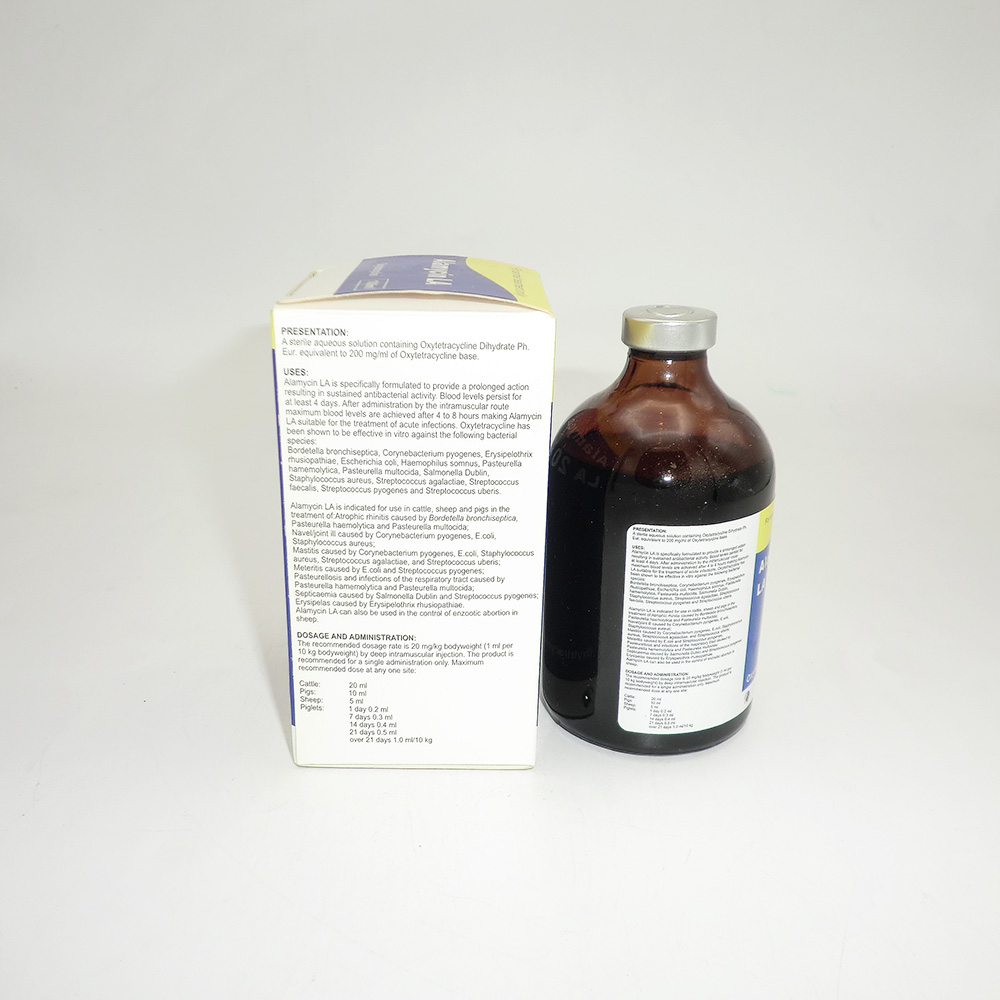
From a technical standpoint, the formulation is pretty straightforward: it's typically a clear to pale yellow solution, with ivermectin as the active ingredient, dissolved in a suitable carrier to allow deep muscle injection. The pharmacological action targets a wide spectrum of internal and external parasites, including gastrointestinal roundworms, lungworms, and certain external parasites like lice. The bioavailability delivered via injection often outperforms oral or topical forms, especially in animals prone to dosing inconsistencies.
In real terms, this means your herd gets a precise dose without as much chance of loss or degradation. This product’s robustness is partly why it takes up such a sizable share of the antiparasitic market in livestock veterinary care.
| Specification | Details |
|---|---|
| Active Ingredient | Ivermectin 1% w/v |
| Formulation | Injectable solution, sterile |
| Route of Administration | Subcutaneous or Intramuscular |
| Target Species | Cattle, Sheep, Goats, Swine |
| Dosage | 200 mcg/kg body weight |
| Withdrawal Period | Varies by species, generally 21-28 days |
| Packaging Sizes | 50ml, 100ml multi-dose vials |
Looking across the market, I noticed that although many brands offer ivermectin injectables, subtle differences emerge — not just in price but in formulation purity, ease of use, and vendor support. As many vets will tell you, sometimes it’s the post-sale service or consistent lot quality that makes the real difference on a busy farm.
| Vendor | Price per 100ml | Purity (%) | Support & Warranty |
|---|---|---|---|
| AgriVet Pharma | $45 | 99.5% | 24/7 hotline, batch traceability |
| TrueDose Labs | $40 | 98.8% | Standard business hours, no batch tracking |
| HarvestVet Solutions | $43 | 99.3% | Extended warranty, batch traceability |
One memorable experience I recall was during a particularly harsh winter on a ranch in Montana. The farmer was struggling with a stubborn external parasite outbreak in his sheep flock. Switching to an injectable ivermectin product — with careful dosing — turned things around noticeably in just days. It wasn’t a flashy story, but it underscored how this simple formulation could make a huge difference in real-life herd health management.
Of course, no one product is a silver bullet. Good husbandry, rotation of parasite control strategies, and veterinary advice remain key. Yet, for all the options out there, injectable ivermectin keeps proving its value time and time again. It feels like a tried-and-true friend in the medicine cabinet.
If you’re interested in sourcing reliable ivermectin products for your livestock, it’s worth checking out vendors who emphasize quality control and after-sale customer support. You might want to start with the links at rcpetfood.com — I’ve noticed they curate some quality veterinary supplies fit for field use.
So, as someone who’s rolled up their sleeves in the mud and muck managing cattle health for years — I’d say injectable ivermectin, handled correctly, remains one of those unsung industry essentials we just can’t forget.
My final takeaway? In the complex dance of livestock health, sometimes the simplest, most reliable tools are the ones you depend on the most.
References:
- National Animal Health Monitoring System (NAHMS) livestock parasitology reports, 2020
- Journal of Veterinary Pharmacology and Therapeutics, 2019: “Pharmacokinetics of Ivermectin in Ruminants”
- USDA Food Safety & Inspection Service: Withdrawal periods and veterinary drug residues guide, 2021
Post time: December 3, 2025