Why Animal Pharmaceutical Companies Matter in a Global Context
Animal pharmaceutical companies might not always be front and center in global industry talks, but they play a crucial role—almost like an unsung hero in the vast ecosystem of animal health and food security. Simply put, these companies develop and supply medicines and vaccines that keep animals healthy, which in turn supports food production, climate resilience, and even public health. Globally, with the livestock sector valued at over $1.4 trillion (World Bank), ensuring the wellbeing of animals is an economic and humanitarian priority that impacts millions of farmers and consumers alike.
With rapid urbanization and climate challenges reshaping agriculture, these companies find themselves addressing some tough questions: How do you keep livestock disease-free in diverse environments? How can treatments be affordable for smallholders in developing regions? Frankly, understanding the scope and innovation behind animal pharmaceutical companies reveals a vital industry bridging science, sustainability, and global welfare.
Mini takeaway: Animal pharmaceutical companies underpin animal health, food security, and economic stability worldwide—making their role indispensable in a changing global landscape.
Introduction: The Global Scope and Challenges
It's no understatement that animal health is tightly linked with human health, especially in a One Health framework recognized by the World Health Organization (WHO). Diseases that jump between animals and humans (zoonoses) like avian flu or rabies are pressing concerns, pushing animal pharmaceutical companies into the spotlight for developing vaccines and treatments that are both effective and accessible worldwide.
The United Nations Food and Agriculture Organization (FAO) estimates that roughly 20% of global meat production is lost annually due to animal diseases—highlighting why these companies are more than just drug producers; they're critical agents in food security and poverty alleviation. The challenge? Navigating complex regulatory environments, limited infrastructure in some regions, and balancing cost efficiency with innovation.
Defining Animal Pharmaceutical Companies
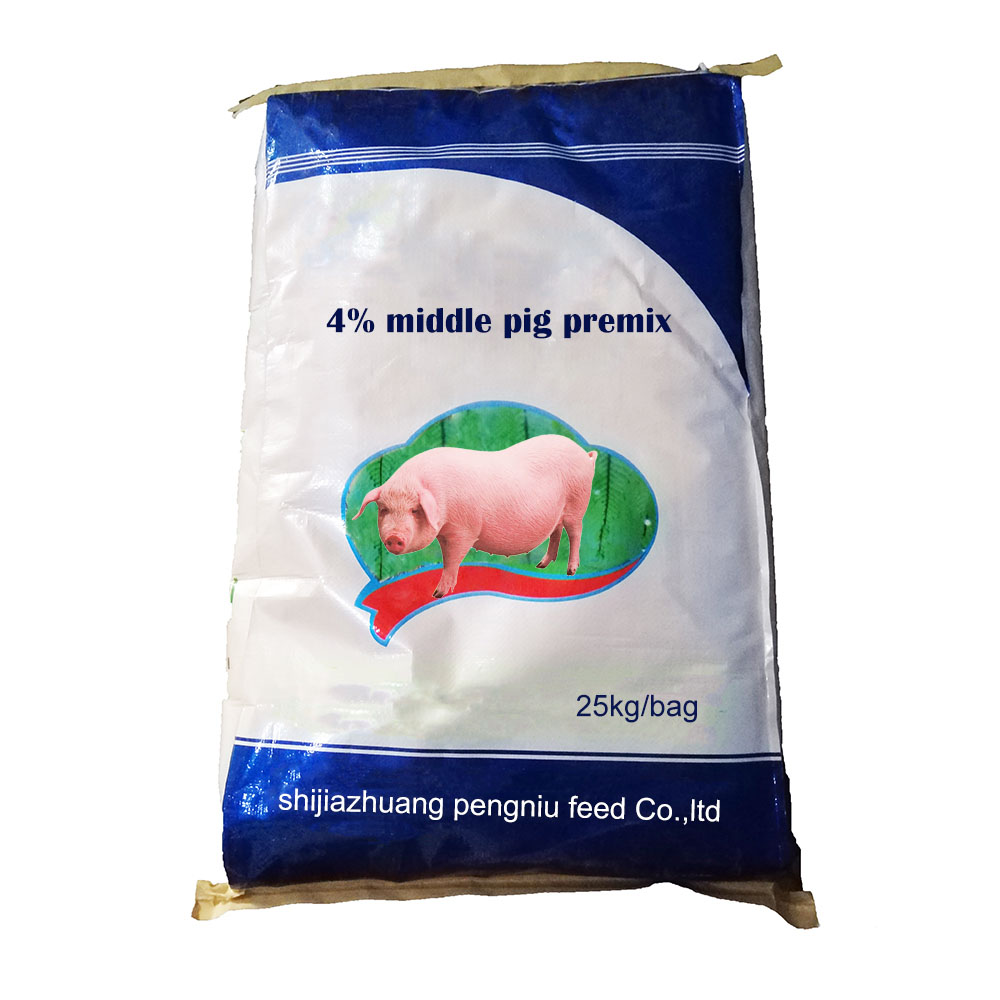
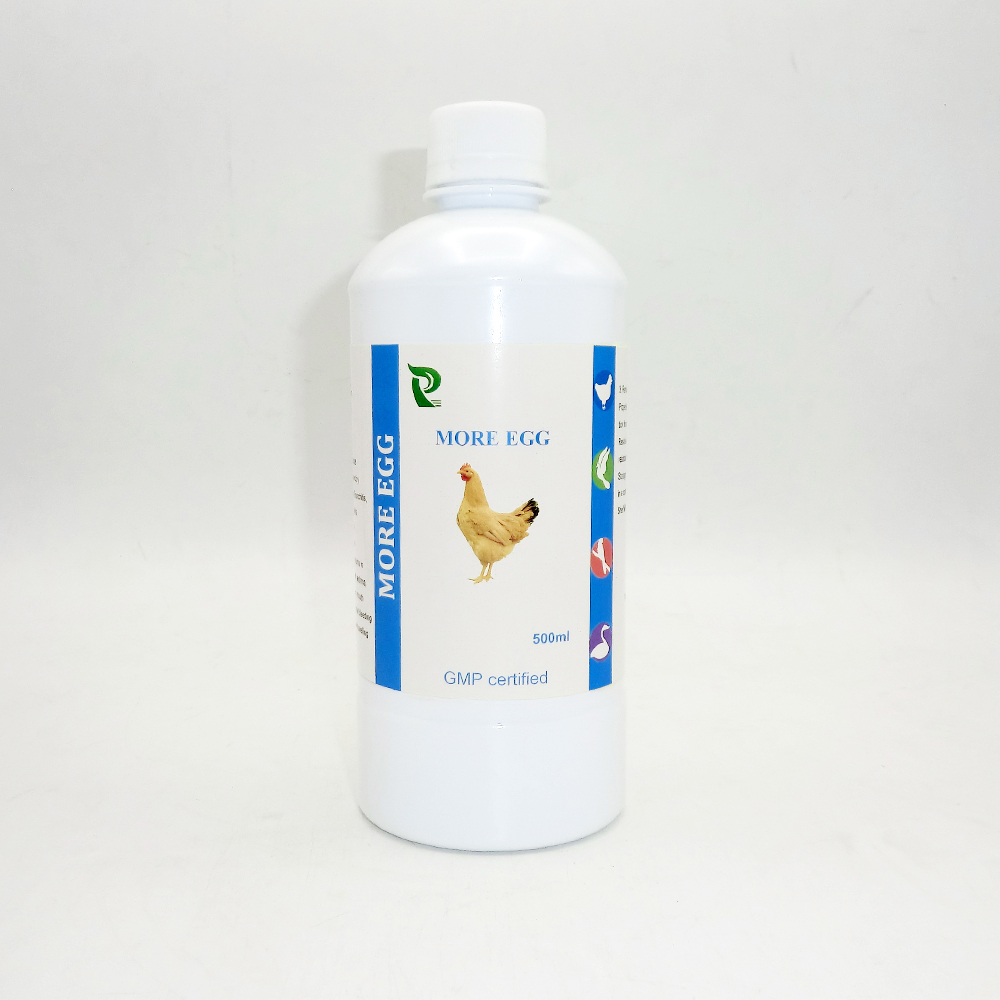
So, what exactly are animal pharmaceutical companies? At their core, these are firms specializing in the research, development, manufacturing, and distribution of medicines, vaccines, and diagnostic tools for animals—ranging from pets to livestock. From veterinary antibiotics and antiparasitics to immunizations and nutritional supplements, their products cater to animal health and productivity.
Their significance extends beyond commercial interests. In modern agriculture and wildlife management, these companies support sustainable practices by mitigating disease outbreaks and improving animal welfare. Plus, their innovations often dovetail with public health measures—after all, a healthier animal population means fewer risks for humans.
Key Factors That Define the Industry
1. Innovation & Research Capacity
New diseases, antibiotic resistance, and the demand for eco-friendly solutions push animal pharmaceutical companies to constantly innovate. Advanced biotech tools, like recombinant DNA technology and precision diagnostics, are increasingly shaping product pipelines.
2. Regulatory Compliance & Quality Assurance
Strict adherence to global standards—such as those from the International Organization for Standardization (ISO) and regional bodies—is a must. This ensures safety, efficacy, and trustworthiness, which are fundamental for user and consumer confidence.
3. Distribution & Accessibility
Ensuring products reach remote farmers or developing markets requires robust supply chains and partnerships. Accessibility often determines the real-world impact of these pharmaceuticals.
4. Cost Efficiency
Competitive pricing coupled with quality products is a tricky but necessary balance, especially for small-scale farmers in lower-income countries. Bulk manufacturing and streamlined operations contribute here.
5. Sustainability and Environmental Impact
The sector gradually embraces greener manufacturing processes and biodegradable packaging, responding to global climate concerns and consumer demand.
6. Collaboration with Animal Health Stakeholders
Partnerships with governments, NGOs, and veterinary services ensure targeted and impactful product deployment, especially during disease outbreaks.
Mini takeaway: The animal pharmaceutical landscape thrives on innovation, compliance, accessibility, and sustainability—ingredients crucial for meaningful health outcomes.
Global Applications & Use Cases
Animal pharmaceutical companies' work can be seen across a spectrum of scenarios:
- Agricultural hubs in East Africa: Vaccination campaigns for rinderpest (once a fatal cattle disease) have transformed livestock health and farmer livelihoods.
- Industrialized meat production in Europe and North America: Use of probiotics and parasite control enhance productivity while minimizing antibiotic reliance.
- Emergency responses: During zoonotic disease outbreaks like African Swine Fever, timely delivery of diagnostics and vaccines is critical.
The diverse climates, infrastructure, and animal populations across continents present logistical and scientific challenges, but thanks to adaptive strategies, animal pharmaceutical companies manage to serve these varied needs effectively.
Product Specification Overview
| Product | Target Species | Formulation | Shelf Life | Storage Conditions |
|---|---|---|---|---|
| Vaccine A (Viral Disease) | Cattle, Sheep | Liquid injectable | 12 months | 2–8°C refrigeration |
| Antiparasitic B | Dogs, Cats | Oral tablets | 24 months | Room temperature |
| Antibiotic C | Swine | Injectable suspension | 18 months | Store below 25°C |
Vendor Comparison: Key Players in Animal Pharmaceuticals
| Company | Product Range | Global Reach | R&D Investment | Sustainability Initiatives |
|---|---|---|---|---|
| AgroVet Inc. | Vaccines, Antibiotics, Diagnostics | 100+ countries | $150 million annually | Biodegradable packaging |
| VetPharma Global | Antiparasitics, Nutritional Supplements | 50 countries | $80 million annually | Renewable energy in manufacturing |
| BioFarm Solutions | Vaccines, Antibiotics, Probiotics | 70 countries | $100 million annually | Waste water recycling |
Advantages and Long-Term Value
Animal pharmaceutical companies provide tangible benefits that ripple through social, economic, and environmental sectors. For farmers, affordable and accessible medicines mean healthier animals, higher productivity, and protection against losses—often the difference between subsistence and surplus.
Socially, better animal health promotes food safety and reduces zoonotic risks, which aligns with public health interests. There's also an emotional side—knowing your livestock or pets are protected offers peace of mind and dignity, especially for communities deeply reliant on animals for livelihood.
Future Trends and Innovations
Looking ahead, the industry is leaning into digital transformation—think AI-assisted diagnostics, blockchain for drug traceability, and automated distribution. Sustainability remains front and center, with increased investment in green chemistry and biodegradable materials.
In parallel, policy shifts advocating reduced antibiotic usage in animals push companies toward alternatives like probiotics and vaccines. Oddly enough, this is sparking a wave of novel startups combining tech and biology to revolutionize animal healthcare.
Challenges and Solutions
Despite progress, the industry faces hurdles such as regulatory fragmentation between countries, supply chain vulnerabilities, and high R&D costs. But collaboration is the answer here—global partnerships among manufacturers, governments, and NGOs help streamline approvals and expand reach.
On the innovation side, micro-dosing technologies, thermostable vaccines (which don’t need refrigeration), and localized manufacturing hubs are promising solutions tackling these challenges.
FAQ: Frequently Asked Questions About Animal Pharmaceutical Companies
- Q: How do animal pharmaceutical companies ensure drug safety for different species?
A: Strict species-specific trials, regulatory compliance (such as FDA or EMA guidelines), and continuous pharmacovigilance ensure drugs are safe and effective for targeted animals. - Q: Are there affordable animal medicines for small-scale farmers in developing countries?
A: Yes, many companies develop cost-effective formulations and collaborate with NGOs to distribute vaccines and medicines through subsidized programs. - Q: What role do animal pharmaceuticals play in preventing zoonotic diseases?
A: By vaccinating and treating animals, pharmaceutical companies reduce pathogen reservoirs, lowering the risk of diseases transferring to humans—key in a One Health approach. - Q: How can environmental sustainability be improved in this industry?
A: Through adopting green manufacturing processes, biodegradable packaging, and promoting alternatives to antibiotics, companies minimize environmental footprints. - Q: How does digital technology impact animal pharmaceuticals?
A: Digital tools enhance diagnostics accuracy, supply chain transparency, and patient (animal) monitoring, paving the way for personalized and timely treatments.
Conclusion: Why Investing Attention Here Pays Off
In sum, animal pharmaceutical companies are key architects of global animal health, with immense implications for food security, public health, and economic stability. Their ability to innovate, adapt, and collaborate in a rapidly changing world spells hope for a more resilient agricultural future.
Interested in learning more or partnering with leaders in this crucial sector? Visit our website to explore deeper insights and industry connections.
Reflecting on this topic offers a reminder: behind every healthy animal, there's often an intricate web of science, regulation, and care handled by animal pharmaceutical companies—an industry worthy of greater attention.
- World Bank Livestock Sector Brief - https://www.worldbank.org/en/topic/livestock
- FAO on Animal Health and Food Security - http://www.fao.org/animal-health/en/
- WHO One Health Initiative - https://www.who.int/news-room/q-a-detail/one-health
Post time: December 2, 2025