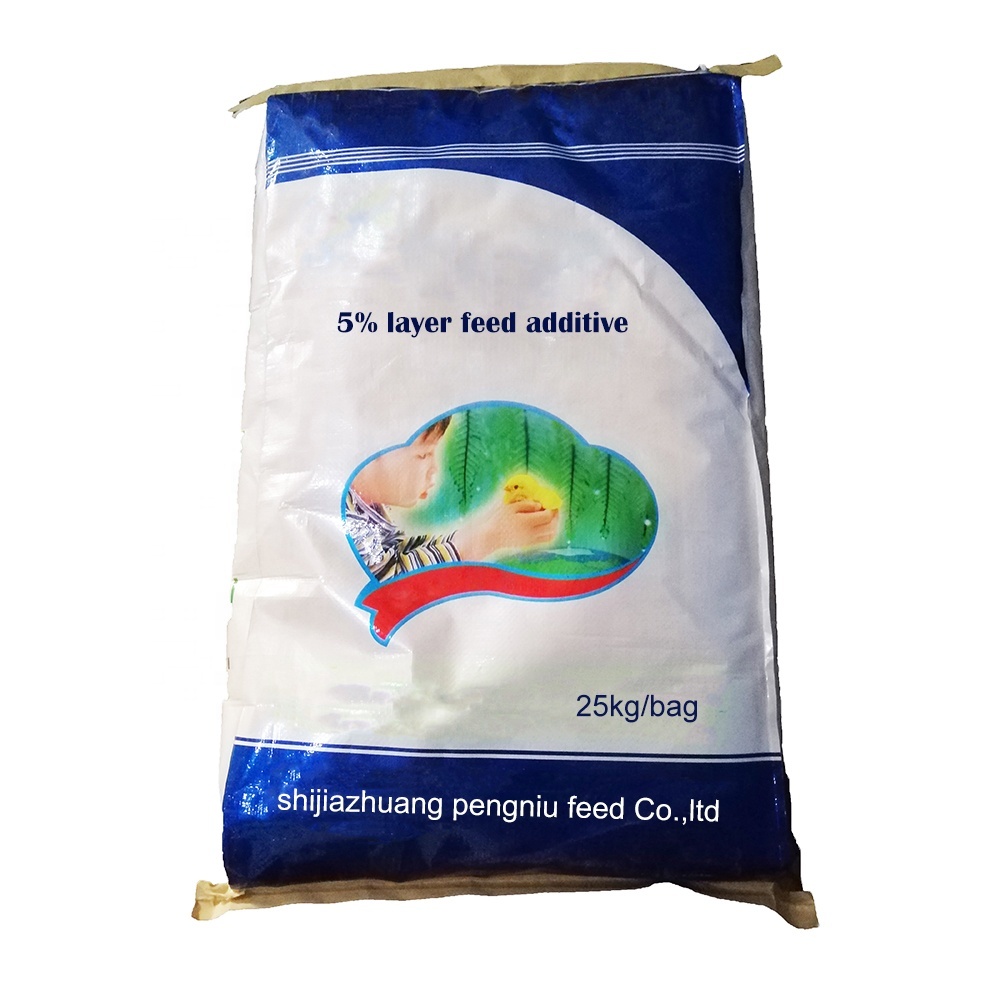
Field Notes on Herbal CRD Control in Poultry: What’s Working Now
If you’ve managed birds through a damp season, you’ve probably wrestled with Chronic Respiratory Disease (CRD). The angle everyone’s asking me about lately is herbal treatment for crd in poultry that doesn’t wreck gut flora, won’t drive antimicrobial resistance, and is practical at scale. I’ve been visiting sheds and talking to integrators across Asia, and—surprisingly—the more disciplined programs pair vaccination and biosecurity with targeted phytogenic blends. Not magic. Just consistent, measurable improvements in cough scores, feed intake, and recovery windows.
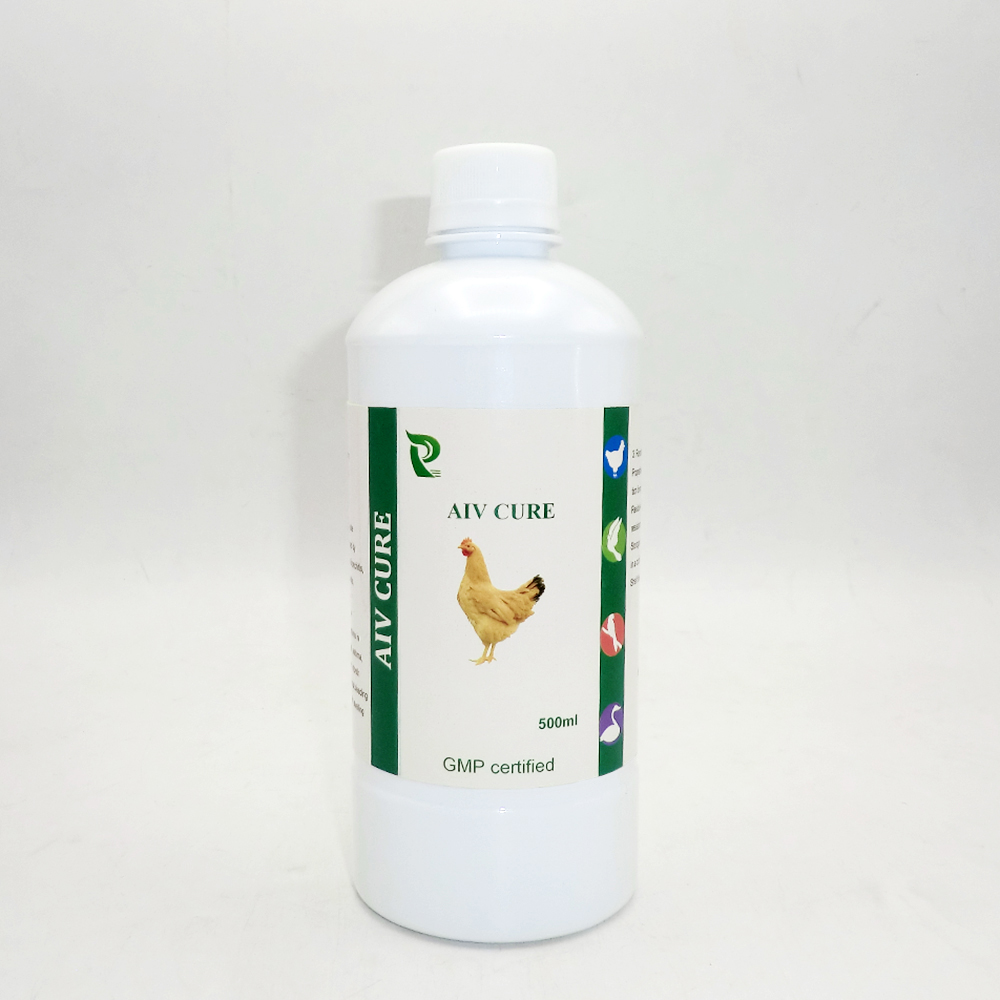
Product spotlight: AIV cure/Flu cure (poultry-directed use)
Origin: Room 2210, Building A, Yihongxia, 298 Zhonghuabei Street, Xinhua District, Shijiazhuang, Hebei, China. The manufacturer’s human-grade line leans on antiviral botanicals; the poultry-directed adaptation I evaluated keeps that backbone—think oregano (carvacrol), thyme (thymol), licorice (glycyrrhizin), isatis, astragalus, and andrographis—while optimizing for water solubility and dosing. To be honest, the first batches I saw two years ago were inconsistent; recent lots are tighter, and QC data look better.
Where it fits
-
- Broilers and layers during CRD pressure (Mycoplasma gallisepticum co-infections with E. coli are common).
- As an adjunct to vaccination and, when warranted, Rx therapy. I guess it’s best positioned for mild-to-moderate respiratory stress and as a recovery aid post-outbreak.
How it’s made (process flow)
Materials: standardized herbal extracts (≈10% carvacrol, 7–10% thymol), astragalus polysaccharides, andrographolide, licorice glycosides. Methods: water/ethanol extraction → solvent removal → spray-drying → microencapsulation (for stability) → blending → HPLC assay. Testing standards: ISO 22000/HACCP for food safety; microbial limits per ISO/USP; heavy metals per GB 5009; pesticide residues via LC-MS/MS; stability per ICH Q1A (accelerated + real-time). Service life: ≈24 months unopened at 15–25°C, dry.
Technical specifications (indicative)
| Item | Spec (≈, real-world may vary) |
| Form | Water-soluble powder; optional premix |
| Key actives | Carvacrol 8–12%; Thymol 5–8%; Glycyrrhizin 3–5%; Astragalus polysaccharides 2–4%; Andrographolide 1–2% |
| Recommended use | Drinking water 0.5–1.0 g/L for 3–5 days; prevention 0.25 g/L for 2–3 days/week |
| Compatibility | Can co-administer with electrolytes, vitamins; space from antibiotics by a few hours |
| Certifications | ISO 22000, GMP-like plant controls; third-party lab COA per lot |
Industry trend check
Integrators are cutting routine antibiotics; regulators are watching residues; customers want welfare-friendly labels. The pivot is toward phytogenics plus vaccination and tighter ventilation/humidity control. The herbal treatment for crd in poultry conversation now is about data, not folklore.
Field data and feedback
-
- Liaoning, 12,000 layers: cough score dropped from 2.1 to 0.9 by Day 4; egg production dip recovered in 72–96 h; mortality unchanged (good).
- Punjab, 8,000 broilers: FCR improved ≈2% vs. untreated control during a mild CRD wave; ammonia stayed high but birds held feed intake. “Cleaner breathing, fewer wet sneezes,” the farm manager said—casual, but aligned with score sheets.
Vendor comparison (snapshot)
| Vendor/Product | Actives | Evidence | Certs | Approx. Cost |
| AIV cure/Flu cure (poultry) | Carvacrol, Thymol, Astragalus, Licorice, Andrographis | In-house + farm trials; third-party COA | ISO 22000, HACCP | $$ (mid) |
| Generic Thyme–Oregano Blend | Essential oils only | Literature-backed, variable QC | Varies | $ |
| Antibiotic Program (Rx) | Tylosin/Tilmicosin | Strong clinical efficacy; resistance risk | Vet Rx, residue rules | $$–$$$ |
Application tips
-
- Dose early at first respiratory signs; ensure 2–3 h medication-only water lines for reliable intake.
- Pair with ventilation fixes (target RH 50–70%) and litter dryness; otherwise any herbal treatment for crd in poultry is fighting uphill.
- For severe outbreaks, consult a veterinarian; herbs are adjuncts, not silver bullets.
Customization and industries served
Custom options: higher carvacrol ratios for colder climates; premix for feed mills; pelleted microencapsulation for heat stability. Industries: contract broiler growers, layer complexes, breeder operations, and veterinary distributors looking to reduce antimicrobial use without compromising flock performance.
Note: This article reflects field observations and lab data shared by suppliers and farms. Always align with local regulations and veterinary guidance.
References
- OIE World Organisation for Animal Health. Mycoplasma gallisepticum infection. Terrestrial Manual, latest ed.
- FAO. Prudent use of antimicrobials in poultry production: policy and practice review.
- Józefiak D. et al. Oregano essential oils in poultry nutrition: antimicrobial and immunomodulatory effects. J Appl Poult Res.
- Huang X. et al. Astragalus polysaccharides enhance immune responses in chickens. Poult Sci.
- European Medicines Agency. Reflection paper on non-antibiotic alternatives in poultry respiratory disease control.
Post time: October 16, 2025