A Field Note on Herbs for Poultry Health: What’s Real, What Works
If you’ve been hunting for herbs for poultry, you’re not alone. Producers keep telling me the same story: fewer antibiotics, tighter margins, colder barns in shoulder seasons. And yet, birds still need to keep eating, breathing, circulating. That’s where targeted botanical blends are earning their seat at the table—quietly, but steadily.
Trend check: phytogenics go mainstream
Across integrators, phytogenic feed additives are moving from “interesting” to “line item.” Why? Because producers need practical tools when cold snaps hit or transport/vaccination stress stacks up. Gingerols, astragalosides, icariin—these aren’t buzzwords anymore; they’re markers you’ll see on COAs. Many customers say the win is modest but reliable: steadier intake, calmer flocks, fewer off-days. To be honest, that’s often enough.
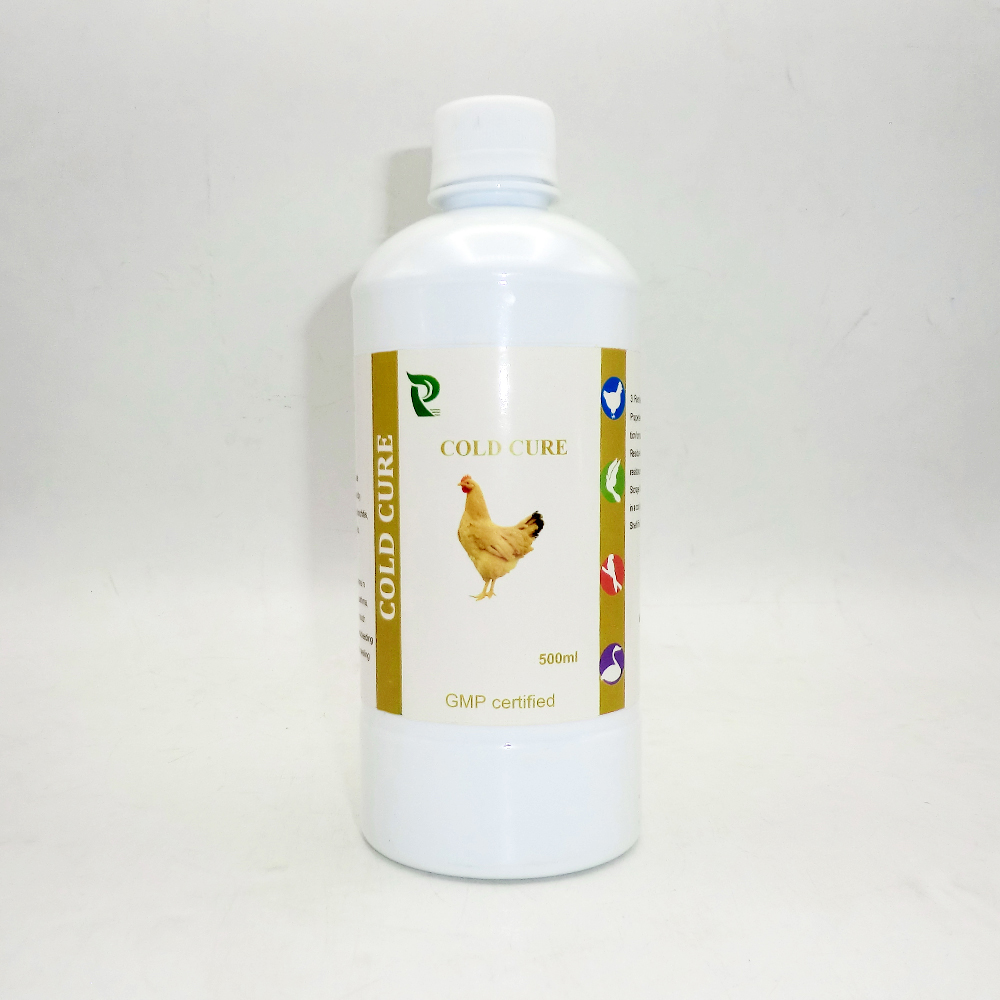
Product spotlight: Cold Cure for poultry programs
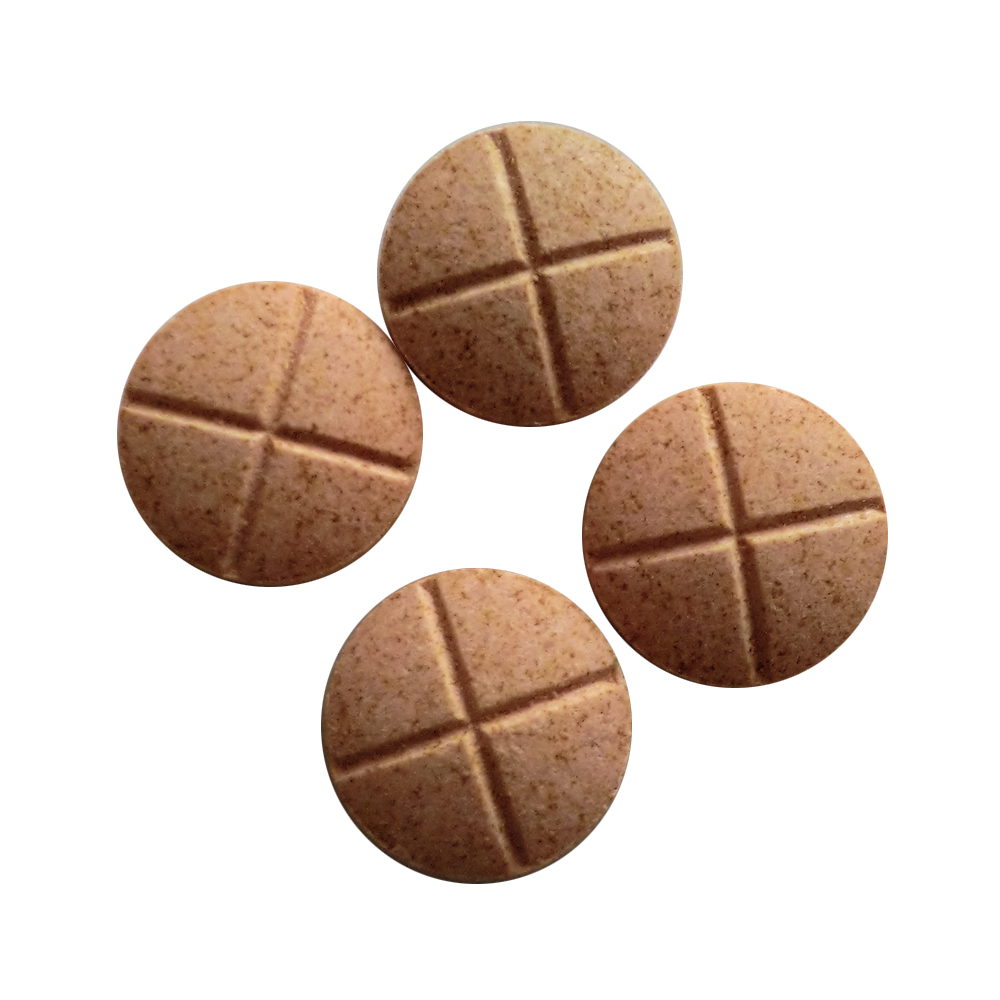
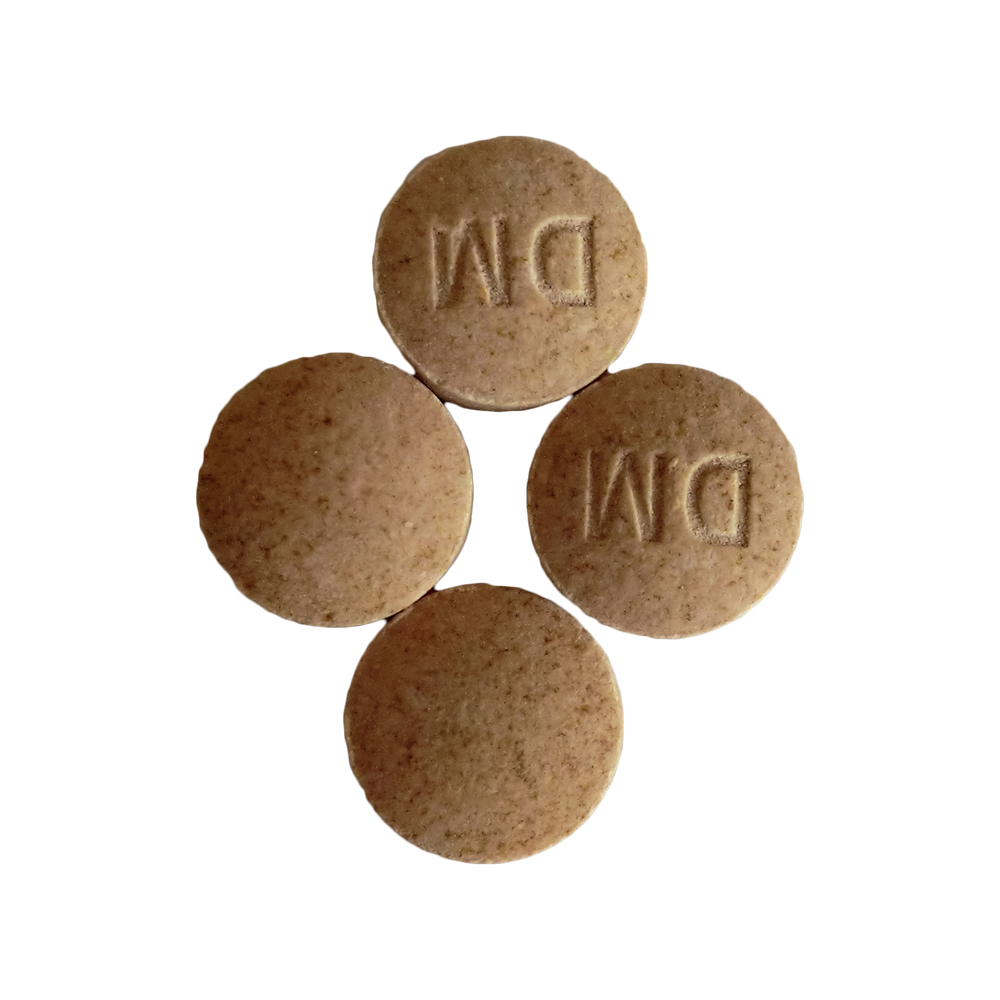
Cold Cure is a traditional-style blend—ginger, processed aconite, roasted licorice, astragalus, rice wine extract, epimedium—adapted for modern feed/water systems. Internally, we look at it as a thermoregulation and circulation support tool rather than a “cure.” Label talk aside, the practical use is short courses during cold stress. Quick note: use under professional guidance; processed aconite must meet strict alkaloid limits.
| Spec | Cold Cure (approx., real-world may vary) |
|---|---|
| Form | Fine powder or water-soluble granule |
| Key actives (QC targets) | Gingerols ≈0.8–1.2%; Astragaloside IV ≈0.05–0.1%; Icariin ≈0.2–0.5%; Aconitine (processed) ≤0.001% |
| Recommended use | Broilers: 50–150 g/ton feed for 3–5 days; or 100–200 mL/1000 L drinking water (consult your nutritionist) |
| Packaging / Shelf life | 20 kg carton; 24 months sealed, cool/dry |
| Compliance | Manufactured under ISO 22000 + HACCP; GMP+ alignment in progress |
From plant to poultry: process flow (abridged)
- Materials: ginger rhizome, processed aconite (low-alkaloid), roasted licorice, astragalus root, epimedium leaf; food-grade rice wine extract.
- Methods: water/ethanol extraction; low-temp concentration; carrier blending for flowability; granulation (when specified).
- Testing standards: HPLC/UPLC for marker compounds; ICP‑MS for heavy metals (GB 5009 series); Salmonella & total plate count per ISO 6579/4833; mycotoxins per GB 2761/EU 1881.
- Service life in use: typically 24–48 h effect window post-dosing, depending on stress load; shelf life 24 months sealed.
- Industries: broiler/hatchery, breeder support (as permitted), specialty/organic systems where allowed.

Where herbs for poultry make sense
- Cold snaps or high humidity barns: support respiratory comfort and circulation.
- Transport or post-vaccination dips: stabilize feed and water intake.
- Early brooding: encourage vigor in the first 7–10 days (veterinary oversight advised).
Case study (Hebei, 15,000 broilers, winter): A 4-day waterline course showed +1.1% average daily gain and −0.8% mortality vs. control; FCR improved ~1.2%. House temps were inconsistent, so take it with a pinch of salt—but farm staff asked to repeat the protocol. Internal file data on request.
| Vendor | Certs | Customization | MOQ | Lead time | Notes |
|---|---|---|---|---|---|
| RC Petfood – Cold Cure | ISO 22000, HACCP | Marker-based tweaks (gingerols/icariin) | ≈200 kg | 10–15 days | Strong QC, addressable tech support |
| Vendor A (generic blend) | HACCP | Limited | ≈500 kg | 20–25 days | Lower cost; variable actives |
| Vendor B (premix house) | FAMI-QS | High—bespoke premix | ≈1,000 kg | 25–30 days | Scale, but longer lead time |
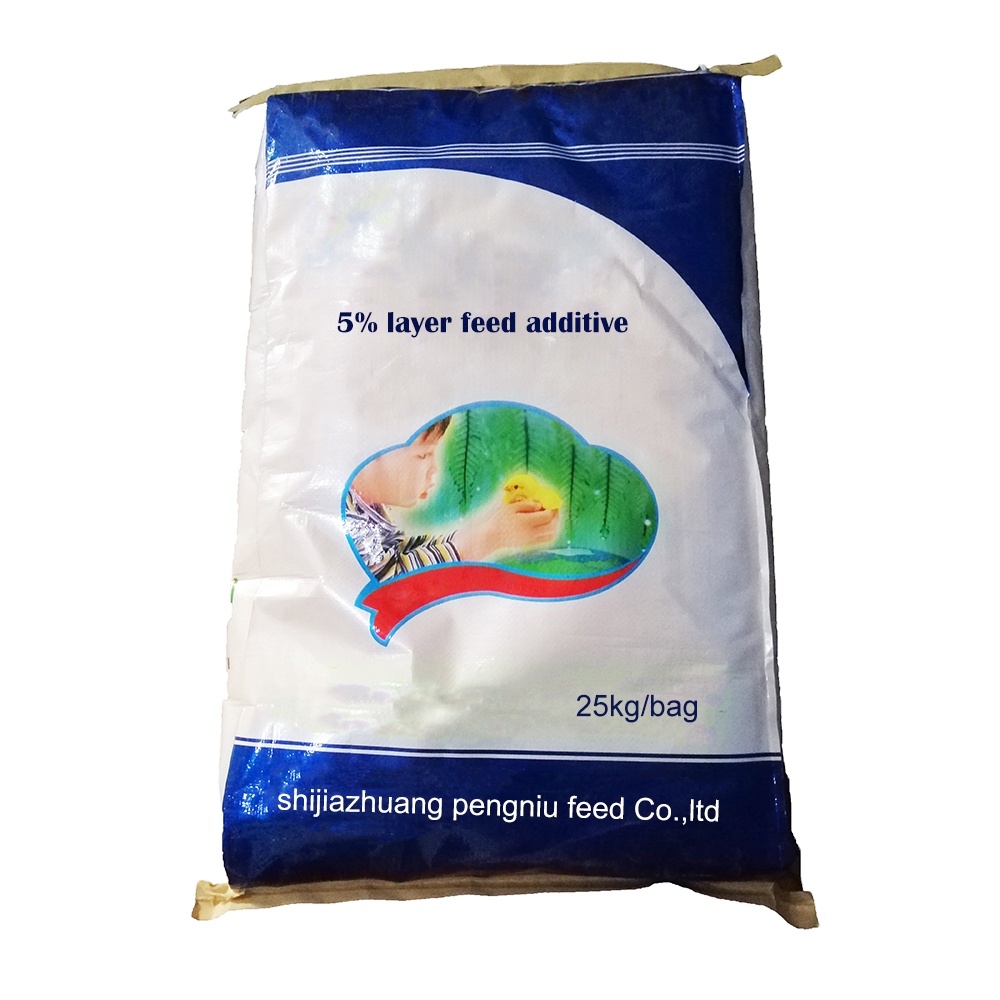
Customization: farms often request lower rice-wine carrier for waterlines, or a “no-aconite” variant for layers. Reasonable asks. Real-world performance may shift with litter quality, energy density, and ventilation.
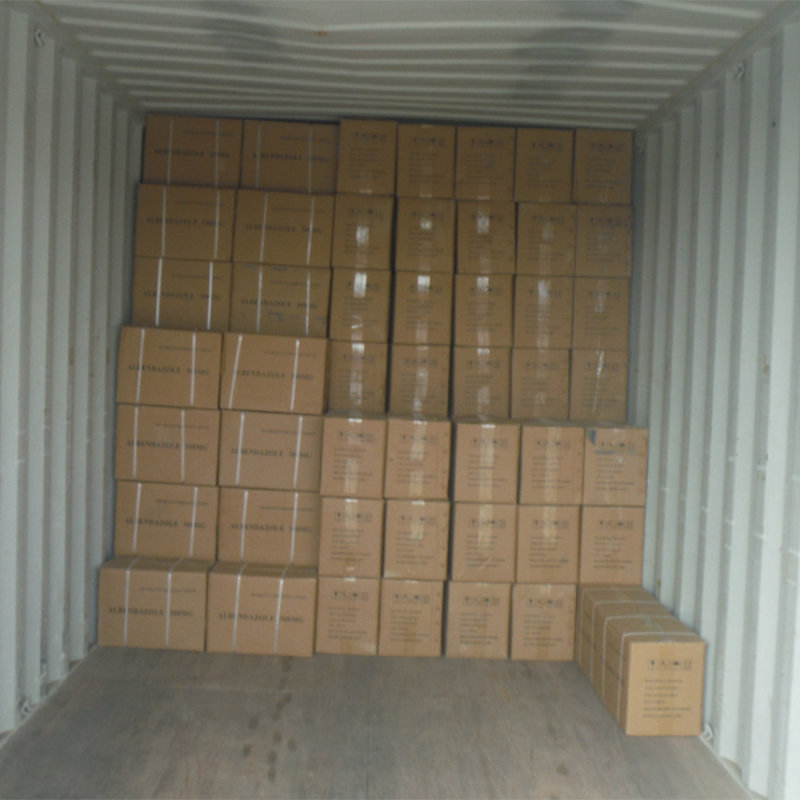
Customer feedback: “Birds kept eating through a nasty cold front—less huddling than last year.” Another manager told me, surprisingly, water intake bounced back a day sooner than usual.
Compliance and safety: Not a drug. Not for diagnosis, treatment, or prevention of disease. Use only as permitted by local regulations; consult your poultry veterinarian or nutritionist—especially for breeders/layers. Processed aconite is tightly controlled and batch-tested for alkaloids.
Origin & contact: Room 2210, Building A, Yihongxia, 298 Zhonghuabei Street, Xinhua District, Shijiazhuang City, Hebei Province, China.
References
- FAO. Phytogenic feed additives in animal nutrition: trends and prospects. https://www.fao.org
- EFSA Scientific Opinion on safety of botanicals in animal feed. https://efsa.europa.eu
- Windisch W. et al. Phytogenic feed additives in animal nutrition—A review. Animal Feed Science and Technology. https://doi.org/10.1016/j.anifeedsci.2008.03.007
- ISO 22000: Food safety management systems. https://www.iso.org/standard/65464.html
Post time: October 20, 2025