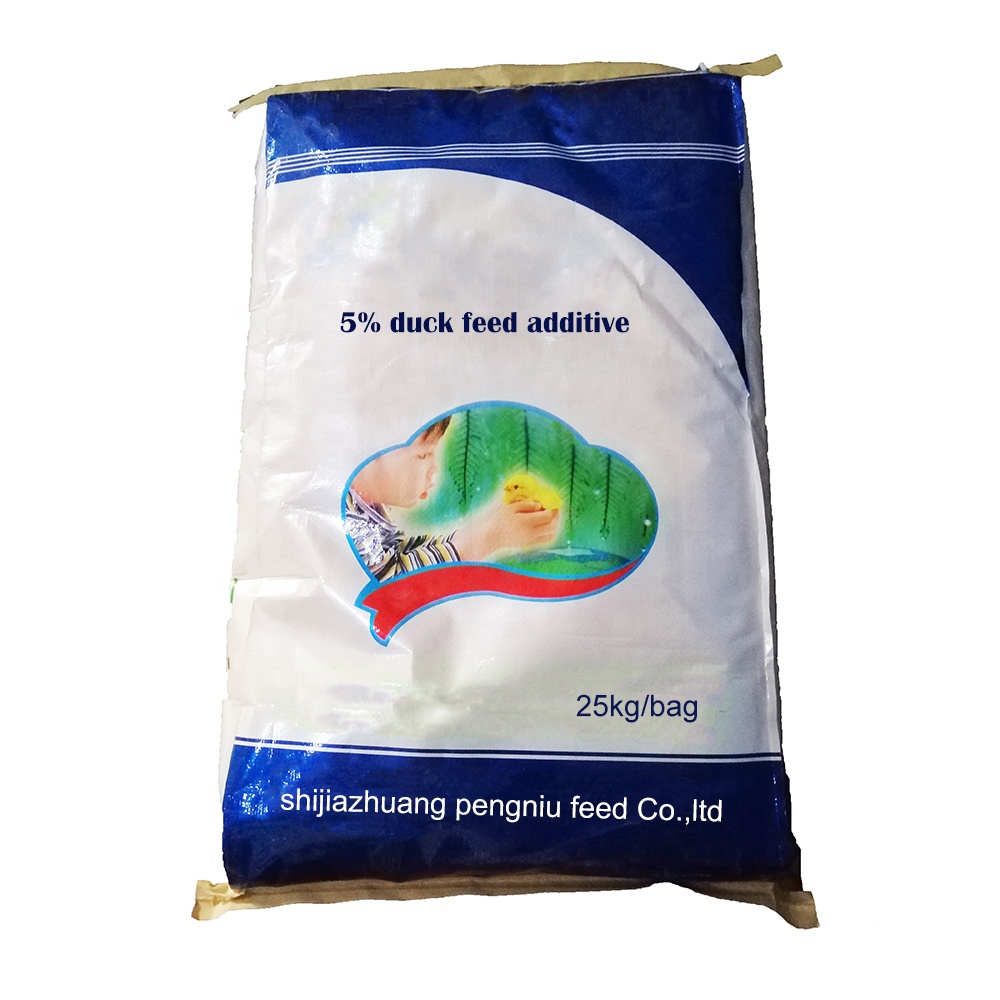
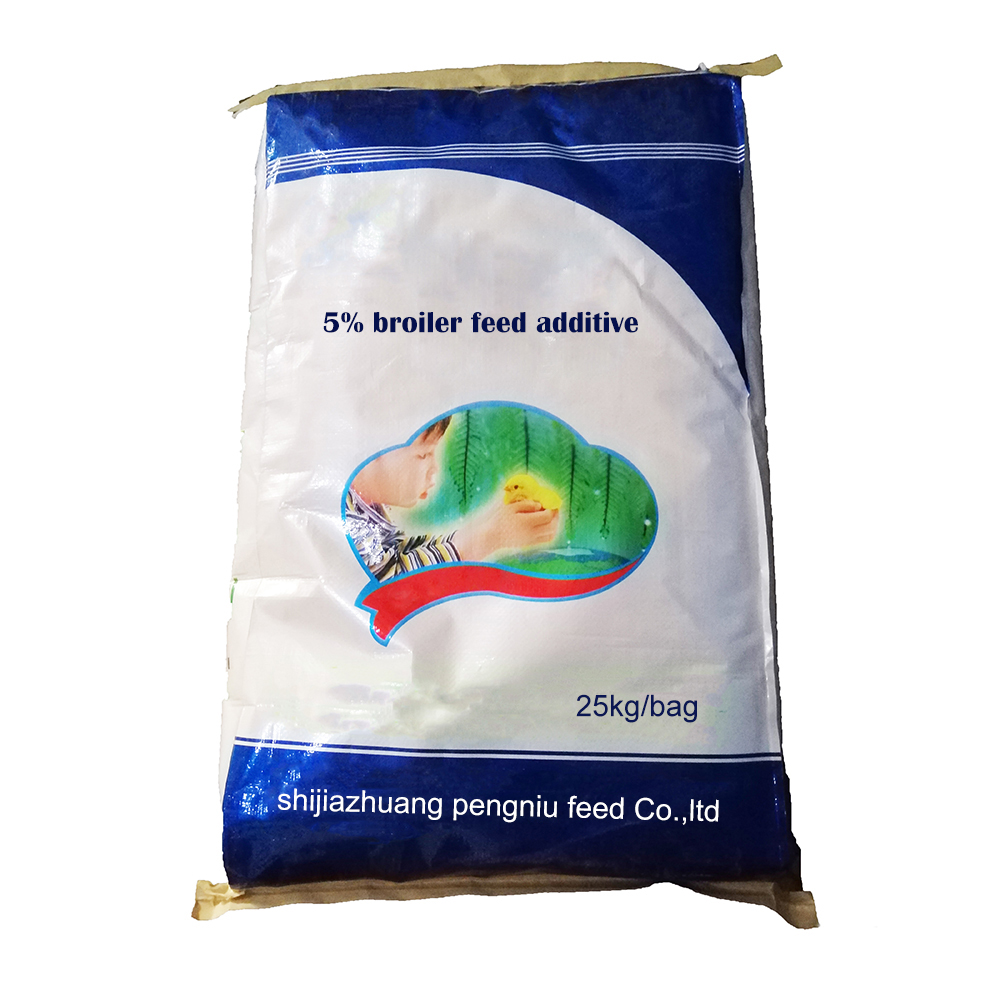
Afghanistan's livestock sector is heavily reliant on traditional grazing, which often leaves animals vulnerable to seasonal nutritional gaps. The arid climate and rugged geography limit the availability of high-quality forage, creating an urgent demand for animal food additives that can bridge the micronutrient gap and ensure animal health during winter months.
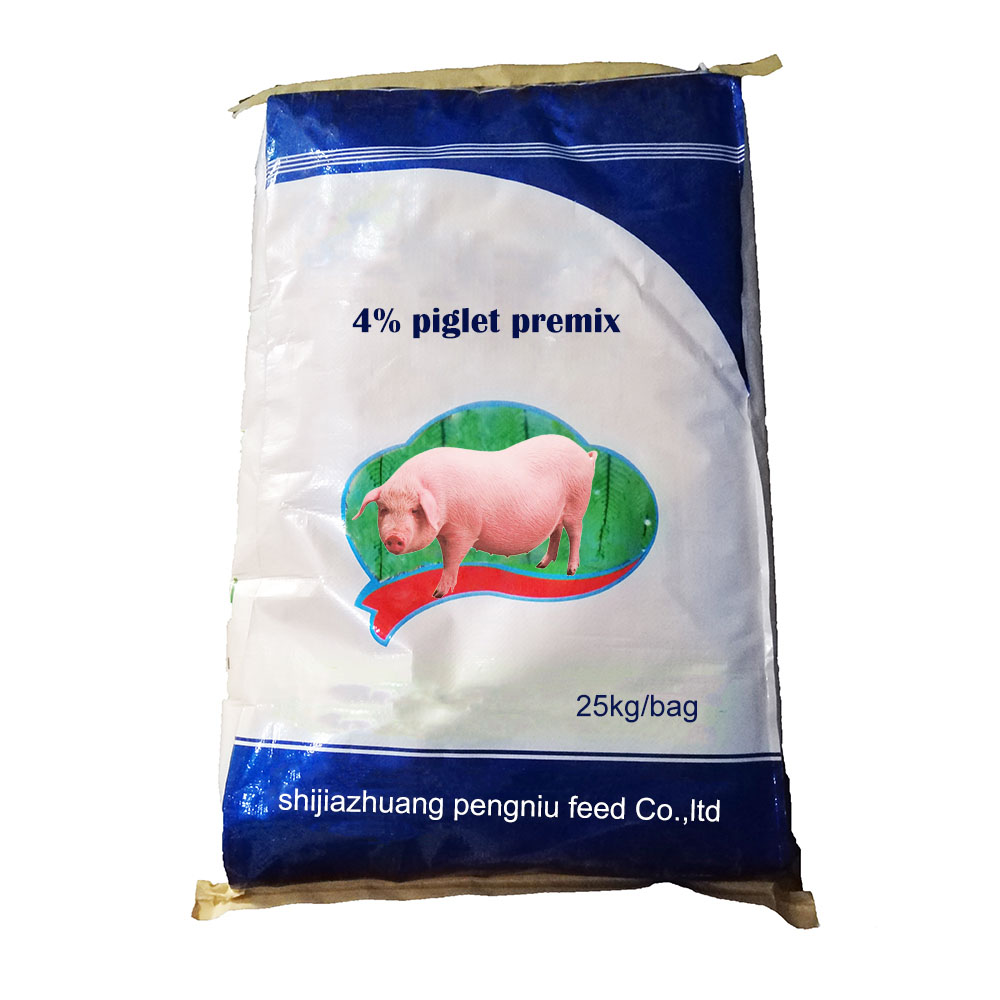
Currently, the market sees a transition from basic grains to more scientific formulations. The integration of compound feed is becoming essential for farmers looking to scale their meat and dairy production, moving away from erratic local feed sources toward standardized, pharmaceutical-grade supplements.
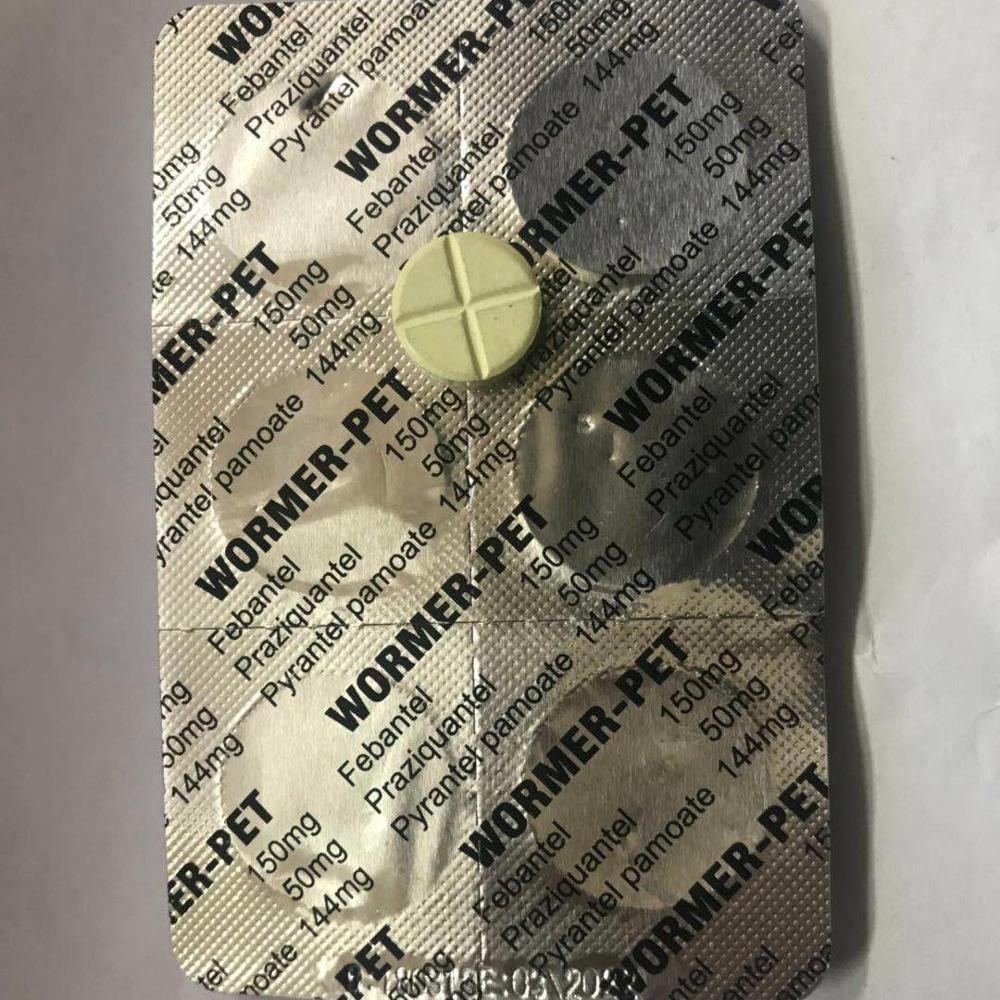
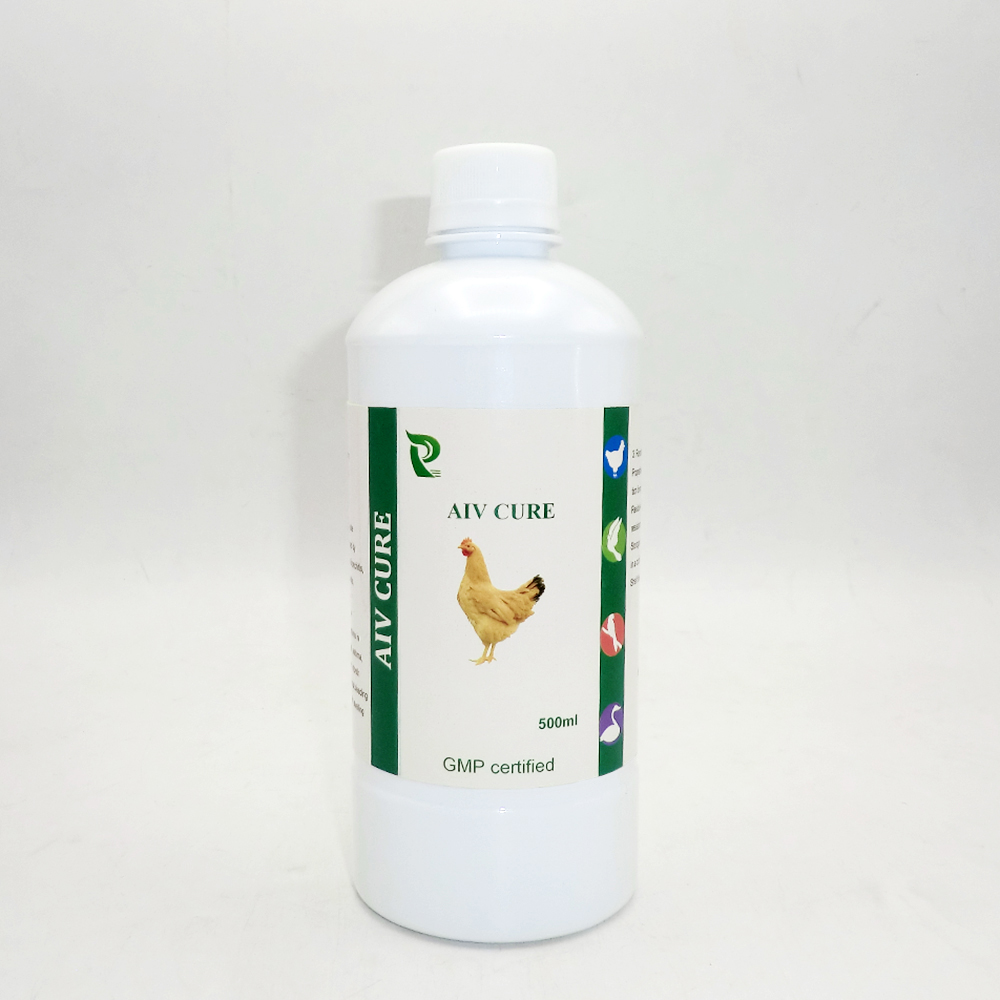
Despite the potential, the lack of localized pharmaceutical-grade manufacturing means that high-potency animal feed supplement options are often imported, leading to inconsistent supply chains and the need for more stable, long-shelf-life nutritional solutions tailored to local breeds.