Ivermectin Injection Tractor Supply: What You Should Know
Having spent more than a decade working around the industrial agriculture and equipment sector, I’ve seen how certain products quietly become essential — even if they don’t get much fanfare. Ivermectin injection tractor supply is one of those things that, frankly, feels like the unsung hero on many farms.
Now, you may be wondering why tractors and ivermectin injections would come up in the same breath. Oddly enough, when you’re managing livestock and crops, the tractor isn’t just a piece of machinery; it’s often your mobile base of operations. And having the right injection supplies — including ivermectin, a trusted anti-parasitic — close at hand can save crucial time, especially during peak seasons.
In practical terms, many farms order ivermectin injections through the same supplier channels they use for tractor parts. The logic? Reducing downtime by coordinating shipments and local availability. I’ve noticed that stores specializing in tractor supply often carry veterinary medications, noting how intertwined equipment and animal care have become.
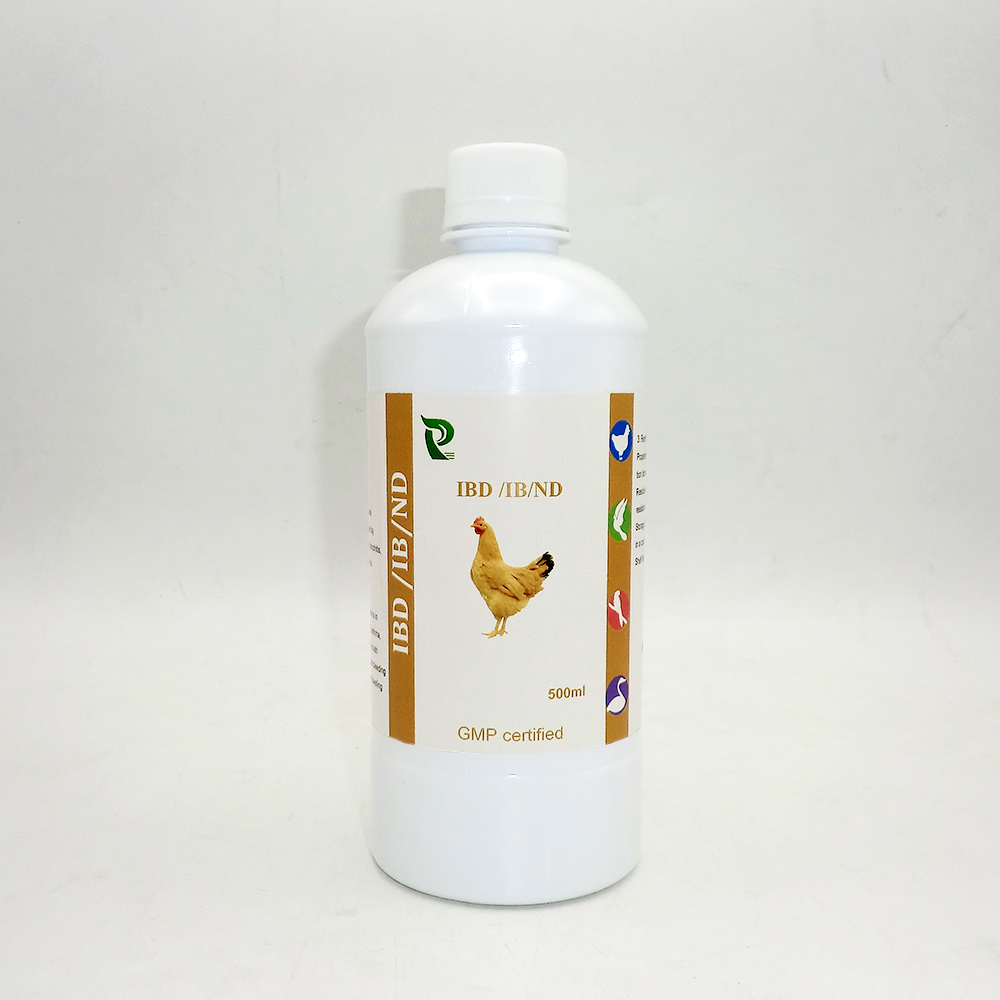
Let’s briefly unpack what ivermectin injection is. It’s a widely used parasiticide that controls internal and external parasites in cattle, horses, sheep, and more. The injection form provides a direct, controlled dosage, which is particularly useful in large herds or when administering treatment on the move — again, where that tractor supply comes into play.
If you’re sourcing ivermectin injection “tractor supply” style — meaning, from vendors or stores serving the agricultural equipment market — some product specs matter more than others. Here's a rundown of typical ivermectin injection specs that you want to keep an eye on:
| Specification | Details |
|---|---|
| Active Ingredient | Ivermectin 1% |
| Formulation | Injectable solution (intramuscular or subcutaneous) |
| Container Size | 50 mL or 100 mL vials |
| Shelf Life | Up to 2 years stored below 25°C |
| Dosage Guidelines | 200 mcg/kg body weight |
Choosing a supplier takes more than just glancing at specs, though. From my time working with farm managers and procurement leads, vendor dependability, regulatory compliance, and local availability often tip the scale. Here’s a quick comparison I put together between some common vendors that provide ivermectin injections alongside tractor supply equipment:
| Vendor | Product Range | Local Stock | Pricing | Additional Services |
|---|---|---|---|---|
| Tractor Supply Co. | Wide (equipment + veterinary meds) | Good in rural areas | Moderate | Farm equipment repairs, seasonal discounts |
| AgriVet Supplies | Focus on veterinary pharmaceuticals | Limited, mostly online | Competitive | Consultations, delivery |
| Farm & Field Supply | Balanced equipment + medications | Excellent in Midwest regions | Reasonable | Training sessions, bulk discounts |
I recall a client recently mentioning how having a dependable tractor supply store nearby, with ivermectin injections stocked, helped them avoid a serious parasite outbreak after a wet season. They were able to treat their cattle promptly, reducing losses and upkeep costs — which is exactly why having both under one roof matters.
So, if you’re in the market for ivermectin injection tractor supply stock, think beyond just pure product specs. Look for accessibility, reliability, and support — especially in rural farming contexts where time is often your scarcest resource.
To sum it up, these supplies might seem mundane, but in real terms, they’re crucial cogs in the agricultural machine. Kind of like the steady tractor itself.
— Written by someone who’s rolled sleeves on farms and in shops, observing what really works.
Quick References
- FDA Veterinary Medicine guidelines on ivermectin injection usage
- Local agricultural extension office advisories on parasite control
- Industry veteran interviews from agricultural trade journals, 2019-2023
Post time: December 3, 2025