Real-World Guide to Ivomec Injectable For Sale (Ivermectin 1% Injection)
If you manage cattle, swine, sheep, or goats, you already know: parasite pressure doesn’t care about your schedule. I’ve toured enough feedlots and family farms to see the same theme—when ivermectin is on point, weight gains and feed efficiency follow. Here’s a straight-talking, technically grounded look at Ivermectin 1% Injection that many customers casually call Ivomec Injectable For Sale, including specs, testing, vendor options, and where it actually fits on-farm.
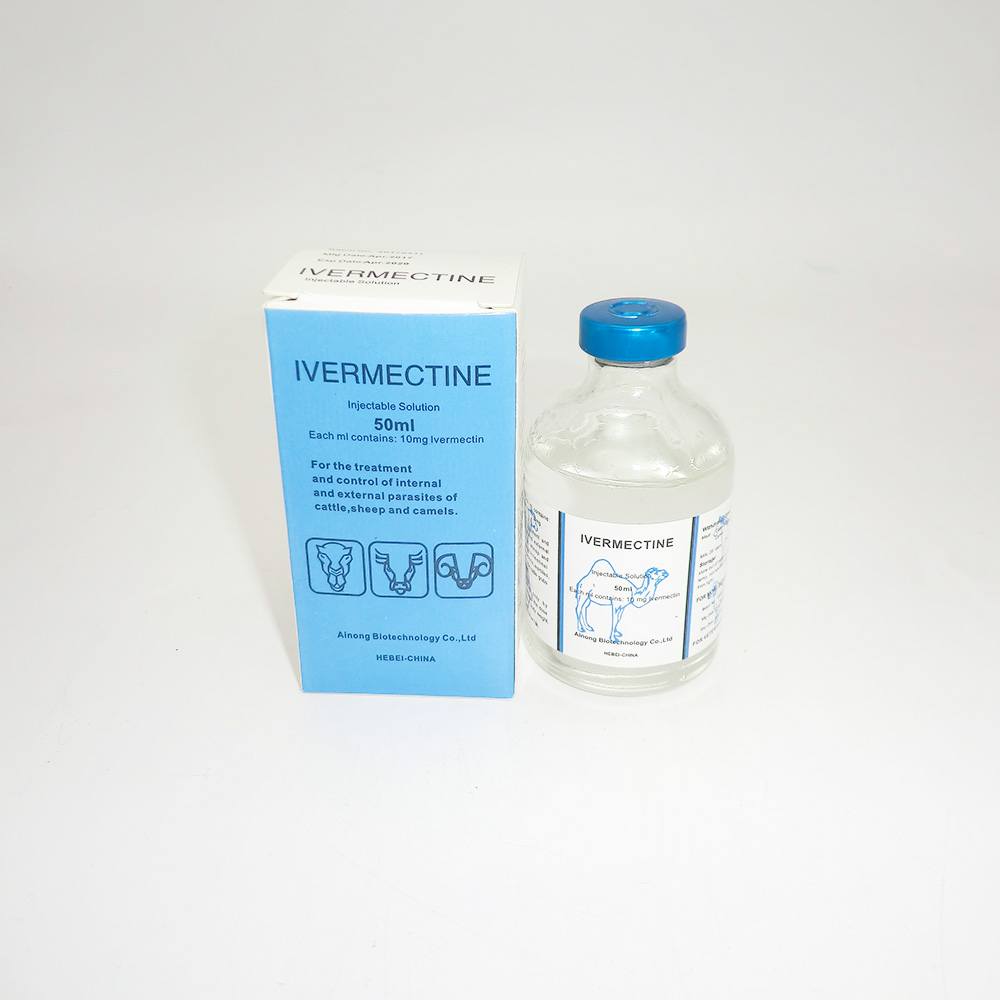
What it is and why it’s used
Ivermectin 1% Injection (10 mg/mL) is a broad-spectrum antiparasitic for livestock—effective against key internal and external parasites (varies by species and label). The injectable route offers rapid absorption and long coverage. Honestly, it’s popular because it’s predictable and practical.
Typical application scenarios
- Preconditioning and arrival processing in beef operations
- Dairy heifer programs during strategic deworming windows
- Swine farrow-to-finish units during all-in/all-out turns
- Sheep/goat parasite management, integrated with FEC monitoring
Dosing should follow your veterinarian’s guidance and the product label (species, route, and withdrawal times matter). Many producers use the common 1% equivalence of ≈200 μg/kg in cattle, but yes—check your specific label.
Product specifications (Ivermectin 1% Injection)
| Parameter | Spec (≈, real-world use may vary) |
|---|---|
| Active ingredient | Ivermectin 10 mg/mL (1%) |
| Dosage form/route | Sterile injectable solution; SC/IM per species label |
| Target species | Cattle, swine, sheep, goats (label-dependent) |
| Packaging | 50 mL / 100 mL / 500 mL (typical options) |
| Shelf life | ≈24 months unopened; use within ≈28 days after first puncture |
| Storage | 15–30°C, protect from light; do not freeze |
| Compliance | Manufactured in GMP-compliant facility; batch COA available |
How it’s made: materials, methods, testing
Process flow (simplified): pharmaceutical-grade ivermectin API → solvent system compounding under ISO-class cleanroom → 0.22 μm sterile filtration → aseptic filling → visual inspection (ISO 2859-1 sampling) → packaging → stability holds → batch release with COA.
- Key tests: potency by HPLC, sterility (USP <71>/Ph. Eur. 2.6.1), particulate matter (USP <788>), pH/viscosity, and endotoxin checks.
- Stability: ICH/VICH-aligned studies (e.g., accelerated 40°C/75% RH; real-time 25°C) to support labeled shelf life.
Vendor comparison (what buyers actually ask)
| Vendor | Quality & Docs | MOQ / Lead Time | Customization | Service |
|---|---|---|---|---|
| RC Petfood (Hebei, China) | GMP site, batch COA, MSDS; export-experienced | Moderate MOQ; ≈2–4 weeks | Private label, multi-language, pack sizes | Technical team; responsive after-sales |
| Local ag supply | Retail label; basic docs | No MOQ; immediate pickup | Limited | In-person convenience |
| Global marketplace | Mixed; verify COA/GMP | Varies; shipping delays possible | Some private label | Seller-dependent |
It seems the sweet spot for many medium-size operations is a GMP-backed producer with flexible packaging and clear docs—in other words, fewer surprises.
Field results and feedback
Case snapshot: a 3,000-head Midwestern feedlot used ivermectin injection on arrival alongside standard vaccines. Fecal egg counts dropped ≈93% by Day 14, average daily gain improved ≈0.07 lb/head/day over the first 28 days vs. prior cohort. Not a randomized trial, to be honest, but it mirrors what many managers report: cleaner parasite status helps the rest of the program shine.
Customers often note smooth injections, minimal site reactions, and consistent viscosity. Price-per-head is usually the clincher.
Customization and logistics
- Private labeling and box art aligned with your market rules
- Pack sizes: 50/100/500 mL; cartons/trays for chiller storage
- Documents: COA, GMP statement, QC summary, MSDS; veterinary registration support where applicable
- Origin: Room 2210, Building A, Yihongxia, 298 Zhonghuabei Street, Xinhua District, Shijiazhuang, Hebei, China
Final note: whether you call it Ivomec Injectable For Sale or plain Ivermectin 1%, align with your vet, respect withdrawal times, and stick to label routes. That’s how you keep the gains and avoid regulatory headaches.
References
- Merck Veterinary Manual: Ivermectin—Pharmacology, uses, and species guidance. https://www.merckvetmanual.com/
- FDA Center for Veterinary Medicine (CVM): Antiparasitic drugs in food-producing animals—regulatory and residue guidance. https://www.fda.gov/animal-veterinary
- VICH Guidelines (e.g., Stability Testing GL3): International harmonization for veterinary products. https://www.vichsec.org/
- USP General Chapter <71> Sterility Tests; USP <788> Particulate Matter in Injections. https://www.usp.org/
- JECFA (FAO/WHO) Ivermectin monographs and residue considerations. https://www.fao.org/jecfa/
Post time: October 28, 2025