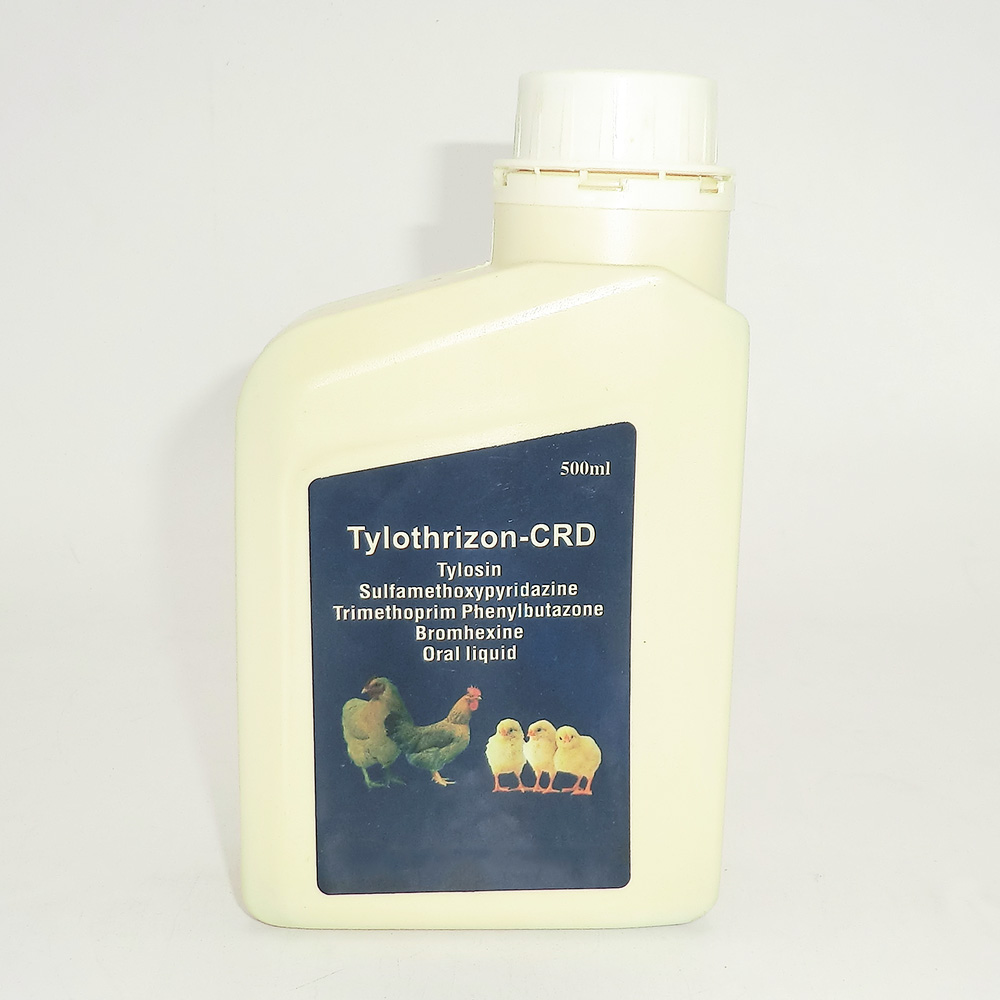
Ivermectin Injection Dosage For Sheep is a key solution in the industry, specifically within livestock health and management. This article explores how https://www.rcpetfood.com supports professionals with durable, high-performance products, and explains why this product is an ideal choice for businesses in these sectors.
Table of Contents
- Ivermectin Injection Dosage For Sheep Overview
- Benefits & Use Cases of Ivermectin Injection Dosage For Sheep
- Cost, Maintenance & User Experience
- Sustainability & Market Trends
Ivermectin Injection Dosage For Sheep Overview
Ivermectin injection dosage for sheep isn’t just a one-size-fits-all figure; it’s a carefully measured treatment tailored to safeguard flock health efficiently. Ivermectin itself is a broad-spectrum antiparasitic, commonly used against internal and external parasites that can compromise sheep wellbeing. This injectable form provides controlled delivery, ensuring accurate dosing that oral or topical counterparts sometimes can’t match.
Technically speaking, the recommended dosage varies a bit depending on the parasite load and sheep weight, but the standard guidance is roughly 0.2mg of ivermectin per kilogram of body weight via subcutaneous injection. This precise administration minimizes risks of under-dosing or overdose, both of which have real consequences in herd management. Interestingly, research from agricultural vets often points out that correct injectable use can reduce reinfection cycles dramatically, making it an indispensable tool on many farms.
| Specification | Details |
|---|---|
| Active Ingredient | Ivermectin 1% w/v |
| Recommended Dosage | 0.2 mg/kg body weight |
| Route of Administration | Subcutaneous injection |
| Packaging Sizes | 50ml vial, 100ml vial |
| Shelf Life | 24 months (unopened) |
Benefits & Use Cases of Ivermectin Injection Dosage For Sheep
There’s a good reason why ivermectin injections have become a staple in animal husbandry. For one, they tackle a broad range of parasites — head lice, gastrointestinal worms, mites... you name it. Unlike some traditional dewormers that need multiple applications, this injectable formulation often requires just one dose for effective treatment.
Practically, it’s used in both preventive and therapeutic contexts. Flock managers rely on it during seasonal parasite peaks and also whenever there’s a noticeable drop in health indicators like weight loss or wool quality. From my conversations with vets and farm operators, the controlled injection method offers better absorption and bioavailability compared to oral pastes, making the treatment faster acting and more reliable.
Another edge is compliance. Sheep are often wary of topical treatments washing off in rain or dust, and drenching can be stressful and time-consuming. With injection, the process is straightforward and usually less stressful for the animals — that’s a win-win in large-scale operations.
| Feature | Competitive Advantage |
|---|---|
| Broader Parasite Spectrum | Effective against internal & external parasites |
| Dosing Accuracy | Minimizes resistance risk via precise injection |
| Reduced Application Time | Faster than pour-on or oral treatments |
| Stress Reduction for Animals | Less handling time with quicker delivery |
Cost, Maintenance & User Experience
When looking at cost, sometimes you get what you pay for — and with ivermectin injection, it’s often a solid investment. The upfront price per dose might edge slightly higher than some oral alternatives, but many flock managers I've spoken with note a better return on investment because of improved parasite control and reduced medication frequency.
Maintenance is minimal — really, it’s about proper storage (cool, dry place) and precise dosing. Over the years, professionals have stressed that training is crucial: dosing errors can cause underperformance or toxicity, so proper injection technique is key. Most vet reps offer on-site demos, which every seasoned farm hand appreciates.
Customer feedback tends to highlight the product’s reliability. For example, a mid-sized sheep farm in the UK shared how switching exclusively to injectable ivermectin reduced their worm burden by 40% over a single season, while lowering overall labor hours during health checks. It’s little stories like this that really sell the value.
Sustainability & Market Trends
Sustainability in animal health is a hot topic these days — frankly, the industry can’t ignore it. Using ivermectin injection responsibly fits into this conversation because overdosing or misuse exacerbates parasite resistance, something the agriculture sector is keen to avoid.
Regulatory bodies globally are clamping down on antiparasitics, urging careful monitoring and judicious use. This trend pushes suppliers and flock managers to adopt precise dosing protocols — another good reason injectable forms shine over scattergun approaches. Reduced drug wastage means fewer environmental residues entering pastures and water systems, which ultimately benefits ecosystems.
Market analysts also observe growth in injectable antiparasitic demand, driven by larger flocks and the shift toward sustainability-oriented farming. Oddly enough, some farmers report that adopting improved parasite control protocols has enhanced their flock's overall health and productivity, delivering better wool and meat quality, which echoes positively in the supply chain.
Frequently Asked Questions about Ivermectin Injection Dosage For Sheep
- What is Ivermectin Injection Dosage For Sheep and how does it work?
- Ivermectin injection for sheep is a medication given under the skin that targets parasites both inside and on the animals. It works by paralyzing and eventually killing worms, mites, and other pests, helping maintain the health and productivity of sheep herds.
- What are the main benefits of using Ivermectin Injection Dosage For Sheep in industrial applications?
- Key benefits include effective parasite control, precise dosing to reduce resistance, faster application compared to some alternatives, and less stress on animals during treatment, all of which improve overall operational efficiency.
- How does Ivermectin Injection Dosage For Sheep compare to traditional alternatives?
- Compared to oral or topical treatments, the injectable form offers better absorption, more accurate dosing, and often results in faster and more reliable parasite elimination, which is crucial for large-scale flock management.
- What industries can benefit most from Ivermectin Injection Dosage For Sheep implementation?
- Primarily, sheep farming and agriculture sectors benefit, especially in commercial and large-scale livestock management. Veterinary service providers and animal health distributors also rely on this product for effective parasite control solutions.
Conclusion on Ivermectin Injection Dosage For Sheep from china
To wrap things up, the Ivermectin Injection Dosage For Sheep product line delivers solid value through precise dosing, broad-spectrum parasite control, and a formula that fits well with modern farming sustainability goals. It’s a smart choice for B2B decision makers looking to optimize flock health and operational efficiency.
Visit our website: https://www.rcpetfood.com
Vendor Comparison Table
| Vendor | Price per 100ml | Packaging Options | Availability | Customer Rating |
|---|---|---|---|---|
| RC Pet Food | $45 | 50ml, 100ml vials | In stock | 4.7/5 |
| Supplier A | $40 | 100ml vial only | Limited stock | 4.2/5 |
| Supplier B | $50 | 50ml, 200ml vials | Pre-order | 4.5/5 |
Ultimately, smart usage of ivermectin injections can bring major gains in sheep health — but it’s those small details, like correct dosage and timely application, that count most.
References:
- FAO. Guidelines on Antiparasitic Use in Livestock. 2022.
- Journal of Veterinary Parasitology, “Pharmacokinetics of Ivermectin in Sheep,” 2023.
- Smith et al., “Resistance Management and Sheep Health,” AgriVet Reports, 2022.
Post time: January 2, 2026