Understanding the Role of Poultry Vitamin Mineral Premix
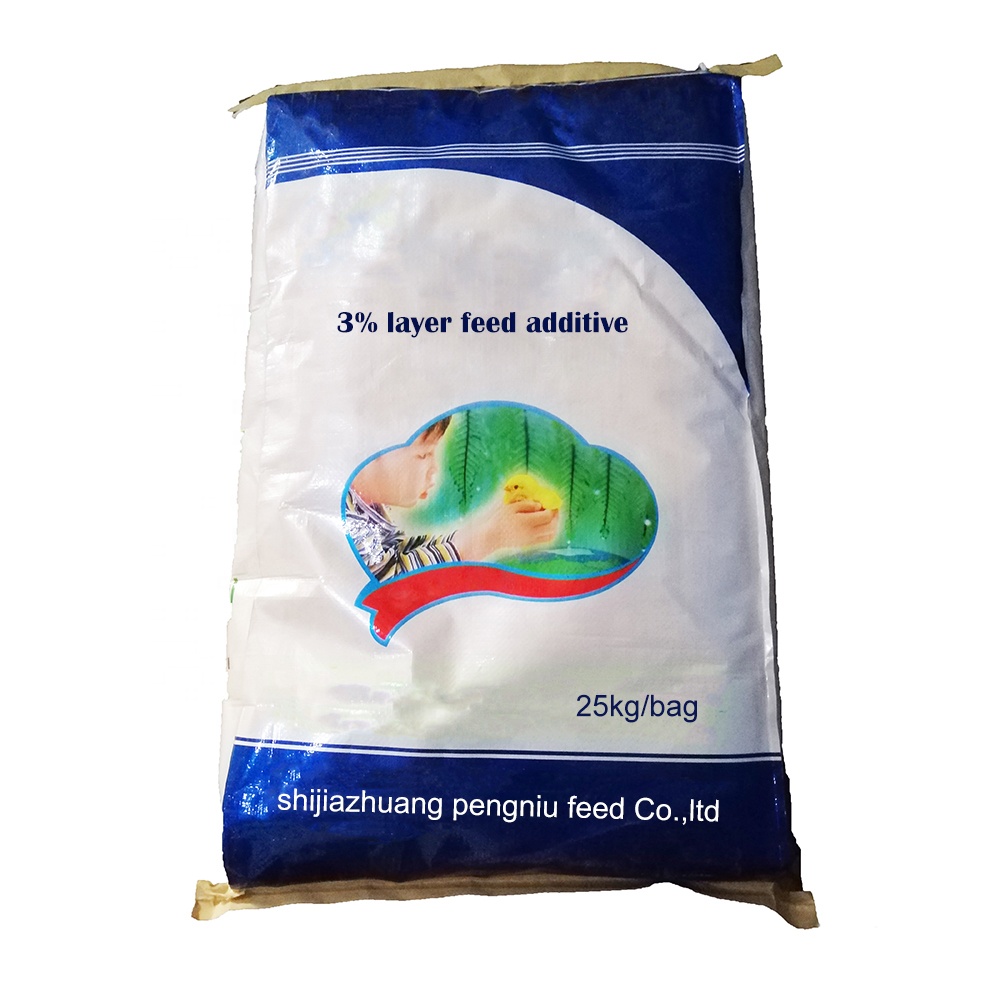
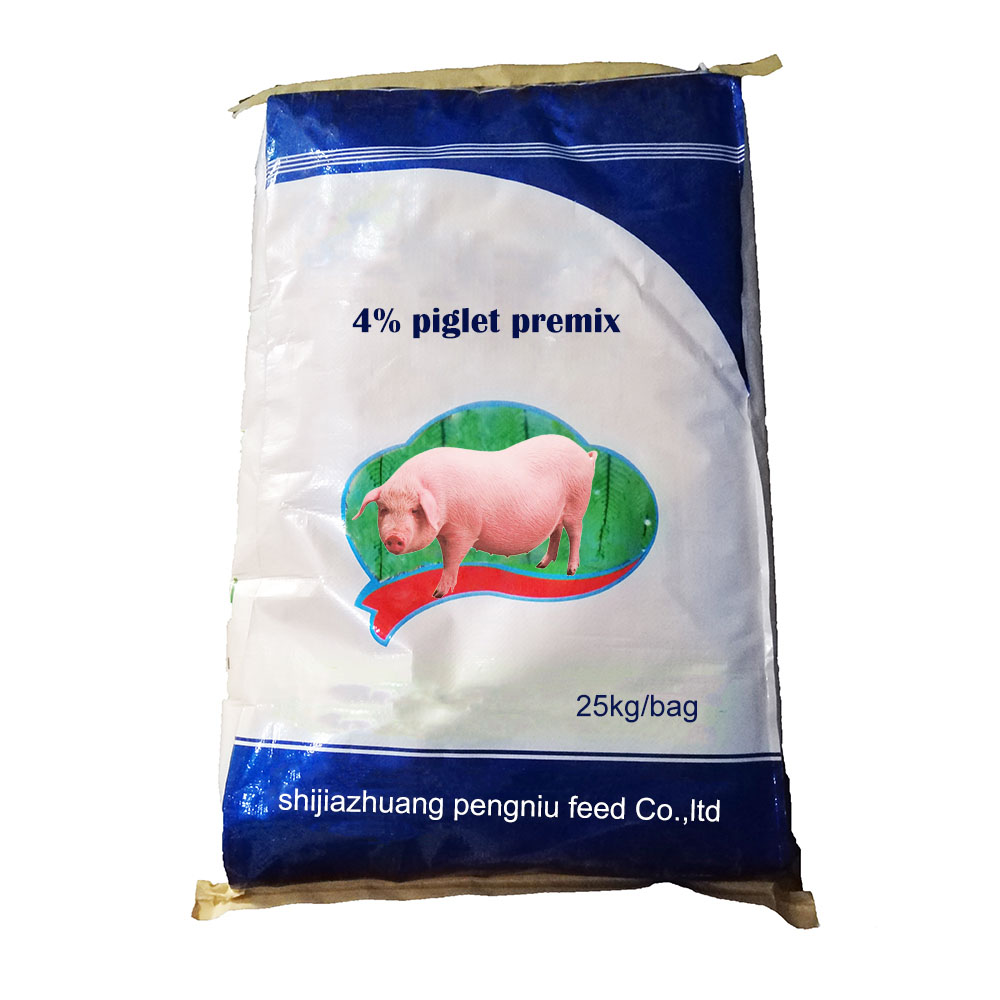
Having spent well over a decade in the industrial feed sector, I can say one thing for certain: not all vitamin mineral premixes for poultry are created equal. You might be tempted to think of these additives as just numbers and percentages on a sack, but frankly, they’re the cornerstone of healthy, productive flocks. If you’re raising chickens, whether for eggs or meat, the right blend of vitamins and minerals can mean the difference between slow growth or thriving birds that fight off diseases with vigor.
What I’ve noticed time and again — especially working alongside feed mills and integrators — is how this premix quietly does its magic behind the scenes. Few people see or think about it. Yet, a precise formula ensures proper metabolism, bone development, and even better egg shell quality. For a feed mill manager or farmer, that often translates to fewer returns, better feed conversion ratios, and a positive bottom line.
Why Choose a Quality poultry vitamin mineral premix?
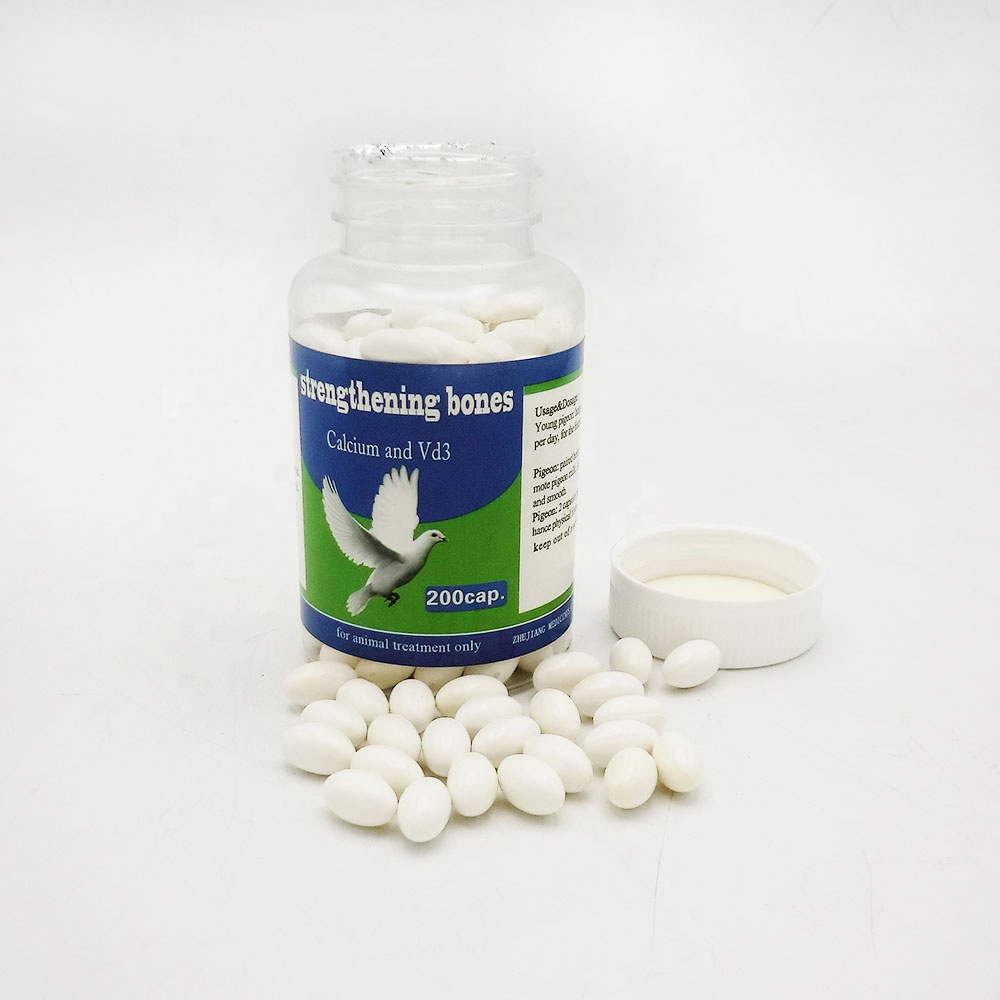
On a technical note, these premixes typically combine fat- and water-soluble vitamins with essential macro- and trace minerals. For example, vitamin A, D3, E, B-complex, calcium, phosphorus, zinc, manganese, and selenium just to name a few. But it’s not about just ticking the boxes. The source and bioavailability of each ingredient impact how well your poultry can absorb and utilize them.
I recall a project where switching from a generic premix to a tailored formulation saved one integrator several thousand dollars per month by reducing feed wastage and improving flock uniformity. That hit home how vital quality control and vendor reliability are in this business — it’s not an area to cut corners.
| Component | Typical % or mg/kg | Role in Poultry Health |
|---|---|---|
| Vitamin A (Retinol) | 10,000 IU/kg | Supports vision, growth, immune function |
| Vitamin D3 | 3,000 IU/kg | Calcium absorption and bone strength |
| Vitamin E (Tocopherol) | 50 mg/kg | Antioxidant and immune health |
| Calcium | 30,000 mg/kg | Eggshell formation, skeletal health |
| Zinc | 80 mg/kg | Feathering and growth enzyme functions |
| Selenium | 0.3 mg/kg | Prevents oxidative damage and supports immunity |
How to Evaluate Premix Suppliers for Consistent Results
This is where many get stuck. Premix is something you can’t just swap every month on a whim. Consistency matters — and that means knowing the supplier’s testing regime, production standards, and on-time delivery track record.
| Feature | RCPet Food | Competitor A | Competitor B |
|---|---|---|---|
| Custom Formulation Options | Yes | Limited | No |
| Batch Testing & Certification | Comprehensive | Basic | Moderate |
| On-time Delivery | 95% | 85% | 75% |
| Customer Support & Technical Advice | Available | Limited | None |
| Pricing | Competitive | Higher | Lower quality |
Honestly, when I recommend feeds or premixes, I always lean towards vendors that offer transparent quality assurance and a collaborative approach. The last thing you want is surprises halfway through a production run — and that’s when you realize a little extra research or partnership goes a long way.
Getting the Most Out of Your Premix
In real terms, dosing your poultry vitamin mineral premix just right and mixing it uniformly in the feed is crucial. Uneven distribution isn’t just inefficiency; it can create pockets of deficiency or toxicity. I can’t tell you how many times little details like storage temperature or humidity control in the feed mill prevented premature degradation of vitamins.
On a personal note, I find it satisfying when a farmer calls me months later, saying his birds are healthier, that growth is steady, or that egg shell quality has improved. It reminds me that beyond spreadsheets or specs, these premixes support whole livelihoods — families and businesses — which is why I never take this part lightly.
If you’re considering investing in top-tier formulation, I’d suggest starting with trusted brands. You can check a variety of options including poultry vitamin mineral premix that balances formulation quality, cost, and supplier reliability.
Anyway, that’s the lowdown from my years working amidst feed silos and lab reports — it feels like a small piece of the puzzle that makes a big difference.
References and further thoughts:
- "Nutritional Requirements of Poultry," National Research Council, 1994.
- Industry case study, Feed Mill Integration, 2019.
- Supplier quality and certification reports, 2023.
Post time: November 12, 2025