The Critical Role of Advanced Equine Pharmaceuticals
In the demanding world of equine health management, the efficacy and safety of pharmaceutical products are paramount. Veterinary professionals and livestock managers require reliable solutions that adhere to stringent quality standards and deliver consistent results. This article delves into the intricacies of modern equine medication, focusing on the development, application, and strategic procurement of high-quality horse medicine. We will explore industry trends, technical specifications, and the advantages offered by specialized formulations, with a particular emphasis on products like Aversectin C 1% paste. Understanding the technical nuances and supply chain dynamics is crucial for securing optimal health outcomes for valuable equine assets.
The demand for effective and easily administrable veterinary pharmaceuticals is consistently rising, driven by advancements in equine sports, breeding, and general husbandry. Ensuring access to high-quality wholesale pet meds is a cornerstone for animal health organizations globally, facilitating efficient disease prevention and treatment protocols across diverse settings.
Industry Trends in Equine Pharmaceutical Care
The equine pharmaceutical industry is characterized by continuous innovation and increasing regulatory scrutiny. Key trends include:
- Precision Medicine: A growing focus on targeted therapies and diagnostics to minimize side effects and optimize treatment efficacy.
- Sustainable Sourcing & Manufacturing: Increased demand for environmentally responsible production practices and ethically sourced raw materials.
- Advanced Delivery Systems: Development of more palatable, stable, and easy-to-administer formulations, such as pastes, gels, and long-acting injectables, enhancing compliance and animal welfare.
- Antimicrobial Stewardship: A critical emphasis on responsible use of antibiotics and antiparasitics to combat drug resistance, leading to new drug development and improved diagnostic protocols.
- Digital Health Integration: Adoption of telehealth, remote monitoring, and data analytics to improve disease surveillance and treatment management for equine populations.
These trends directly impact the formulation, testing, and distribution of essential products like Aversectin C 1% paste, ensuring that modern horse medicine remains at the forefront of veterinary science. The landscape for wholesale pet meds is evolving rapidly to meet these complex demands.
Technical Specifications: Unpacking Aversectin C 1% Paste
Aversectin C 1% paste is a prominent example of modern anthelmintic horse medicine, specifically formulated for the effective control of a broad spectrum of internal parasites in horses. Its active pharmaceutical ingredient (API) is a macrolide lactone, renowned for its potent antiparasitic activity.
Mechanism of Action
The active compound in Aversectin C selectively binds to glutamate-gated chloride ion channels found in invertebrate nerve and muscle cells. This binding leads to an increase in membrane permeability to chloride ions, resulting in hyperpolarization and paralysis of the parasite. Ultimately, this leads to the death of the parasite, offering a highly effective means of deworming. Its targeted action minimizes impact on the host, as mammals do not possess these glutamate-gated chloride channels.
Product Specification Table: Aversectin C 1% Paste
| Parameter | Specification |
|---|---|
| Product Name | Aversectin C 1% Paste |
| Active Ingredient | Avermectin C (10 mg/g) |
| Formulation | Oral paste for equine administration |
| Dosage Strength | 1% w/w (10 mg Avermectin C per gram) |
| Packaging | Graduated oral syringe (e.g., 6.42g for 600kg body weight) |
| Target Species | Horses, foals, ponies (not for horses intended for human consumption) |
| Spectrum of Activity | Large and small strongyles (adult and larval stages), ascarids, lungworms, bots, pinworms, hairworms, stomach worms. |
| Pharmacokinetics | Rapid oral absorption, peak plasma concentrations typically within 4-12 hours, prolonged elimination half-life ensuring sustained efficacy. |
| Storage | Store below 25°C, protect from light and moisture. |
| Shelf Life | Typically 2-3 years from manufacturing date, once opened use within a specified period (e.g., 6 months). |
| Withdrawal Period | Meat & Offal: 30 days. Not permitted for use in lactating mares producing milk for human consumption. |
Manufacturing Process & Quality Assurance for Equine Pharmaceuticals
The production of high-quality horse medicine, such as Aversectin C 1% paste, adheres to rigorous pharmaceutical manufacturing standards to ensure product safety, efficacy, and consistency. Unlike industrial components that might involve casting or CNC machining, pharmaceutical production focuses on chemical synthesis, formulation, and sterile packaging.
Process Flow: From Raw Material to Final Product
The manufacturing process is meticulously controlled and typically follows these stages:
High-purity Active Pharmaceutical Ingredients (APIs) and excipients are sourced from approved suppliers. Rigorous incoming quality control (QC) testing verifies identity, purity, and potency against pharmacopoeial standards (e.g., USP, EP, BP).
The API (e.g., Avermectin C) is precisely weighed and blended with excipients (e.g., suspending agents, emulsifiers, flavorings) to achieve the desired concentration and consistency for the paste formulation. This takes place in controlled environment rooms.
The mixture undergoes intense homogenization and mixing processes to ensure uniform dispersion of the API throughout the paste, preventing segregation and ensuring consistent dosing in every administration.
The paste is aseptically filled into pre-sterilized, graduated oral syringes. Each syringe is then sealed, labeled with batch numbers and expiry dates, and packaged into secondary cartons, often with administration instructions.
Finished products undergo comprehensive quality control tests including assay of API, dissolution, physical appearance, weight uniformity, pH, and microbial limits. Products are released only after meeting all specified criteria.
Testing Standards & Compliance
All stages of manufacturing are conducted under Good Manufacturing Practice (GMP) guidelines, enforced by regulatory bodies such as the FDA (for products sold in the US), EMA (Europe), and national veterinary medicine agencies. This ensures:
- Traceability: Full traceability of all raw materials and components from supplier to finished product.
- Purity & Potency: Consistent API content and absence of contaminants, verified by techniques like HPLC, GC-MS, and UV-Vis spectrophotometry.
- Stability: Products are subjected to accelerated and long-term stability studies (e.g., ICH guidelines) to determine shelf life and appropriate storage conditions.
- Sterility/Microbial Control: For non-sterile products like pastes, stringent microbial limits testing is performed according to ISO standards and pharmacopoeial methods (e.g., ISO 11737).
The target industries for such high-quality veterinary pharmaceuticals primarily include equine veterinary clinics, large-scale breeding operations, competitive equestrian facilities, and animal welfare organizations involved in horse rescue and rehabilitation. The advantages demonstrated are clear: effective parasite control leads to improved horse health, performance, and longevity, reducing the economic burden of disease and ensuring animal well-being.
Application Scenarios & Technical Advantages
Aversectin C 1% paste, as a prime example of effective horse medicine, is extensively utilized across various equine management scenarios. Its technical advantages stem from its broad-spectrum efficacy, convenient administration, and favorable safety profile.
Typical Application Scenarios:
- Routine Deworming Programs: Essential for maintaining gastrointestinal health in horses of all ages, preventing infestations by strongyles, ascarids, and other common internal parasites. Veterinary protocols often recommend deworming every 8-12 weeks, depending on parasite burden and regional factors.
- Foal & Youngstock Parasite Control: Critical for developing immune systems, protecting young horses from common parasites like Ascarids (roundworms) which can cause severe growth retardation and colic.
- Strategic Control of Bots: Effective against oral and gastric stages of Gasterophilus spp. (bots), which can cause significant damage to the equine digestive tract.
- Pre-shipment/Quarantine Treatment: Administered to new arrivals or horses moving between facilities to prevent the introduction or spread of parasites.
- Integrated Parasite Management (IPM): Used as part of a rotation strategy with other anthelmintic classes to minimize the development of drug resistance.
Technical Advantages:
- Broad-Spectrum Efficacy: Targets a wide array of internal parasites, including both adult and larval stages, offering comprehensive protection. This reduces the need for multiple products and simplifies deworming protocols.
- Convenient Oral Administration: The paste formulation in a graduated syringe allows for precise dosing based on body weight, ensuring optimal efficacy and minimizing waste. The oral route is generally less stressful for horses and administrators compared to injectables.
- High Bioavailability: Rapid and efficient absorption ensures that therapeutic concentrations of the active ingredient reach the target parasites quickly, leading to fast acting and sustained parasiticidal effects.
- Safety Profile: When administered correctly according to label directions, Aversectin C 1% paste has a wide margin of safety for horses, including breeding stock and foals (with appropriate age restrictions). Minimal interaction with other commonly used equine medications is observed.
- Reduced Resistance Potential (when used strategically): As part of a rotational deworming program, macrolide lactones contribute to delaying the onset of anthelmintic resistance, a critical challenge in equine parasitology.
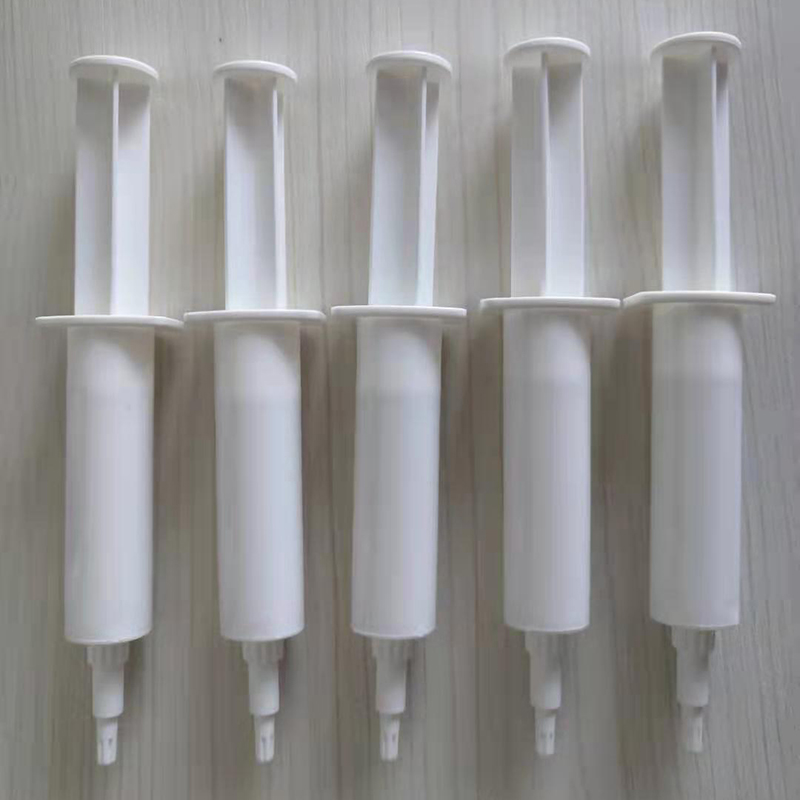
Administering quality horse medicine is key to equine health management.
The ease of use and the robust efficacy of such formulations underscore their value for veterinary clinics, stables, and individual horse owners. This contributes significantly to a higher standard of animal welfare and supports the economic viability of equine businesses seeking effective wholesale pet meds.
Vendor Comparison & Strategic Sourcing for Wholesale Pet Meds
Selecting the right vendor for wholesale pet meds is a strategic decision for any large-scale equine operation or veterinary supply chain. It goes beyond mere price comparison, encompassing product quality, regulatory compliance, supply chain reliability, and customer support.
Key Criteria for Vendor Evaluation:
- Quality & Certifications: Prioritize suppliers with robust quality management systems (e.g., ISO 9001, cGMP compliance) and product certifications (e.g., FDA-approved, VMD/EMA authorization). This ensures that the horse medicine meets international standards.
- Product Portfolio: A diverse range of high-quality products, including specific formulations like Aversectin C 1% paste, indicates a comprehensive understanding of veterinary needs.
- Supply Chain Reliability: Assess the vendor's ability to maintain consistent stock, manage logistics efficiently, and handle bulk orders with predictable lead times. This is crucial for uninterrupted animal care.
- Technical Support & Expertise: A knowledgeable support team that can provide technical information, assist with product selection, and offer post-sales assistance adds significant value.
- Pricing & Payment Terms: Competitive pricing, flexible payment options, and transparent cost structures are important for budget management, especially for high-volume purchasers of wholesale pet meds.
- Regulatory Compliance & Documentation: Vendors must provide complete and accurate documentation, including Certificates of Analysis (CoA) and Material Safety Data Sheets (MSDS), essential for compliance and record-keeping.
Product Comparison: Aversectin C 1% Paste vs. Pyrantel Pamoate Paste
To illustrate the importance of informed product selection, let's compare Aversectin C 1% paste with another common equine dewormer, Pyrantel Pamoate paste.
| Feature | Aversectin C 1% Paste | Pyrantel Pamoate Paste |
|---|---|---|
| Active Ingredient Class | Macrolide Lactone (Avermectin) | Tetrahydropyrimidine (Pyrantel) |
| Mechanism of Action | Paralysis via chloride ion channels | Neuromuscular blocking agent (nicotinic agonist) |
| Primary Target Parasites | Broad-spectrum (strongyles, ascarids, lungworms, bots) | Strongyles, ascarids, pinworms (less effective on bots, some larval stages) |
| Larval Stage Efficacy | Highly effective against many larval stages (e.g., encysted small strongyles, bots) | Limited efficacy against migrating or encysted larval stages |
| Resistance Profile | Growing concern for strongyles, but often effective when rotated | Widespread resistance reported in small strongyles globally |
| Cost per Dose (Approx.) | Moderate to High | Low to Moderate |
| Usage Recommendation | Core component of rotational deworming, strategic bot control | Often used in rotation for strongyles/ascarids where resistance is not prevalent |
This comparison highlights that while Pyrantel Pamoate is a valuable part of a deworming arsenal, Avermectin C offers a broader spectrum and better efficacy against specific resistant and larval stages, making it a critical choice for comprehensive parasite control, especially when acquired through reliable wholesale pet meds channels.
Customized Solutions & Application Case Studies
Meeting the diverse needs of the equine industry often requires more than standard off-the-shelf products. Leading manufacturers of horse medicine provide customized solutions, from tailored formulations to specialized packaging, particularly for high-volume clients or those with unique veterinary requirements.
Customization Options Include:
- Bulk Packaging: For large equestrian centers or veterinary clinics, procuring Aversectin C 1% paste in bulk (e.g., larger multi-dose container111s or economy packs) can streamline inventory management and reduce costs per dose for wholesale pet meds.
- Private Labeling: Manufacturers may offer private labeling services, allowing veterinary distributors or large practices to brand the product under their own name, enhancing market presence and client loyalty.
- Specific Formulations (e.g., enhanced palatability): While Aversectin C paste is generally well-accepted, customization might involve minor adjustments to excipients to further enhance palatability for particularly finicky horses, without compromising active ingredient integrity.
- Specialized Kits: Creation of comprehensive parasite control kits that combine Aversectin C 1% paste with other anthelmintics, or diagnostics, tailored for specific deworming strategies.
Application Case Studies:
A prominent thoroughbred breeding farm, housing over 200 horses across various age groups, struggled with persistent strongyle infestations, impacting foal growth rates and mare reproductive health. Following consultation with veterinary parasitologists, an Integrated Parasite Management (IPM) program was implemented. This included regular fecal egg count (FEC) monitoring and a strategic deworming rotation. Aversectin C 1% paste was selected as a primary anthelmintic due to its broad-spectrum efficacy against both adult and larval strongyles, as well as bots, and its proven safety for breeding animals. The farm sourced the product as wholesale pet meds in large volume to manage costs.
Results: After two years of consistent application within the IPM framework, the farm observed a significant reduction (over 80%) in overall strongyle egg counts, improved average daily gain in foals, and a decrease in colic incidence. The targeted use of horse medicine like Aversectin C contributed to a healthier, more productive herd and reduced economic losses from parasitic disease.
An elite equestrian eventing stable, with 50 competition horses, prioritized peak physical condition and performance. Routine health checks revealed subclinical strongyle burdens, potentially affecting stamina and recovery. The stable manager, in conjunction with their veterinarian, sought a deworming solution that was highly effective, easy to administer, and had a minimal withdrawal period. Aversectin C 1% paste was chosen for its comprehensive efficacy and practical oral administration, allowing for precise dosing for each horse's body weight. The stable opted for private-labeled syringes of this specific horse medicine, aligning with their professional brand image.
Results: Regular treatments with Aversectin C led to consistently low fecal egg counts. The horses maintained excellent body condition, and veterinarians reported a noticeable reduction in unexplained mild gastrointestinal upsets. The reliability and performance of this horse medicine directly supported the stable's objective of ensuring their horses remained at their competitive best throughout the season.
Frequently Asked Questions (FAQ)
A: Aversectin C 1% paste offers broad-spectrum efficacy against a wide range of common equine internal parasites, including larval stages and bots, which some other dewormer classes may not effectively target. Its macrolide lactone class also provides a distinct mechanism of action, crucial for resistance management in deworming rotations.
A: The frequency of administration depends on various factors, including the horse's age, environment, grazing practices, and regional parasite challenges. It is best to consult with a veterinarian to establish a tailored deworming schedule, ideally guided by fecal egg count results.
A: Generally, Avermectin-based products are considered safe for pregnant mares and foals when administered according to label directions. However, always confirm specific product instructions and consult with your veterinarian before administering any horse medicine to pregnant or very young animals.
A: Yes, Aversectin C 1% paste and similar high-demand veterinary pharmaceuticals are available through wholesale channels. Reputable suppliers offer bulk purchasing options for veterinary clinics, large stables, and distributors, ensuring competitive pricing and consistent supply.
Logistics & Support: Ensuring Reliability
For B2B clients, the procurement of horse medicine and other wholesale pet meds is not just about the product itself, but also about the reliability of the supplier's logistics and support infrastructure.
Lead Time & Fulfillment
Our standard lead time for Aversectin C 1% paste and other stocked wholesale pet meds is typically 3-7 business days for domestic shipments, and 7-21 business days for international orders, depending on customs clearance and shipping method. We utilize advanced inventory management systems to ensure high stock availability and efficient order processing, minimizing delays for critical veterinary supplies. Expedited shipping options are available upon request.
Warranty & Quality Assurance
All our pharmaceutical products, including Aversectin C 1% paste, are manufactured under stringent cGMP conditions and come with a full manufacturer's warranty against defects in materials and workmanship, provided they are stored and used as directed. We guarantee that each batch meets its specified potency and purity as detailed in the Certificate of Analysis (CoA) provided with every order. Our commitment to quality assurance is unwavering, upholding the highest standards of animal health and safety.
Customer Support & Technical Assistance
Our dedicated team of veterinary sales specialists and technical support personnel is available to assist with product inquiries, dosage guidance, regulatory compliance questions, and supply chain management. We offer comprehensive support to ensure optimal product utilization and client satisfaction. For any technical assistance or product-related concerns regarding horse medicine, please contact our support line or email us directly. Our goal is to forge long-term partnerships built on trust, quality, and exceptional service.
Conclusion
The continuous evolution of equine care demands equally advanced and reliable pharmaceutical solutions. Products like Aversectin C 1% paste exemplify the commitment to efficacy, safety, and quality in horse medicine. By understanding the intricate manufacturing processes, adhering to stringent quality controls, and partnering with trustworthy suppliers for wholesale pet meds, veterinary professionals and equine managers can ensure the optimal health and performance of their animals. Investing in high-grade veterinary pharmaceuticals is an investment in the well-being and longevity of valuable equine companions.
References
- U.S. Food and Drug Administration (FDA) Center for Veterinary Medicine. Guidance for Industry.
- European Medicines Agency (EMA) Veterinary Medicines. Guidelines on good manufacturing practice (GMP).
- World Organisation for Animal Health (OIE). Terrestrial Animal Health Code.
- Journal of Equine Veterinary Science. Peer-reviewed articles on anthelmintic efficacy and resistance.
- American Association of Equine Practitioners (AAEP). Internal Parasite Control Guidelines.
Post time: September 19, 2025