What Is Premixed Powder and Why Should We Care Globally?
The world is constantly looking for smarter, faster, and safer solutions to complex problems — and in many industries, premixed powder has quietly stepped into that role. Whether it’s about making food products, animal feed, concrete blends, or even certain pharmaceutical formulations, premixed powders ensure consistency, save time, and improve efficiency. On a global scale, understanding these mixtures means addressing supply chain complexities, ensuring product quality across borders, and meeting regulatory and sustainability goals more effectively.
Frankly, the concept sounds simple, but behind it lies a web of logistics, quality control, and innovation that’s fascinating once you dig deeper. Knowing how premixed powders work — and why they’re becoming indispensable — can provide fresh insight into many global challenges like hunger, construction delays, or even disaster relief.
A Global Look: Why Premixed Powder Has Grown So Important
Premixed powder isn’t just a niche industrial product. Globally, it's linked to massive supply chains and critical industries. The World Bank highlights that more than 1 billion tonnes of powdered materials are traded annually, touching everything from agriculture to manufacturing. Meanwhile, the UN’s food programs often rely on premixed nutritional powders to deliver precise vitamin blends to vulnerable populations.
The challenge? Raw ingredients often come from different places, with varying quality, so mixing them precisely beforehand solves a lot of headaches. This is especially true in regions with fragile infrastructure or where storage conditions can be unpredictable.
The fact premixed powders streamline operations while maintaining consistency is no small feat — it’s a behind-the-scenes hero in modern logistics and supply chain management.
Understanding Premixed Powder: The Basics
At its core, premixed powder is just what it sounds like: a carefully blended mixture of powdered ingredients, combined in specific ratios before packaging or further processing. Think of it as a “ready-to-go” mix that eliminates guesswork on-site, so manufacturers or users don’t have to measure multiple components individually.
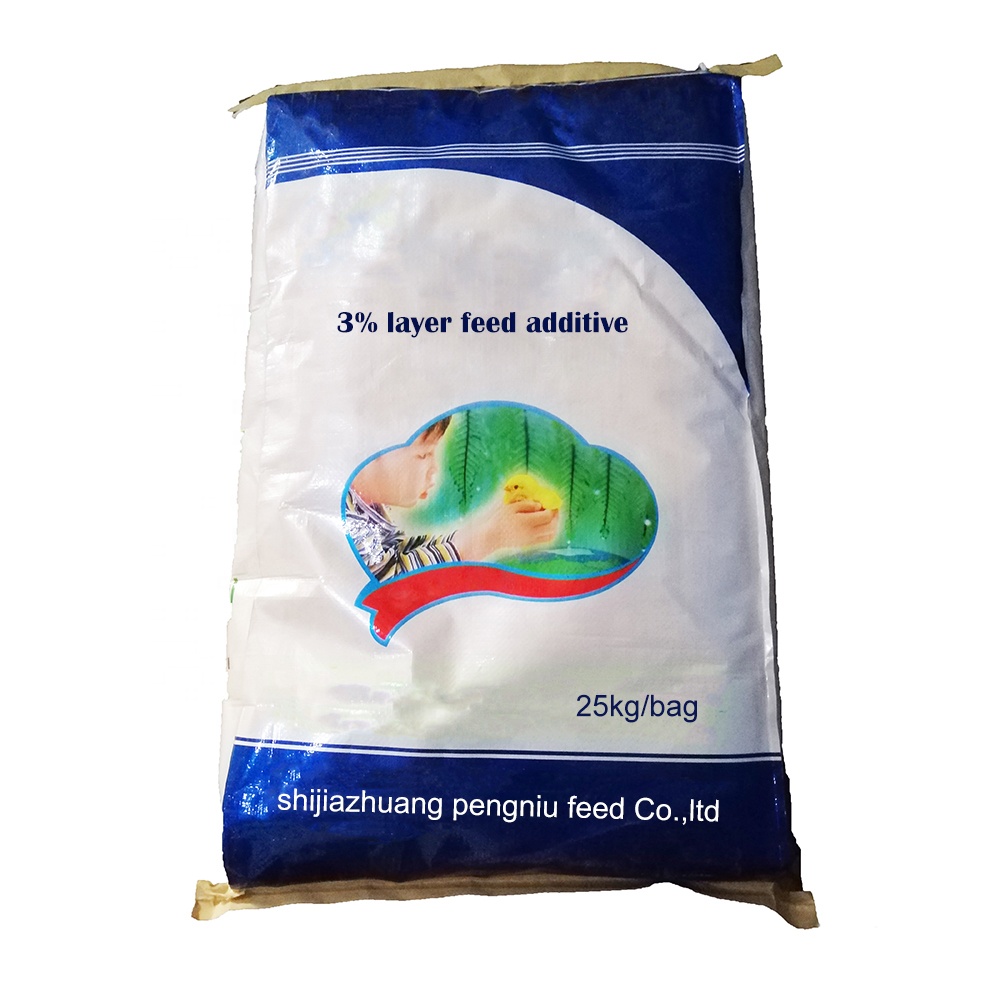
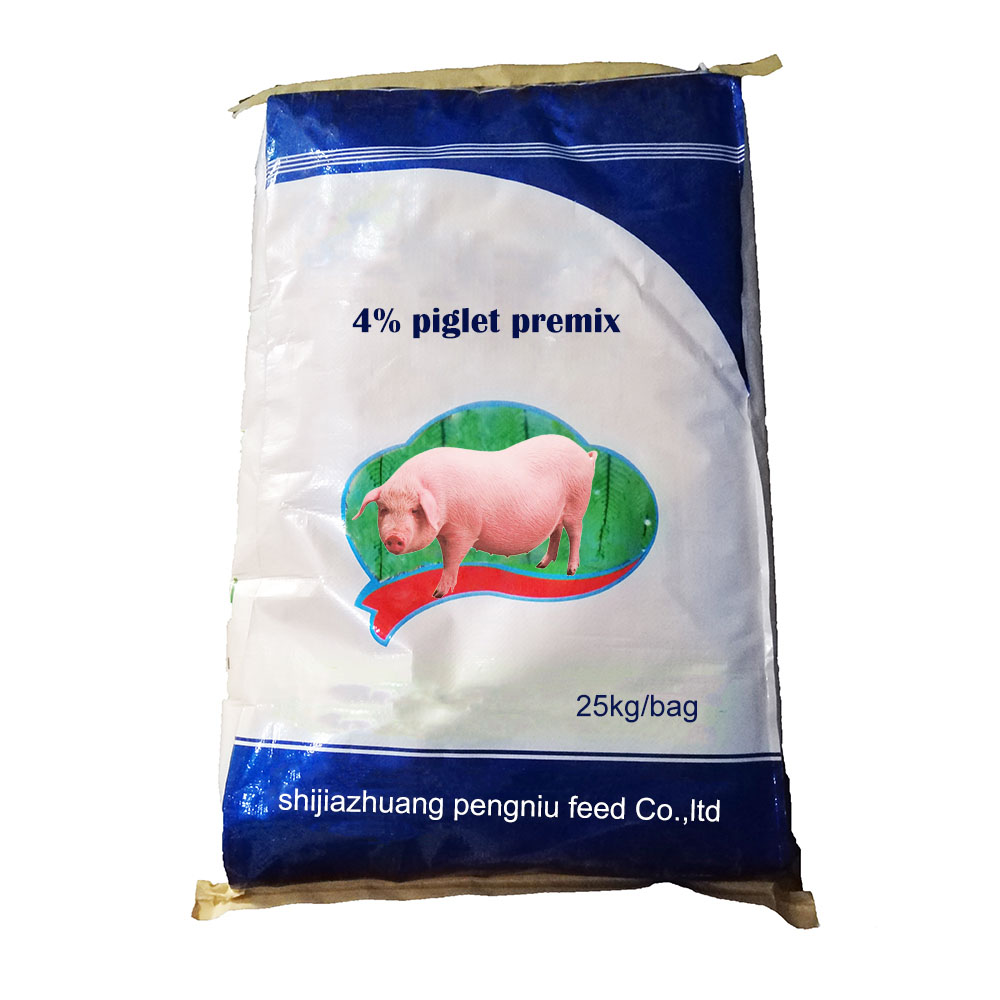
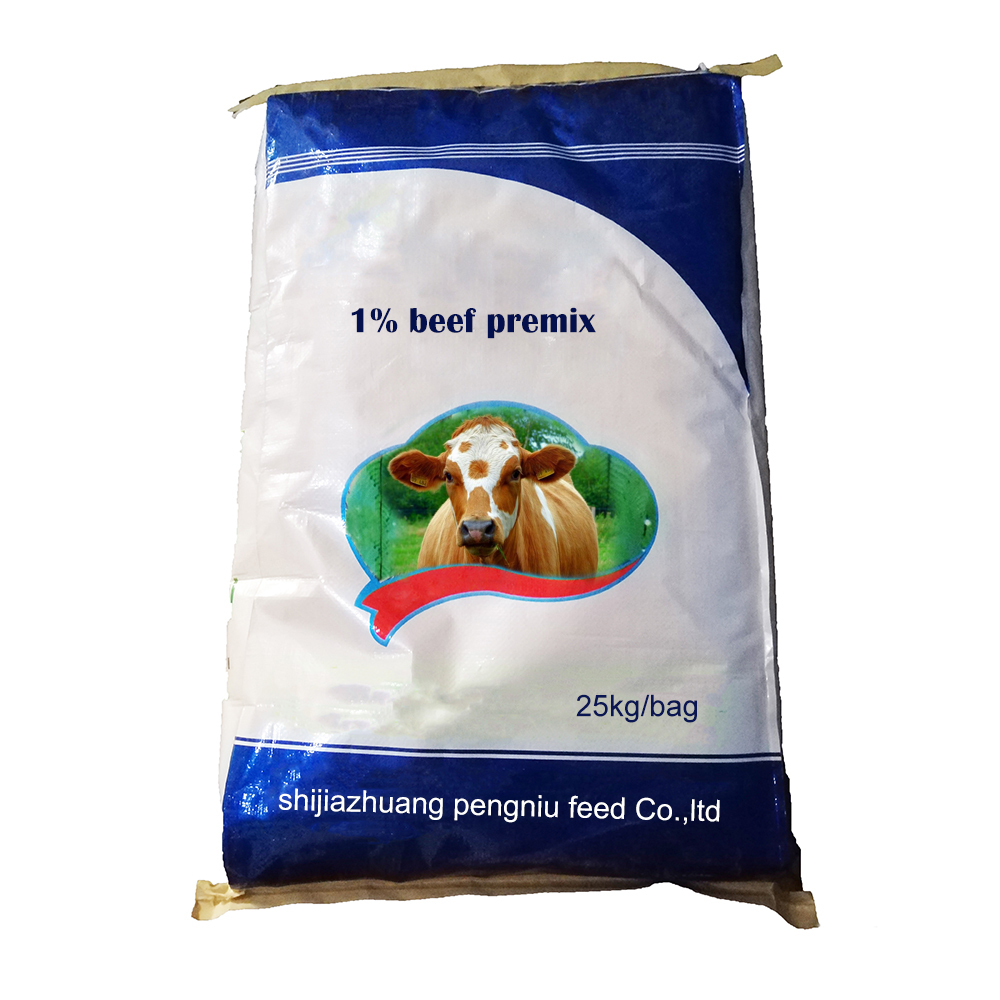
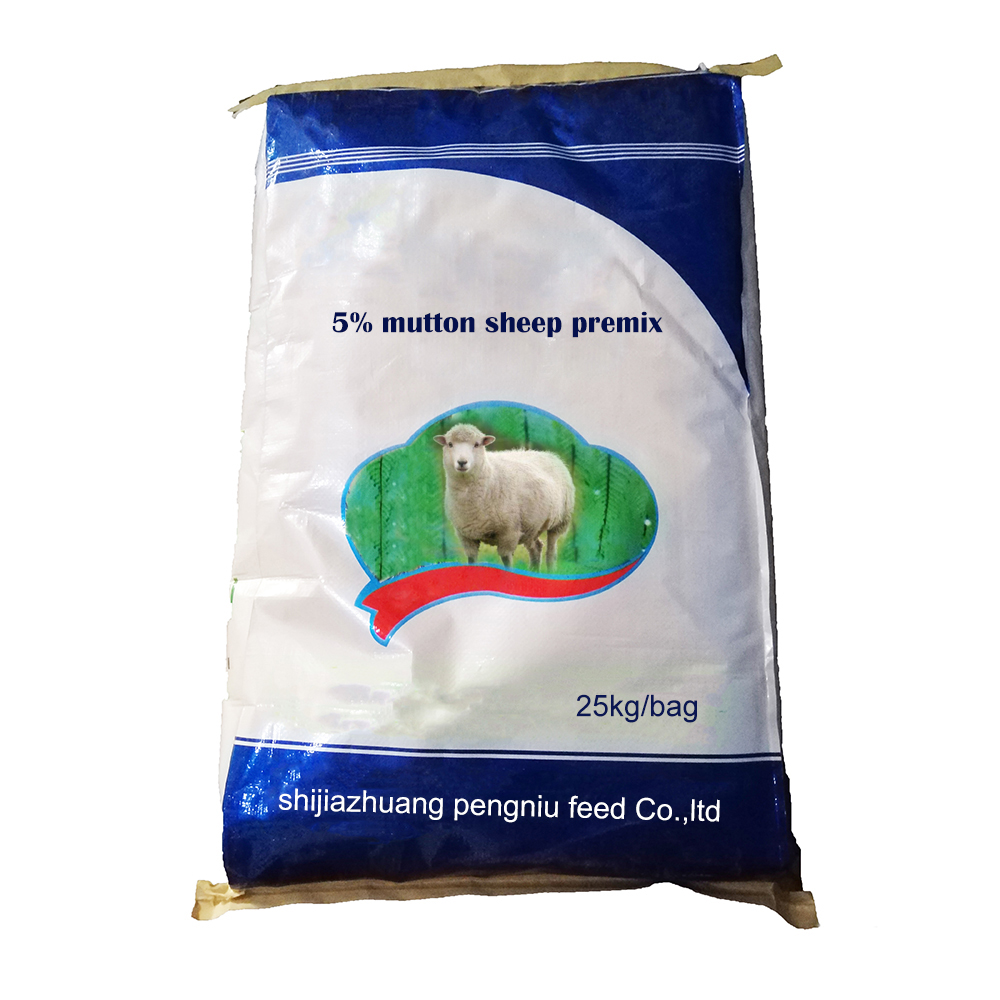
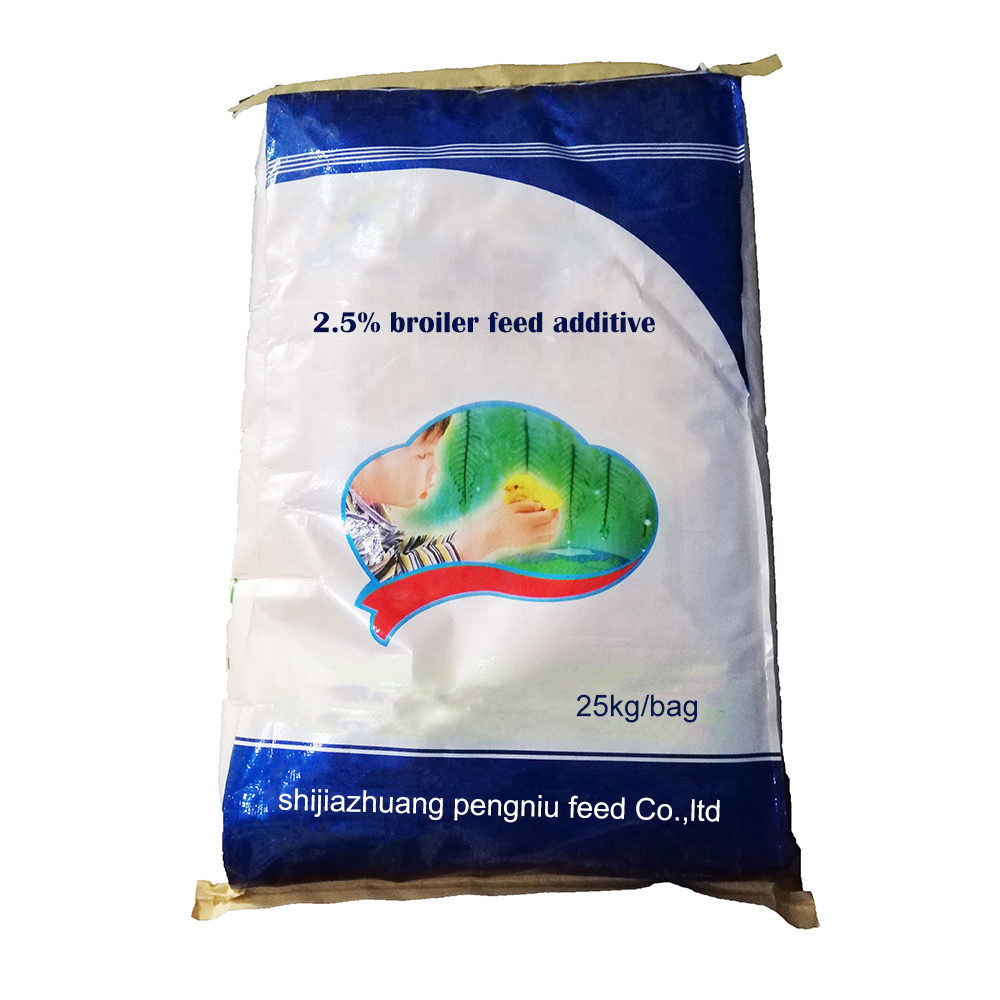
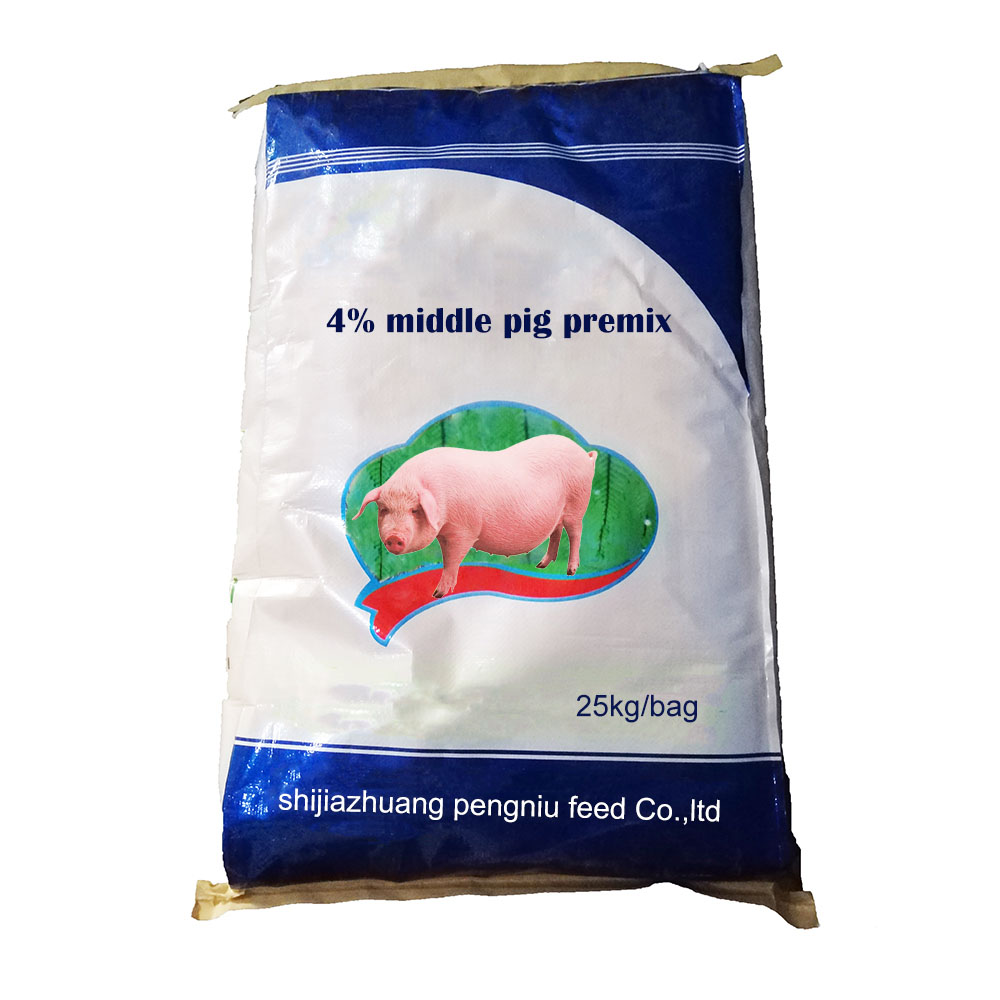
This concept spans industries — from animal feed formulations premixed powder that meet nutritional needs in one batch, to instant drink mixes, construction materials, and more. It’s an elegant solution to complexity.
Key Factors That Define Premixed Powder
1. Consistency in Composition
One of the biggest selling points is guaranteeing that every package contains the exact ratio of ingredients. This is critical when dealing with sensitive recipes, like infant formulas or complex feed blends.
2. Shelf Stability & Durability
Premixed powders must resist clumping, moisture, or deterioration over time. Manufacturers often add flow agents or stabilizers to keep the mix fresh and free-flowing.
3. Scalability of Production
Whether you’re producing a few hundred kilograms or many tons, premixed powder production can scale efficiently — cutting costs, reducing human error, and speeding time to market.
4. Cost Efficiency & Waste Reduction
Pre-blending means no onsite mixing mistakes, fewer rejected batches, and less wasted raw material. This can translate into serious savings down the line.
5. Compliance and Traceability
In industries like food & pharma, strict quality controls require precise ingredient records. Premixed powders often come with batch tracking and certifications that make audits easier.
Real-World Applications and Who’s Using Premixed Powder
Premixed powders find their way into numerous fields worldwide. For example, in post-disaster relief zones, premixed nutritional powders enable NGOs to distribute balanced meals quickly without complex logistical setups onsite. The World Food Programme relies heavily on these formulations to restore hope and health.
Industries like concrete manufacturing use premixed powders to standardize mixes, ensuring consistent strength and durability across construction projects. And animal feed producers depend on premixed powder blends tailored for different species, ages, and growth cycles — vital in parts of Asia and Africa where agriculture sustains livelihoods.
Oddly enough, some remote industrial zones prefer premixed powders simply because onsite mixing is costly or impractical due to water scarcity or lack of skilled labor. That kind of practical thinking makes premixed powders quite an interesting example of industrial adaptation.
Premixed Powder Product Specification Table
| Specification | Typical Value | Notes |
|---|---|---|
| Particle Size Distribution | 100-500 μm | Important for flow and mixing |
| Moisture Content | Prevents clumping | |
| Shelf Life | 12-24 months | Depends on packaging |
| Batch Size | 200 kg to 5 tons | Scalable to customer needs |
| Flow Agent | Silica or Magnesium Stearate | Enhances powder flow |
Long-Term Benefits: Why Premixed Powder Makes Sense
Cost savings are the headline advantage, but things don’t end there. The sustainability aspect is compelling — reducing waste and energy consumption means a smaller environmental footprint. Plus, premixed powders elevate consumer safety by ensuring consistent quality, which builds trust over time.
There’s also a surprisingly emotional element, especially in humanitarian settings: premixed powders ensure dignity by delivering the right nutrition quickly, restoring normality in crisis situations. For companies, innovation with these powders signals reliability and a future-ready mindset.
Where Is Premixed Powder Heading? Innovations & Trends
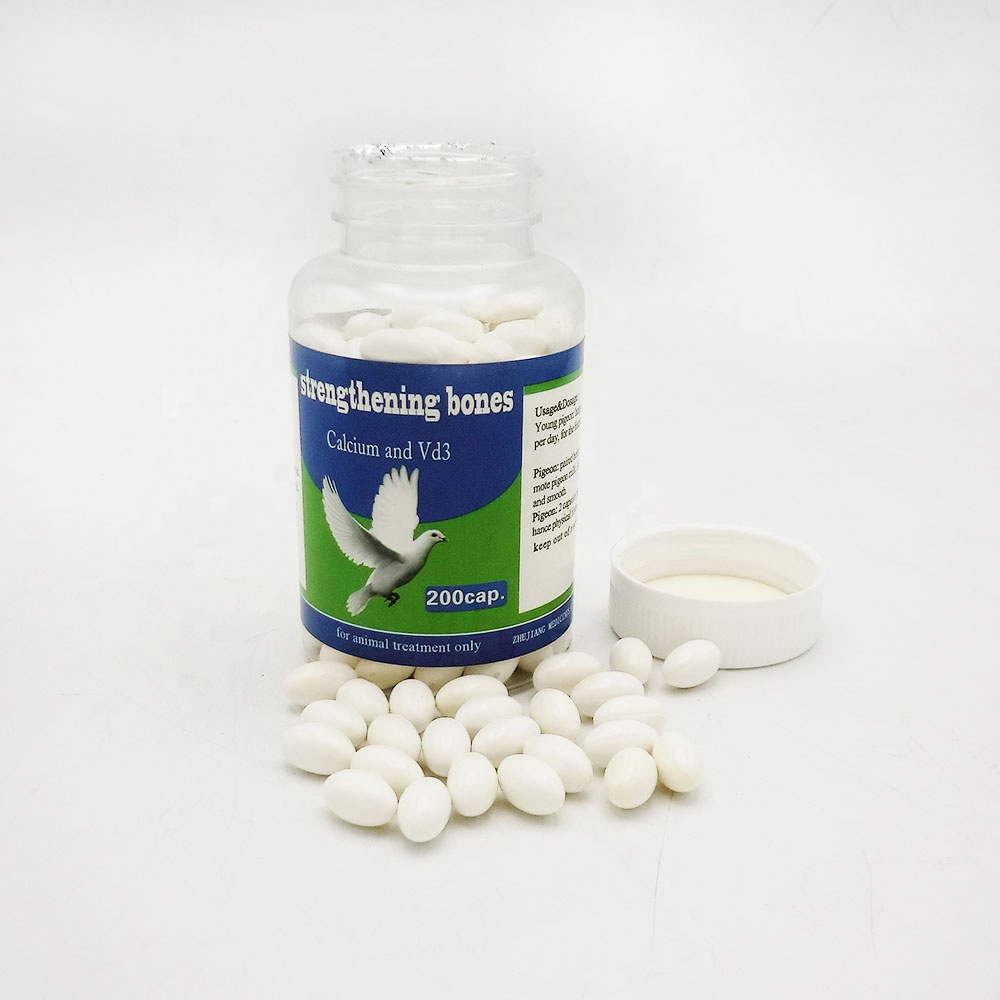
The future is bright and a little techy. Automation and AI-driven mixing processes promise even tighter quality control. Green chemistry tweaks are turning attention to biodegradable flow agents and packaging to meet new sustainability standards. Also, ultra-fine powders and nano-ingredients are entering the scene, offering enhanced solubility and bioavailability for food and pharma.
There's movement on digital traceability too — blockchain solutions track mix provenance, boosting supply chain transparency.
Challenges in Using Premixed Powder and How to Solve Them
Not everything’s rosy, though. Moisture control remains a persistent headache, especially if transport routes pass through humid climates. And batch homogeneity can sometimes falter, particularly in massive productions.
Experts recommend rigorous quality audits, better humidity-controlled storage, and modular mixing units close to end-users to mitigate these issues.
Vendor Comparison: Premixed Powder Suppliers
| Vendor | Batch Sizes | Customization Level | Certifications | Typical Clients |
|---|---|---|---|---|
| Global Mix Co. | 0.5 - 10 tons | High | ISO 22000, HACCP | Food & Pharma |
| BuildBlend Inc. | 1 - 20 tons | Medium | ISO 9001 | Construction Materials |
| NutriPowder Ltd. | 200 kg - 5 tons | Very High | GMP, FDA Registered | Animal Feed, Nutraceuticals |
FAQ: Common Questions About Premixed Powder
How do premixed powders improve production speed?
By delivering ready-to-use ingredient blends, premixed powders eliminate the need for onsite measuring or mixing, reducing preparation time and minimizing the risk of human error. Many engineers say this can cut batch preparation time by over 30%, allowing faster turnaround.
Are premixed powders suitable for all climates?
Generally yes, but handling requires care. Premixed powders should be stored in cool, dry conditions—especially in humid regions—to maintain flowability and avoid clumping. Proper packaging and storage are key.
Can smaller companies afford premixed powders?
Absolutely. Many suppliers accommodate small batch sizes and customization, making premixed powders accessible beyond large corporations. It's often a smart investment since it reduces waste and errors.
What industries benefit most from premixed powders?
Food and beverage, animal feed, construction, pharmaceutical, and even some chemical sectors rely heavily on premixed powders for their precision and consistency.
Is it possible to customize premixed powders internationally?
Yes, many vendors offer customization and international shipping, though import regulations vary. Working with certified suppliers who handle documentation helps smooth cross-border deliveries.
Final Thoughts: Why Premixed Powder Deserves a Spot on Your Radar
To sum up: premixed powder is more than a mix — it’s a practical, scalable, and smart approach to solving some of the subtle yet stubborn problems that industries and humanitarian fields face. It saves time, money, and (importantly) stress, while promoting quality and safety.
If you’re curious to explore how premixed powder solutions can fit your needs or want to dive into custom blends, check out our comprehensive resources and product offerings. It’s time to modernize your mix.
Post time: November 15, 2025