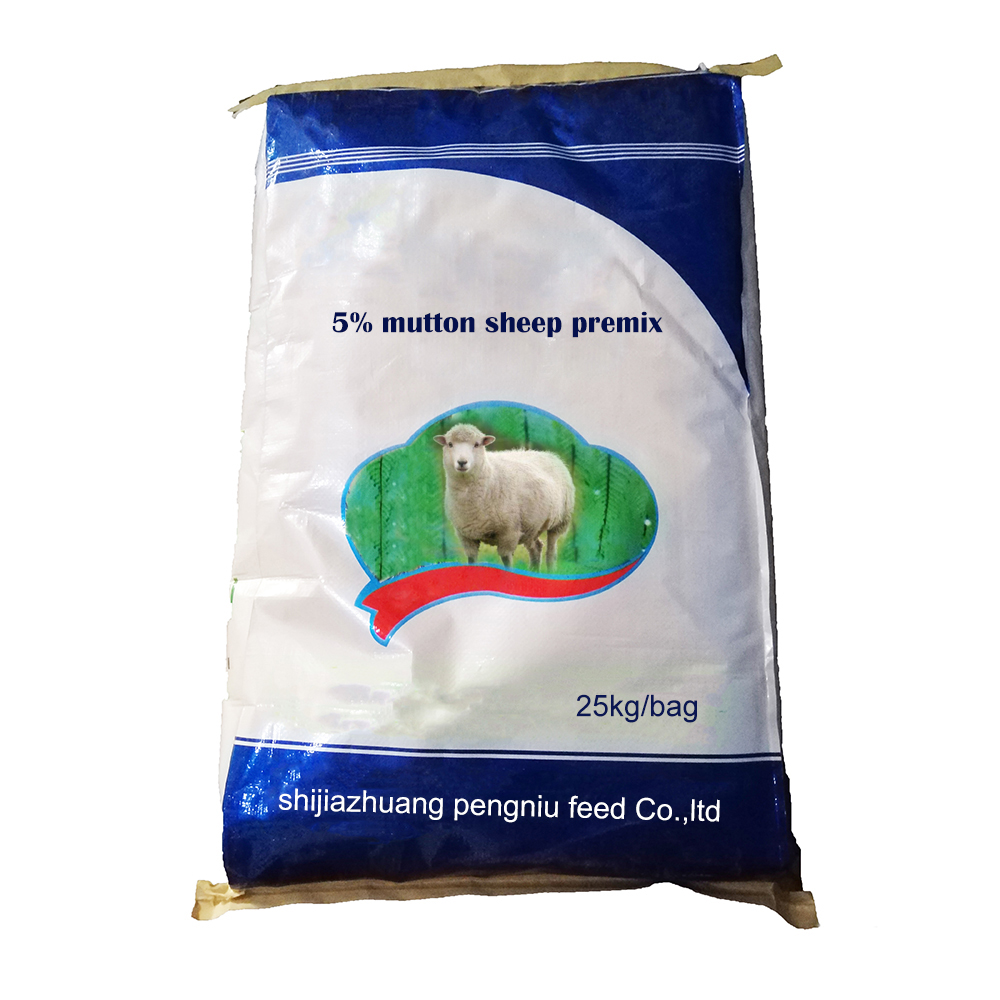
Understanding Animal Medicine Price: What It Means for Global Health and Industry
At first glance, animal medicine price might sound like a straightforward topic. But in reality, it’s a complex and globally significant issue touching veterinary health, agricultural economies, and even public health logistics. Why does it matter? Well, pricing for animal medicines isn’t just about dollars and cents. It reflects access to care, disease control, food security, and ultimately shapes the well-being of millions of animals — and indirectly, us humans too.
Getting a clear picture of animal medicine pricing can unlock better resource allocation, support sustainable farming, and help combat zoonotic diseases. It’s an intersection of pharmaceutical innovation, market forces, and social welfare. Let’s dive into what sets the animal medicine price apart, why it’s complicated worldwide, and what trends make it a hot topic in veterinary and agricultural circles alike.
Why Animal Medicine Price Matters Worldwide
Globally, the veterinary pharmaceutical market is growing fast, with estimates suggesting it could reach over $45 billion by 2027 (ResearchAndMarkets, 2023). This growth is partly triggered by rising demand for animal protein and heightened awareness of animal welfare. However, many regions — especially in developing countries — struggle with maintaining affordable access to essential medicines for livestock and pets alike.
For example, the World Health Organization and FAO have repeatedly highlighted that high medicine prices contribute to gaps in disease prevention, leading to outbreaks that threaten economies and livelihoods. Balancing affordability, quality, and innovation remains a key global challenge.
Put simply: understanding the nuances of animal medicine price can improve health outcomes while preventing strain on veterinary systems — and that’s a benefit everyone shares.
Mini Takeaway:
The price of animal medicines isn’t just a cost figure. It’s a patch in the fabric connecting healthcare, food security, and economic stability around the world.
What Does Animal Medicine Price Really Mean?
Animal medicine price refers to the cost associated with veterinary pharmaceuticals and related health products for use in animals — from vaccines and antibiotics to parasiticides and nutritional supplements. It includes manufacturing costs, distribution fees, regulatory compliance expenses, and retail margins.
But beyond that, it’s a reflection of the industry's capacity to meet modern demands — whether in a high-tech dairy farm in the Netherlands or family-owned poultry farms in Southeast Asia. Price impacts access, adherence, and ultimately the health outcomes of animals that supply food, companionship, or livelihoods.
Humanitarian and environmental dimensions come into play, too, especially when you consider zoonotic diseases like avian flu or rabies. Affordable medicines can be the difference between localized outbreaks and global crises.
Mini Takeaway:
In essence, animal medicine price bundles up a complex web of science, economics, and social impact into a single, often contentious, value.
The Core Factors Behind Animal Medicine Pricing
1. Regulatory Burden and Compliance Costs
Pharmaceuticals, whether for humans or animals, must clear stringent safety and efficacy standards. Different countries demand various certifications, which can balloon costs. For example, novel antibiotics require extensive testing, often costing millions and years in the pipeline.
2. Production and Manufacturing Complexity
Creating stable, effective animal medicines — especially vaccines — requires specialized facilities and quality controls. Small-scale production can spike unit costs, while scale economies drive costs down, impacting smaller vs. larger producers differently.
3. Distribution and Cold Chain Logistics
Many veterinary medicines need controlled temperatures during shipping and storage, especially in tropical and remote regions. This “cold chain” infrastructure adds significant overhead, inflating final prices to end users.
4. Market Demand and Competitive Landscape
Demand for certain products — say, anti-parasitic treatments in high-livestock-density areas — can fluctuate widely, impacting prices. A saturated market with generic options usually means better affordability, whereas patented drugs have premium pricing.
5. Economic Status of Target Regions
Pricing strategies adapt to varied purchasing power. In lower-income countries, subsidies or tiered pricing models might be needed to prevent critical shortages of essential medicines.
Mini Takeaway:
The animal medicine price you see at the farm gate is often the tip of a deeply complex iceberg involving regulations, production, logistics, demand, and socioeconomic factors.
Real-World Applications: How Animal Medicine Pricing Shapes Outcomes
Across continents, from the African savannah to industrialized European farms, animal medicine pricing echoes differently but with equally dramatic consequences.
- In post-disaster relief: Access to affordable veterinary medicines can mean the survival of livestock herds critical for rebuilding rural livelihoods. NGOs often negotiate prices or supply donations to maintain this lifeline.
- In intensive dairy and poultry farms: Price efficiency affects how routinely farmers can purchase preventive treatments — impacting production yields and food supply chains.
- In wildlife conservation: Pricing and availability of medicines influence veterinary interventions on endangered species, balancing ecological and economic goals.
In Asia, the rise of aquaculture (fish farming) also ties closely to the availability and cost of veterinary medicines designed for aquatic animals. Price hikes in this niche often ripple into food prices globally.
Mini Takeaway:
Animal medicine price is a foundational element that influences health outcomes and economic resilience from villages to global food markets.
Key Product Specifications for Veterinary Medicines
| Specification | Typical Range | Notes |
|---|---|---|
| Dosage Forms | Oral, Injectable, Topical, In-feed | Varied by species and application |
| Shelf Life | 6 months to 3 years | Depends on storage conditions |
| Typical Price Range | $0.50 - $50 per dose | Pricing varies by product and region |
| Temperature Requirement | 2°C – 8°C (cold chain) | Critical for vaccine efficacy |
| Regulatory Approval Time | 1–5 years | Varies across countries |
Comparing Leading Vendors in Animal Medicine Pricing
| Vendor | Average Price per Dose | Specialization | Global Reach | Strength |
|---|---|---|---|---|
| VetPharma Inc. | $12 - $30 | Livestock vaccines | 100+ countries | Strong R&D pipeline |
| AgriVets Ltd. | $5 - $20 | Parasiticides and feed additives | Multiple Asia-Pacific regions | Cost-effective solutions |
| BioVet Solutions | $10 - $40 | Aquaculture medicines | Strong presence in South America | Innovative biotech products |
| FarmAid Pharma | $3 - $15 | Generic veterinary drugs | Primarily Europe and North America | Affordable generics |
Advantages & Long-Term Value of Affordable Animal Medicines
Investing wisely in animal medicine price brings tangible and intangible dividends:
- Cost Effectiveness: Lower medicine prices improve farmer profitability by reducing livestock disease-related losses.
- Sustainability: Affordable meds encourage responsible veterinary practices, reducing overuse and resistance.
- Social Impact: Livelihoods stabilize in vulnerable communities reliant on animals, reinforcing dignity and food security.
- Reliability: Regular access to affordable medicine builds trust between suppliers, vets, and farmers.
There’s an emotional undercurrent to this, too. When an effective vaccine is priced right, it’s not just business, it’s hope for a better future for animals and the people who depend on them.
Emerging Trends in Animal Medicine Pricing
Technology and policy innovations are reshaping this landscape. Digital platforms optimize supply chains, reducing middleman costs. Automation and novel production techniques (like mRNA vaccines) promise lower development cycles. Meanwhile, sustainability pushes greener formulations and packaging, which may initially drive prices up but should yield long-term savings.
Also, international frameworks focused on equity — for example, tiered pricing coordinated by UN and OIE bodies — seek to balance access across rich and poor regions. The next decade might see a fairer, more transparent pricing ecosystem for veterinary medicines.
Challenges and How the Industry is Tackling Them
Accessibility remains a stubborn hurdle, especially in rural, low-income settings where cold chains are inconsistent and regulatory complexities delay market entry. Counterfeit products and informal markets also muddy the water.
Innovative responses include mobile health tech for remote diagnostics, public-private partnerships funding infrastructure, and regional regulatory harmonization to accelerate approval processes. Many experts emphasize “frugal innovation” — designing affordable but effective medicines tailored for resource-limited realities.
FAQ: Quick Answers on Animal Medicine Price
- Q: Why do animal medicine prices vary so much between countries?
A: Regulatory costs, local manufacturing capabilities, supply chain logistics, and demand fluctuations influence pricing. Countries with better infrastructure and local production typically enjoy lower prices. - Q: Can lower-priced medicines compromise animal health?
A: Not necessarily. Generics and off-patent drugs can be equally effective if properly manufactured and approved. However, counterfeit or substandard products do pose risks, which is why trusted sources are vital. - Q: How can smallholder farmers access affordable veterinary drugs?
A: Many NGOs and government programs offer subsidized medicines. Group purchasing and cooperatives also help reduce costs by increasing buying power. - Q: Are newer technologies like mRNA vaccines changing animal medicine costs?
A: Initially, yes, they might be pricier due to development costs, but over time manufacturing efficiencies and scale could bring prices down and improve accessibility.
Wrapping Up: The Last Word on Animal Medicine Price
When you think about it, animal medicine price is more than a number — it’s an indicator of health infrastructure, economic equity, and our collective responsibility to animal welfare and food systems. Understanding and improving these prices could lead to fewer outbreaks, stronger economies, and healthier animals everywhere.
For in-depth details, pricing insights, and available products, do visit our dedicated site at animal medicine price. The future of veterinary care depends on informed choices today.
References:
Post time: December 1, 2025