Understanding Layer Concentrate Price: Why It Matters Worldwide
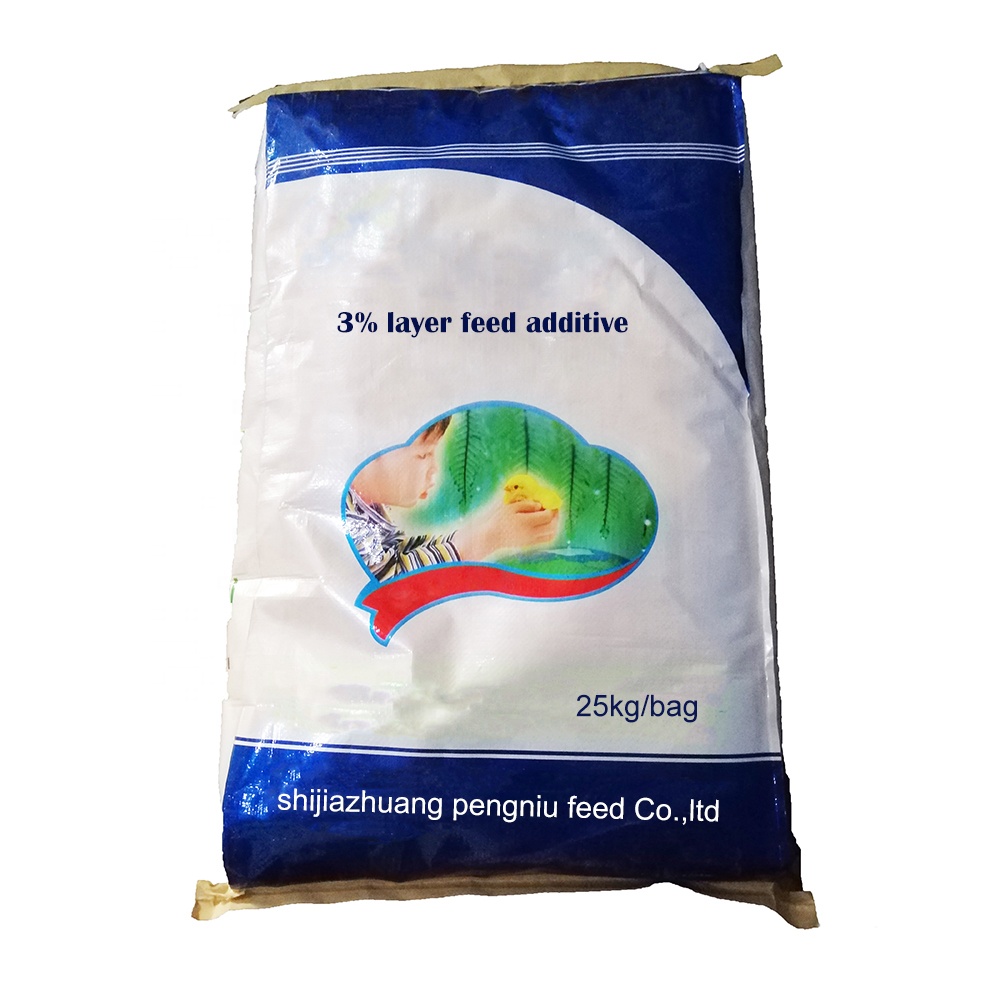
So let’s start with the basics: what on earth is “layer concentrate price,” and why should a trader, a farmer, or a nutritionist halfway across the globe care? At its heart, layer concentrate price refers to the cost of specialized, nutrient-rich feed additives formulated specifically for layer hens — those prolific egg producers fundamental to food security in many regions.
This price doesn't just affect poultry farmers but ripples through the entire agricultural value chain, impacting food affordability, sustainability, and even export potentials in emerging economies. Frankly, keeping an eye on the layer concentrate price helps stakeholders plan budgets, optimize flocks' health, and ultimately improve egg yield quality and consistency.
The Global Importance of Layer Concentrate Price: Setting Context
Worldwide, the poultry sector is booming. According to the United Nations Food and Agriculture Organization (FAO, 2023), global egg production hit close to 90 million tonnes last year — a staggering figure reflecting rapid consumption growth, especially in Asia and Africa.
But it’s not just about volume. The World Bank points out that feed costs, which layer concentrate price heavily influences, make up nearly 70% of poultry production expenses. Many smallholder farmers struggle to balance affordable feed with nutrition—often pushing them to use lower quality concentrates, resulting in poorer egg quality or decreased output.
The gap between global demand and supply for affordable, high-quality layer concentrates raises a pressing challenge: how do we ensure cost-efficiency without compromising nutrition or welfare? Tackling layered concentrate pricing volatility is a hot topic for policymakers and agribusiness investors alike.
Defining Layer Concentrate Price and Its Role in Modern Agriculture
Layer concentrate price is simply the market cost of the compound feed ingredient blends tailored for egg-laying hens’ specific nutritional requirements (vitamins, minerals, protein, amino acids). These blends “concentrate” on enhancing health and egg productivity at optimized costs.
Layer concentrates differ from broiler feed or starter poultry rations because they prioritize sustained energy, calcium for eggshell strength, and micro-nutrients for hen longevity. In practical terms: layer concentrate price reflects both manufacturing inputs—like corn, soybean, mineral mixes—and market supply-demand dynamics.
For the humanitarian sector too, particularly in developing countries, understanding this pricing is vital because it directly affects protein availability through eggs, a relatively cheap and high-quality source for at-risk populations.
Core Components Influencing Layer Concentrate Price
1. Raw Material Costs
Feed grains like maize and soybean meal dominate cost structures. Remember 2022’s global commodity price spikes? Those surges tripled some concentrate prices, squeezing margins.
2. Manufacturing Technology
Modern pelletizing and extrusion technologies boost feed digestibility but come with capital expenditures that influence final pricing.
3. Transportation and Logistics
Often overlooked, but delivering concentrates from production hubs to remote farms adds layers of complexity and cost — especially in regions with poor infrastructure.
4. Nutrition Quality & Additives
Inclusion of enzymes, probiotics, or specialty vitamins ups the feed's effectiveness but nudges the price tag slightly higher.
5. Currency Fluctuations and Trade Tariffs
In international trade, currency shifts and tariffs on key ingredients add unpredictability, impacting the layer concentrate price unpredictably.
Layer Concentrate in Action: Global Use Cases
- Sub-Saharan Africa: Smallholder farmers rely on affordable, locally formulated concentrates to boost egg production for both family nutrition and market sale.
- Southeast Asia Industrial Farms: Large poultry integrators depend on consistent concentrate pricing to maintain scale efficiencies across massive flocks.
- Post-Disaster Relief: NGOs use layer concentrates in temporary poultry programs as part of recovery nourishment estates.
- European Organic Farming: Specialty organic concentrates, often pricier but with assured quality, serve emerging consumer demands.
Take an example from Kenya, where local manufacturers switched to a cassava-based concentrate mix during maize shortages. This innovation stabilized layer concentrate price and protected farmers' profitability amid volatile external markets.
Product Specification Table: Typical Layer Concentrate Attributes
| Specification | Value |
|---|---|
| Crude Protein | 16-18% |
| Calcium | 3.5-4.0% |
| Energy (ME kcal/kg) | 2800–3000 |
| Lysine | 0.75-0.85% |
| Additives (vitamins/minerals) | Included (per formula) |
| Form | Pellets or Mash |
Vendor Comparison Table: Layer Concentrate Price by Supplier
| Vendor | Average Price (USD/MT) | Key Strength | Regions Served |
|---|---|---|---|
| AgriFeed Co. | $450 - 470 | High-protein formulations | Asia, Africa |
| Premium Poultry Mix | $490 - 520 | Enhanced vitamin blends | Europe, North America |
| EcoFeed Solutions | $420 - 440 | Sustainable ingredient sourcing | Latin America, Africa |
Advantages and Long-Term Value of Optimized Layer Concentrate Pricing
When producers figure out the right balance — affordable but high-quality layer concentrates — the benefits literally span the globe:
- Cost Savings: Farmers reduce overhead, enabling reinvestment in flock health or infrastructure.
- Sustainability: Better formulated feeds mean less waste and fewer environmental impacts.
- Stable Supply: Predictable prices help secure steady egg availability in markets.
- Social Impact: Improved income for smallholders, better access to nutrition in vulnerable communities.
And I suppose that emotional layer shouldn’t be underestimated — when people can count on steady livelihoods and food security, there's a quiet but powerful dignity restored, innovation rewarded, and trust built between consumers and producers.
Future Trends: Innovations Driving Layer Concentrate Pricing Forward
The future feels kind of thrilling — digital tools like AI-driven feed formulation and blockchain-enabled supply chains could bring radical transparency to layer concentrate price.
Meanwhile, greener ingredients — algae protein, insect meal — are creeping in, promising sustainability perks that might also shift pricing in new directions.
Automation in feed mills is trimming costs but demands upfront capital. Policy shifts toward reducing carbon footprints in agriculture could push prices upward short term but open more resilient markets down the line.
Challenges and Clever Solutions in Managing Layer Concentrate Price
It's not all smooth sailing. Volatile commodity markets, unpredictable weather shocks to raw crops, and transport disruptions regularly upset layer concentrate pricing.
Some producers are turning to local ingredient substitution and on-farm feed blending to soften price swings. Others invest in feed additive research to boost nutrient density, reducing overall feed volume needed.
International trade complexities — tariffs, regulatory shifts — also complicate global pricing. But collaborations between governments and suppliers aim to streamline logistics and stabilize supply chains.
FAQ: Your Top Questions About Layer Concentrate Price
- Q: Why does layer concentrate pricing fluctuate so much?
- A: Because the cost depends heavily on raw materials like maize and soy, which vary seasonally and by global demand. Logistics and currency changes also play roles.
- Q: Can I find affordable layer concentrates that don’t compromise hen health?
- A: Yes, it’s about finding suppliers who balance quality ingredients with cost-effective formulations — sometimes local blends work well. Look for those with transparent specs and proven success.
- Q: How do tariffs affect the price of layer concentrate imports?
- A: Tariffs add a direct cost on imported feed ingredients, raising final concentrate prices. Some countries mitigate this by supporting local ingredient production or negotiating trade agreements.
- Q: Are there more sustainable layer concentrate options available today?
- A: Definitely. Sustainable sourcing of raw materials and incorporation of alternative proteins like insect meal are becoming mainstream, with a slight impact on price but higher environmental benefits.
- Q: How can NGOs import and distribute layer concentrate efficiently in remote areas?
- A: Partnering with regional suppliers and using cluster distribution hubs reduces costs and time. Standardizing formulations to local ingredient availability helps too.
Wrapping Up: Why Layer Concentrate Price Should Matter to You
Layer concentrate price might seem like a niche concept, but it’s woven tightly into global food security, agricultural economics, and rural livelihoods. Managing it thoughtfully ensures better poultry health, stronger incomes for farmers, and more consistent egg supplies worldwide.
Curious to dig deeper or explore current market options? Visit our website for expert insights, pricing forecasts, and tailored product solutions to elevate your poultry operation.
1) FAO Poultry Production Statistics, 2023 - fao.org
2) World Bank Agriculture Data - worldbank.org
3) ISO Standards for Animal Feed Quality, 2022
Post time: November 27, 2025