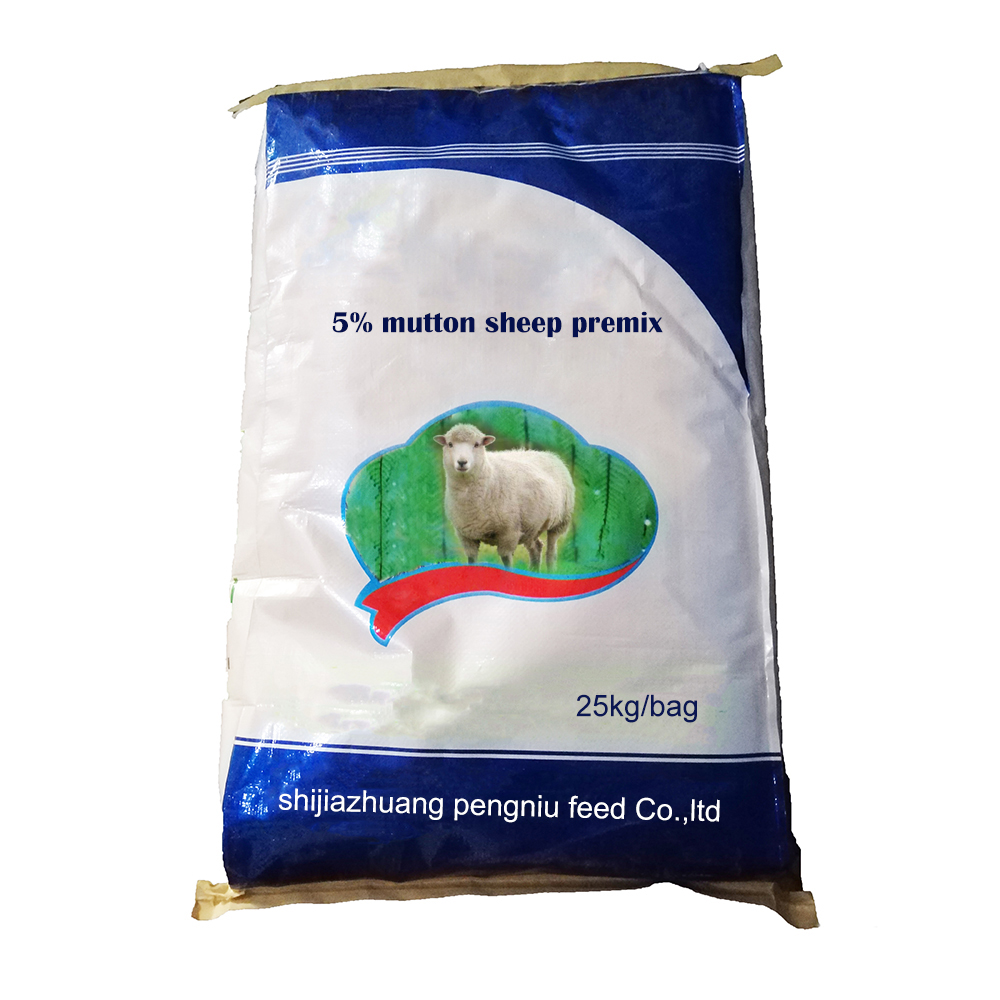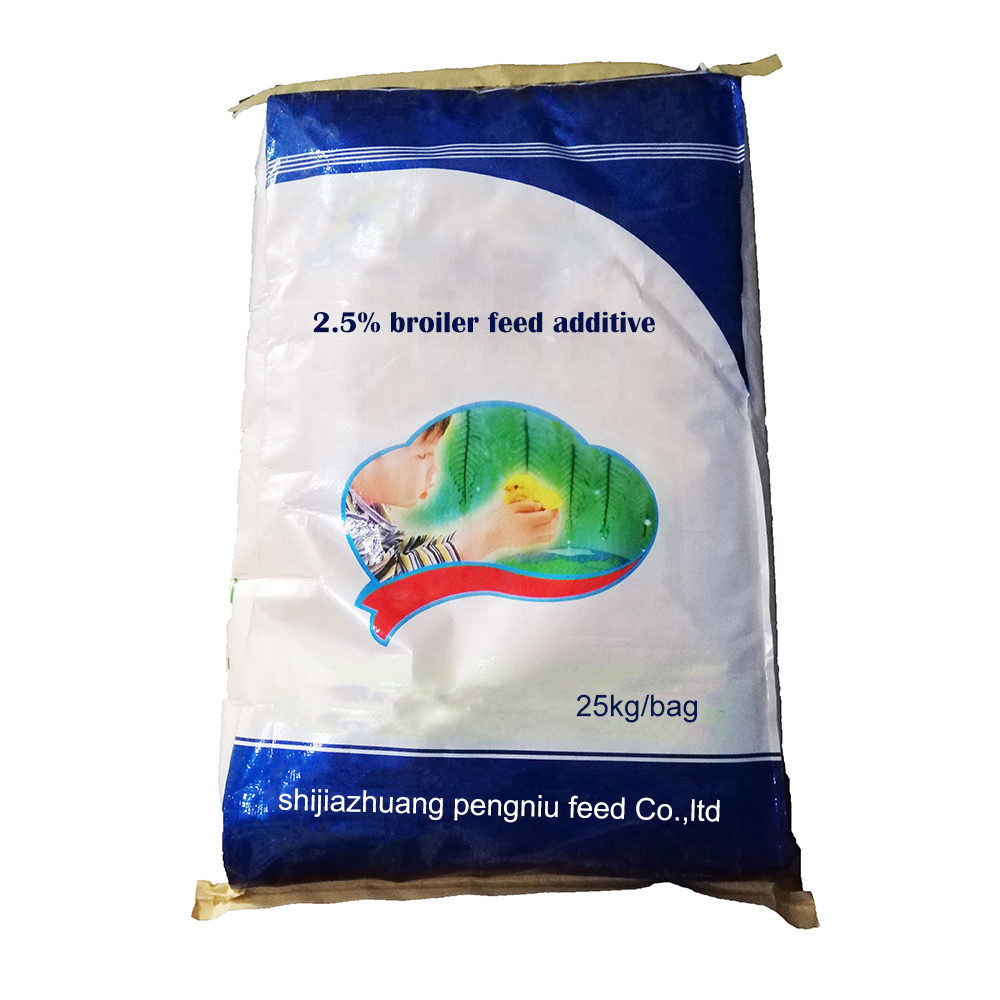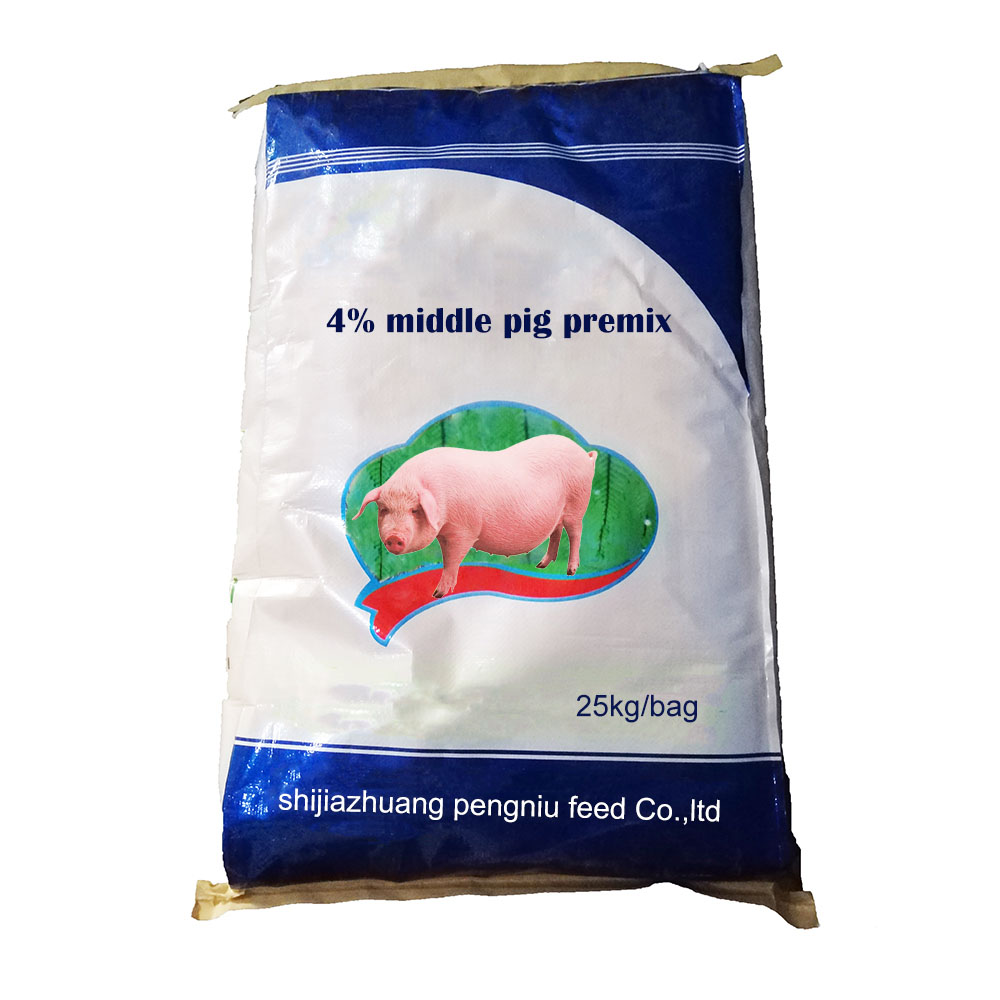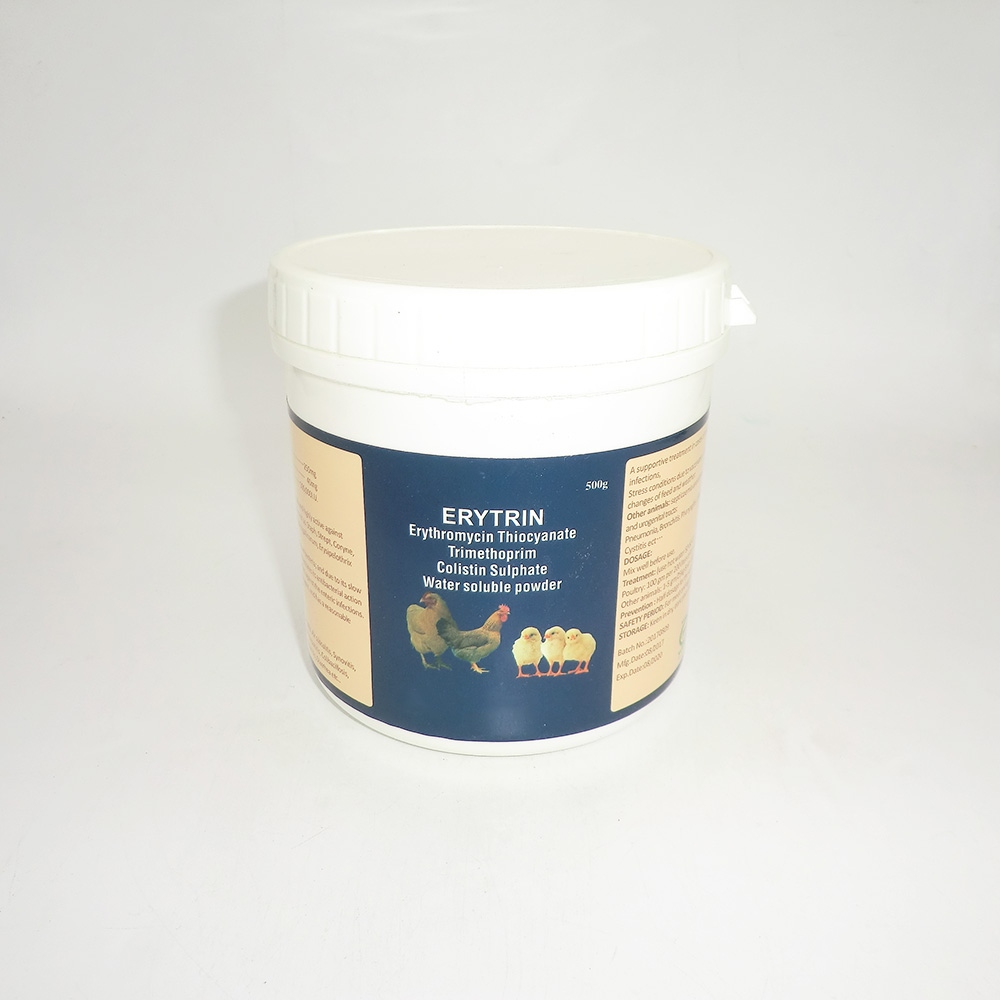
Real-World Guide to Vitamin Premix For Poultry Feed
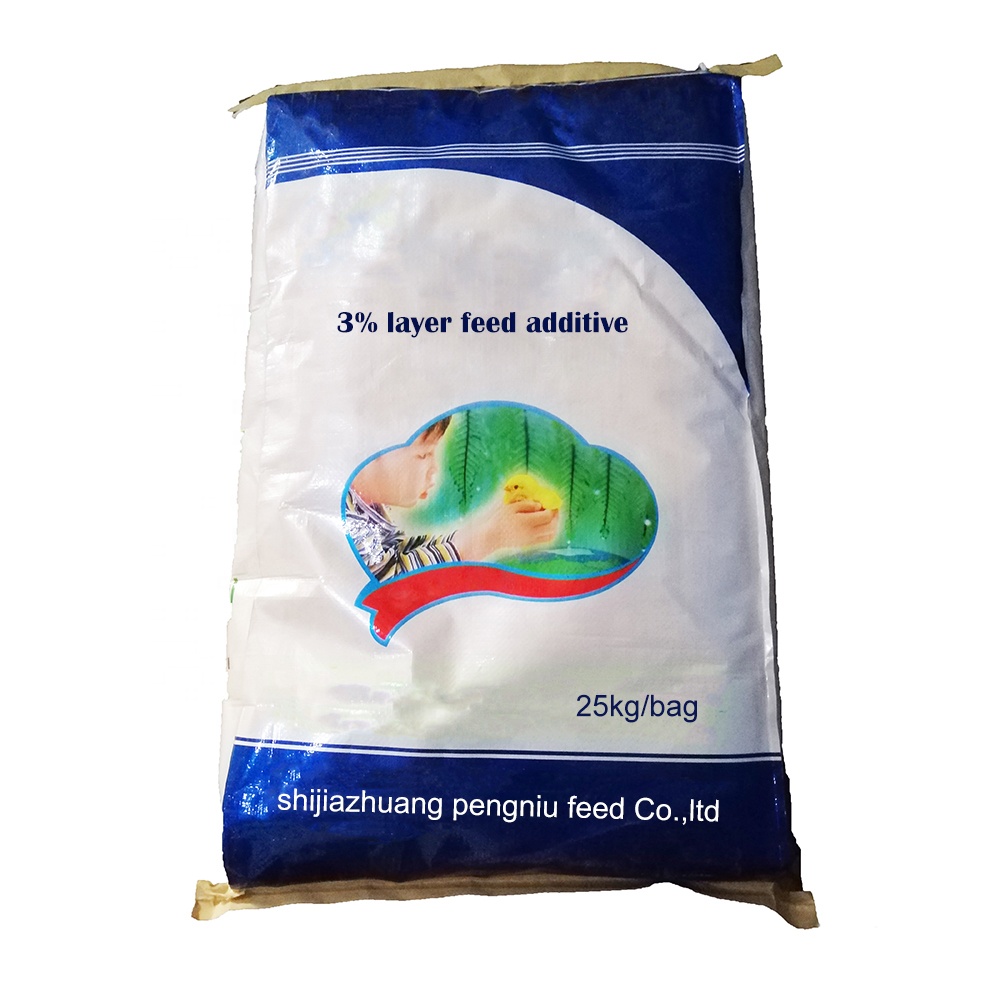
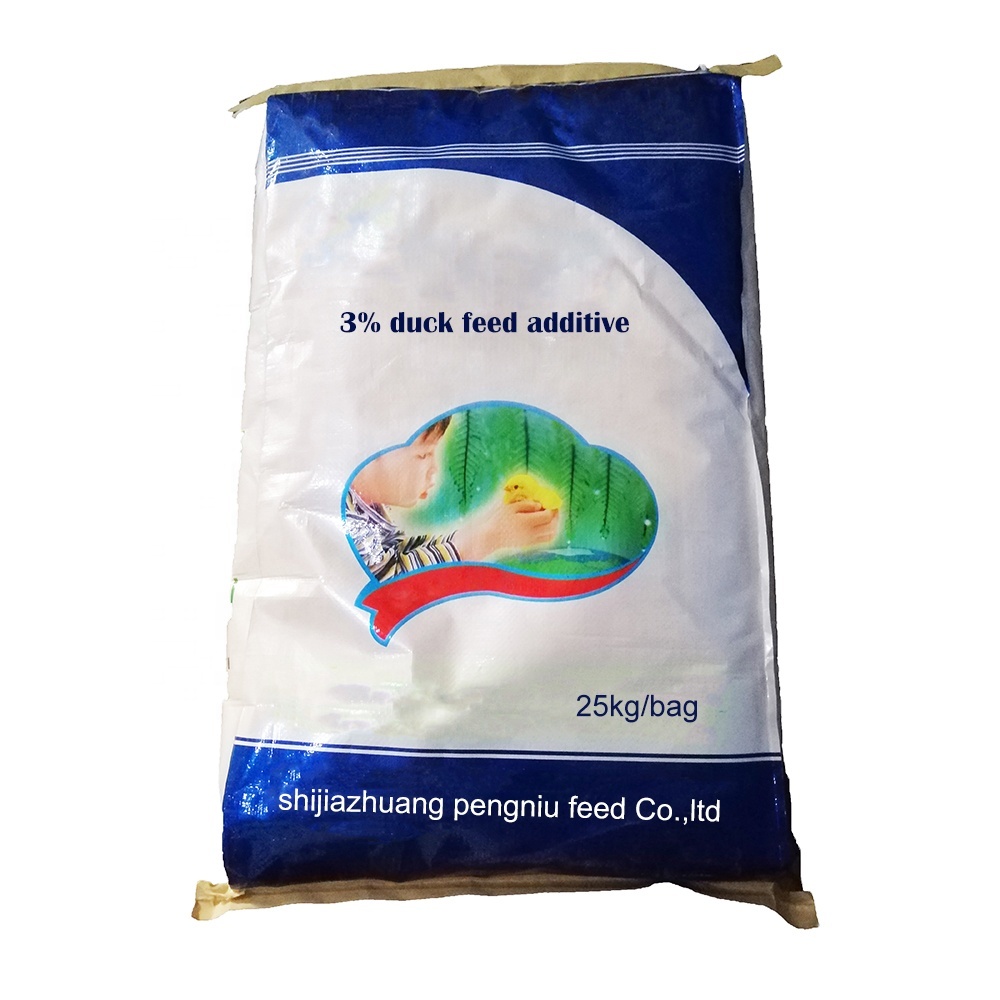
If you manage pullets, you already know: small formulation gaps today become costly egg curve problems later. I’ve toured mills from Hebei to Haryana, and—funny enough—the quiet hero is often the premix. The 3% grower layer feed additive we’re discussing bridges that gap, especially for uniformity and bone strength during the tricky grower phase.
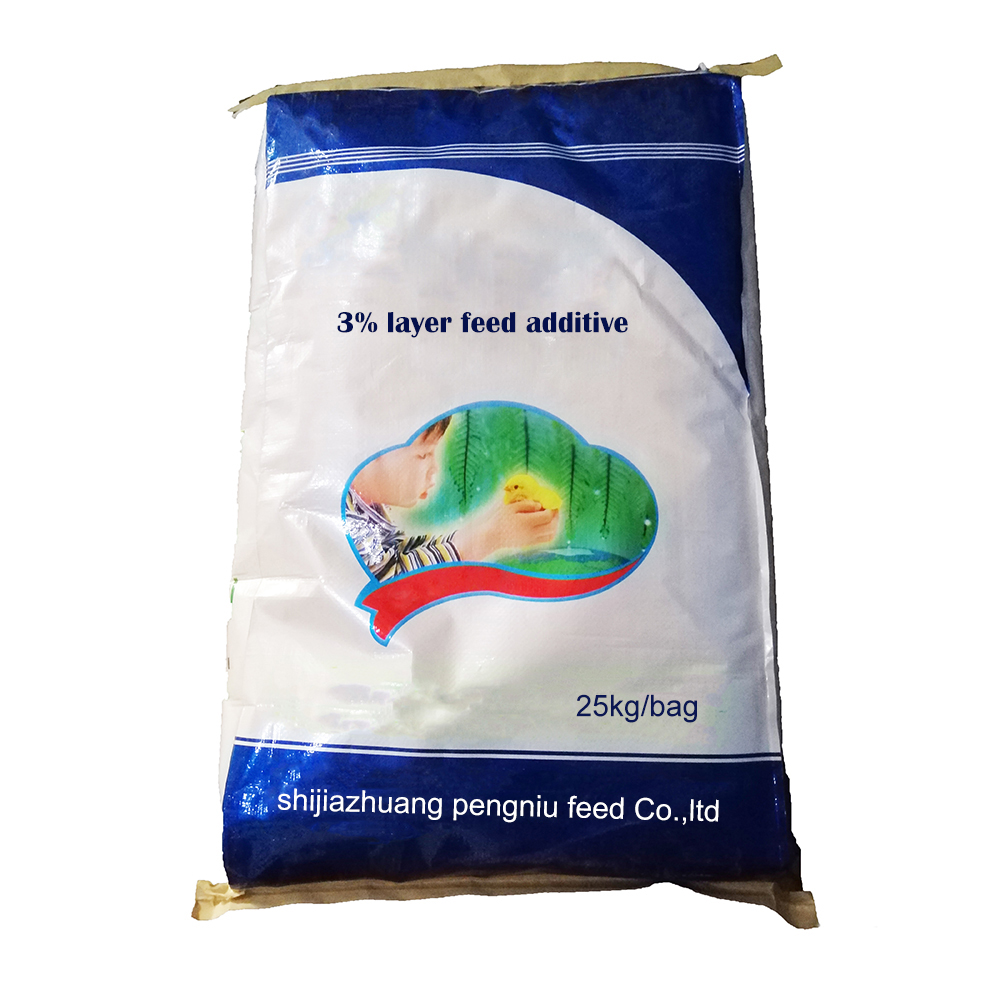
Product snapshot: 3% Grower Layer Feed Additive
Origin: Room 2210, Building A, Yihongxia, 298 Zhonghuabei Street, Xinhua District, Shijiazhuang, Hebei, China. In short, it’s a balanced premix that supports growth, skeletal development, immunity, and feed efficiency—preparing birds for the first-egg rush without the usual stumbles.
| Spec | Details (≈ values; real-world use may vary) |
|---|---|
| Inclusion rate | 3% of feed (3 kg per 100 kg) |
| Key vitamins | A ≈ 2.0 MIU/kg, D3 ≈ 0.5 MIU/kg, E ≈ 5,000 IU/kg, K3, B1, B2, B6, B12, Niacin, Pantothenic acid, Biotin, Folic acid |
| Trace minerals | Zn, Mn, Fe, Cu, Se, I (organic/chelated options on request) |
| Carriers & flow | Dextrose/limestone base; anti-caking agents; flowability ≈ good |
| Moisture | ≤ 10% (AOAC methods) |
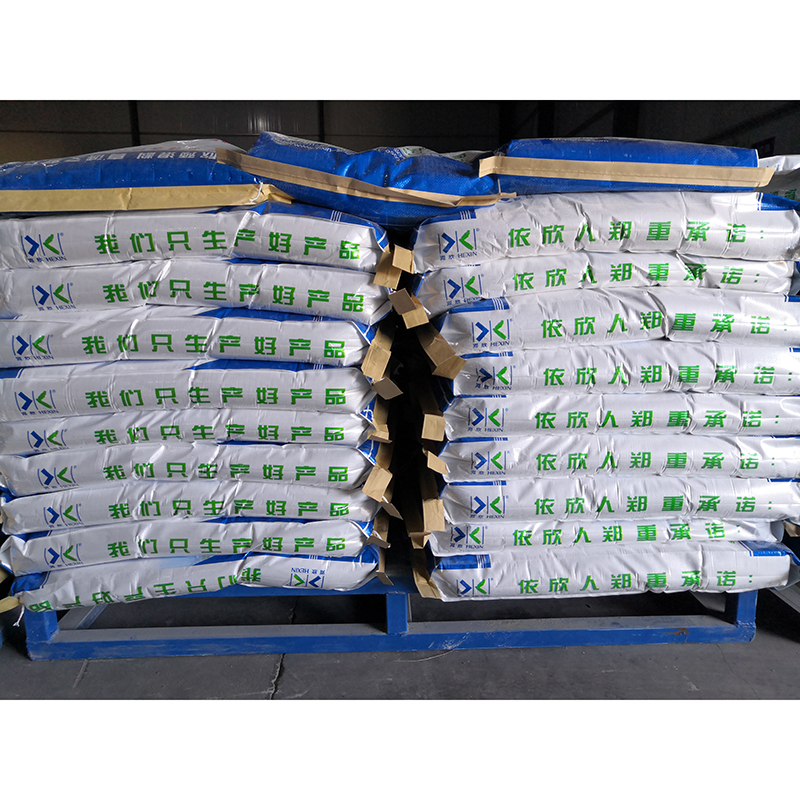
| Packaging | 25 kg multi-layer bag (other sizes available) |
| Shelf life | ≈ 18 months sealed; cool, dry storage |
| Pelleting stability | Designed for up to ≈ 80–85°C with antioxidant support |
Trends I see on the ground
- Antibiotic-free systems, so the premix must carry immunity and gut integrity.
- Precision nutrition: tighter CVs in mixing, micro-encapsulated vitamins, better carrier uniformity.
- Traceability: QR-coded batches, ISO 22000/FAMI-QS expectations aren’t “nice-to-have” anymore.
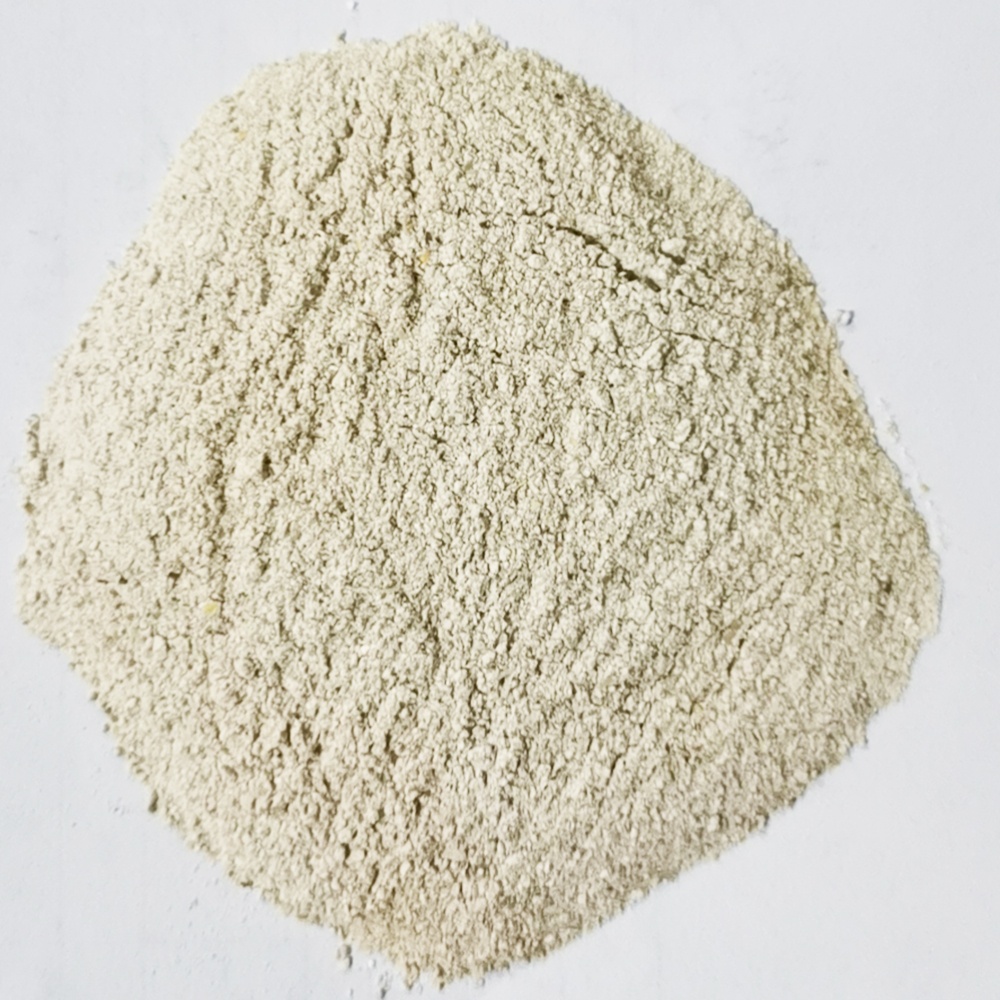
Process flow and QC (how it’s made right)
- Materials: pharma-grade vitamins, trace minerals, flow aids; vetted suppliers, COAs checked.
- Methods: staged micro-dosing, ribbon/paddle blending, sieve to control particle size.
- Testing: AOAC vitamin assays; heavy metals per ICP-OES; microbiology; homogeneity (CV ≤ 5–10%).
- Standards: ISO 22000:2018, HACCP, FAMI-QS; feed hygiene aligned with GB 13078-2017.
- Service life: stability studies at 25–30°C; in-feed retention verified post-pelleting.
Quick test snapshot (typical lot): Vitamin E retention after pelleting ≈ 90%; moisture 7.2%; blend CV 6.1%. To be honest, numbers vary with mill conditions, but these are respectable.
Where it fits
Grower pullets (≈ 7–16 weeks), pre-lay, heat-stress seasons, corn–soy formulas lacking vitamin density, and operations chasing flock uniformity before transfer. Many customers say the jump to laying becomes smoother—less wobble in frame size.
Vendor comparison (field-notes style)
| Vendor | Certifications | Customization | Lead time | Traceability | Price level |
|---|---|---|---|---|---|
| RCPetfood (Hebei, CN) | ISO 22000, HACCP, FAMI-QS (as applicable) | Vitamin density, chelates, carriers, pack sizes | ≈ 10–20 days | Batch QR + COA | Mid |
| Global Premix Co. | ISO, FAMI-QS | Moderate | ≈ 3–4 weeks | COA only | High |
| Local Mill Supply | HACCP | Limited | ≈ 7–10 days | Basic lot record | Low |
Customization & support
Options include organic minerals, higher vitamin E for heat-stress, pellet-stable forms, anticoccidial-compatible antioxidants, and regional fortification to match local raw materials. Documentation: COA, MSDS, allergen/GMO statements.
Case notes from the field
Grower farm (≈ 60k pullets) swapped to Vitamin Premix For Poultry Feed at 3%. Over 8 weeks, FCR improved ≈ 2.4%, uniformity +6%, tibia ash (subset, n=30) up ≈ 4% vs. prior mix. Not a lab-perfect trial, but the manager told me, “Transfer week was calm for once.”
Why it works
- Balanced vitamin matrix supports bone growth pre-lay and vaccine response.
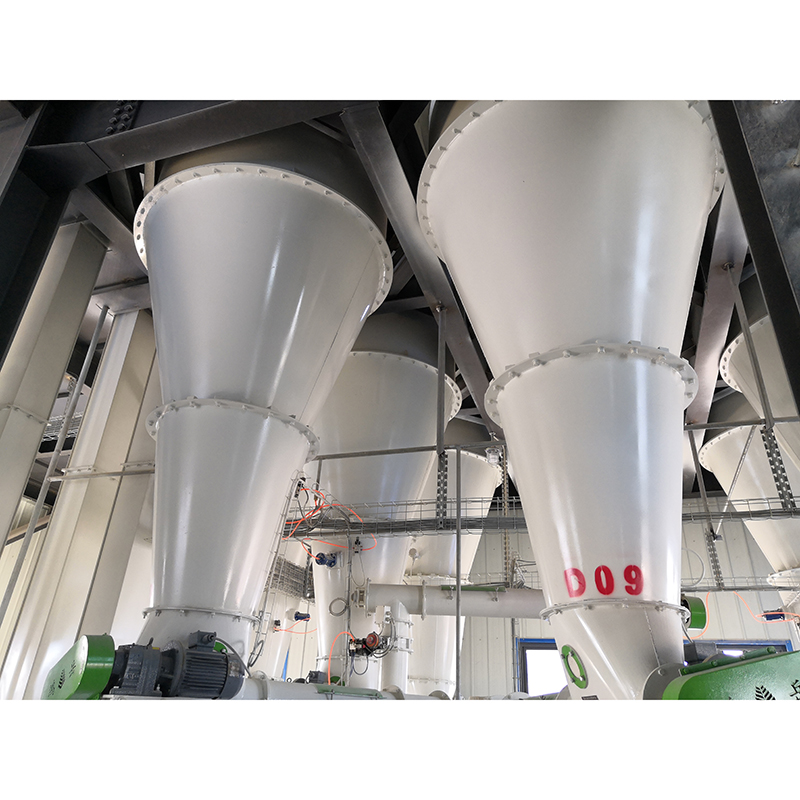
- Good flow and particle size help even distribution—small thing, big impact.
- Documented QC and recognized standards improve repeatability. That’s what you feel in uniform flocks.
Compliance touchpoints: ISO 22000, HACCP, FAMI-QS, AOAC test methods, and Chinese feed hygiene GB 13078-2017. Always align with NRC/AAFCO guidance and local regulations before reformulation.
Citations
- NRC. Nutrient Requirements of Poultry, 9th Rev. Ed., National Academies Press.
- FAMI-QS. Code of Practice for Feed Additives and Premixtures.
- ISO 22000:2018. Food Safety Management Systems — Requirements.
- AOAC International. Official Methods for Vitamin Analysis (HPLC/LC methods).
- GB 13078-2017. Hygienic Standard for Feeds (China).
Post time: November 7, 2025