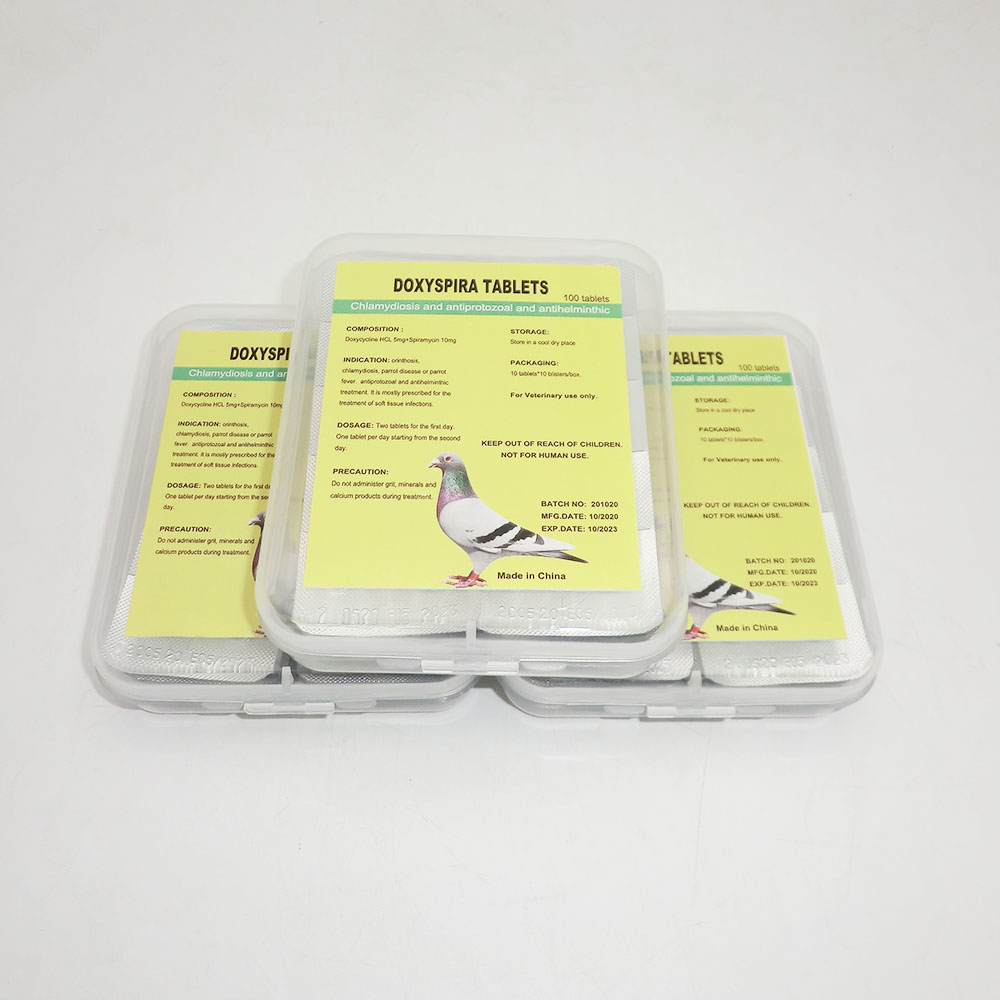
Understanding Veterinary Services: A Global Lifeline for Animal and Human Health
Veterinary services might seem like a niche subject at first glance, but their global impact stretches well beyond the treatment of your neighborhood pet. These services play a critical role in safeguarding animal health, public safety, food security, and even global economies. With livestock farming supporting millions of livelihoods worldwide, veterinary care has turned into an indispensable industry — bridging science, agriculture, and public health in surprisingly intricate ways.
So why does it matter on such a broad scale? Well, imagine a world where zoonotic diseases (those transmitted between animals and humans) go unchecked or where livestock diseases decimate food supplies. The damage would ripple from local farms to international markets. Thus, understanding veterinary services means appreciating a cornerstone of sustainable development and global security.
Global Context: Why Veterinary Services Matter Today
According to the Food and Agriculture Organization of the United Nations, over 60% of emerging infectious diseases in humans are zoonoses linked to animals. That’s a striking statistic, underscoring the critical nature of veterinary services in disease control and prevention. Beyond health, the livestock sector contributes approximately 40% of the global agricultural GDP, emphasizing veterinary care’s economic weight (source: FAO).
Yet, many regions—particularly in developing countries—face challenges such as lack of trained veterinary professionals, limited infrastructure, and poor access to quality medicines. These gaps not only affect animal welfare but also public health and food safety. Herein lies a pressing challenge: how to make veterinary services more accessible, cost-effective, and technologically modern without compromising quality?
What Are Veterinary Services?
At its core, veterinary services encompass the prevention, diagnosis, and treatment of animal diseases. But it’s not just about the vet’s clinic — these services span field diagnostics, vaccination programs, regulatory inspections, and even research initiatives. They safeguard not only companion animals but also livestock and wildlife, linking directly to environmental health.
In modern terms, veterinary services represent a fusion of clinical medicine, epidemiology, agriculture, and public health policy — a vital interface between humans and animals. Given the surge in global pet ownership and intensified farming practices, these services have evolved to embrace technology, such as telemedicine and advanced diagnostic tools.
Core Components of Veterinary Services
1. Clinical Care and Diagnostics
This involves routine check-ups, lab tests, and treatments for individual animals. Technologies like portable ultrasound and rapid on-site diagnostics improve speed and accuracy.
2. Preventive Medicine
Vaccination, parasite control, and nutrition advice fall here. Preventive strategies reduce disease outbreaks and improve animal welfare overall.
3. Disease Surveillance and Control
Monitoring livestock and wildlife populations for signs of epidemics supports early interventions to prevent widespread losses. Think of it as frontline defense for the food chain.
4. Regulatory and Food Safety Compliance
In many countries, veterinary officials oversee meat inspections, animal transport regulations, and import/export controls — all crucial to maintaining public health.
5. Research and Education
Developing vaccines, studying emerging diseases, and training new veterinarians keep the field dynamic and responsive to new challenges.
Table: Typical Product Specs in Veterinary Diagnostic Equipment
| Device | Function | Portability | Battery Life | Price Range |
|---|---|---|---|---|
| Portable Ultrasound | Imaging & diagnosis | High | 5 hours | $2,000 - $5,000 |
| Lateral Flow Tests | Rapid pathogen detection | Very High | N/A (single use) | $10 - $50 per test |
| Digital Thermometers | Temperature monitoring | High | 20+ hours | $30 - $150 |
Global Applications & Use Cases
Veterinary services shine in diverse scenarios. In Africa and Southeast Asia, mobile clinics brave remote villages to vaccinate livestock, protecting both farmers’ incomes and public health. In industrialized regions, strict regulatory controls ensure meat products meet international safety standards, critical to export economies in Europe and North America.
Interestingly, these services also play pivotal roles in disaster response. For example, after floods or earthquakes, displaced animals are often exposed to disease — veterinary teams help prevent outbreaks that could spiral into humanitarian crises. Even wildlife conservation can't escape veterinary influence, with specialists aiding endangered species recovery worldwide.
Vendor Comparison Table: Leading Providers of Veterinary Diagnostic Tools
| Vendor | Product Range | Global Presence | Price Level | After-Sales Service |
|---|---|---|---|---|
| VetTech Solutions | Diagnostics & Imaging | Worldwide | High | 24/7 support |
| RuralVet Supplies | Field Kits & Vaccines | Africa, Asia | Moderate | Local technicians |
| AgriVet Innovations | Diagnostics & Software | Global | Mid-High | Online training & support |
Advantages & Long-Term Value of Veterinary Services
In real terms, veterinary services offer more than health fixes. They reduce economic losses by preventing animal disease outbreaks, improve food safety and public trust, and foster sustainable farming. There’s a social dimension too: healthy animals mean stable incomes — a kind of dignity and resilience for farmers worldwide.
Frankly, the reassurance of knowing your livestock or pets are professionally cared for brings emotional peace of mind. That trust is earned through expertise, proper training, and robust infrastructure — all fundamentals of high-quality veterinary care.
Future Trends & Innovations in Veterinary Care
The frontier is exciting. Artificial intelligence and big data analytics are beginning to predict disease trends before they escalate. Tele-veterinary consultations are a game changer, especially in rural or underserved areas. Sustainable biotech solutions, such as plant-based vaccines and eco-friendly diagnostics, are also rising.
One shouldn’t overlook automation either—drones delivering vaccines or monitoring herds remotely may soon become standard practice. Plus, global policies are pushing for increased collaboration on transboundary animal diseases, highlighting an integrated approach to animal and human health — often called “One Health.”
Challenges & Practical Solutions
Despite its many advantages, veterinary services face hurdles like uneven access, lack of funding, and sometimes fragmented regulatory systems. Innovative solutions include mobile veterinary units, public-private partnerships, and capacity-building through education.
On-the-ground vet tech often rely on partnerships with NGOs and government programs to reach remote or marginalized communities. It feels like a constant balancing act between cost constraints and urgent health demands.
FAQ: Veterinary Services in Practice
- Q: How do veterinary services prevent disease outbreaks in livestock?
A: Through vaccination programs, routine health checks, quarantine measures, and disease surveillance, vets monitor animal health to catch issues early and prevent spread. This multi-layered approach is vital in controlling diseases that could otherwise devastate herds. - Q: Are veterinary telemedicine services reliable for rural communities?
A: While not a replacement for hands-on care, telemedicine enhances access by enabling remote consultations and diagnostics. In areas with poor infrastructure, it can be a lifeline connecting vets with clients and guiding urgent decisions. - Q: What role do veterinarians play in food safety?
A: Vets inspect animals for diseases prior to slaughter, oversee sanitary conditions, and ensure compliance with food safety standards. Their work helps prevent contaminated meat reaching consumers. - Q: Can veterinary services support wildlife conservation efforts?
A: Absolutely. Specialists assist with disease monitoring in wild populations, perform treatments for endangered species, and contribute veterinary knowledge to ecosystem management.
Conclusion
Veterinary services stand as a fundamental pillar not just for animal health but for public well-being, food security, and economic stability worldwide. The industry is evolving, embracing innovation to meet escalating demands and complex challenges. If you want to dive deeper or explore related solutions, feel free to visit our veterinary services page — it’s a great starting point to understand how modern care works globally.
The global network of veterinary services is not just about animal care – it's a vital thread woven into the very fabric of human health and prosperity.
References
Post time: December 2, 2025