Understanding 2 ml Dexamethasone: Uses, Dosage, and Considerations
Dexamethasone is a potent corticosteroid medication used to treat a wide range of conditions characterized by inflammation. The 2 ml presentation often refers to a concentration commonly used for intramuscular or intravenous administration. This article aims to provide a comprehensive overview of dexamethasone, specifically focusing on the 2 ml formulation, its uses, potential side effects, and important considerations. Understanding this medication is crucial for both healthcare professionals and individuals who may be prescribed it. You can find more information about pet health and potential veterinary uses at RC Pet Food, although this article focuses on general medical information.
What is Dexamethasone and How Does It Work?
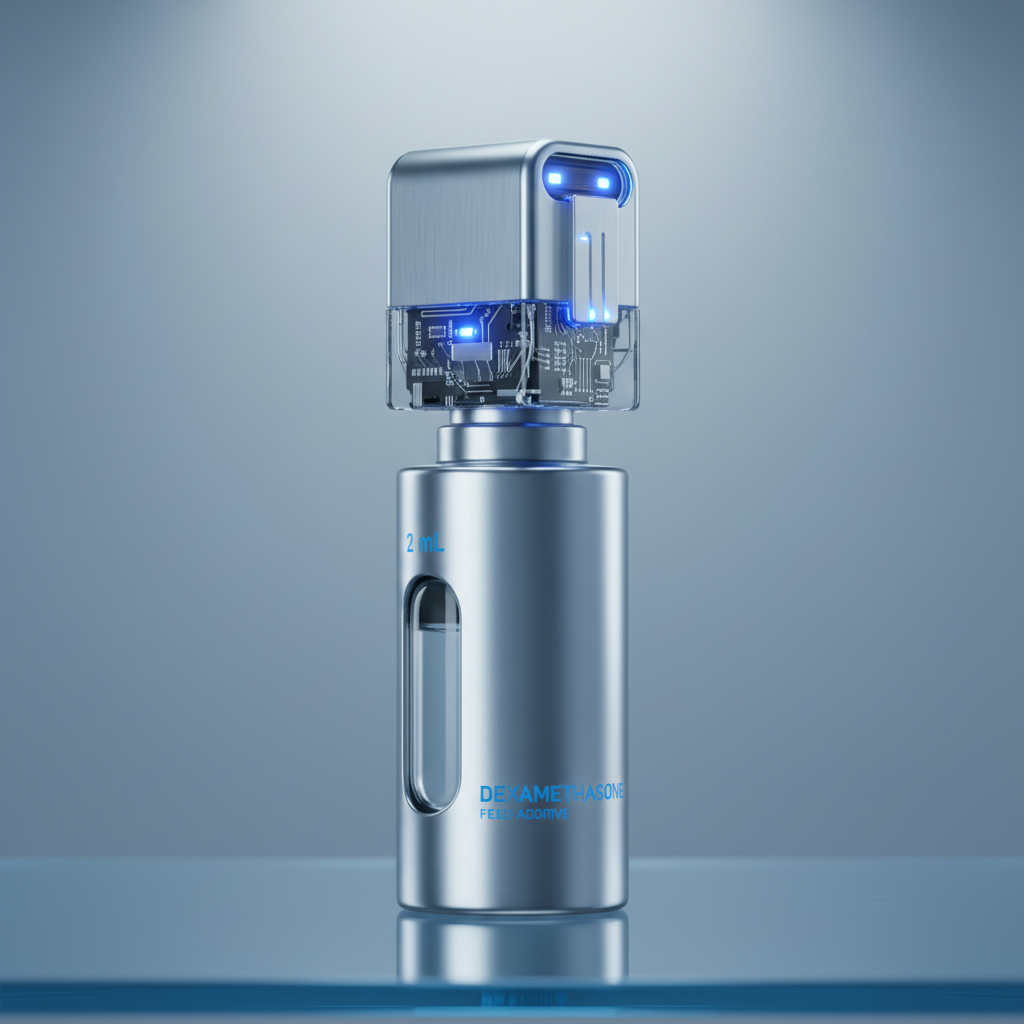
Dexamethasone belongs to a class of drugs called corticosteroids. These medications work by reducing inflammation and suppressing the immune system. It achieves this by binding to glucocorticoid receptors within cells, altering gene expression and reducing the production of inflammatory substances. The 2 ml formulation is typically a solution containing a specific concentration of dexamethasone, designed for injection. The dosage administered depends on the condition being treated, the severity of the inflammation, and the patient's individual characteristics. It's important to remember that dexamethasone is a prescription medication and should only be used under the guidance of a qualified healthcare professional.
Key Highlights: Dexamethasone reduces inflammation and suppresses the immune system by altering gene expression. The 2 ml formulation is commonly used for injections.
Common Uses of 2 ml Dexamethasone
Dexamethasone, in its 2 ml formulation, is used to treat a diverse array of medical conditions. These include, but are not limited to: allergic reactions (severe), arthritis, autoimmune diseases (like lupus and rheumatoid arthritis), skin conditions, asthma, and certain types of cancer. It can also be used to manage inflammation following surgery or injury. In some cases, it's used as part of chemotherapy regimens to reduce nausea and vomiting. The specific indication and dosage will be determined by a physician based on the patient’s individual needs. The versatility of dexamethasone makes it a valuable tool in managing a wide range of inflammatory and immune-related disorders.
Common Applications:
• Allergic Reactions
• Arthritis
• Autoimmune Diseases
• Skin Conditions
2 ml Dexamethasone: Dosage and Administration
The dosage of dexamethasone 2ml varies significantly depending on the condition being treated and the patient's individual response. It's typically administered via intramuscular or intravenous injection. Common dosages range from 4mg to 20mg daily, but higher doses may be used in acute situations. Treatment duration also varies, ranging from a few days for acute exacerbations to longer periods for chronic conditions. It's absolutely crucial to follow your doctor's instructions precisely. Do not alter the dosage or stop treatment without consulting your healthcare provider, as abrupt cessation can lead to adrenal insufficiency.
Potential Side Effects and Precautions
Dexamethasone can cause a range of side effects, especially with long-term use. These can include weight gain, mood changes, increased appetite, insomnia, and increased susceptibility to infection. More serious side effects, though less common, include osteoporosis, cataracts, and adrenal suppression. It is important to inform your doctor about any pre-existing medical conditions, particularly diabetes, heart problems, or mental health issues, before starting dexamethasone treatment. Avoid taking dexamethasone if you have an active infection unless specifically directed by your doctor. Long-term use requires careful monitoring by a healthcare professional.

Important Considerations & Interactions
Dexamethasone can interact with other medications, potentially increasing the risk of side effects or reducing the effectiveness of either drug. Be sure to inform your doctor about all medications you are taking, including over-the-counter drugs, supplements, and herbal remedies. Dexamethasone can also affect blood sugar levels, requiring adjustments to diabetes medication. Patients with peptic ulcers should use dexamethasone with caution. Furthermore, avoid live vaccines while taking dexamethasone, as the suppressed immune system may prevent the vaccine from working effectively.
Conclusion: Responsible Use of Dexamethasone
Dexamethasone is a powerful medication that can provide significant relief for a variety of inflammatory conditions. However, it’s essential to use it responsibly and under the close supervision of a healthcare professional. Understanding its uses, potential side effects, and interactions is crucial for ensuring safe and effective treatment. Always follow your doctor's instructions and report any concerning symptoms promptly.
Frequently Asked Questions (FAQs)
What should I do if I miss a dose of dexamethasone?
If you miss a dose, take it as soon as you remember, unless it's almost time for your next scheduled dose. In that case, skip the missed dose and continue with your regular dosing schedule. Do not double your dose to make up for a missed one. Consistency is key when taking dexamethasone, as abruptly stopping or altering the dose can lead to adverse effects. If you frequently miss doses, discuss a revised schedule with your doctor to ensure optimal treatment. Never self-adjust your medication without professional guidance.
Are there any dietary restrictions while taking dexamethasone?
While on dexamethasone, it's advisable to maintain a balanced diet with adequate protein and calcium. Limit your intake of salt, as dexamethasone can cause fluid retention. Also, be mindful of your sugar consumption, as the medication can increase blood sugar levels. Avoid alcohol, as it can worsen some of the side effects of dexamethasone. Discuss any specific dietary concerns with your doctor or a registered dietitian to develop a personalized plan.
How long does it take to feel the effects of dexamethasone?
The timeframe for feeling the effects of dexamethasone varies depending on the condition being treated and the dosage administered. Some individuals may experience improvement within a few days, while others may take several weeks to see noticeable results. It's important to have realistic expectations and communicate with your doctor if you don't experience any improvement after a reasonable period. The initial response can sometimes be followed by a gradual improvement over time, so patience is often necessary.
What should I do if I experience severe side effects?
If you experience severe side effects, such as difficulty breathing, swelling of the face or throat, chest pain, severe abdominal pain, or changes in vision, seek immediate medical attention. Do not hesitate to go to the emergency room or contact your doctor right away. Even if the side effects seem less severe but are significantly impacting your quality of life, it’s important to report them to your healthcare provider for evaluation and potential adjustment of your treatment plan.
Post time: March 11, 2026