Understanding Animal Healthcare Products: Essential Tools for Global Wellbeing
When you think of animal healthcare products, it might sound straightforward—stuff we use to keep animals healthy, right? But the reality runs much deeper. These products, ranging from vaccines and nutritional supplements to diagnostic devices and pharmaceuticals, play a critical role not only in veterinary care but also in food security, environmental health, and economic stability worldwide.
Why does this matter globally? Well, the World Organisation for Animal Health (OIE) estimates that about 60% of human infectious diseases originate from animals. Proper use of animal healthcare products doesn’t just protect individual pets or livestock; it helps prevent zoonotic diseases from spreading to humans, supporting a One Health approach to global wellbeing. Plus, healthier animals mean more sustainable food systems and stronger rural livelihoods.
So, understanding what these products are, how they work, and their impact is invaluable. Let’s unpack the essentials.
Global Industry Context: Why Animal Healthcare Products Are More Crucial Than Ever
According to the Food and Agriculture Organization (FAO), the global livestock sector contributes up to 40% of total agricultural GDP. This colossal industry depends heavily on effective healthcare products to ensure animal vitality and productivity. At the same time, the global market for these products is expected to grow annually by about 6%, driven by rising demand for protein and increased awareness of animal welfare.
However, the industry faces challenges too: antimicrobial resistance (AMR), regulatory hurdles, and uneven access between developed and developing countries. Animal healthcare products are at the frontline of solutions addressing these issues. They help improve disease control, optimize animal nutrition, and reduce unnecessary antibiotic use.
Mini Takeaway: A healthy animal equals a healthier food chain and population — a fact that’s gaining more global recognition every year.
What Exactly Are Animal Healthcare Products?
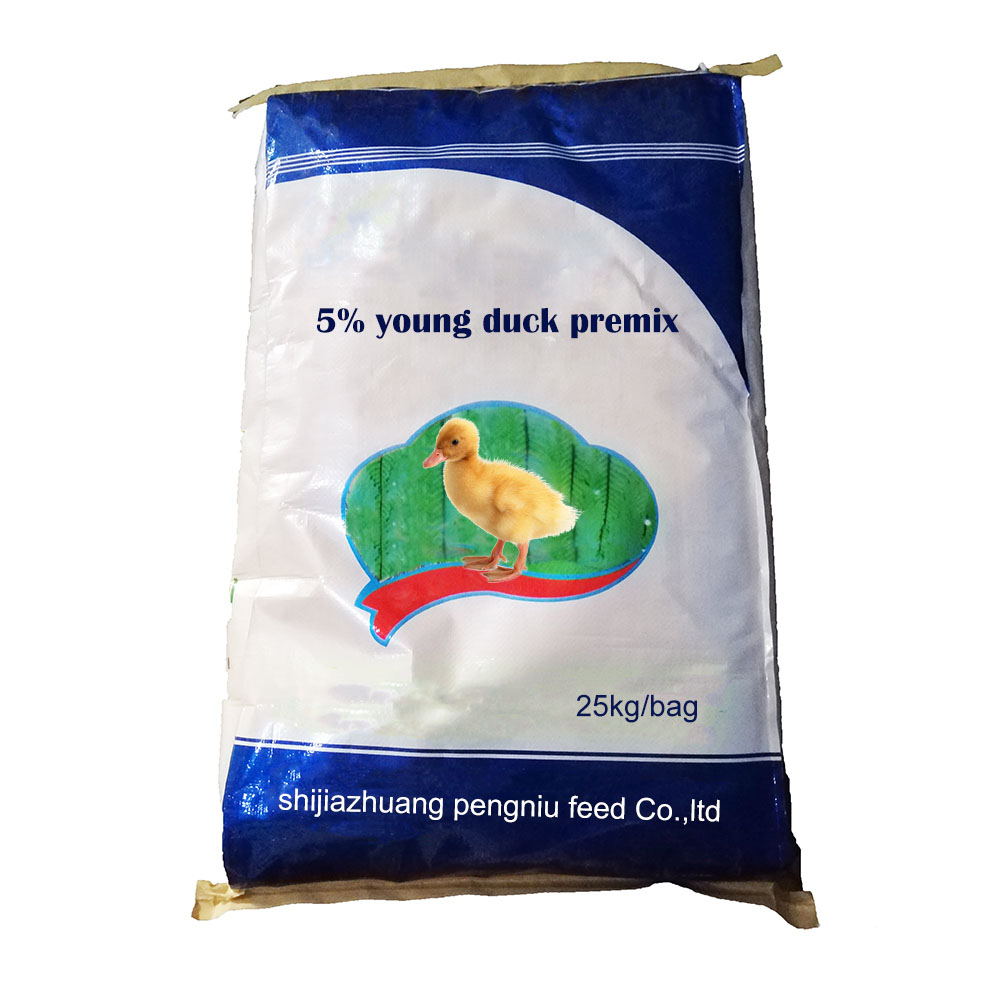
Simply put, animal healthcare products are all the materials, drugs, and devices developed for the diagnosis, treatment, prevention, and nutrition of livestock, companion animals, and wildlife. This spans:
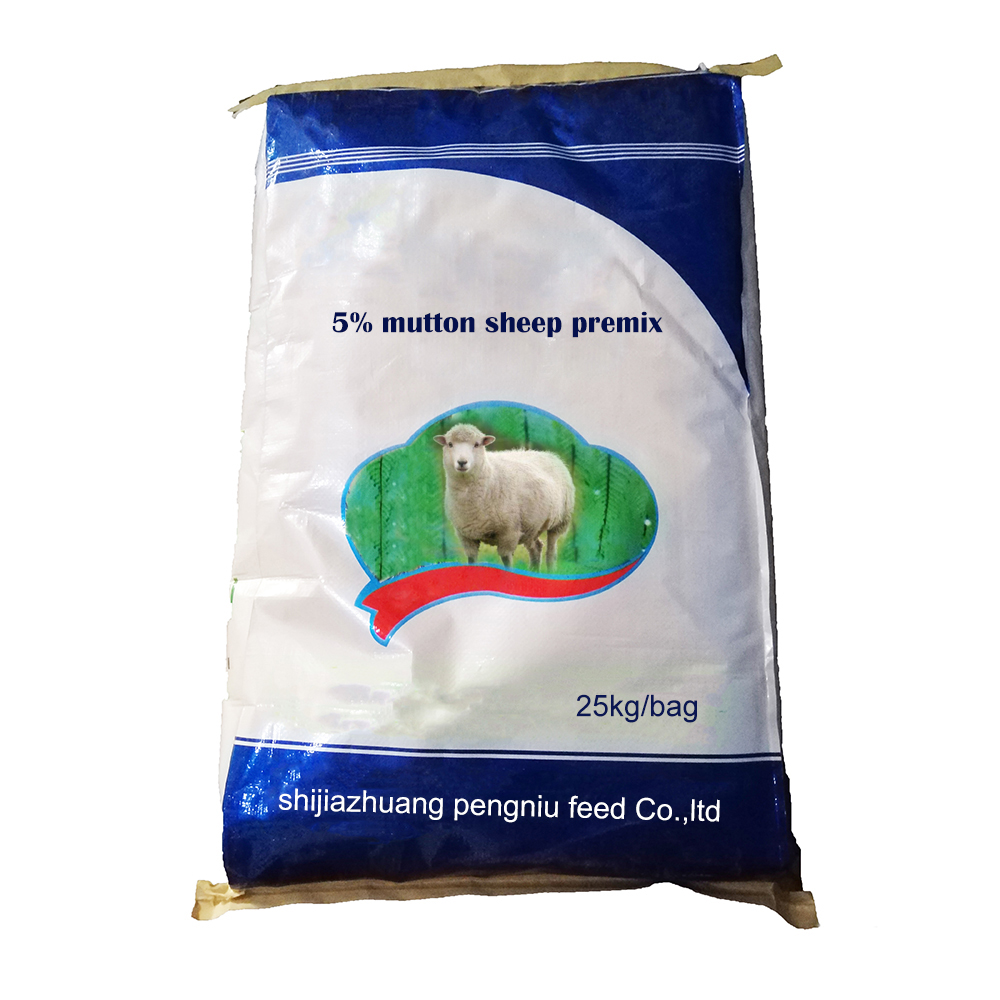
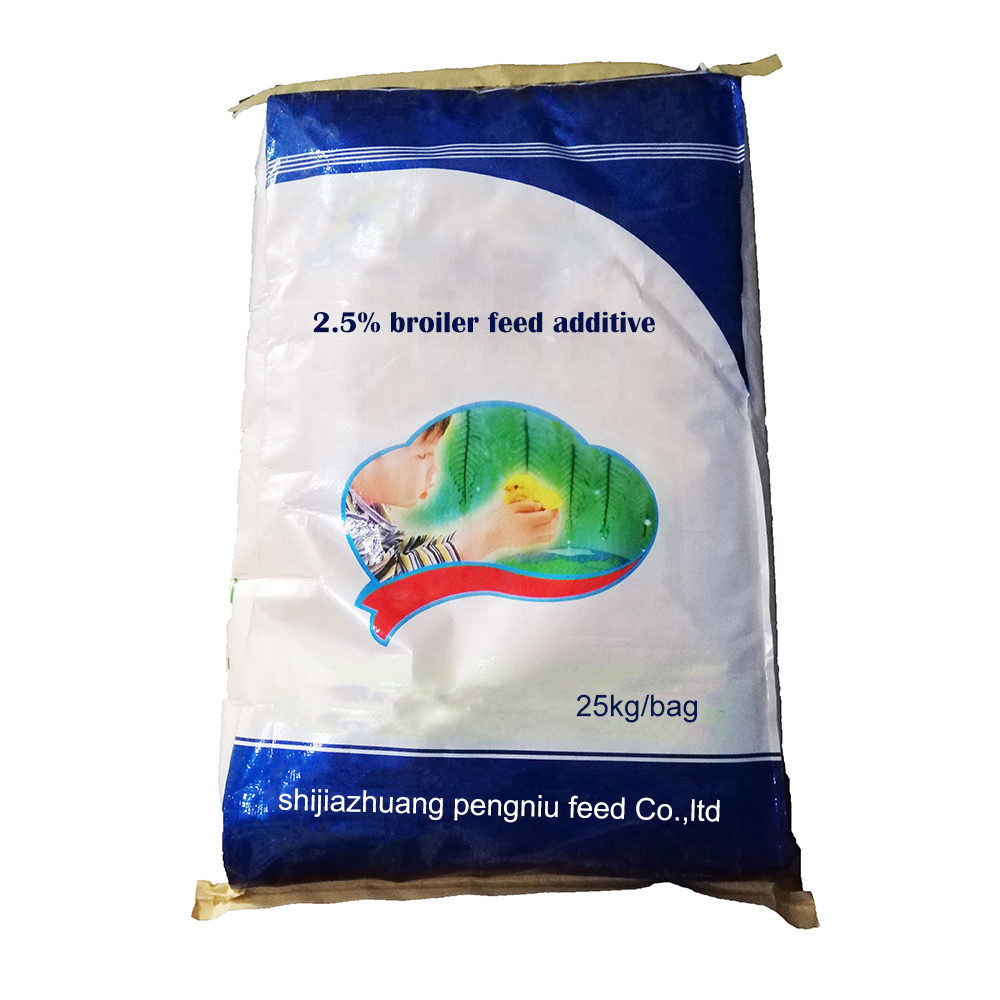
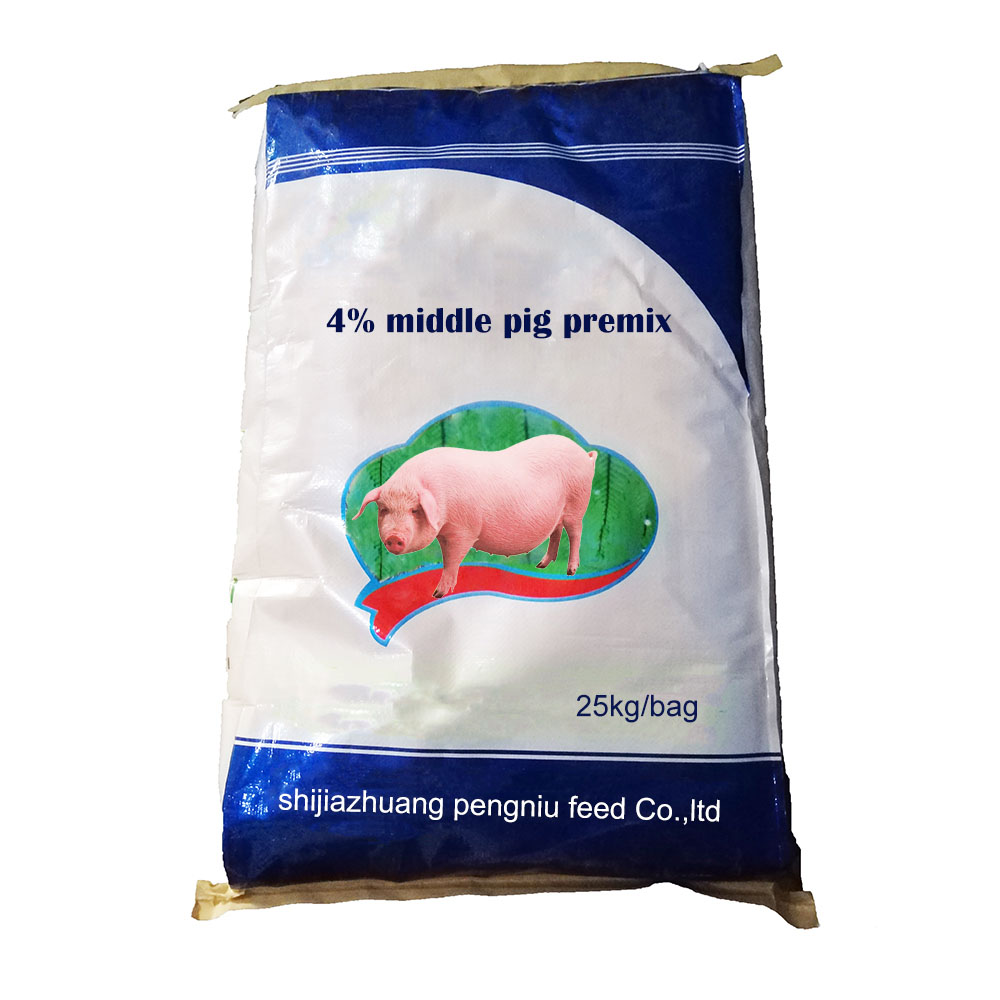
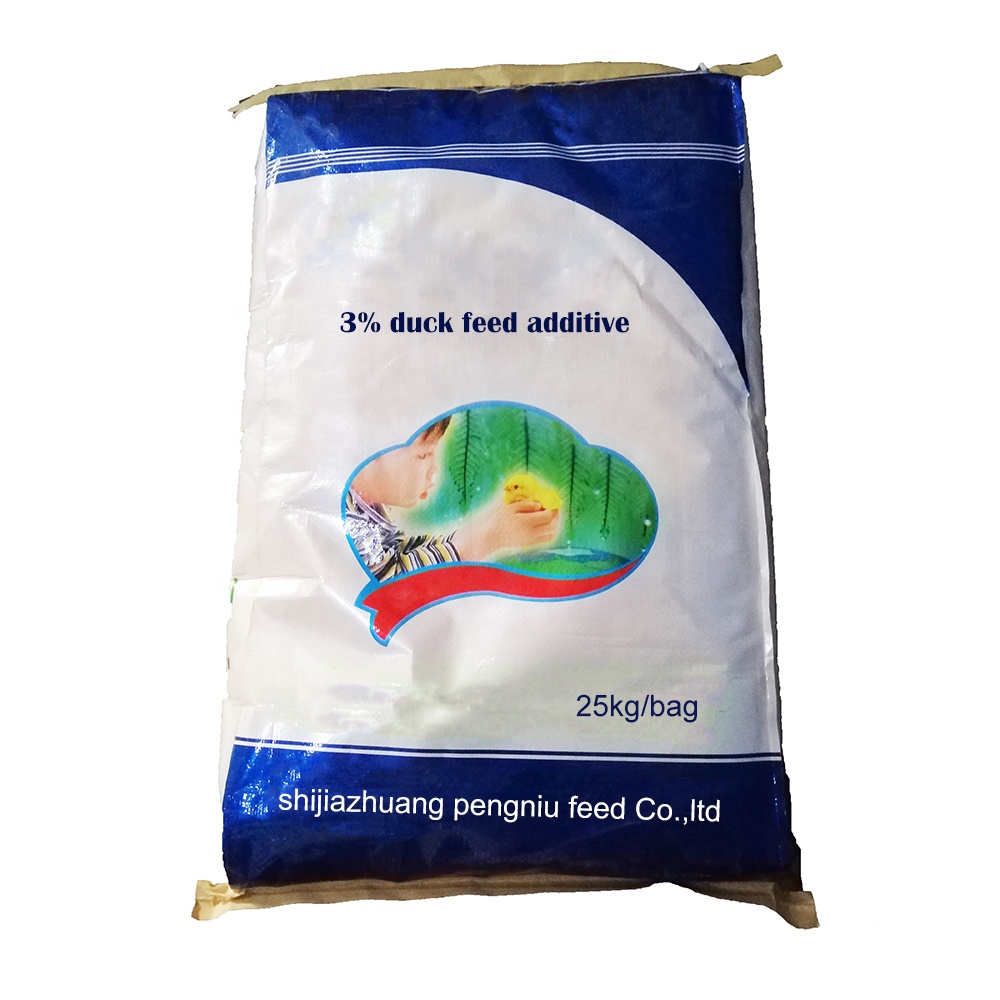
- Vaccines and antibiotics
- Diagnostic tests and imaging equipment
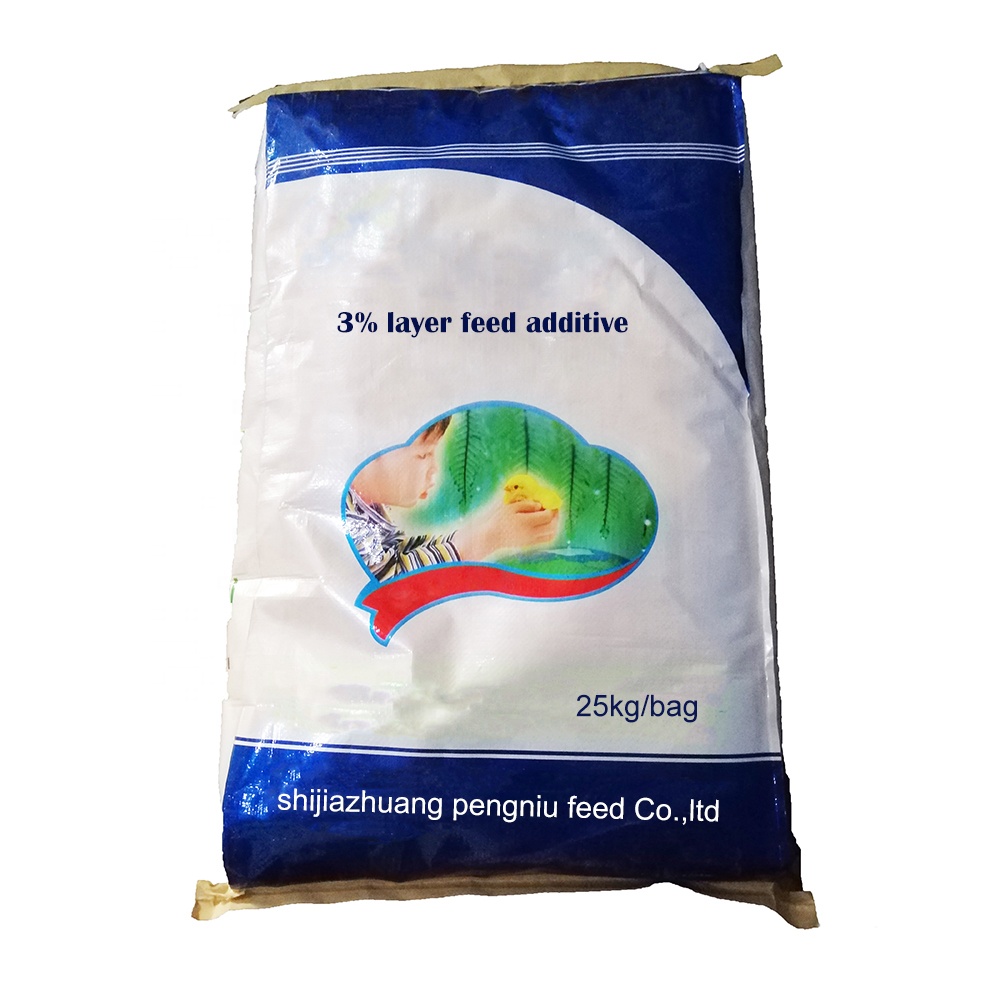
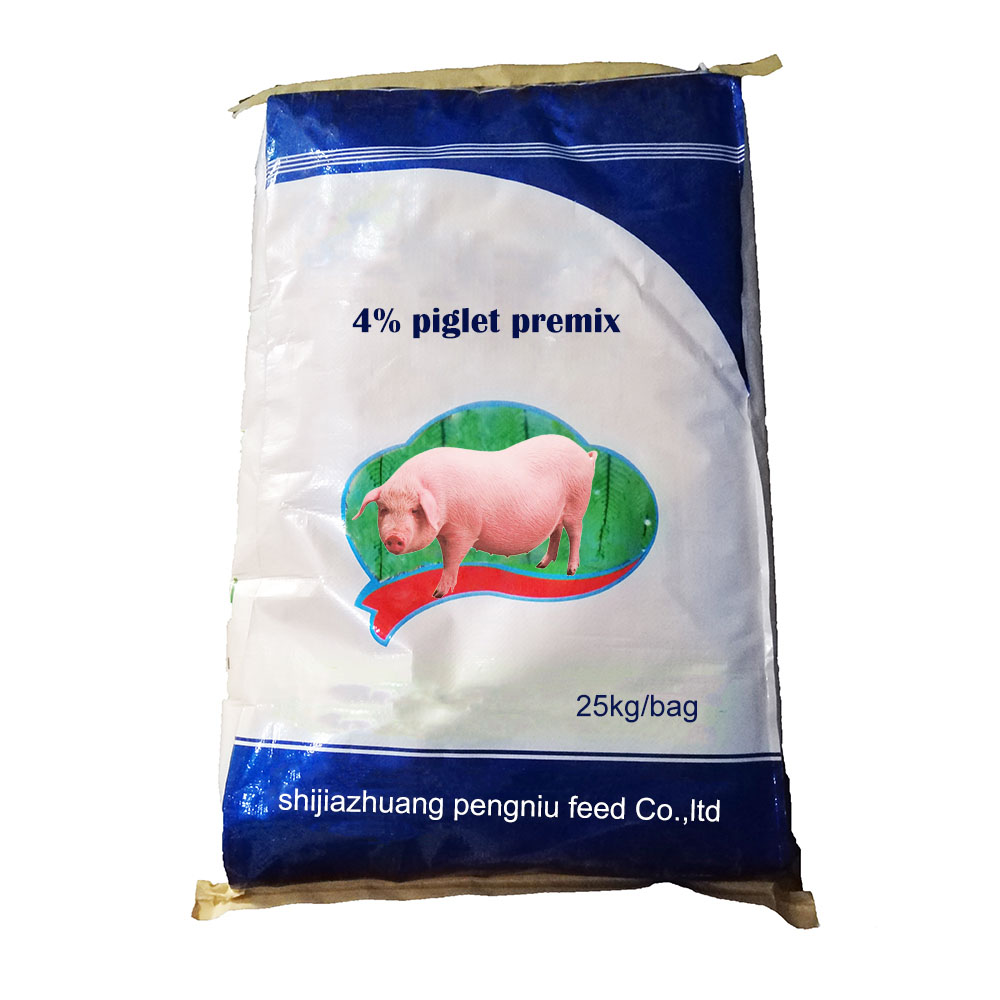
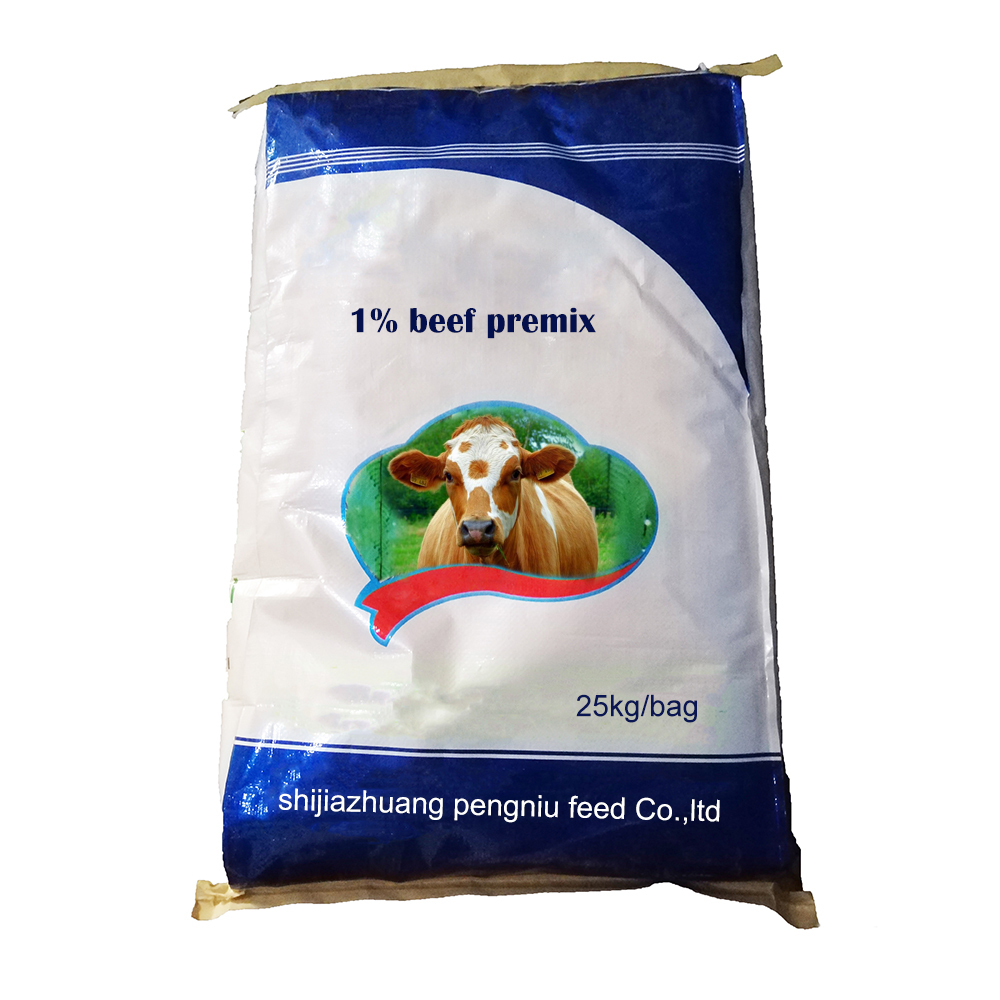
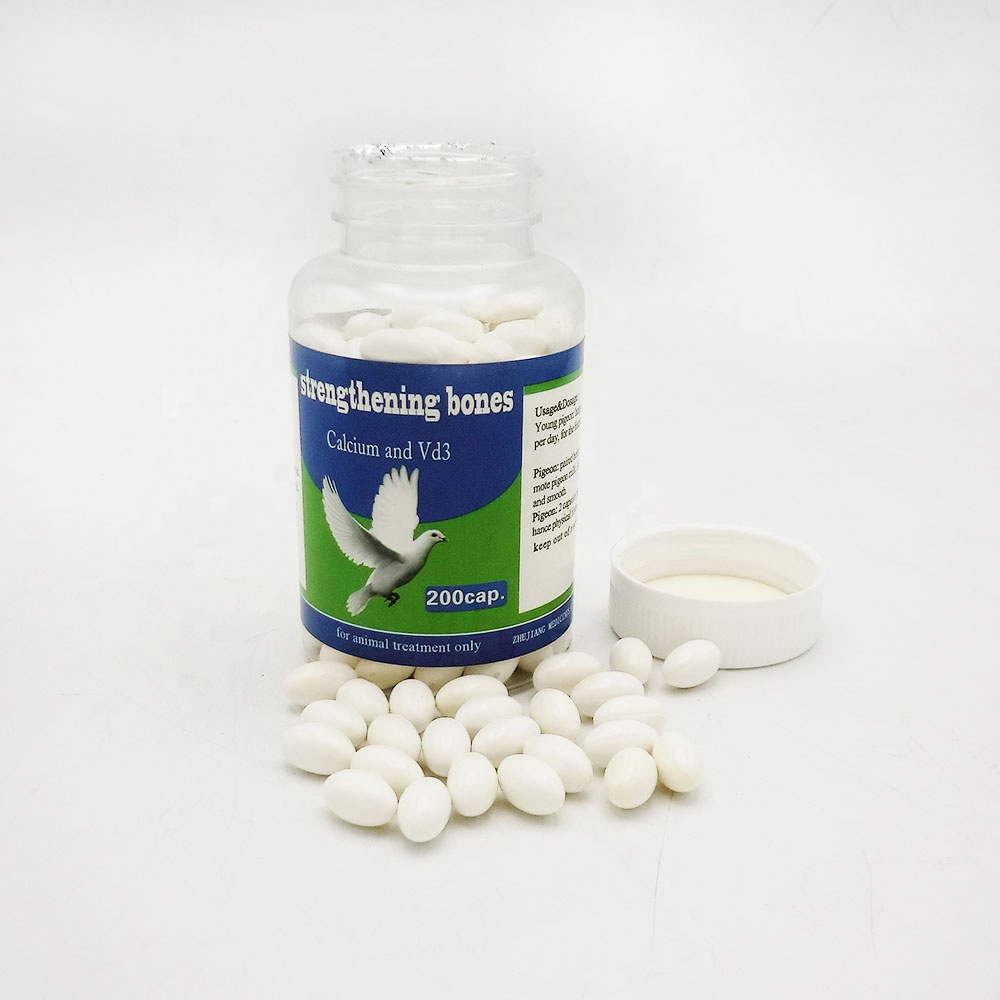
- Feed supplements and probiotics
- Parasite control treatments
- Medical disposables and animal wound care
Without these, modern veterinary medicine would stall, making it harder to maintain animal health standards that support the wider ecosystem.
Mini Takeaway: Think of animal healthcare products as a toolkit ensuring our animals live healthier, longer lives — a cornerstone of many industries beyond farming, including conservation and pet ownership.
Core Components of Animal Healthcare Products
Safety and Compliance
Given the delicate interaction between animals and humans, these products face strict regulatory oversight to ensure they’re safe and effective. Agencies like the FDA (USA), EMA (Europe), and local veterinary authorities constantly monitor standards, which means quality-control and compliance are non-negotiable.
Innovation and Technology
Recent advances have introduced smart diagnostics, digital tracking, and molecular vaccines. It’s actually quite exciting how technology helps personalize treatment plans or speed up disease detection, reducing costs and animal suffering.
Cost Efficiency
Farmers and pet owners alike need products that balance affordability and performance. The pricing dynamics often influence uptake, especially in developing markets. Bulk packaging or multi-dose vaccines address some of these challenges.
Durability and Storage
Many products, like vaccines, require cold-chain storage which isn’t easy everywhere. Innovations in packaging and thermostable formulations are helping overcome these hurdles, particularly in tropical or remote areas.
Environmental Sustainability
Because the animal health sector intersects strongly with environmental health, there’s growing pressure to develop green formulations and biodegradable packaging. Especially since livestock sectors contribute notably to greenhouse gases, sustainable practices matter.
| Specification | Details |
|---|---|
| Target Species | Cattle, sheep, goats |
| Storage Temperature | 2–8°C (Refrigerated) |
| Doses per Vial | 50 |
| Shelf Life | 12 months |
| Formulation | Freeze-dried |
Real-World Applications of Animal Healthcare Products
Globally, these products are a lifeline across multiple sectors. For example:
- In Sub-Saharan Africa, widespread vaccination campaigns use low-cost vaccines to control foot-and-mouth disease in bovines, improving food security.
- Remote agricultural operations in Australia rely on durable parasiticides to protect sheep from parasites during long grazing seasons.
- Urban veterinary clinics in the US increasingly use digital diagnostic tools for rapid pet health screening.
- Conservation projects in South America employ specialized products to treat and monitor endangered wildlife, bolstering biodiversity.
In humanitarian contexts, post-disaster relief teams stock essential healthcare products to prevent animal disease outbreaks, which could otherwise impact rebuilding efforts and food supplies. You can learn more about these solutions via animal healthcare products providers.
Mini Takeaway: Whether rural farms or wildlife preserves, animal healthcare products adapt to diverse environments, showing their flexibility and importance.
| Feature | Vet Pharma Inc. | UniVet Solutions | GreenVet Labs |
|---|---|---|---|
| Product Range | Vaccines, Antibiotics, Diagnostics | Nutritional Supplements, Wound Care | Eco-Friendly Parasiticides & Vaccines |
| Global Reach | 100+ Countries | 50+ Countries | 30+ Countries, Focus on Developing Nations |
| Innovation Focus | Digital Diagnostics & Smart Vaccines | Bioavailable Nutritional Formulations | Sustainable Packaging & Green Chemistry |
| Certifications | ISO 13485, WHO Prequalification | GMP, USDA Organic | ISO 14001, Cruelty-Free |
Advantages and Long-Term Value of Animal Healthcare Products
Investing in the right animal healthcare products often leads to:
- Greater productivity: Healthier animals yield better meat, milk, wool, or eggs, translating to better incomes for farmers.
- Reduced disease transmission: This lowers public health risks and minimizes costly outbreaks.
- Enhanced animal welfare: People feel good about caring for their animals properly, which builds trust in veterinary services.
- Environmental benefits: Sustainable practices decrease the ecological footprint of livestock operations.
Emotionally, these products support the bond between humans and their animals, pushing forward a culture of responsibility and care. In real terms, this trust is fundamental to the entire companion and agricultural animal industries.
Future Trends and Innovations
The animal healthcare sector is moving towards:
- Digital transformation: IoT sensors monitor animal health remotely, allowing for proactive care.
- Biotechnological advances: Gene-editing technologies promise customized vaccines tailored to specific strains and regions.
- Eco-conscious materials: New biodegradable packaging and green manufacturing processes reduce waste.
- Automation in diagnostics: AI-powered diagnostic tools analyze samples faster and with greater accuracy.
Such trends not only improve product effectiveness but also open up access to underserved regions, potentially revolutionizing the way animal care is delivered globally.
Challenges and Practical Solutions
Challenges remain, such as:
- Cold chain logistics: Maintaining consistent refrigeration during transport is tough in remote areas.
- Antimicrobial resistance: Overuse of antibiotics jeopardizes future animal and human health.
- Regulatory complexity: Different countries have varying rules, making international distribution difficult.
Innovative approaches include thermostable vaccines that don’t require refrigeration, educational programs to promote responsible antibiotic use, and harmonized international standards fostered by bodies like the Codex Alimentarius Commission.
FAQ: Frequently Asked Questions About Animal Healthcare Products
- What are the essential animal healthcare products for small farms?
- Basic vaccines (e.g., for rabies, distemper), dewormers, nutritional supplements, and wound care products typically cover the most common needs. Tailoring depends on local disease prevalence.
- How can I tell if an animal healthcare product is safe?
- Look for regulatory approvals such as FDA or EMA certification, clear ingredient lists, and manufacturer reputation. Consult your veterinarian for product recommendations.
- Are there eco-friendly options available?
- Yes, more companies now offer biodegradable packaging and sustainable formulations. GreenVet Labs, for example, focuses exclusively on eco-conscious veterinary products.
- Can these products be used in wildlife rehabilitation?
- Many are designed specifically for this use or adaptable. Consult wildlife veterinarians to choose gentle yet effective products for endangered or wild species.
- How do I find suppliers with global shipping?
- Look for established vendors with international certifications and a global reach. You can find more options on websites specializing in animal healthcare products.
Conclusion
Animal healthcare products are indispensable in today’s interconnected world. They not only improve animal health but underpin food security, environmental sustainability, and public health. Though challenges exist, advancements in technology and global cooperation are paving the way for safer, more accessible, and environmentally friendly solutions. Whether you’re a veterinarian, farmer, or pet owner, the right products can make all the difference.
For a closer look at reliable and innovative animal healthcare products that meet rigorous standards, be sure to visit our website: https://www.rcpetfood.com.
Final thought: Caring for animals is really caring for ourselves—more connected than it often seems.
References
Post time: December 2, 2025