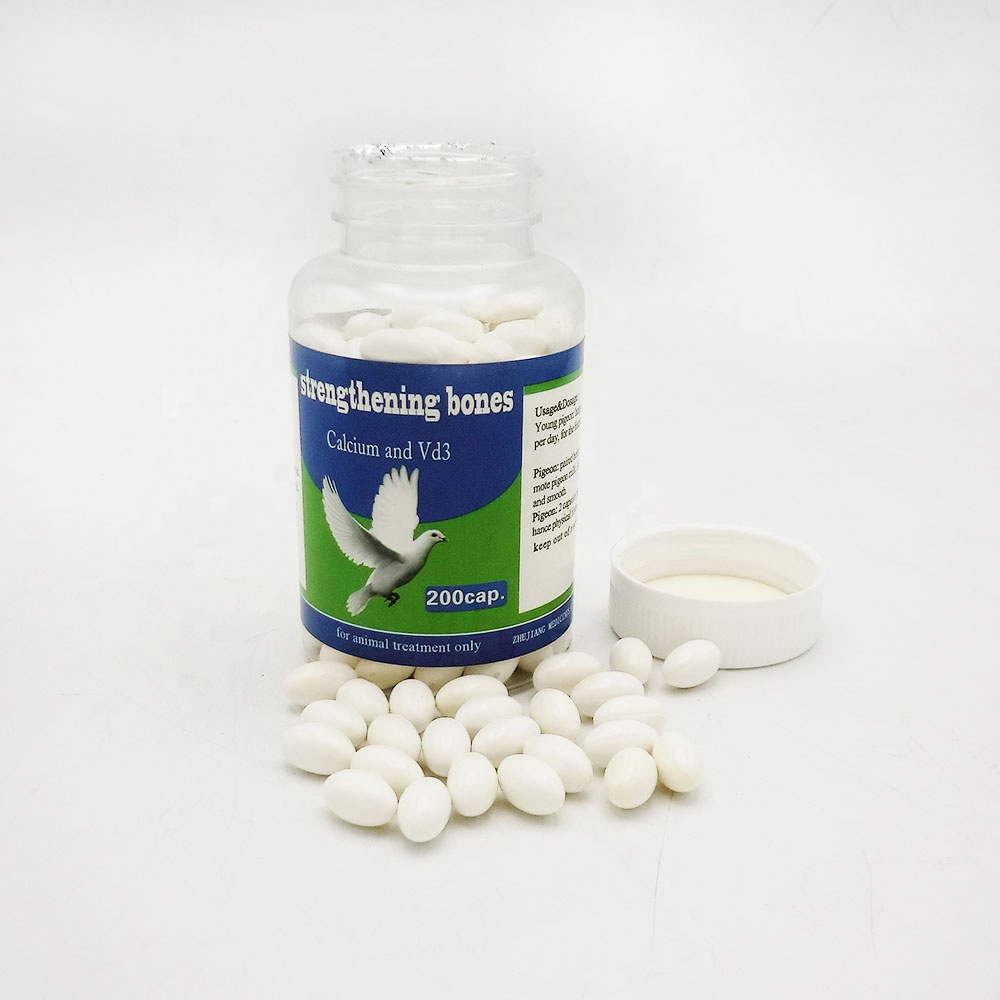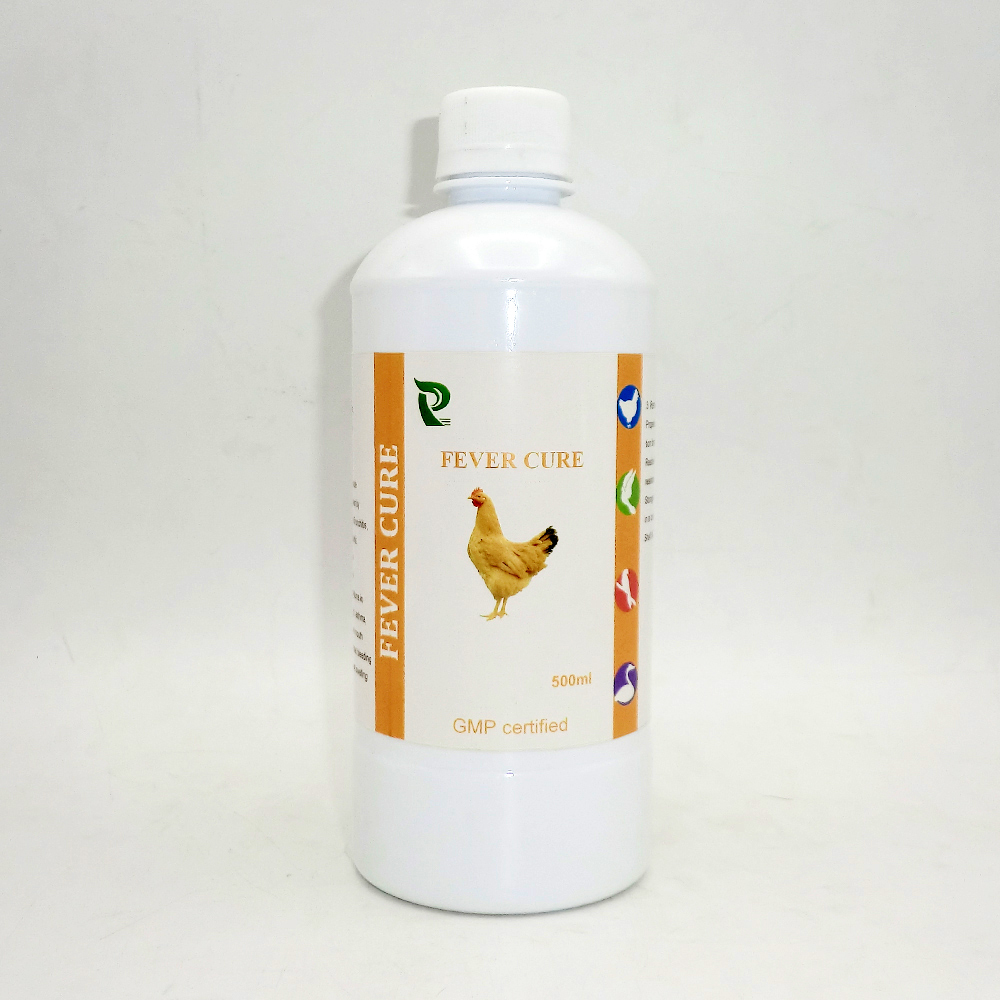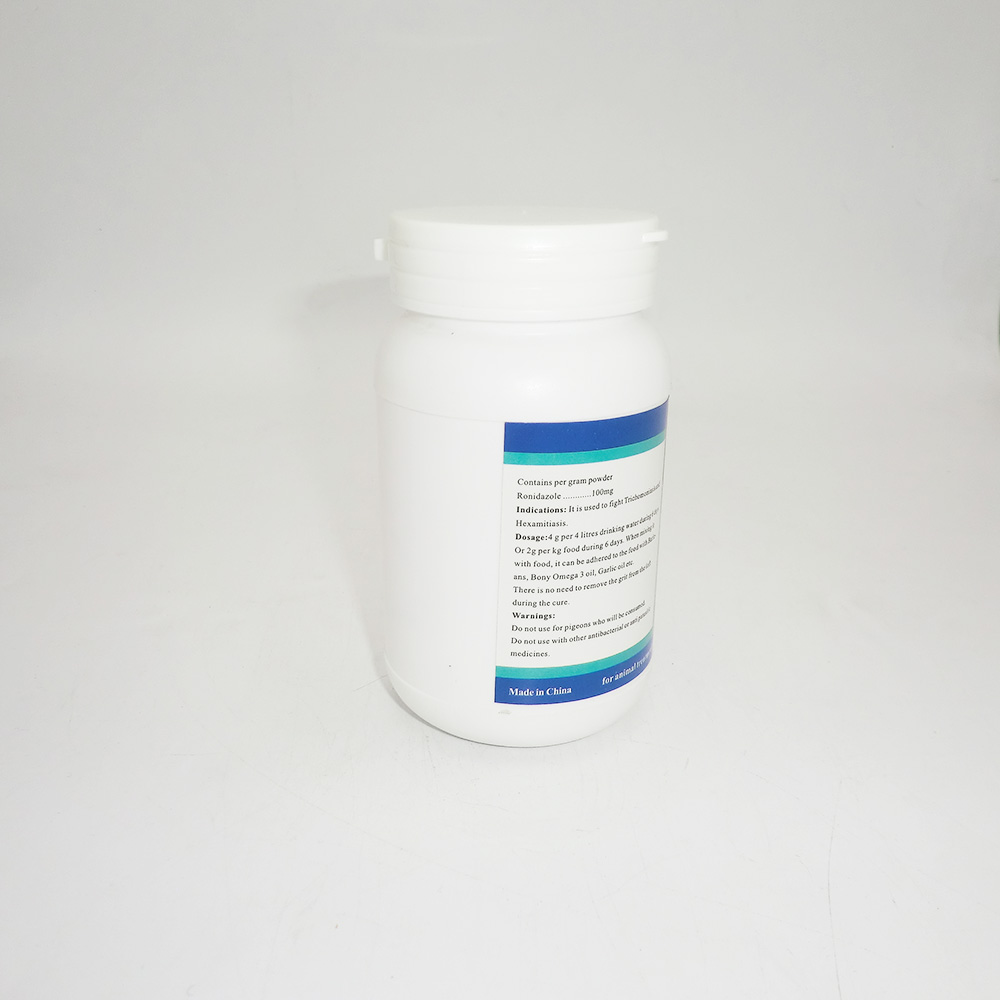
Pet medicines are essential tools for maintaining the health and well-being of companion animals, covering a wide range of products designed to prevent, treat, or manage various health conditions in pets like dogs, cats, and small mammals. From supplements that support daily health to treatments for acute illnesses, pet medicines play a critical role in addressing issues such as infections, chronic diseases, and nutritional deficiencies. For example, VD3+Ca Capsule, a common type of pet medicine, combines vitamin D3 and calcium to support bone health and strength in pets. It enhances calcium absorption, promotes healthy teeth, and aids muscle function, making it an essential daily supplement for maintaining overall skeletal wellness and vitality in pets of any age. Pet medicines also include treatments for more serious conditions, such as antibiotics for bacterial infections or anti-inflammatory drugs for joint pain, ensuring that pets receive targeted care based on their specific health needs. Proper use of pet medicines, including following dosage instructions and consulting professionals when needed, is key to maximizing their effectiveness while minimizing risks.
Pet meds is a commonly used shorthand term for pet medicines, encompassing both over-the-counter (OTC) products and prescription-only treatments that cater to the diverse health requirements of pets
Unlike the broader category of pet medicines, the term “pet meds” is often used in everyday conversations among pet owners and in retail settings, referring to easily accessible products like flea and tick preventatives, oral supplements, and topical treatments for minor skin irritations. For instance, a pet owner might purchase pet meds like anti-itch sprays for a cat with mild dermatitis, or probiotic chews to support a dog’s digestive health. Pet meds also include products that align with the benefits of specialized supplements such as VD3+Ca Capsule, providing targeted support for specific bodily functions—whether it’s bone health, immune system boost, or digestive balance. While many pet meds are available without extensive veterinary oversight, it’s important for pet owners to understand the purpose of each product and ensure it’s suitable for their pet’s species, age, and health status to avoid adverse reactions.
Pet meds without vet prescription, also known as OTC pet meds, are a subset of pet medicines that can be purchased directly by pet owners without obtaining a prescription from a licensed veterinarian
These pet meds without vet prescription are typically designed for managing minor, common health issues that do not require a professional diagnosis, such as mild diarrhea, bad breath, or seasonal allergies. Examples include oral electrolytes for dehydrated pets, ear cleaners for routine ear care, and nutritional supplements like VD3+Ca Capsule, which supports bone health without the need for a vet’s prescription. Pet meds without vet prescription offer convenience for pet owners, allowing them to address minor health concerns quickly, especially for pets with known, recurring issues (such as senior dogs needing regular joint support). However, it’s crucial to note that pet meds without vet prescription should not replace veterinary care for serious or unfamiliar symptoms—if a pet’s condition worsens or persists, consulting a vet is necessary to avoid delaying proper treatment.
Prescription pet meds are a specialized category of pet medicines that require a valid prescription from a licensed veterinarian, as they are designed to treat complex, severe, or potentially risky health conditions in pets
These prescription pet meds include treatments such as chemotherapy drugs for cancer, insulin for diabetic pets, and strong antibiotics for severe bacterial infections—conditions that require a professional diagnosis to ensure the right treatment is prescribed. Unlike pet meds without vet prescription, prescription pet meds are formulated to address specific, often life-threatening issues, and their use must be closely monitored by a vet to adjust dosages and manage potential side effects. For example, a dog with chronic kidney disease may need prescription pet meds to control blood pressure and reduce toxin buildup, while a cat with asthma might require prescription inhalers to manage respiratory symptoms. Prescription pet meds also include some specialized supplements that are tailored to pets with unique health needs, though these are less common than OTC options like VD3+Ca Capsule. The prescription requirement ensures that pets receive personalized care, as vets can consider factors like the pet’s medical history, existing medications, and potential drug interactions before prescribing.

Drugs for pets is a broad term that encompasses all types of medicinal products used to treat, prevent, or manage health conditions in animals, overlapping with the categories of pet medicines and pet meds
This term includes both human medications that are safe for off-label use in pets (under veterinary guidance) and products specifically formulated for animals, such as vaccines, parasiticides, and pain relievers. Drugs for pets range from routine preventive treatments, like heartworm preventatives, to emergency medications for conditions like seizures or severe allergic reactions. For example, non-steroidal anti-inflammatory drugs (NSAIDs) designed specifically as drugs for pets are used to manage arthritis pain in senior dogs, while antiviral drugs for pets may treat viral infections like feline herpesvirus. Drugs for pets also include nutritional supplements like VD3+Ca Capsule, which, while not “drugs” in the traditional sense of treating illness, are considered part of the broader spectrum of products that support pet health. It’s important to distinguish between drugs for pets and human drugs, as many human medications (such as acetaminophen) are toxic to pets and can cause severe harm or death.
In summary, pet medicines, along with its shorthand “pet meds,” and the specific categories of pet meds without vet prescription, prescription pet meds, and drugs for pets, form a comprehensive framework of products that support the health and well-being of companion animals. Pet medicines serve as the foundation, covering everything from routine supplements like VD3+Ca Capsule to specialized treatments for serious illnesses. Pet meds offer a convenient way to refer to these products in everyday use, while pet meds without vet prescription provide accessibility for minor health issues and prescription pet meds ensure targeted care for complex conditions. Drugs for pets, as a broad term, encompasses all these products, emphasizing the importance of tailored, safe use. By understanding the differences between these categories and using each product appropriately—whether consulting a vet for prescription pet meds or following instructions for OTC options—pet owners can ensure their furry companions receive the best possible care, promoting long, healthy, and happy lives.
Pet Medicines FAQs
1. What are the primary benefits of the VD3+Ca Capsule?
The VD3+Ca Capsule provides essential support for bone density and skeletal integrity by combining two critical nutrients. It significantly improves the body's ability to absorb calcium efficiently while contributing to stronger teeth and improved neuromuscular performance. Regular intake helps reduce the risk of bone degeneration and supports a healthy immune response.
2. How does the VD3+Ca Capsule aid in calcium absorption?
The VD3+Ca Capsule contains vitamin D3 which plays a key role in facilitating intestinal calcium uptake. This process ensures that calcium is properly utilized in bone mineralization and maintenance. Without adequate vitamin D3, calcium absorption would be significantly less effective, making this formulation especially beneficial.
3. Who can benefit from taking the VD3+Ca Capsule?
Individuals of all age groups can benefit from the VD3+Ca Capsule, especially older adults, postmenopausal women, or those with limited sun exposure. It is also suitable for people with dietary restrictions or increased nutritional needs to help maintain strong bones and support musculoskeletal health.
4. Can the VD3+Ca Capsule help prevent osteoporosis?
Yes, the VD3+Ca Capsule is designed to help prevent osteoporosis by maintaining adequate calcium levels and supporting bone mineralization. Consistent use helps preserve bone mass and reduces the risk of fractures, particularly in populations vulnerable to bone loss.
5. Why is vitamin D3 included in the VD3+Ca Capsule?
Vitamin D3 is included in the VD3+Ca Capsule because it is essential for the effective metabolism of calcium. It transforms calcium into a bioavailable form that can be easily absorbed into the bloodstream and utilized by bones and teeth, thereby enhancing the overall efficacy of the supplement.
Post time: September 1, 2025