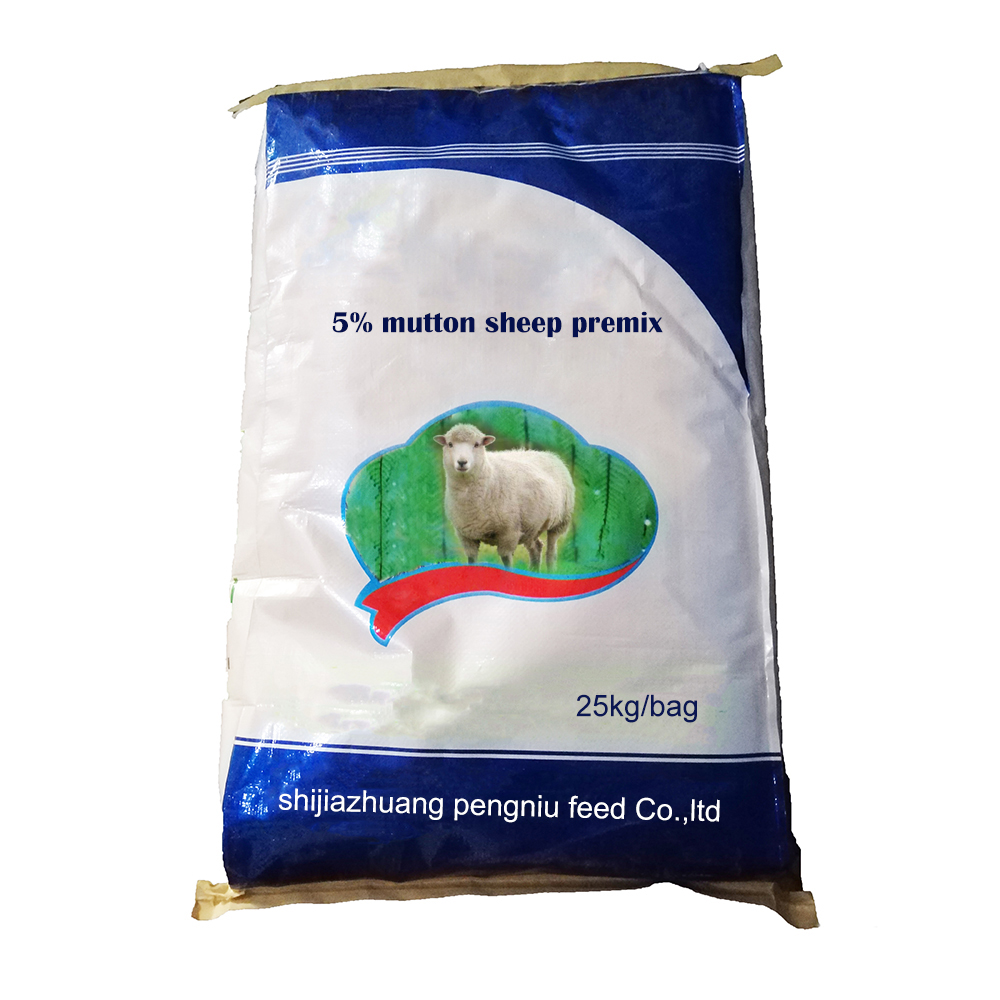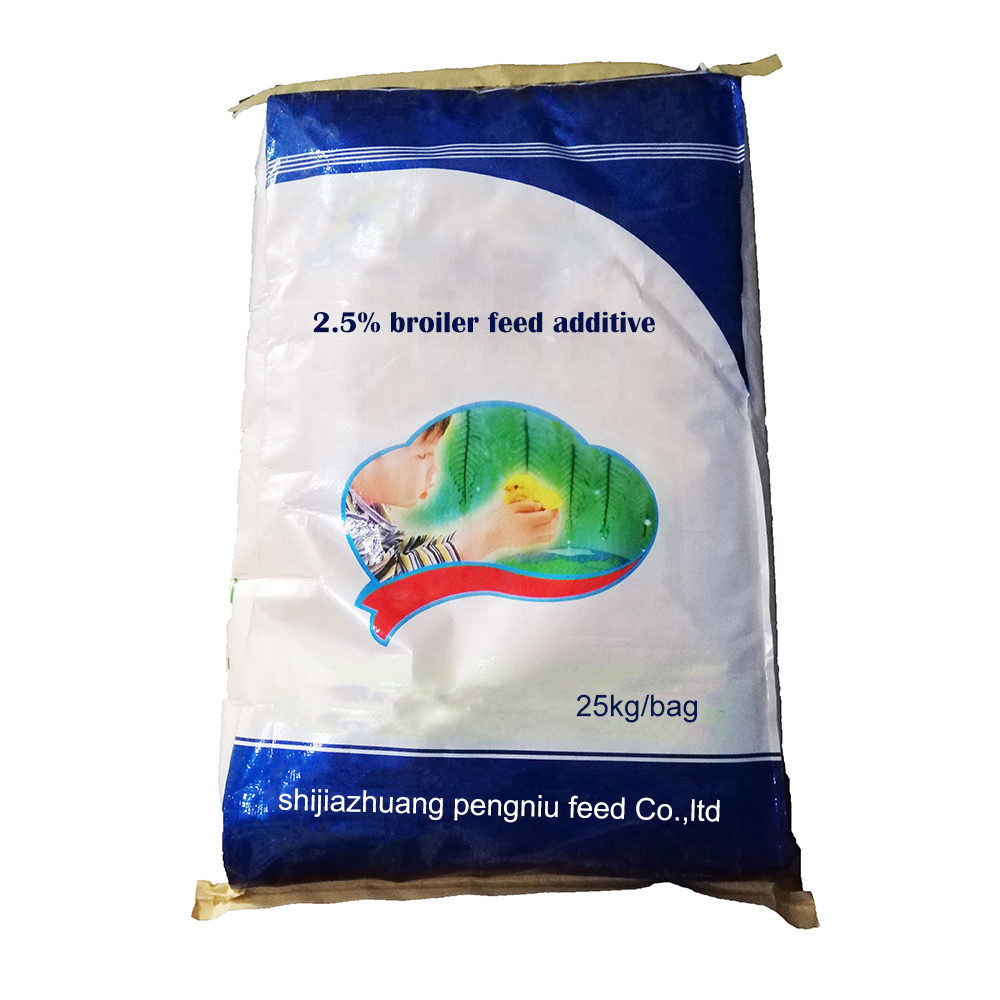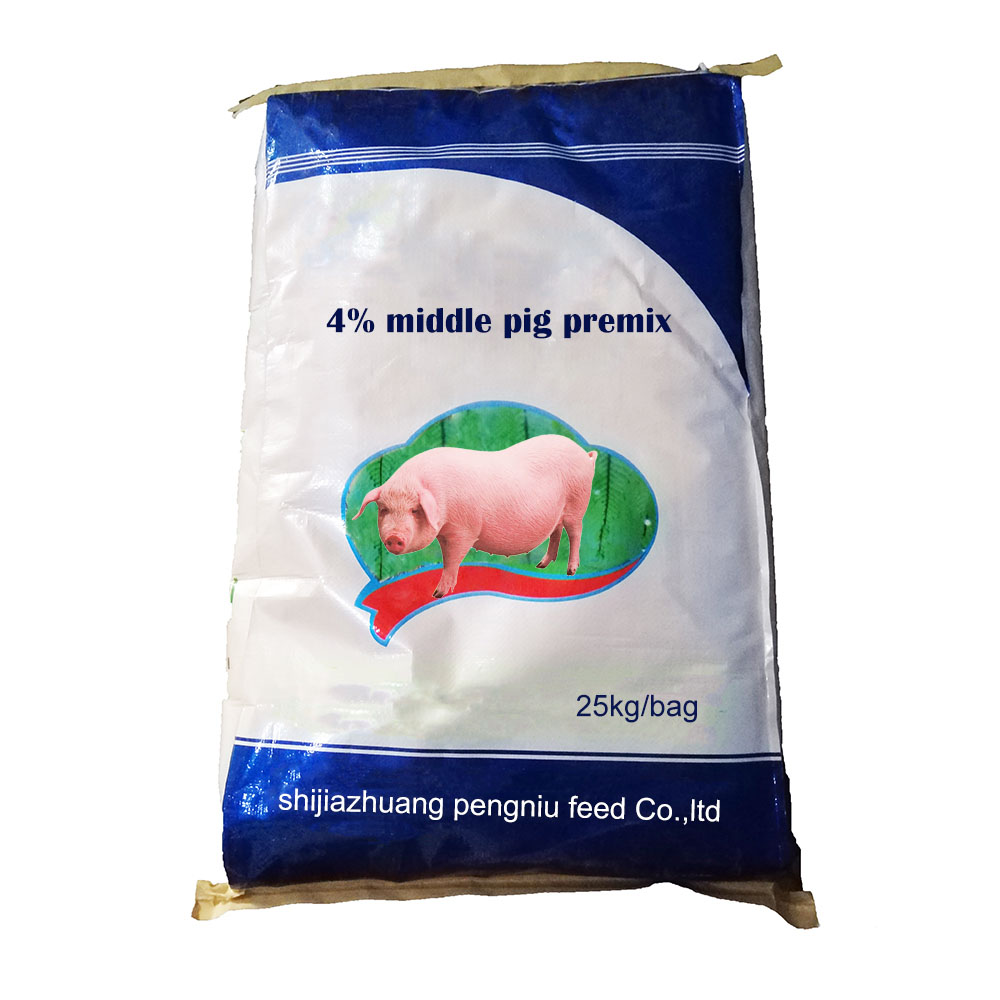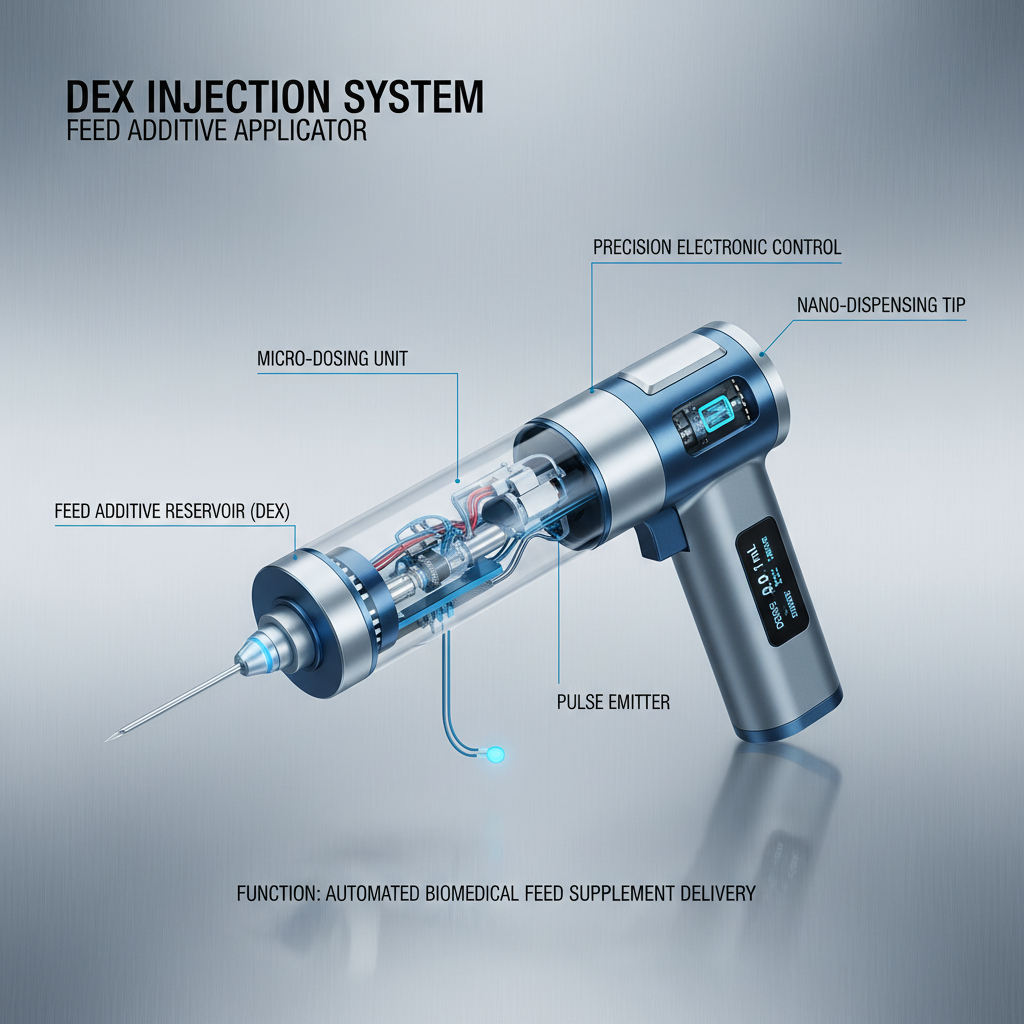
Understanding the Critical Role of premix in animal feed
In the intricate landscape of modern animal nutrition, the precise formulation of diets is paramount for optimal animal health, growth, and productivity. Central to this endeavor is the strategic inclusion of premix in animal feed. A premix is a meticulously blended composition of vitamins, minerals, amino acids, and other essential micro-ingredients, designed to supplement basal feed ingredients and ensure that animals receive a complete and balanced nutritional profile. This tailored approach addresses species-specific requirements, physiological states, and production goals, directly impacting feed efficiency, disease resistance, and overall farm profitability. For B2B stakeholders, understanding the technical nuances and strategic advantages of high-quality premixes is crucial for achieving sustainable agricultural outcomes.
The global demand for animal protein continues to rise, placing immense pressure on livestock producers to optimize feed conversion ratios while maintaining animal welfare and product quality. This necessitates advanced nutritional solutions, where the premix in animal feed serves as a cornerstone. It provides a precise and homogeneous distribution of critical micronutrients that would be impractical or impossible to mix directly into large volumes of bulk feed. This foundational element ensures that every animal receives the exact nutrient profile required for peak performance, from growth stages to lactation and reproduction cycles.
Industry Trends and Market Dynamics in Animal Feed Premix
The animal feed premix market is characterized by several key trends driven by evolving consumer demands, regulatory frameworks, and technological advancements. One significant trend is the increasing focus on sustainable and antibiotic-free animal production. This has led to a surge in demand for alternative growth promoters, such as probiotics, prebiotics, enzymes, organic acids, and phytogenics, which are often incorporated into specialized premixes. Producers are seeking solutions that enhance gut health, bolster immunity, and improve nutrient utilization without reliance on conventional antibiotics.
Another prominent trend is the customization and precision nutrition approach. With advancements in genetic selection and precision farming technologies, there's a growing need for tailored premix solutions that cater to specific genetic lines, environmental conditions, and production systems. This includes highly specialized swine vitamin premix formulations for different pig growth phases (starter, grower, finisher) and advanced vitamin mineral premix for dairy cattle to support high milk production and reproductive efficiency. Data-driven decision-making, utilizing feed analytics and animal performance metrics, is becoming instrumental in optimizing premix formulations.
Furthermore, ingredient quality and traceability are paramount. The industry is witnessing greater scrutiny over raw material sourcing, with a strong emphasis on non-GMO, organic, and ethically produced ingredients. Enhanced quality control measures, robust supply chain management, and certifications like FAMI-QS and ISO are becoming standard requirements to ensure the safety and efficacy of the premix in animal feed.
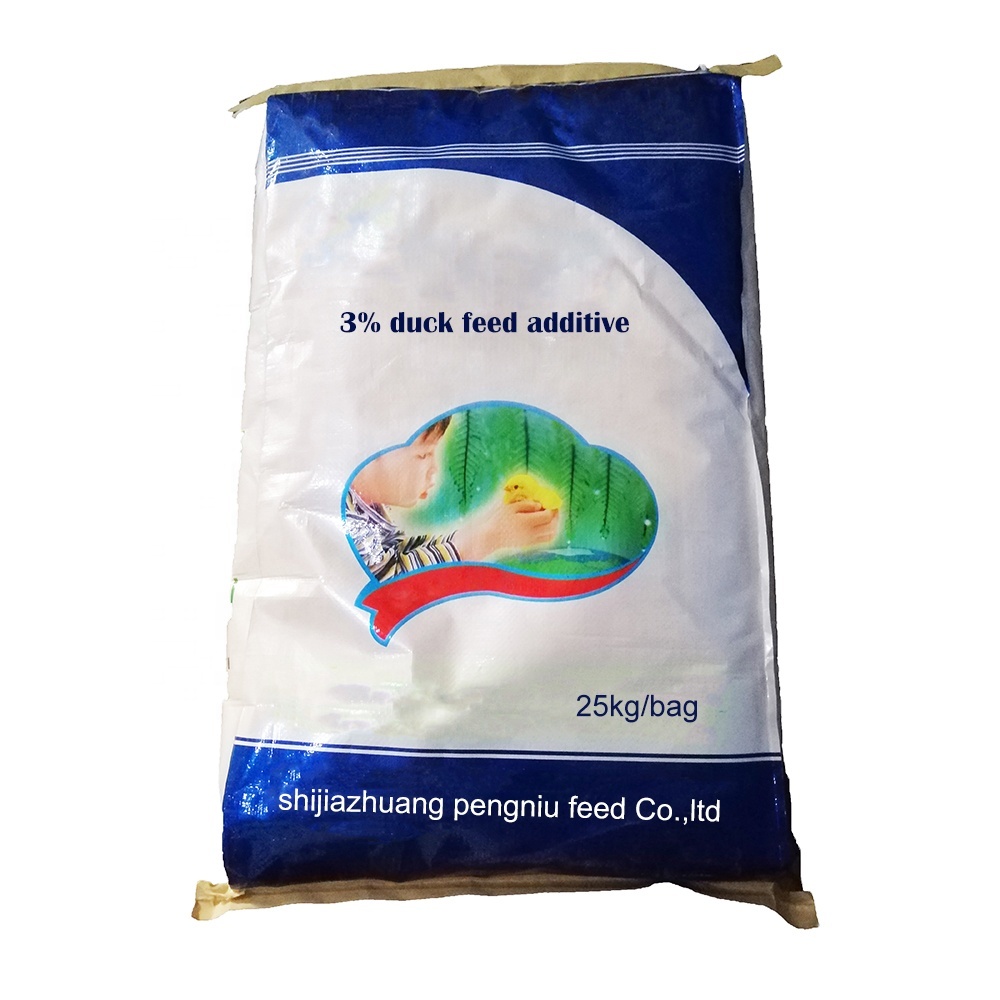
Figure 1: Advanced facility for producing animal feed premix.
Manufacturing Process Flow for Animal Feed Premixes
The production of high-quality premix in animal feed is a sophisticated process demanding precision, stringent quality control, and adherence to international standards. The schematic below outlines the typical manufacturing workflow:
Premix Manufacturing Process Steps:
-
1. Raw Material Sourcing & Inspection:
Acquisition of high-grade vitamins (e.g., Vitamin A, D3, E, B-complex), trace minerals (e.g., Zinc, Copper, Iron, Selenium), amino acids (e.g., Lysine, Methionine), and other additives (e.g., antioxidants, mold inhibitors, gut health enhancers). Each batch undergoes rigorous testing for purity, potency, contaminants (heavy metals, mycotoxins), and compliance with ISO 9001 and FAMI-QS standards.
-
2. Pre-Weighing & Micro-Dosing:
Individual micro-ingredients are precisely weighed according to the specific formulation using highly accurate automated dispensing systems. This critical step ensures homogeneity and accurate nutrient levels, especially for potent ingredients required in minute quantities. PLC-controlled systems minimize human error.
-
3. Blending & Mixing:
Ingredients are carefully introduced into high-efficiency horizontal ribbon blenders or paddle mixers. Multi-stage blending protocols ensure uniform dispersion of all components within the carrier material (e.g., calcium carbonate, rice hulls). Mixing times and speeds are optimized to prevent segregation and ensure a homogenous final product, adhering to ANSI standards for blend uniformity.
-
4. Quality Control & Analysis:
Post-blending, samples are taken from each batch and subjected to comprehensive laboratory analysis. This includes assays for vitamin potency, mineral content, microbial load, and absence of prohibited substances. Tests confirm compliance with label claims and safety regulations (e.g., FDA guidelines where applicable). Data is recorded for full traceability.
-
5. Packaging & Storage:
The finished premix is packaged into multi-layer, moisture-proof bags or container111s to protect product integrity and extend shelf life, typically 12-18 months under recommended storage conditions. Proper labeling with batch numbers, manufacturing dates, and expiration dates ensures full traceability and adherence to GMP+ standards.
The meticulous nature of this process ensures that the finished premix in animal feed offers advantages such as enhanced nutrient stability, consistent quality, and improved bioavailability of critical micronutrients. This directly translates to energy saving in feed production (as less over-formulation is needed), and for the animals, better nutrient absorption, reduced incidence of deficiency diseases, and optimal performance across target industries like poultry, swine, and dairy.
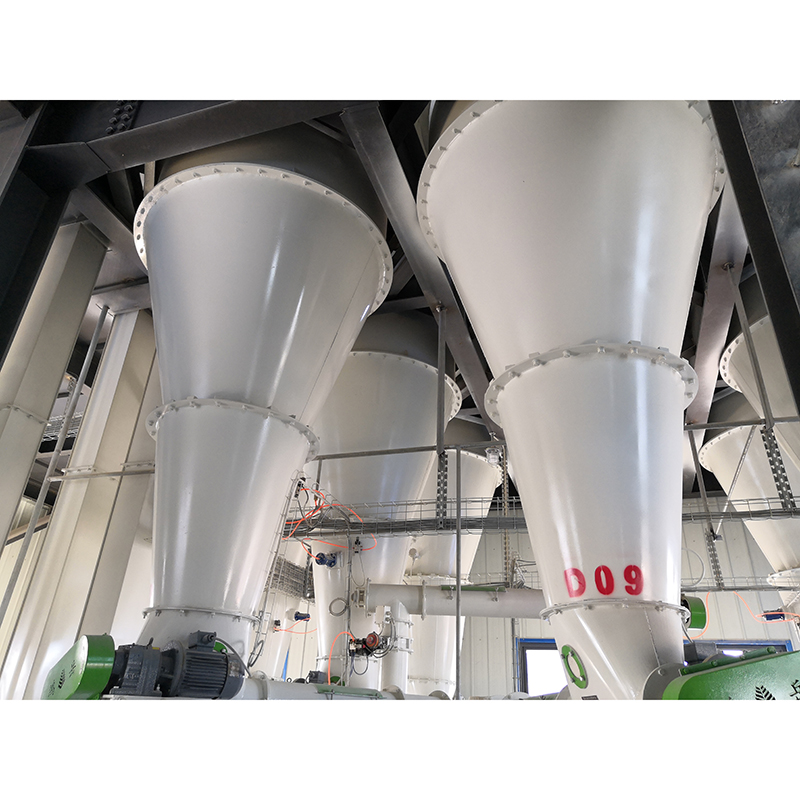
Figure 2: Automated feed line showcasing modern feed additive integration.
Technical Specifications and Product Parameters
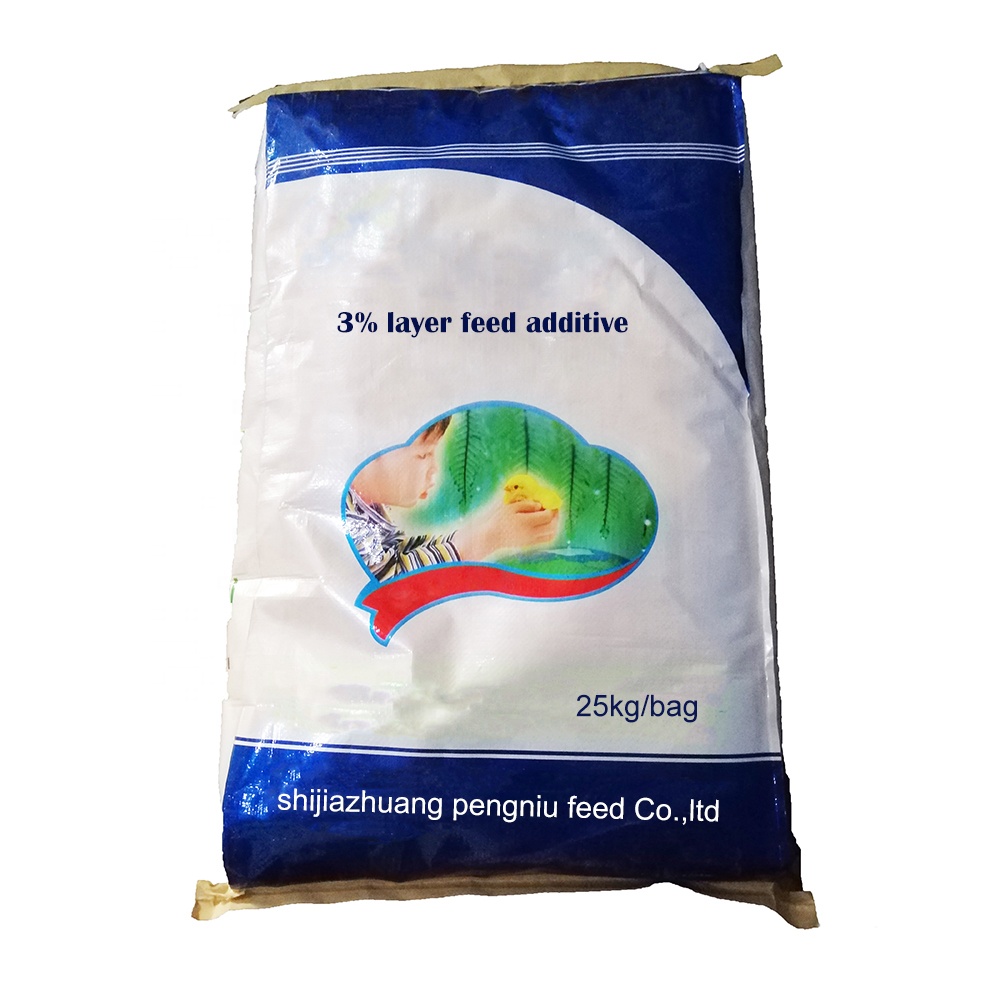
A clear understanding of the technical specifications of a premix in animal feed is vital for feed manufacturers and livestock producers. The following table provides an example of a 3% finisher layer feed additive, illustrating typical nutrient compositions.
Product Specification Table: 3% Finisher Layer Feed Additive
| Nutrient Component | Unit | Guaranteed Analysis (per kg) | Function/Benefit |
|---|---|---|---|
| Vitamin A | IU | 1,200,000 | Egg production, immunity, vision |
| Vitamin D3 | IU | 240,000 | Calcium metabolism, shell quality |
| Vitamin E | mg | 2,000 | Antioxidant, reproductive health |
| Calcium (Ca) | % | 25.0 - 28.0 | Bone strength, eggshell formation |
| Phosphorus (P) | % | 3.0 - 4.0 | Bone development, energy metabolism |
| Manganese (Mn) | mg | 12,000 | Bone formation, enzyme activity |
| Zinc (Zn) | mg | 10,000 | Immunity, skin/feather quality |
| Iron (Fe) | mg | 8,000 | Red blood cell formation, oxygen transport |
| Selenium (Se) | mg | 40 | Antioxidant, immune function |
| Carrier | - | Calcium Carbonate, Rice Hulls | Ensures uniform distribution |
| Inclusion Rate | % | 3.0 | Typical usage in complete feed |
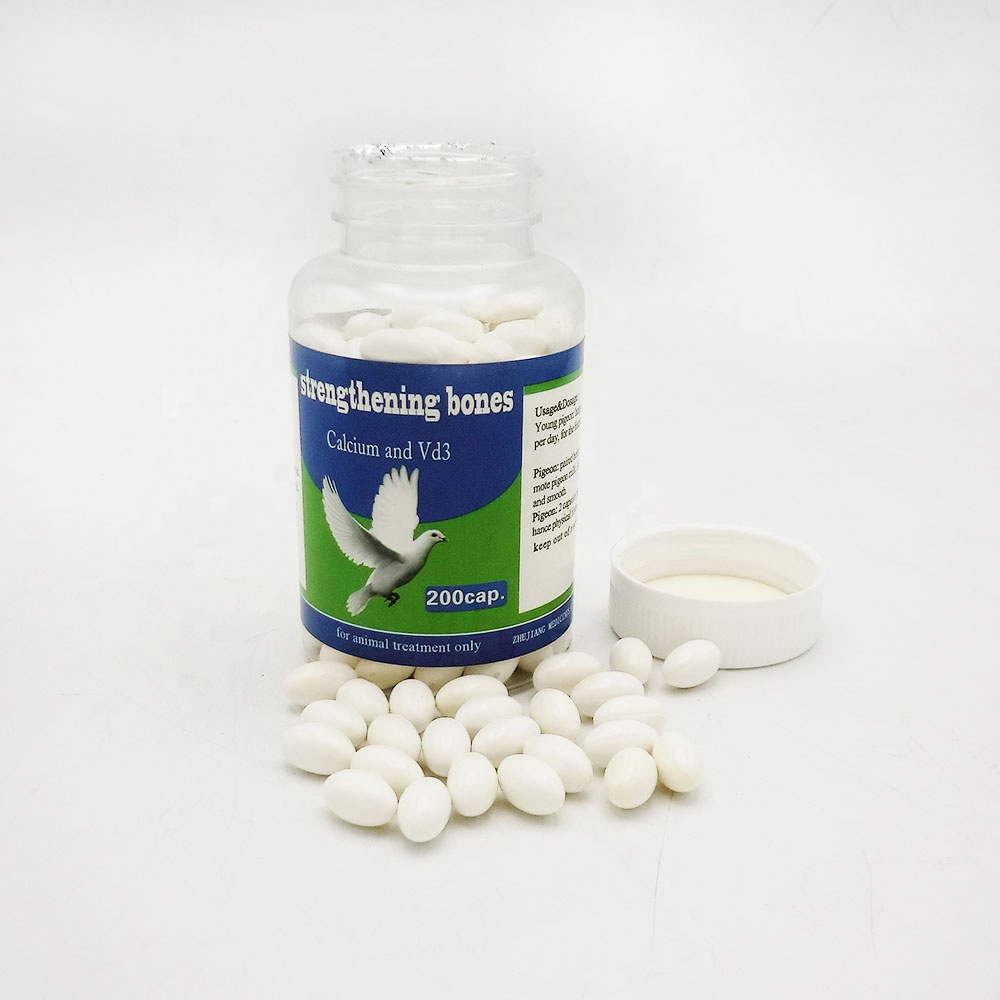
These parameters are meticulously balanced to meet the high demands of modern laying hens, supporting consistent egg production, strong shell quality, and robust flock health. The selection of highly bioavailable forms of minerals (e.g., chelated minerals) and stable vitamin forms is critical to ensure efficacy throughout the feed manufacturing and storage processes.
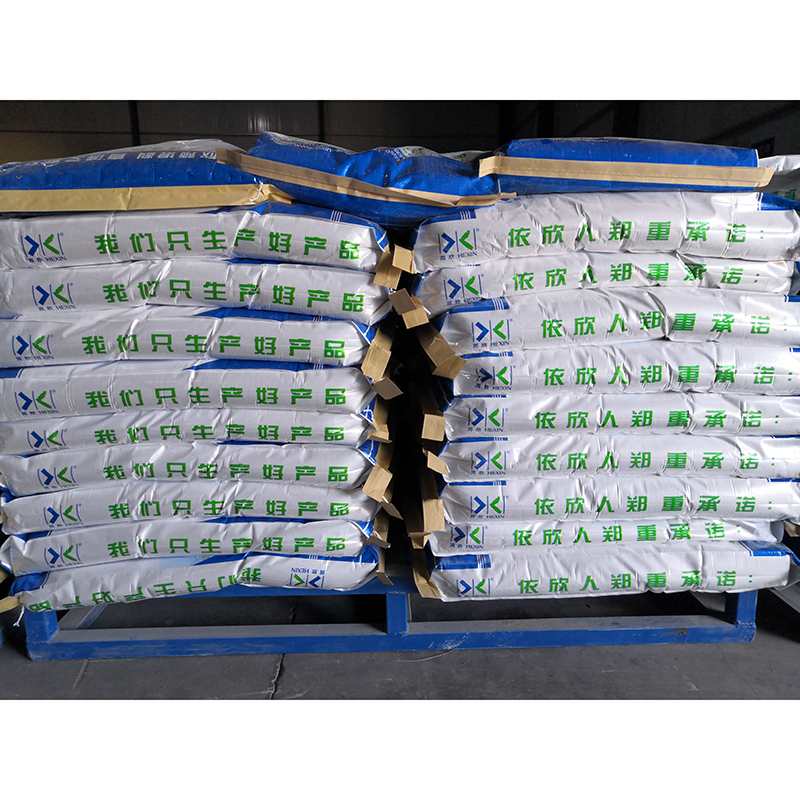
Figure 3: High-quality layer feed with precisely formulated premix for optimal nutrition.
Application Scenarios and Technical Advantages
The strategic application of a well-formulated premix in animal feed offers a multitude of technical and economic advantages across various livestock sectors. Key application scenarios include:
- Poultry Production (Broilers, Layers, Breeders): Essential for rapid growth rates in broilers, consistent egg production and shell quality in layers, and high hatchability and chick vitality in breeders. Premixes ensure optimal vitamin and mineral levels to prevent deficiencies like rickets or thin-shelled eggs.
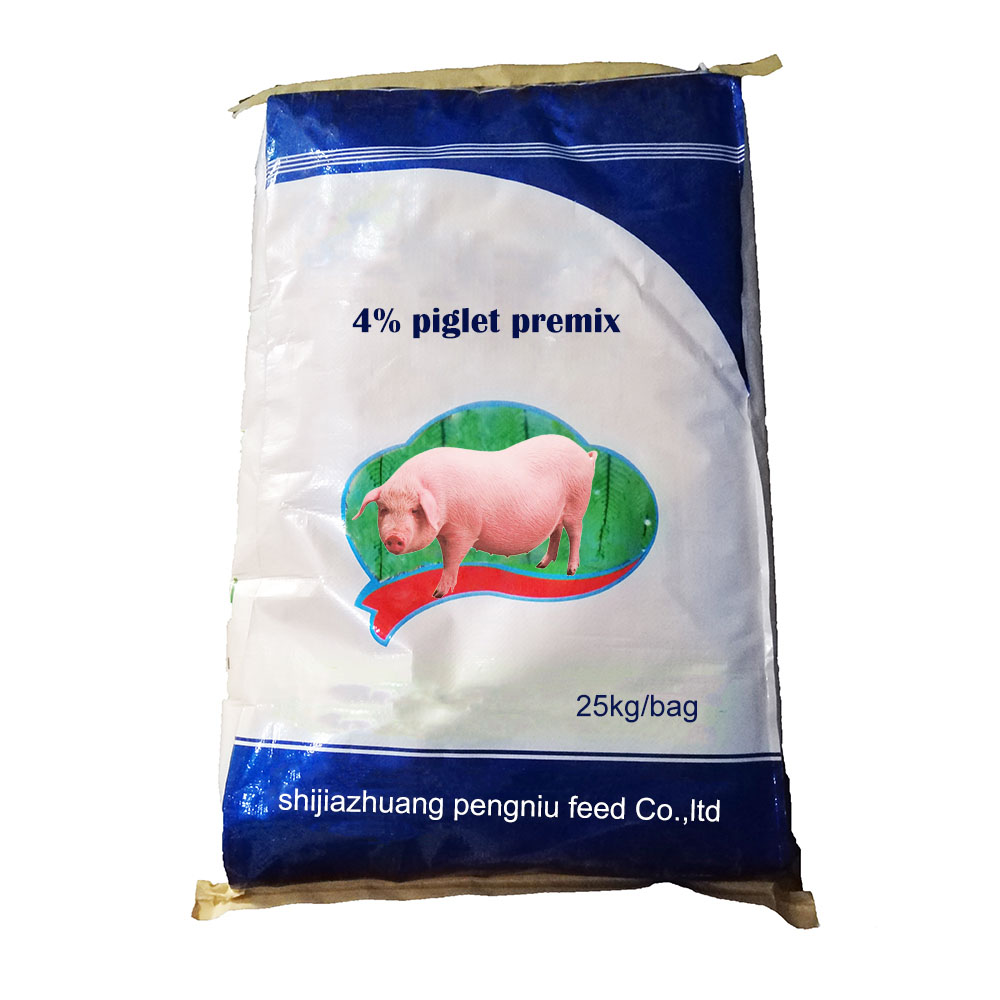
- Swine Farming: Specific swine vitamin premix formulations support robust growth, improved feed conversion, reproductive performance in sows, and reduced incidence of piglet mortality. They often include additives for gut health to mitigate post-weaning stress and support immune function.
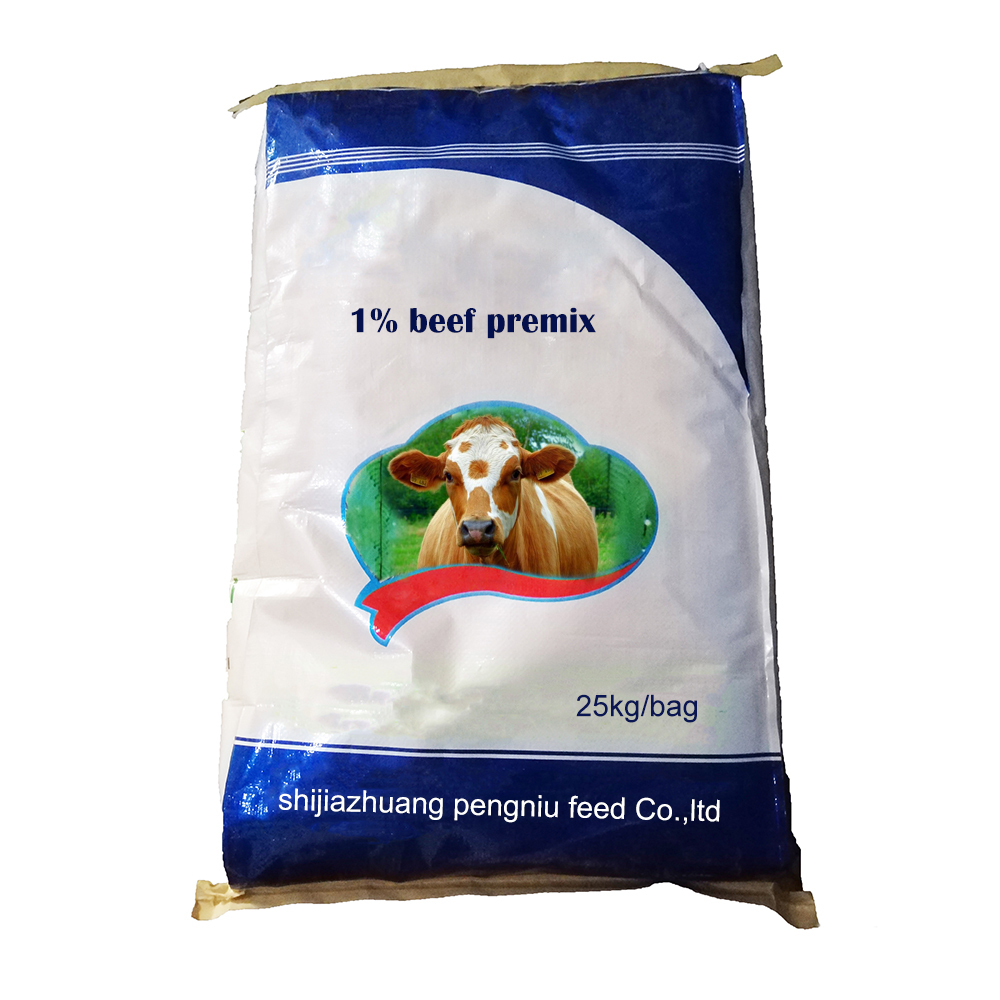
- Dairy & Beef Cattle: A balanced vitamin mineral premix for dairy cattle is crucial for maximizing milk yield, maintaining reproductive health, preventing metabolic disorders (e.g., milk fever), and supporting hoof health. For beef cattle, premixes enhance growth, muscle development, and overall robustness.
- Aquafeed: Specialized premixes address the unique nutritional needs of fish and shrimp, supporting rapid growth, disease resistance, and efficient feed utilization in aquatic environments.
The technical advantages derived from using high-quality premixes are profound:
- Improved Feed Conversion Ratio (FCR): Optimized nutrient profiles lead to more efficient utilization of feed, meaning less feed is required per unit of animal product (meat, milk, eggs). This directly translates to cost savings.
- Enhanced Animal Health & Immunity: Adequate levels of vitamins (e.g., Vitamin C, E) and trace minerals (e.g., Zinc, Selenium) bolster the immune system, reducing susceptibility to diseases and the need for therapeutic interventions.
- Optimized Production Performance: Consistent nutrient delivery supports peak performance, whether it's maximizing milk yield in dairy cows, egg production in layers, or rapid weight gain in broilers and pigs.
- Reduced Nutritional Deficiencies: Premixes eliminate the risk of specific nutrient deficiencies that can lead to poor growth, reproductive failures, and skeletal deformities.
- Consistency and Uniformity: Professional premix manufacturers ensure highly uniform blends, guaranteeing that every batch of feed contains consistent nutrient levels, critical for large-scale operations.
- Customization & Flexibility: Premixes allow feed formulators to easily adjust nutrient levels to match specific animal needs, raw material variations, and economic conditions without having to stock and manage individual micronutrients.
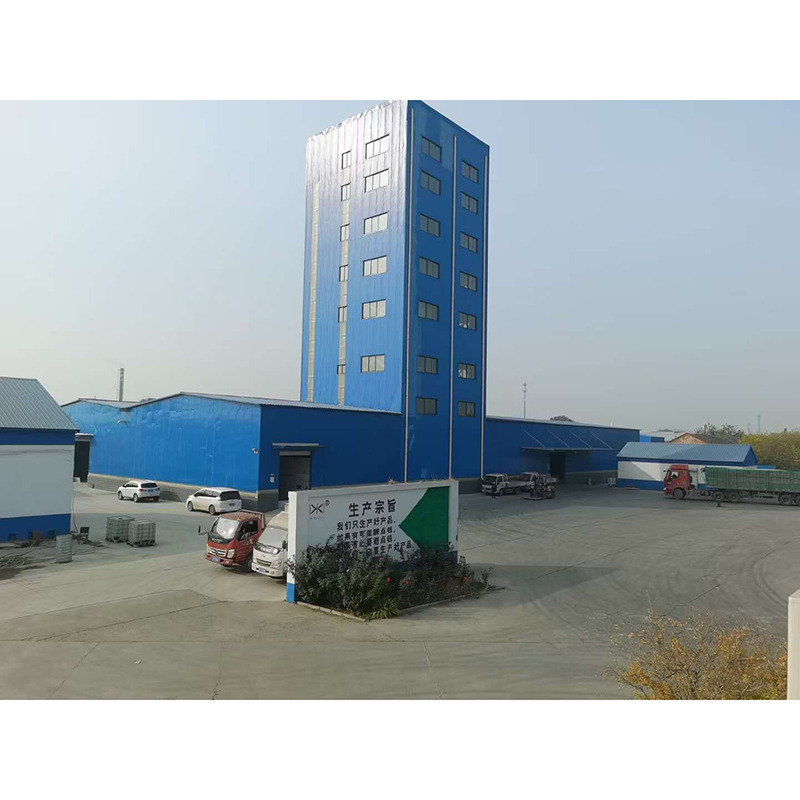
Figure 4: State-of-the-art premix manufacturing facility ensuring precision and quality.
Vendor Comparison and Customized Solutions
When selecting a supplier for premix in animal feed, B2B decision-makers must evaluate several critical factors beyond just price. A robust vendor comparison considers quality assurance, technical support, R&D capabilities, and supply chain reliability. Here’s a comparative overview of key attributes:
Comparative Factors for Premix Suppliers
| Feature | High-Quality Supplier (e.g., RC Pet Food) | Standard Supplier |
|---|---|---|
| Ingredient Quality | Pharm-grade, highly bioavailable, stable forms; certified non-GMO options. | Feed-grade, basic forms; inconsistent sourcing. |
| Manufacturing Standards | ISO 9001, FAMI-QS, HACCP, GMP+ certified facilities; advanced blending. | Basic manufacturing practices; limited certifications. |
| Quality Control & Testing | In-house labs, regular potency/purity checks, full traceability; third-party audits. | Minimal in-house testing; reliance on COAs from suppliers. |
| Technical Support | Dedicated nutritionists & veterinarians, formulation advice, on-site consultation. | Limited product data sheets; generic advice. |
| Customization & R&D | Custom formulation capabilities, R&D for novel additives, responsive to market needs. | Fixed product catalog; no custom options. |
| Supply Chain Reliability | Multiple sourcing channels, robust logistics, strategic partnerships. | Single source reliance, potential for delays/disruptions. |
Customized solutions are a significant differentiator. Many livestock operations, particularly large-scale integrated farms and specialized breeding programs, require premixes tailored to their unique circumstances. This can include specific nutrient levels to compensate for regional raw material variations, inclusion of novel feed additives to address specific health challenges (e.g., mycotoxin binders), or formulations designed for specific genetic lines of animals. A reputable premix provider will offer comprehensive diagnostic services and nutritional consultation to develop such bespoke premix in animal feed solutions, ensuring maximum performance and cost-effectiveness.
Application Case Studies: Realizing Value with Quality Premixes
The practical impact of a superior premix in animal feed is best illustrated through real-world applications and documented results. These case studies highlight how optimized nutrition drives tangible improvements in productivity and profitability.
Case Study 1: Enhanced Laying Performance in Commercial Layers
A large commercial egg producer facing issues with inconsistent shell quality and slightly lower-than-expected peak egg production adopted a new 3% finisher layer feed additive. The previous premix offered standard nutritional profiles, but the new formulation included higher levels of highly bioavailable Calcium and Phosphorus, fortified Vitamin D3, and organic trace minerals (Manganese, Zinc).
- Challenge: 8% incidence of thin-shelled or cracked eggs, 2% below target peak lay.
- Solution: Implementation of specialized layer premix.
- Results (over 12 weeks):
- Reduced thin-shelled/cracked eggs by 50% (from 8% to 4%).
- Increased peak egg production by 2.5%, reaching target levels.
- Improved feed conversion ratio (FCR) by 3%, leading to significant feed cost savings.
- Conclusion: Precision micronutrient balancing through the improved premix directly contributed to better egg quality and production efficiency, resulting in an estimated 5:1 ROI on the incremental premix cost.
Case Study 2: Improved Health and Growth in Swine Operations
A farrow-to-finish swine farm experienced challenges with post-weaning growth lag and elevated medication costs due to recurring gut health issues in piglets. They partnered with a premix supplier to develop a custom swine vitamin premix for their starter and grower phases, incorporating specific probiotics, prebiotics, and organic acidifiers alongside essential vitamins and trace minerals.
- Challenge: 15% reduction in average daily gain (ADG) during post-weaning, 10% higher medication costs.
- Solution: Custom-formulated swine premix focused on gut integrity and immunity.
- Results (over 10 weeks post-weaning):
- Increased ADG by 12%.
- Reduced medication use (antibiotics) by 25%.
- Lower mortality rate by 1.5%.
- Conclusion: The targeted premix significantly improved gut health and immune response, leading to healthier, faster-growing piglets and a substantial reduction in operational costs.
Commitment to Trustworthiness: FAQ, Logistics, Warranty & Support
Frequently Asked Questions (FAQs)
A1: Our premixes typically have a shelf life of 12-18 months when stored in a cool, dry place, away from direct sunlight and humidity. Specific shelf life details are provided on each product's label and technical data sheet.
A2: Absolutely. We specialize in developing tailored premix in animal feed solutions. Our team of experienced nutritionists and formulation experts works closely with clients to create customized blends that precisely meet specific dietary requirements, raw material profiles, and production goals.
A3: Our manufacturing facilities adhere to the highest international standards, including ISO 9001 for quality management, FAMI-QS for feed safety, and often GMP+ for good manufacturing practices. Regular internal and third-party audits ensure continuous compliance and excellence.
Lead Time & Fulfillment Details
We understand the critical importance of timely delivery in animal nutrition. For standard premix products, our typical lead time is 7-14 business days from order confirmation to dispatch. Custom formulations may require an additional 5-7 business days for development and initial production. We leverage a robust logistics network to ensure efficient and reliable delivery to both domestic and international clients, with expedited shipping options available upon request.
Warranty Commitments
All our premix products are manufactured under strict quality control protocols and are guaranteed to meet the nutrient specifications and quality standards outlined in our product data sheets at the time of shipment and throughout their stated shelf life when stored correctly. We warrant our products to be free from manufacturing defects and to comply with all applicable regulatory requirements. In the rare event of a product non-conformance, our dedicated support team will investigate and address the issue promptly and professionally, adhering to our comprehensive return and replacement policy.
Customer Support & Technical Assistance
Our commitment extends beyond product delivery. We provide comprehensive after-sales support and technical assistance through a team of highly qualified animal nutritionists and veterinarians. This includes:
- Nutritional Consultation: Expert advice on feed formulation, ingredient analysis, and dietary optimization.
- On-site Farm Visits: For complex challenges, our experts can conduct on-site assessments and provide practical recommendations.
- Performance Monitoring: Assistance in analyzing animal performance data to assess premix efficacy and suggest adjustments.
- Regulatory Guidance: Support in understanding and complying with relevant local and international feed regulations.
- Responsive Communication: Our customer service team is available via phone and email to address inquiries, process orders, and provide updates.
References
- National Research Council. Nutrient Requirements of Swine. 11th Revised Edition. The National Academies Press, 2012.
- European Food Safety Authority (EFSA) Journal. Scientific Opinion on the safety and efficacy of certain feed additives. EFSA, 2009-Present.
- Food and Drug Administration (FDA). Compliance Policy Guides for Animal Feed. U.S. Department of Health and Human Services, 2019.
- Council Directive 70/524/EEC concerning additives in feedingstuffs. Official Journal of the European Communities, 1970.
Post time: September 15, 2025