Ivermectin Drench for Sheep: A Comprehensive Guide
Controlling internal parasites is crucial for the health and productivity of sheep. Ivermectin drench for sheep is a widely used and effective solution for managing these parasites. This article will provide a detailed overview of ivermectin, its uses, administration, benefits, potential risks, and best practices for ensuring optimal sheep health. Understanding how to properly utilize ivermectin is vital for responsible livestock management and maintaining the well-being of your flock. We'll explore everything you need to know to effectively combat parasites and improve the health of your sheep.
Understanding Ivermectin and its Mechanism of Action
Ivermectin is a broad-spectrum antiparasitic drug used to treat a variety of internal and external parasites in livestock, including sheep. It works by interfering with the nervous system of the parasites, causing paralysis and ultimately their death. Specifically, ivermectin blocks the chloride channels in nerve and muscle cells, disrupting nerve impulses. This mode of action is highly effective against nematodes (roundworms), trematodes (flukes), and arthropods (mites, lice). It’s important to note that ivermectin is most effective when administered correctly and at the recommended dosage, as underdosing can lead to parasite resistance. For high quality livestock nutrition and parasite control products, explore our extensive range.
Key Highlights: Ivermectin effectively paralyses and kills internal and external parasites by disrupting their nervous system. Proper dosage and administration are essential for optimal results and to prevent resistance.
Common Parasites Controlled by Ivermectin Drench
Ivermectin drench is effective against a wide range of parasites commonly found in sheep. These include: Haemonchus contortus (barber pole worm), a highly pathogenic nematode that causes anemia; Teladorsagia circumcincta (brown stomach worm), another significant nematode affecting digestive health; Trichostrongylus species (gut worms), contributing to weight loss and poor growth; and external parasites like sheep scab mites and lice. Controlling these parasites is essential for maintaining sheep health, improving weight gain, and enhancing wool production.
Targeted Parasites:
• Haemonchus contortus (Barber Pole Worm)
• Teladorsagia circumcincta (Brown Stomach Worm)
• Trichostrongylus species (Gut Worms)
• Sheep Scab Mites and Lice
Ivermectin Drench for Sheep: Dosage and Administration
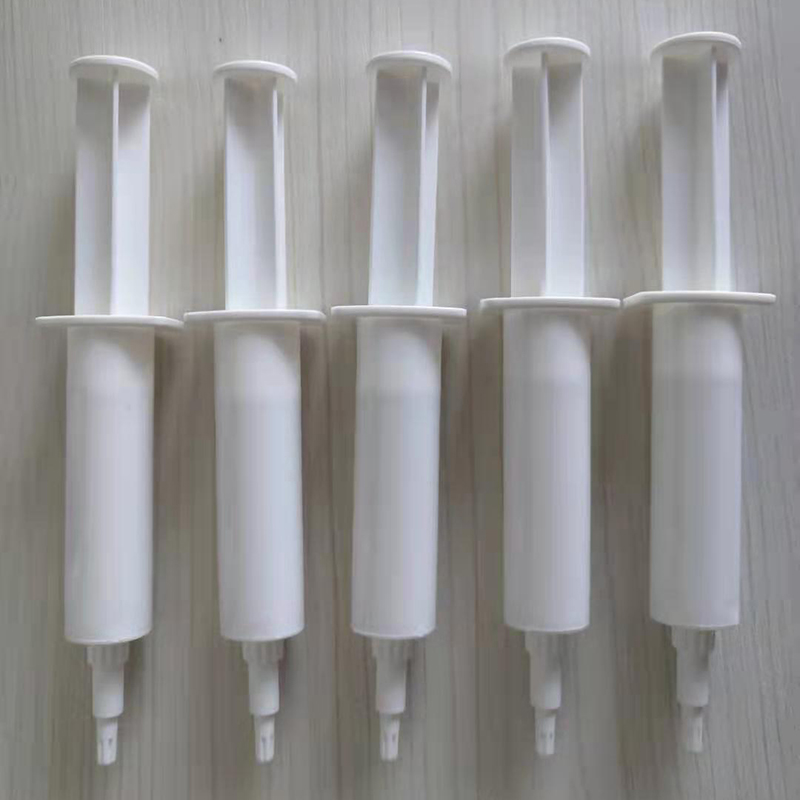
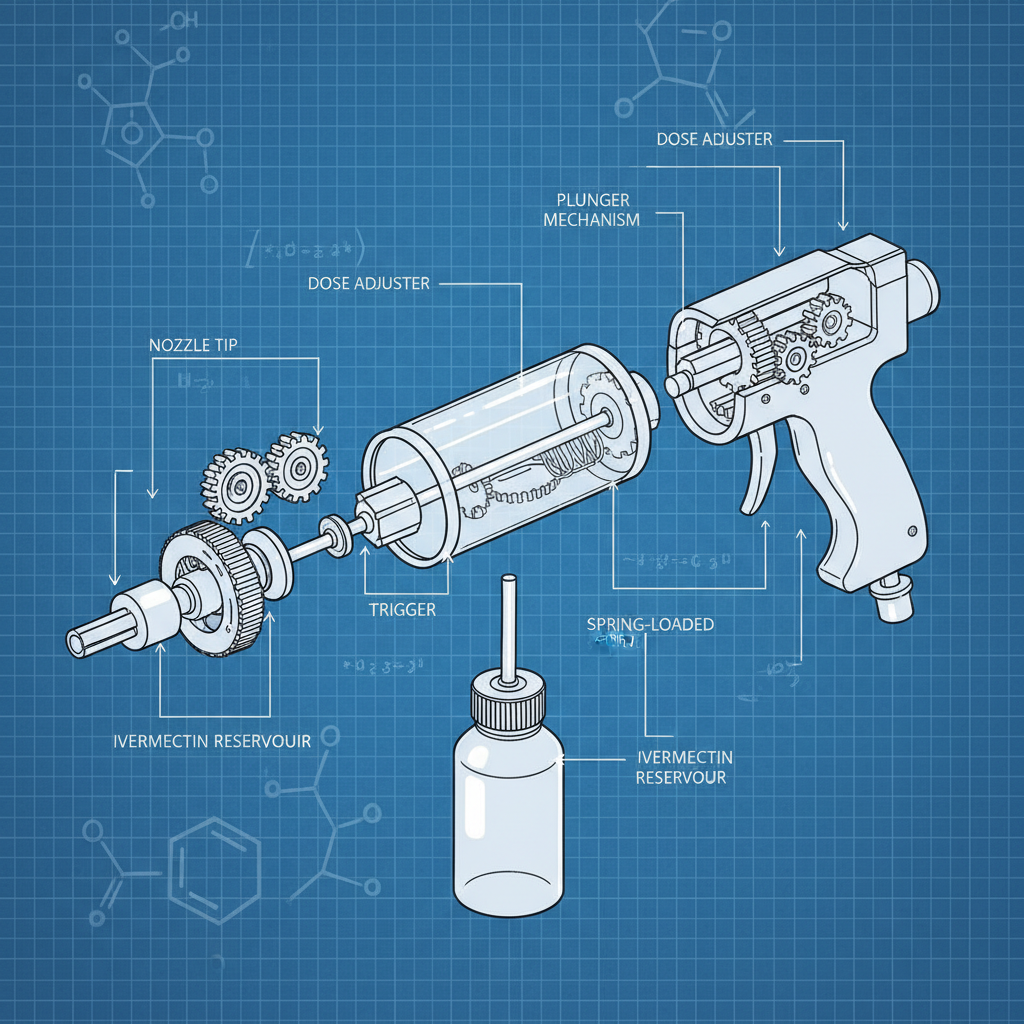
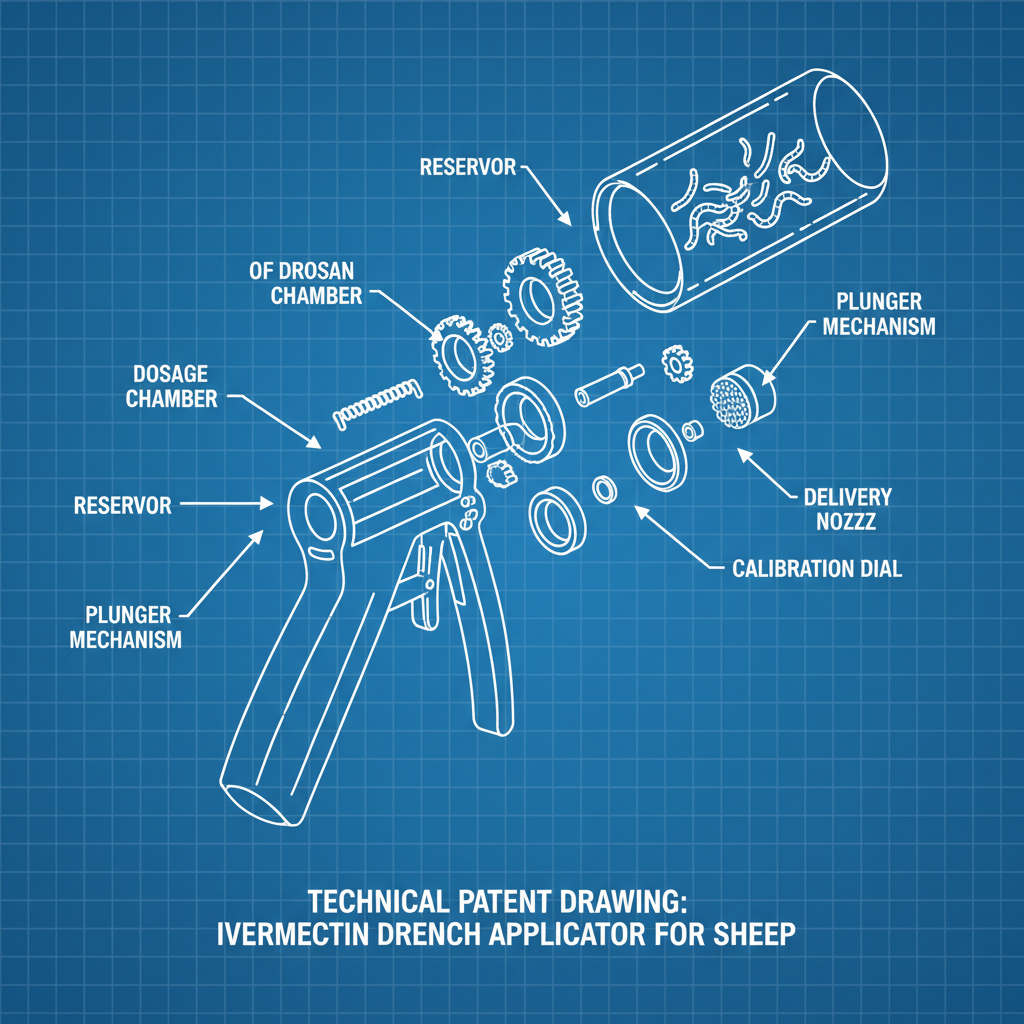
Correct dosage is paramount when using ivermectin drench for sheep. The dosage is typically based on the sheep’s weight. Always consult the product label and your veterinarian for specific recommendations. Generally, a standard dosage is 0.5mg of ivermectin per kilogram of body weight. Administration is usually oral, using a drench gun to deliver the liquid medication directly into the sheep’s mouth. Ensure accurate weighing of each sheep to avoid underdosing or overdosing. Proper drenching technique minimizes the risk of aspiration (liquid entering the lungs).
Benefits of Regular Ivermectin Treatment
Regular use of ivermectin drench offers numerous benefits for sheep farmers. These include improved weight gain and fleece production due to reduced parasite burden. It also minimizes the risk of anemia, especially from barber pole worm infestations. A healthy flock is more resilient to stress and disease, leading to lower veterinary costs. Furthermore, parasite control with ivermectin contributes to enhanced reproductive performance in ewes and lambs. Consistent parasite management is a key component of a successful sheep farming operation, and RC Pet Food provides the resources to help you maintain optimal flock health.
Potential Risks and Considerations
While ivermectin is generally safe, it's crucial to be aware of potential risks. Parasite resistance to ivermectin is a growing concern, particularly with barber pole worm. Rotate ivermectin with other anthelmintic classes (e.g., benzimidazoles, macrocyclic lactones) to minimize the development of resistance. Avoid repeated use of the same drug class. Withdrawal periods must be observed before slaughtering sheep or using their wool to avoid residues. Always follow label instructions and consult with a veterinarian regarding a comprehensive parasite control program.
Conclusion: Responsible Use of Ivermectin for Healthy Sheep
Properly utilizing ivermectin drench for sheep is essential for maintaining a healthy and productive flock. By understanding its mechanism of action, appropriate dosage, potential risks, and the importance of resistance management, you can ensure effective parasite control and optimize sheep health. Regular veterinary consultation and a comprehensive parasite control plan are key to long-term success.
Frequently Asked Questions (FAQs)
What is the best time of year to drench sheep with ivermectin?
The optimal timing for ivermectin drenching depends on your regional climate and parasite lifecycle. Generally, drenching is most effective during periods of parasite transmission, typically in the spring and autumn when temperatures and moisture levels favor parasite development. However, targeted selective treatment based on fecal egg counts (FEC) is becoming increasingly popular. This involves only drenching sheep that test positive for significant parasite burdens, reducing the selection pressure for resistance. Consulting with your veterinarian is crucial to determine the best drenching strategy for your specific farm and environmental conditions.
How can I tell if my sheep have developed resistance to ivermectin?
Signs of ivermectin resistance include a lack of response to treatment, where parasite burdens remain high despite drenching. This can be confirmed through a fecal egg count reduction test (FECRT). This test involves counting the number of parasite eggs in a sheep's feces before and after drenching. A significant reduction in egg count indicates the ivermectin is effective, while a minimal reduction suggests resistance. Regular monitoring of parasite control effectiveness and implementing strategies to reduce reliance on ivermectin are essential to combat resistance.
Are there any side effects associated with ivermectin drench?
Ivermectin is generally well-tolerated by sheep, but side effects can occur, although they are rare. These may include temporary localized irritation at the injection site (if injectable form is used), or transient inappetence. Overdosing can lead to neurological signs such as ataxia (loss of coordination) and tremors. It's critical to adhere to the recommended dosage and administer the drench correctly. Always consult a veterinarian if you suspect any adverse reactions.
What are some alternative parasite control methods I can use alongside ivermectin?
Integrating multiple parasite control methods is crucial for sustainable management. These include pasture management techniques like rotational grazing to reduce parasite larval contamination, providing sheep with a balanced diet to boost their immune systems, and using resistant breeds of sheep where available. Incorporating copper oxide wire particles (COWP) into the diet can also help reduce parasite burdens. Strategic use of other anthelmintic classes and regular fecal egg counts are also essential components of a comprehensive parasite control program.
Post time: January 30, 2026