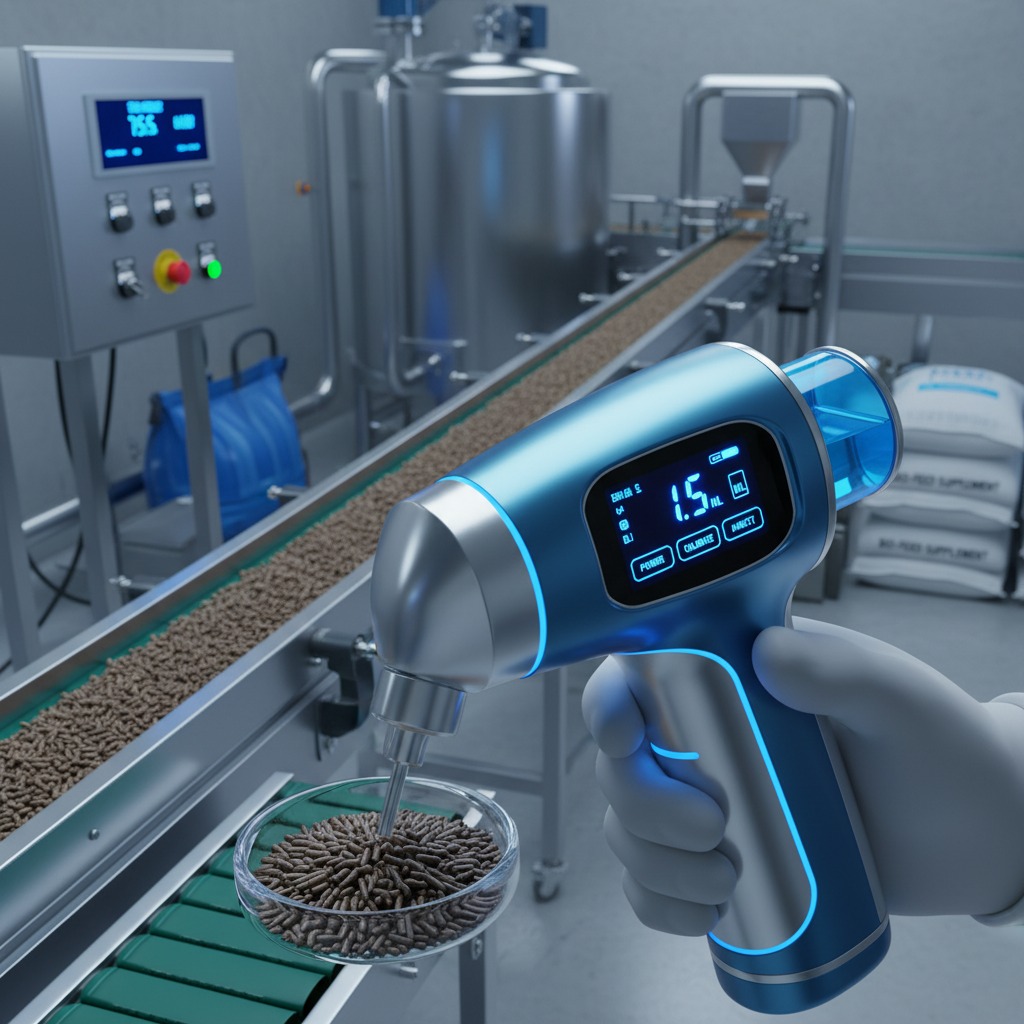
Understanding Broiler Grower Concentrate: Why It Matters Globally
Broiler grower concentrate might sound like just another feed ingredient at first glance, but its role in global food security and sustainable agriculture is surprisingly significant. As the demand for poultry meat continues to grow worldwide—thanks to shifting dietary preferences, urbanization, and population growth—the efficiency of broiler feed becomes a critical factor. Simply put, broiler grower concentrate is a specially formulated feed designed to optimize the growth phase of broiler chickens, ensuring they gain weight rapidly and healthily. Understanding this concentrate means more than just better chicken; it means improved resource use, lower environmental footprints, and enhanced profitability for farmers.
Given poultry production accounts for nearly 40% of all meat consumed globally (FAO), innovations in broiler grower concentrate directly influence global nutrition and agricultural sustainability.
The Global Context: Why Broiler Grower Concentrate Is a Game-Changer
On a global scale, broiler farming has expanded rapidly, particularly in Asia and Latin America. According to the World Bank, poultry consumption per capita has doubled over the past two decades. But this growth hasn't been without challenges. Feed costs make up roughly 70% of broiler production expenses, and inefficient feed formulations often lead to wasted resources and environmental strain.
Broiler grower concentrate addresses these issues by providing a nutrient-dense, optimized feed that supports faster growth and better feed conversion ratios (FCR). This means less feed waste and lower greenhouse gas emissions per kilo of meat produced. Countries battling food insecurity, including parts of Africa, benefit especially from such advances. For instance, improved feed efficiency means small-scale farmers can raise birds with better health and in less time — a win-win for families relying on poultry for income and nutrition.
What Exactly Is Broiler Grower Concentrate?
In simple terms, broiler grower concentrate is a specialized poultry feed formulated for the "grower" stage of broiler chickens—usually between 2 to 5 weeks of age. It’s balanced to supply the precise nutrients—proteins, energy, vitamins, and minerals—the birds need to gain mass effectively and develop muscle before they're switched to finisher feed.
Think of it as a custom-tailored diet for fast-growing birds. Unlike generic grain mixtures, broiler grower concentrate is often pelleted or crumbled to improve digestibility and reduce feed waste. This concentrated nutrition is indispensable for modern industrial farming, and increasingly vital in humanitarian contexts where rapid poultry growth can improve food availability quickly and cost-effectively.
Core Components of Quality Broiler Grower Concentrate
1. Protein Quality and Level
The protein content (usually between 18-22%) is critical. It’s the building block for muscle and tissue growth. Animal proteins or high-quality plant proteins, like soybean meal, are typical sources. Many nutritionists stress that not all protein is equal — amino acid profiles must match the bird’s needs.
2. Energy Supply
Energy primarily comes from cereals like corn or wheat and added fats. It fuels metabolism, and balanced energy input keeps feed conversion efficient. Too little energy means stunted growth; too much leads to unhealthy fat deposits.
3. Vitamins and Minerals
Micronutrients like calcium, phosphorus, and vitamins A, D3, and E are essential for strong bones and robust immune systems. These aren't “extras” but crucial for the birds’ welfare.
4. Pellet or Crumble Form
Physical form impacts consumption and wastage rates. Pelleting improves digestibility and reduces dust, which can affect respiratory health in broilers. Crumbles cater to younger birds reluctant to eat larger pellets.
5. Additives and Enzymes
Modern concentrates often include probiotics, coccidiostats, or enzymes to improve gut health and nutrient absorption, aligning with the trend toward reducing antibiotic use.
Product Specification Table: Sample Broiler Grower Concentrate
| Component | Typical Range | Notes |
|---|---|---|
| Crude Protein | 18–20% | Soybean meal primary source |
| Metabolizable Energy | 3000–3200 kcal/kg | Corn or wheat base |
| Calcium | 0.9–1.1% | For bone development |
| Phosphorus | 0.45–0.55% | Highly bioavailable form preferred |
| Pellet Size | 3–5 mm | Optimized for grower-age birds |
Worldwide Use Cases: Who’s Benefiting?
- Southeast Asia: Smallholder farmers adopt high-quality broiler grower concentrate to increase flock turnover and meet growing local urban demand.
- Sub-Saharan Africa: NGOs incorporate nutrient-dense poultry feed in food security programs, helping rural families improve nutrition quickly.
- South America: Large-scale commercial producers use advanced concentrate formulations to drive export-quality chicken production.
- Post-Disaster Relief: Emergency programs use rapid-growth feed to restock poultry populations decimated by floods or drought.
Oddly enough, it’s often the mix of tradition and innovation that works best—many farmers supplement broiler grower concentrate with local grains, balancing cost with performance.
Vendor Comparison: Leading Broiler Grower Concentrate Suppliers
| Supplier | Protein % | Energy (kcal/kg) | Additives Included | Price Range ($/ton) |
|---|---|---|---|---|
| AgriFeed Inc. | 19% | 3100 | Probiotics, Enzymes | $350–$380 |
| Global Poultry Solutions | 18% | 3000 | Coccidiostats | $330–$360 |
| NutriGrow Ltd. | 20% | 3200 | Enzymes, Organic Minerals | $370–$400 |
The Advantages of Using Broiler Grower Concentrate: More Than Just Numbers
While the technical specs are important, the benefits ripple into many layers—economic, environmental, and social.
- Cost Efficiency: Better feed conversion means less feed is used per kilo of meat, saving money and reducing waste.
- Sustainability: Optimized nutrition lowers methane emissions and reduces land/ water use by minimizing feed crop needs.
- Animal Welfare: Balanced diets promote healthier birds with stronger immune systems, cutting disease and mortality rates.
- Social Impact: In rural settings, faster-growing birds help families secure income, food, and dignity.
There's also the simple comfort of knowing that the flock is on a “proven diet,” supported by research and decades of experience. That peace of mind often goes overlooked.
Looking Ahead: Future Trends in Broiler Grower Concentrate
Innovation never sleeps. Current research is exploring plant-based protein alternatives like insect meal to replace soy, which carries sustainability issues. Digital tools, such as smart feeders and IoT-enabled nutrition tracking, are helping farmers fine-tune feed delivery, making concentrates even more efficient.
Policies encouraging antibiotic-free production are pushing feed formulators to add natural growth enhancers, like prebiotics and phytogenics—which feels like a win-win for all. Moreover, climate-smart formulations that withstand feed ingredient price volatility and regional supply challenges are turning broiler grower concentrates into ever more adaptable solutions.
Challenges and Smart Solutions in the Field
Despite its benefits, broiler grower concentrate isn’t without hurdles. For starters:
- Ingredient Costs Fluctuate: Global commodity prices can spike unpredictably.
- Feed Contamination Risks: Mycotoxins or poor storage can affect safety.
- Access for Small Farmers: High-quality concentrates may be out of reach or unavailable in rural areas.
Innovative distribution models, like community cooperatives, localized production, and quality control technologies (think blockchain traceability), are emerging as smart ways to overcome these challenges.
FAQs about Broiler Grower Concentrate
- Q1: How does broiler grower concentrate improve feed conversion?
- A1: By providing a precisely balanced mix of nutrients tailored for the growth phase, broiler grower concentrate ensures birds absorb and utilize feed efficiently, reducing waste and accelerating muscle gain.
- Q2: Can small-scale farmers use broiler grower concentrate effectively?
- A2: Absolutely. Many companies offer concentrates suitable for small flocks, and combining concentrate with local grains can reduce costs while maintaining performance.
- Q3: Is the pellet form preferable to crumbles?
- A3: Pellet feed tends to reduce wastage and improve nutrient uptake but may be harder for very young birds to eat; crumbles are often used during early growth stages before switching to pellets.
- Q4: How sustainable is broiler grower concentrate compared to traditional feed?
- A4: When formulated well, concentrates optimize inputs and reduce resource use per unit of meat, making them more sustainable than basic grain mixes or waste feeds.
- Q5: Where can I source high-quality broiler grower concentrate?
- A5: Leading agricultural suppliers like AgriFeed Inc., NutriGrow Ltd., and broiler grower concentrate specialists often provide bulk and small-scale packaging options — delivery availability varies by region.
Wrapping It Up: Why Broiler Grower Concentrate Is Worth Knowing
The journey of broiler grower concentrate from raw materials to your family’s dinner plate is surprisingly complex but absolutely fascinating. By focusing on optimized nutrition, it supports not only the growth of healthy birds but also helps farmers everywhere reduce costs and environmental impact. The future looks promising as innovative formulations and digital tools bring more precision and sustainability to poultry feed.
Curious to see real options? Visit our website for a closer look at quality broiler grower concentrate products that deliver proven results.
1. Food and Agriculture Organization (FAO). Poultry Sector Overview. FAO Poultry Data.
2. The World Bank. Global Meat Consumption Trends. worldbank.org.
3. National Research Council. Nutrient Requirements of Poultry. National Academies Press.
Post time: November 28, 2025