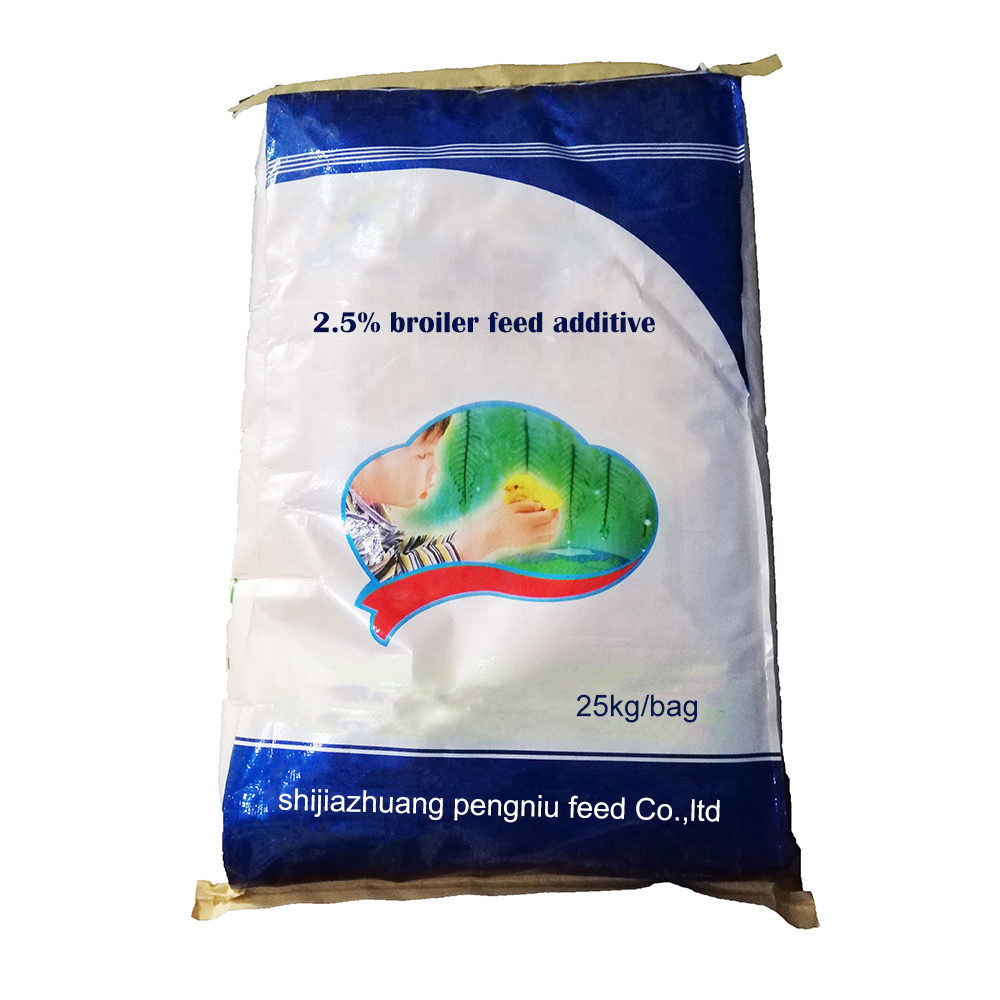
Broiler Premix Composition: Why It Matters More Than You Think
When you think about broiler chickens—the kind raised specifically for meat production—their nutrition might not be the first thing on your mind. Yet, the broiler premix composition is a crucial factor behind the scenes of global poultry farming. It drives growth rates, feed efficiency, animal health, and ultimately the quality of meat on your plate. Beyond just the farmyard basics, understanding this composition has ripples in economy, food security, and even environmental sustainability. In a world where demand for affordable protein grows relentlessly, cracking the code on broiler premixes isn’t just a niche topic for feed formulators; it’s part of addressing a global food puzzle.
So why spend time on this topic? Well, good premix formulations can reduce reliance on antibiotics, minimize waste, and enhance yield in intensive farming systems. That’s more than just industry jargon—it feeds billions reliably. Let’s unpack what it all means, from global challenges to hands-on applications.
1. Broiler Premix Composition: A Global Context
The global broiler market is booming. According to the FAO, chicken meat accounts for over 40% of all meat produced worldwide—this is no small potatoes. The demand is projected to rise by nearly 30% over the next decade, especially in developing regions. But scale introduces complexity: feed costs are the largest single expense in poultry production, often up to 70%. This is where the broiler premix composition comes into play—it’s a science-driven recipe that balances vitamins, minerals, enzymes, and other additives in the feed to optimize chicken growth and health.
Unfortunately, inconsistent or poor-quality premixes can cause uneven flock performance, nutrient deficiencies, or health setbacks, directly impacting profitability and sustainability. Plus, with tightening regulations on antibiotic use and rising consumer demand for "clean-label" poultry products, formulation precision has never been more critical.
Mini takeaway: globally, the composition of broiler premixes underpins efficient poultry production and addresses rising consumer, environmental, and regulatory demands.
2. What Is Broiler Premix Composition? Breaking It Down
Simply put, broiler premix composition refers to the carefully crafted blend of micronutrients added to basal feed components for broiler chickens. It doesn't include the bulk energy sources like corn or soybean meal but focuses on essential vitamins, minerals, amino acids, enzymes, and sometimes probiotics or growth promoters.
Think of it like a “vitamin cocktail” optimized specifically to meet the rapid growth needs of broilers which reach market weight in some 6-7 weeks. This blend ensures that the birds' bodies don’t just get bulk calories but the crucial nutrients needed for skeletal development, immune function, and overall well-being.
Its importance goes beyond the farm - in scenarios where food security is paramount or where low-cost protein must be produced sustainably (think humanitarian contexts or resource-constrained regions), having a reliable broiler premix means better yields, less waste, and more meat on tables worldwide.
3. The Core Components of Broiler Premix Composition
3.1 Vitamins
Broilers need a precise mix of vitamins A, D3, E, K, and B-complex (like B12 and niacin), each serving unique roles from bone strength to enzyme regulation. Deficiencies can result in poor growth rates, leg disorders, or immune suppression.
3.2 Minerals
Macro-minerals like calcium and phosphorus are fundamental for skeletal integrity, while trace minerals such as zinc, copper, manganese, and selenium optimize metabolism and oxidative stress resistance.
3.3 Amino Acids
Essential amino acids (lysine, methionine, threonine) in the premix complement the main protein feed to support muscle growth. Missing even one can create bottlenecks in protein synthesis.
3.4 Enzymes and Additives
These include phytases (to help release phosphorus from plant material), probiotics to support gut health, and antioxidants to protect cell integrity. Increasingly, these improve feed digestibility and overall flock performance.
3.5 Carrier Substances
A blend of inert carriers like corn starch or rice hulls uniformly distributes micronutrients so that every bite counts.
| Component | Concentration (per kg premix) | Key Role |
|---|---|---|
| Vitamin A | 10,000 - 20,000 IU | Growth, bone & feather development |
| Vitamin D3 | 2,000 - 4,000 IU | Calcium absorption, bone mineralization |
| Zinc | 80 - 120 mg | Immune function, enzyme systems |
| Methionine | 3,000 - 5,000 mg | Protein synthesis, feather growth |
| Phytase enzyme | 500 - 1,000 FTU | Improved nutrient digestibility |
Mini takeaway: The broiler premix isn’t random magic powder, but a carefully balanced medley designed to meet very specific physiological needs of fast-growing birds.
4. Real World Applications: Feeding the World’s Broilers
Poultry production spans continents and climates, but the role of premix remains constant: optimize growth and health economically. For example:
- Asia: High-density broiler farms in China and India rely heavily on premix formulations to sustain rapid growth cycles and maximize feed efficiency.
- Africa: Small-scale producers in Nigeria or Kenya adopt premixes to improve flock survival and reduce reliance on antibiotics in resource-limited settings.
- Latin America: Countries like Brazil, as major exporters, fine-tune premixes to meet stringent international quality standards while keeping costs down.
- Post-Disaster Relief: In regions recovering from conflict or natural disasters, fortified broiler premixes support fast-growing local poultry, contributing to food security quickly.
The importance is also reflected in industry moves toward sustainable ingredients and better traceability in premix production, essential in export markets and food safety compliance.
5. Advantages and Long-Term Value of Optimized Premix Formulation
For poultry producers, the right premix brings:
- Cost Efficiency: Improves feed-to-meat conversion ratios, reducing overall feeding costs.
- Animal Health and Welfare: Less disease and stress thanks to balanced nutrition.
- Environmental Sustainability: Lower phosphorus and nitrogen waste output thanks to enzyme additives.
- Market Trust: Consistent product quality builds consumer confidence.
On a broader scale, reliable premixes help close the protein gap in developing regions and reduce the environmental footprint of meat production—a win-win for people and planet.
6. Future Trends & Innovations in Broiler Premix Composition
Innovation is steadily transforming this space. Here’s what to watch:
- Precision Nutrition: Using AI and data analytics to customize premixes based on flock genetics, age, and local feed ingredients.
- Alternative Nutrients: Exploration of insect protein, seaweed extracts, and novel enzymes reduces reliance on traditional mineral sources.
- Sustainability Certification: Eco-labeling premixes to appeal to environmentally conscious markets.
- Automation & Digital Traceability: Blockchain and IoT ensure every batch is consistent and meets safety standards.
It's a dynamic field, blending traditional feed science with tech-driven solutions that will likely reshape the “premix” story in the next decade.
7. Challenges & Solutions in Broiler Premix Production
Challenges like ingredient variability, micronutrient stability during storage, and scale-up complexities still plague manufacturers. For example, vitamin degradation under high humidity or heat is a common headache.
To overcome these:
- Microencapsulation techniques are improving nutrient stability.
- Real-time quality control and supplier audits improve ingredient consistency.
- Formulations are increasingly tailored to local feedstuff, reducing mismatches and inefficiencies.
Many experts stress that ongoing research collaboration between nutritionists, feed mills, and geneticists is key to continued improvements.
8. FAQ: Common Questions About Broiler Premix Composition
- Q: Why can’t we just mix vitamins directly into the feed instead of a premix?
- A: Mixing vitamins directly is challenging due to their very low inclusion rates and uneven distribution risk. The premix ensures homogeneity so that every bird receives the right dose reliably.
- Q: How do premixes help reduce antibiotic use in poultry?
- A: Balanced premixes support immune function and gut health, lowering disease susceptibility and minimizing the need for antibiotic interventions.
- Q: Can the premix be adapted for organic or free-range broilers?
- A: Yes, premixes can be customized to comply with organic standards by using approved nutrient sources and additives that meet certification requirements.
- Q: Are premixes cost-effective for small-scale poultry farmers?
- A: While upfront costs might seem higher, improved bird performance and survival with quality premixes often translate to better profit margins, even at a small scale.
- Q: How is the broiler premix composition regulated?
- A: Various countries and regions set minimum vitamin and mineral levels in feed through bodies like the NRC (National Research Council) or EFSA (European Food Safety Authority) to ensure animal welfare and food safety.
9. Comparing Leading Broiler Premix Vendors
| Vendor | Product Range | Special Features | Global Reach | Price Level |
|---|---|---|---|---|
| AgroFeed Solutions | Standard & Custom Premixes | AI-driven formulation software | Worldwide, with emphasis on Asia/Africa | Mid-range |
| NutriBlend International | Organic & Specialty Premixes | Sustainability certified ingredients | Europe, North America, Latin America | Premium |
| PoultryPro Mixes | Cost-effective & High Efficiency | Phytase and probiotic blends | Global, focus on emerging markets | Budget-friendly |
10. Conclusion: The Long-Term Value of Mastering Broiler Premix Composition
At the end of the day, broiler premix composition is more than just a feed additive formula—it’s a cornerstone of modern poultry production sustainability, efficiency, and animal welfare. Producers and feed formulators who invest time and resources to get their premix just right can expect better flock health, lower costs, and a competitive edge in an increasingly demanding market.
Whether you’re a poultry nutritionist, farmer, or even an industry observer, keeping an eye on trends and innovations in this space is smart. And if you want a deep dive on related topics like broiler premix composition, I’d recommend checking out resources and suppliers online.
Happy feeding, and may your flocks flourish ahead!
References:
1. Food and Agriculture Organization (FAO). Poultry production and products.
2. National Research Council (NRC). Nutrient requirements of poultry. 1994.
3. European Food Safety Authority (EFSA). Feed additives and animal nutrition.
Post time: November 28, 2025