The Practical Guide to Calcium + Vitamin D3 Tablets: What Buyers, Brands, and Clinicians Actually Look For
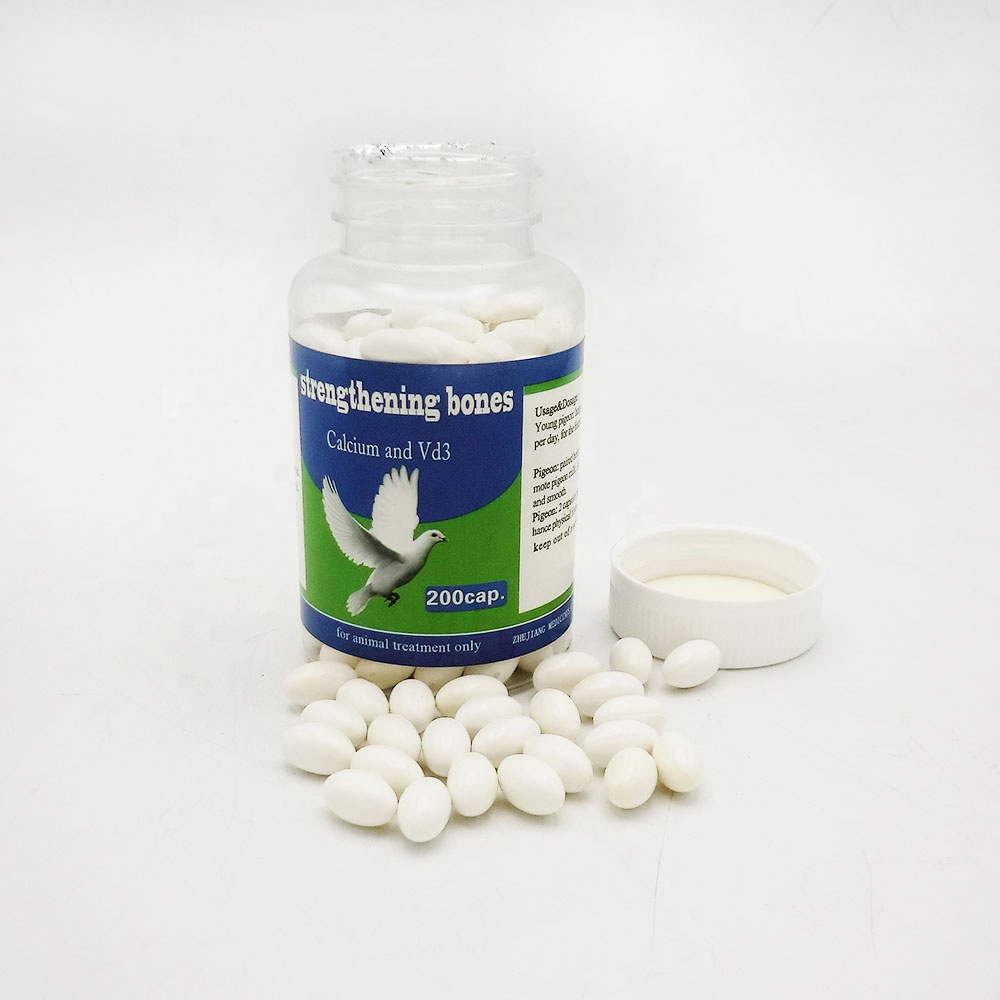
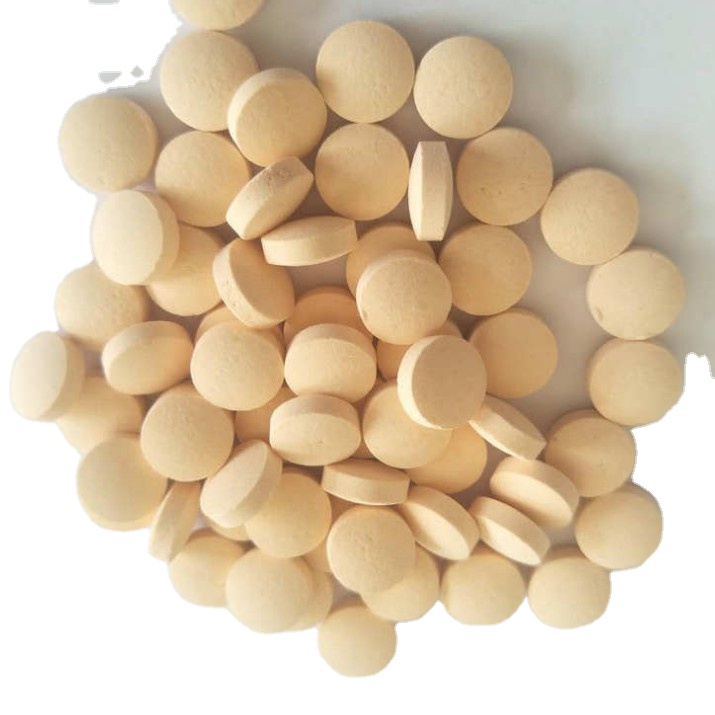
If you’ve ever tried to compare bone-health supplements, you know the shelf is crowded. One product I’ve followed closely is the calcium vitamin d3 tablet line marketed as Ca+vitamin Tablets. On paper it’s simple: calcium for structure, D3 for absorption. In real life, details like dissolution, coating, and supply reliability matter just as much. To be honest, that’s where the winners separate from the “me-too” products.
Industry trends (quick read)
- Shift to evidence-led dosages: 500–600 mg elemental Ca per tab paired with 10–25 µg D3 (400–1000 IU).
- Faster-dissolving, gentler salts: blends of carbonate (cost-effective) and citrate (more stomach-friendly).
- Certifications-first buying: GMP, ISO 22000, HACCP, sometimes NSF/USP verification.
- Private label demand: customization of coating, flavor, vegan options, and pack sizes.
Ca+vitamin Tablets — product snapshot
Origin: Room 2210, Building A, Yihongxia, 298 Zhonghuabei Street, Xinhua District, Shijiazhuang, Hebei, China. Not the flashiest address line, but many buyers tell me the consistency from this site is the draw.
| Spec | Typical Value (≈, real-world use may vary) |
|---|---|
| Elemental Calcium | 500–600 mg per tablet (carbonate+citrate blend) |
| Vitamin D3 (cholecalciferol) | 10–20 µg (400–800 IU); 25 µg (1000 IU) optional |
| Excipients | MCC, croscarmellose, Mg stearate, silica; HPMC film-coating |
| Dissolution/Disintegration | USP / targets; disintegration |
| Shelf life | 24–36 months in moisture-barrier bottles, 15–25°C |
| Certifications | GMP, ISO 22000, HACCP; Halal/Kosher on request |
How it’s made (process flow)
Materials: pharma-grade calcium carbonate/citrate, cholecalciferol (stabilized), MCC, disintegrants, lubricants. Method: blending → wet granulation (or dry) → compression → HPMC film-coating → optical sorting → bottle/foil with desiccant. QA: hardness 6–12 kp, friability /, micro per USP /. Service life validated by ICH-like stability (accelerated and real-time).
Where it’s used
- Retail and hospital pharmacy lines for adults 50+ and women’s health.
- Sports nutrition stacks (athletes often prefer citrate-heavy blends).
- Institutional procurement: community clinics, e-commerce private labels.
Note: always check with a clinician for pregnancy, kidney issues, or drug interactions (e.g., bisphosphonates, thyroid meds).
Real-world test data (sample batch)
Assay: Ca 505 mg/tablet (95–105% spec); D3 800 IU/tablet (90–110%). Dissolution: 85% at 30 min (USP paddle, 50 rpm). Heavy metals: within USP limits. Users say the coating makes it easy to swallow; surprisingly few reports of chalky aftertaste.
Vendor comparison (what buyers compare, honestly)
| Vendor | Strength Options | Coating/Flavor | Certs | MOQ | Lead Time |
|---|---|---|---|---|---|
| Ca+vitamin Tablets | 500–600 mg Ca + 400–1000 IU D3 | HPMC film; mild vanilla or unflavored | GMP, ISO 22000, HACCP | ≈50k tabs | 25–35 days |
| Vendor B (Local Pharma) | 600 mg Ca + 800 IU D3 | Sugar coat; citrus | GMP, NSF | ≈100k tabs | 35–45 days |
| Vendor C (CMO) | Custom | Enteric, vegan options | GMP | ≈200k tabs | 45–60 days |
Customization
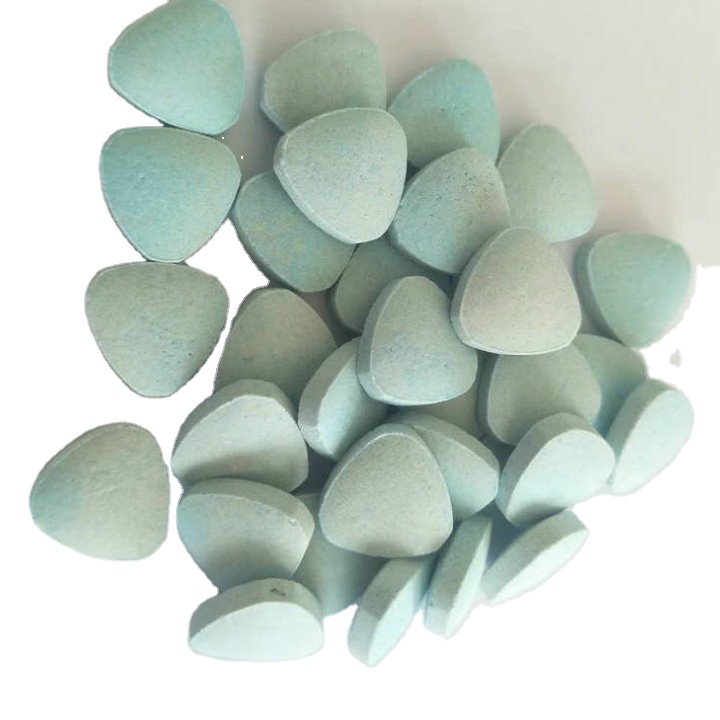
Dosage (Ca 300–600 mg; D3 400–1000 IU), tablet size/shape, vegan/halal/kosher, bottles or blisters, child-resistant caps, branding. I guess the sweet spot for compliance is a slim, film-coated 500 mg Ca + 800 IU D3.
Case notes from the field
- Community clinic: adherence improved when switching to coated calcium vitamin d3 tablet from uncoated tabs; fewer GI complaints.
- E-commerce brand: upgraded to USP-style dissolution; returns dropped ≈18% quarter-over-quarter.
- Senior cohort: after 6 months on calcium vitamin d3 tablet, DEXA maintenance observed in many patients alongside diet advice (anecdotal, but consistent).
Why it works
D3 supports calcium absorption and utilization; adequate elemental dose plus reliable dissolution equals better odds of real benefit. It seems simple; the manufacturing discipline is the hard part.
Citations
- NIH Office of Dietary Supplements. Calcium Fact Sheet for Health Professionals.
- NIH Office of Dietary Supplements. Vitamin D Fact Sheet for Health Professionals.
- USP General Chapters: Dissolution; / Elemental Impurities; / Microbial Tests.
- EFSA Scientific Opinions on Dietary Reference Values for Calcium and Vitamin D.
- Endocrine Society Clinical Practice Guideline: Evaluation, Treatment, and Prevention of Vitamin D Deficiency.
Post time: October 20, 2025