Understanding Dexa B Tres Injection: A Comprehensive Guide
Dexa B Tres injection is a widely used veterinary pharmaceutical product, particularly in livestock and poultry farming. It’s a combination medication designed to address various conditions stemming from vitamin B deficiencies and infections. Understanding its composition, uses, dosage, and potential side effects is crucial for responsible animal healthcare. This article provides a thorough overview of Dexa B Tres injection, offering valuable insights for veterinarians, animal owners, and those involved in animal husbandry. Proper administration is key to maximizing its benefits while minimizing any adverse reactions.
Composition and What Dexa B Tres Contains
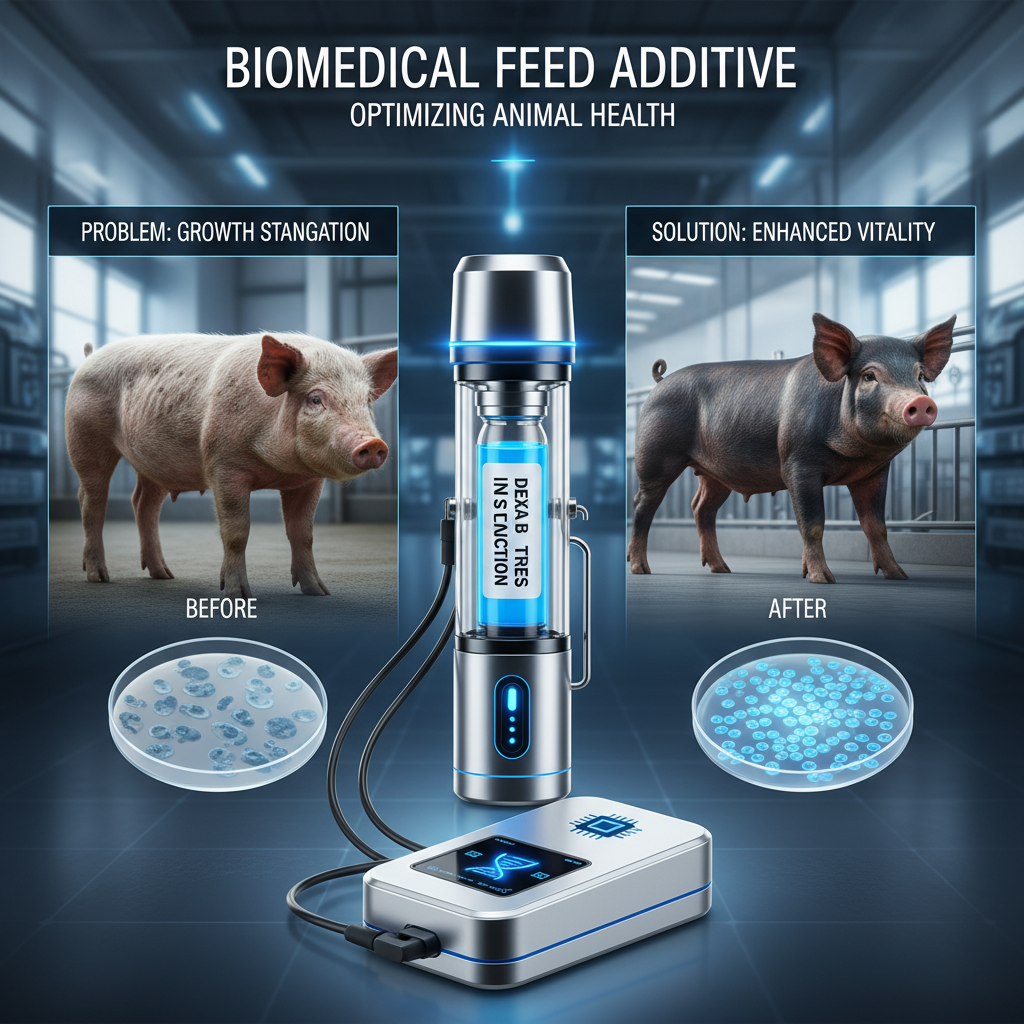
Dexa B Tres injection typically contains a combination of Dexamethasone, Vitamin B1 (Thiamine), Vitamin B2 (Riboflavin), Vitamin B6 (Pyridoxine), and Vitamin B12 (Cyanocobalamin). Dexamethasone is a potent corticosteroid used for its anti-inflammatory and immunosuppressive properties. The B vitamins play a vital role in nerve function, energy metabolism, and overall cellular health. This synergistic combination makes Dexa B Tres effective in treating a wide array of conditions where inflammation and vitamin deficiencies are present. The precise concentrations of each ingredient can vary slightly depending on the manufacturer, so always check the product label. You can find detailed product information on our website.
Key Ingredients: Dexamethasone, Thiamine (B1), Riboflavin (B2), Pyridoxine (B6), Cyanocobalamin (B12). Each component contributes to the overall therapeutic effect, addressing both inflammatory responses and vitamin deficiencies.
Common Uses of Dexa B Tres Injection
Dexa B Tres injection is commonly used in veterinary medicine for a variety of purposes. These include treating ketosis in cattle, pregnancy toxemia in sheep and goats, and various vitamin B deficiencies in livestock and poultry. It is also used to manage inflammatory conditions such as mastitis, metritis, and pneumonia. Furthermore, it can be administered as supportive therapy in cases of shock, stress, or post-surgical recovery. The anti-inflammatory action of dexamethasone helps reduce swelling and pain, while the B vitamins support the animal's overall recovery process. Proper diagnosis by a veterinarian is crucial to determine if Dexa B Tres is the appropriate treatment.
Key Applications:
• Ketosis treatment in cattle
• Pregnancy toxemia in sheep and goats
• Vitamin B deficiency management
• Inflammatory condition support
Dexa B Tres Injection: Dosage and Administration
The correct dosage of Dexa B Tres injection is critical for achieving optimal therapeutic results and minimizing potential side effects. Dosage varies significantly based on the animal species, weight, and severity of the condition being treated. Typically, it is administered intramuscularly or intravenously, as directed by a veterinarian. It is essential to follow the veterinarian’s precise instructions regarding the dosage and administration route. Overdosing can lead to adverse effects, while underdosing may not provide sufficient therapeutic benefit. Refer to the product insert and always consult with a veterinary professional.
Potential Side Effects and Precautions
While Dexa B Tres injection is generally safe when used as directed, some side effects are possible. These can include transient excitement, increased appetite, and gastrointestinal disturbances. In rare cases, more serious side effects such as allergic reactions or adrenal suppression may occur. It is essential to monitor animals closely after injection for any signs of adverse reactions. Precautions should be taken when using Dexa B Tres in animals with pre-existing conditions such as diabetes or Cushing’s disease. Avoid use in pregnant animals unless specifically directed by a veterinarian. Consult our resources at RC Pet Food for detailed safety information.
Storage and Handling of Dexa B Tres Injection
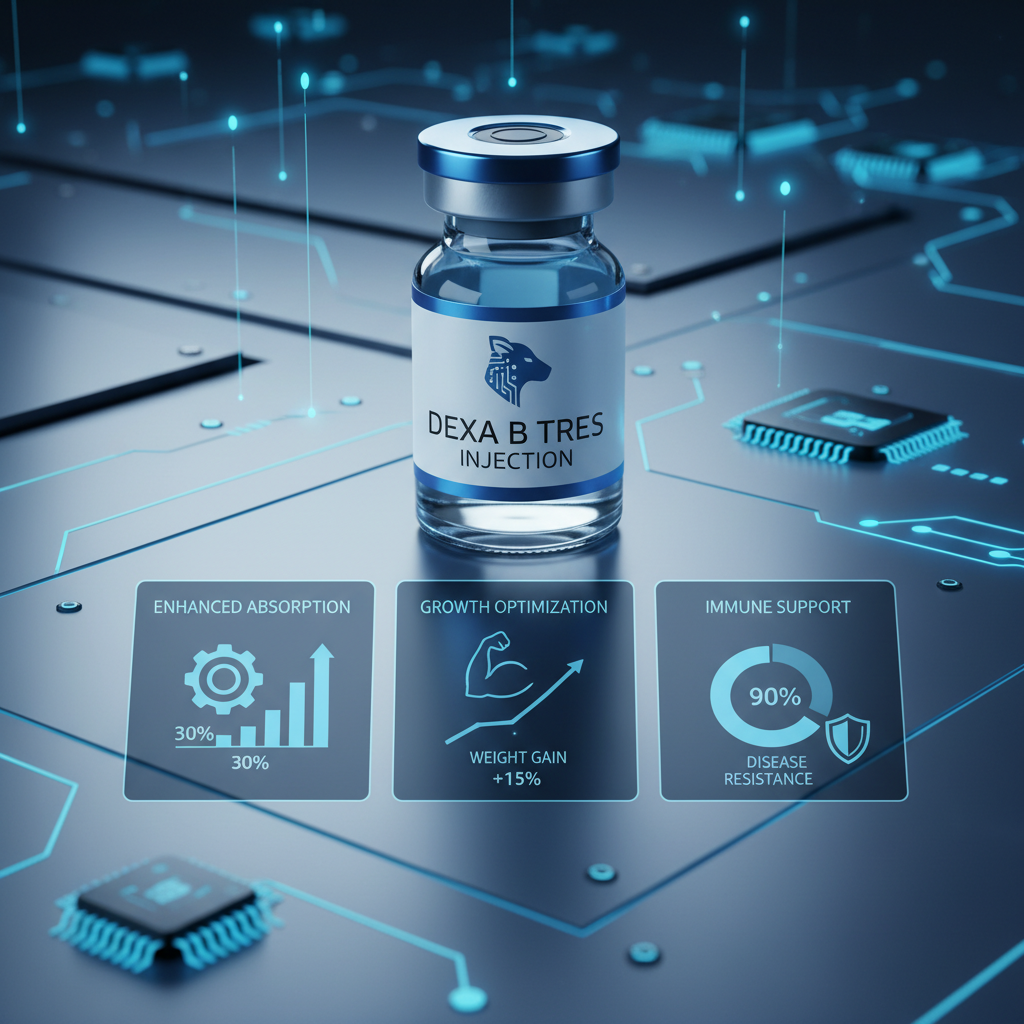
Proper storage and handling are essential to maintain the potency and safety of Dexa B Tres injection. Store the product in a cool, dry place, protected from direct sunlight and extreme temperatures. Keep it out of reach of children and animals. Do not use the product if it appears discolored or contains particulate matter. Follow proper disposal procedures for used syringes and vials, in accordance with local regulations. Always adhere to the manufacturer's recommended storage conditions, which can typically be found on the product label or package insert. For further guidance, explore the comprehensive resources available on our site.
Conclusion: Responsible Use of Dexa B Tres Injection
Dexa B Tres injection is a valuable tool in veterinary medicine, offering a combination of anti-inflammatory and vitamin support. However, its responsible use requires a thorough understanding of its composition, uses, dosage, and potential side effects. Always consult with a veterinarian for accurate diagnosis and treatment plans, and strictly follow their instructions regarding administration. Proper storage and handling are also crucial to ensure product integrity and animal safety. By prioritizing responsible use, we can maximize the benefits of Dexa B Tres while safeguarding animal health.
Frequently Asked Questions (FAQs)
Can Dexa B Tres be used in all animal species?
While Dexa B Tres is commonly used in cattle, sheep, goats, and poultry, its use in other animal species should be determined by a veterinarian. The dosage and potential effects can vary significantly between species. Always consult with a qualified veterinary professional before administering Dexa B Tres to any animal outside of the commonly prescribed species. The veterinarian will assess the animal's health status and determine if the medication is appropriate and safe.
What should I do if I suspect an allergic reaction after administering Dexa B Tres?
If you suspect an allergic reaction, such as swelling of the face, difficulty breathing, hives, or collapse, seek immediate veterinary attention. Allergic reactions can be life-threatening and require prompt treatment. Discontinue the medication immediately and contact your veterinarian or an emergency veterinary clinic. Be prepared to provide details about the animal's symptoms, the dosage administered, and the time of administration.
Is Dexa B Tres safe to use in pregnant animals?
Dexa B Tres should generally be avoided in pregnant animals unless specifically directed by a veterinarian. Dexamethasone, a component of the injection, can potentially cause adverse effects on the developing fetus. The veterinarian will carefully weigh the risks and benefits before considering its use in pregnant animals. If deemed necessary, the lowest effective dose should be used and the animal should be closely monitored.
How long can I store opened vials of Dexa B Tres?
Once a vial of Dexa B Tres has been opened, it should be used immediately. Do not store partially used vials for later use, as this can compromise the sterility and potency of the medication. Discard any remaining solution after the initial administration. Always follow the storage instructions provided by the manufacturer on the product label and package insert.
Post time: April 4, 2026