Understanding the Types of Veterinary Drugs: Why It Matters Worldwide
Veterinary drugs — you might not encounter them every day, unless you’re a farmer, a pet owner, or a vet. But their role is massive and sometimes underappreciated. These medications help keep animals healthy, prevent disease spread, and maintain food safety, all of which have cascading effects on human health and economies globally. In a world where zoonotic diseases (those passed from animals to humans) can shake societies, knowing about the various types of veterinary drugs isn’t just a niche interest — it’s part of a broader conversation on sustainability, food security, and public health. If you pause to think, the benefits stretch beyond simple animal care. Effective veterinary drugs improve livestock productivity and welfare, reduce antibiotic resistance risks, and protect endangered species. For those working in agricultural development or animal welfare, understanding these drug types – from antibiotics and antiparasitics to vaccines and analgesics – is crucial. Most importantly, the right veterinary drug selection can literally make or break outcomes in disease control and animal husbandry. ---The Global Context: Why Veterinary Drugs Are a Rising Priority
Space for a reality check: the global veterinary drug market was valued at over $40 billion as of 2023, and it’s growing steadily according to estimates from the World Bank and ISO studies. Demand is fueled by rising meat consumption in developing countries, increased pet ownership in urban areas, and global efforts to reduce antibiotic misuse in animal husbandry. Still, challenges persist. For instance, inadequate veterinary service access in regions of Africa and Asia creates a gap that facilitates disease outbreaks and poor animal welfare. Moreover, a lack of standardized regulations sometimes leads to misuse of veterinary drugs, worsening issues like antimicrobial resistance. This all suggests a dual problem and opportunity — a chance to reform how types of veterinary drugs are developed, distributed, and used worldwide. (If you’re curious about types of veterinary drugs, you’ll appreciate how global policies and guidelines try to balance accessibility with safety.) ---What Exactly Are Types of Veterinary Drugs?
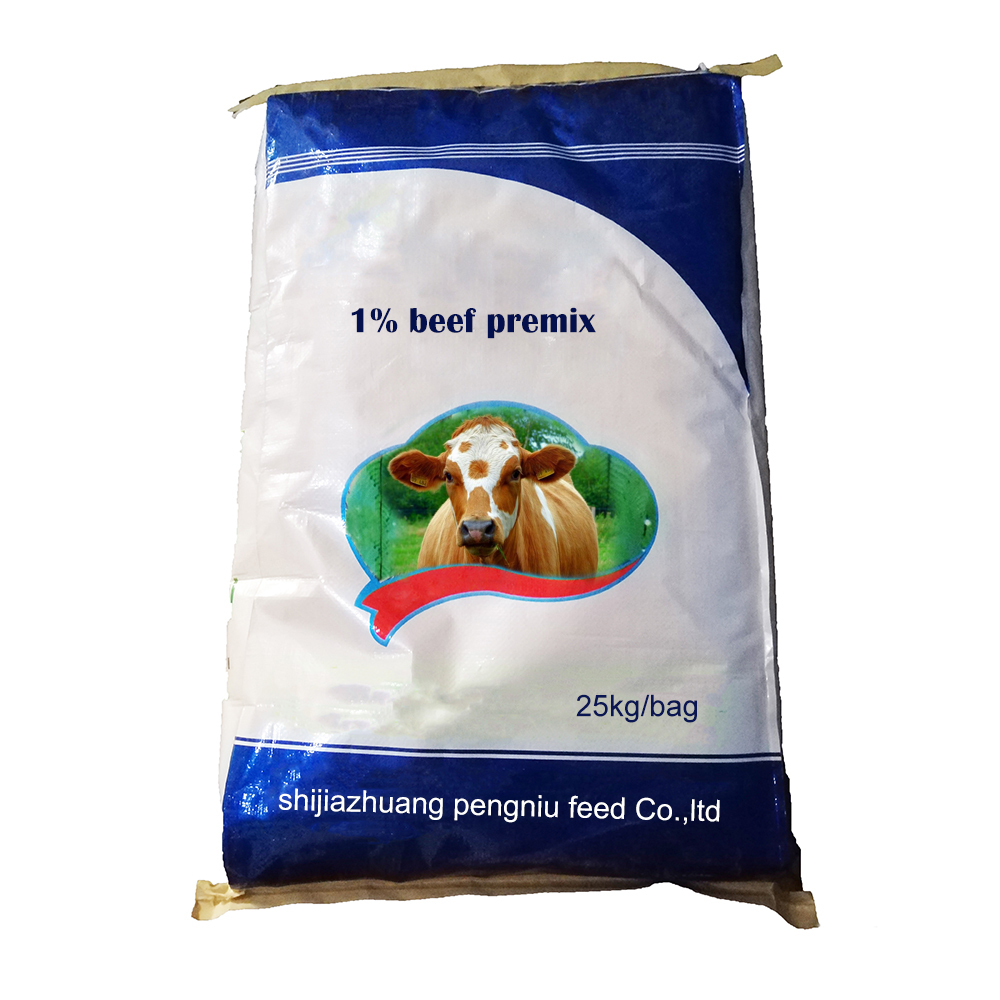
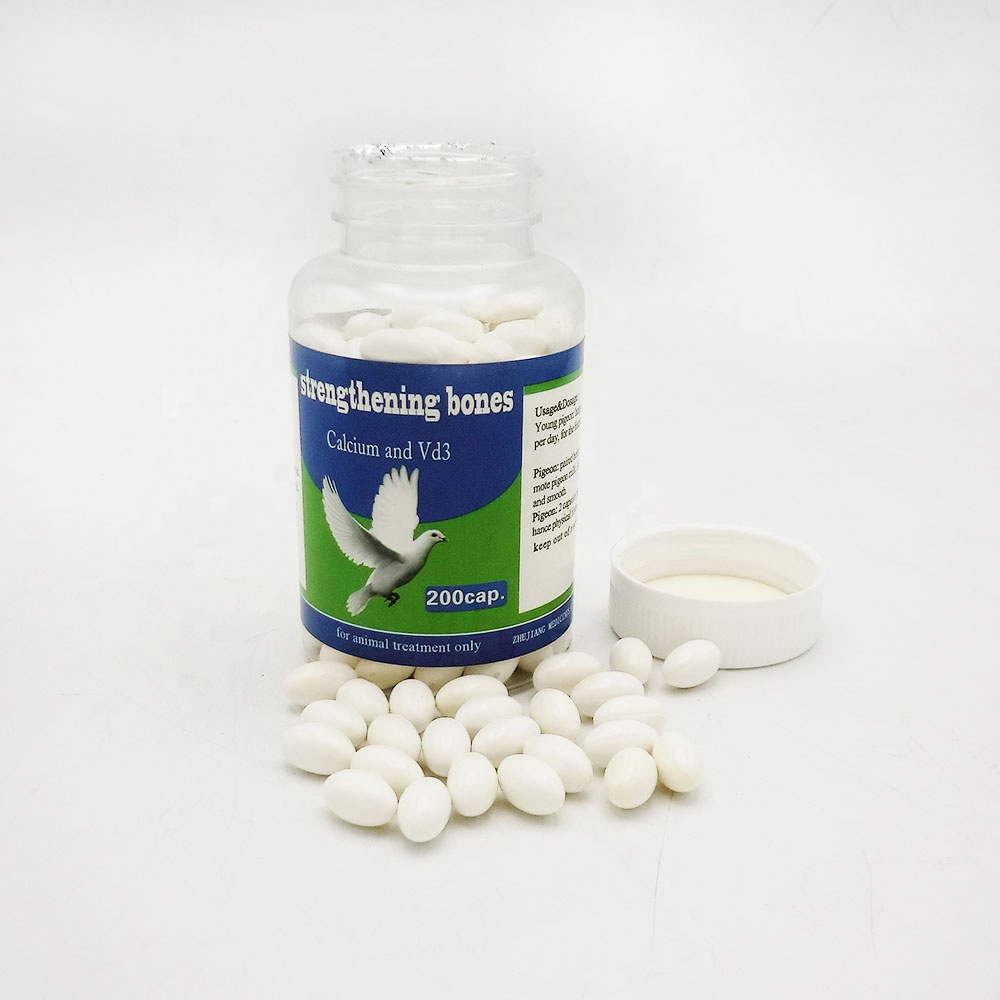
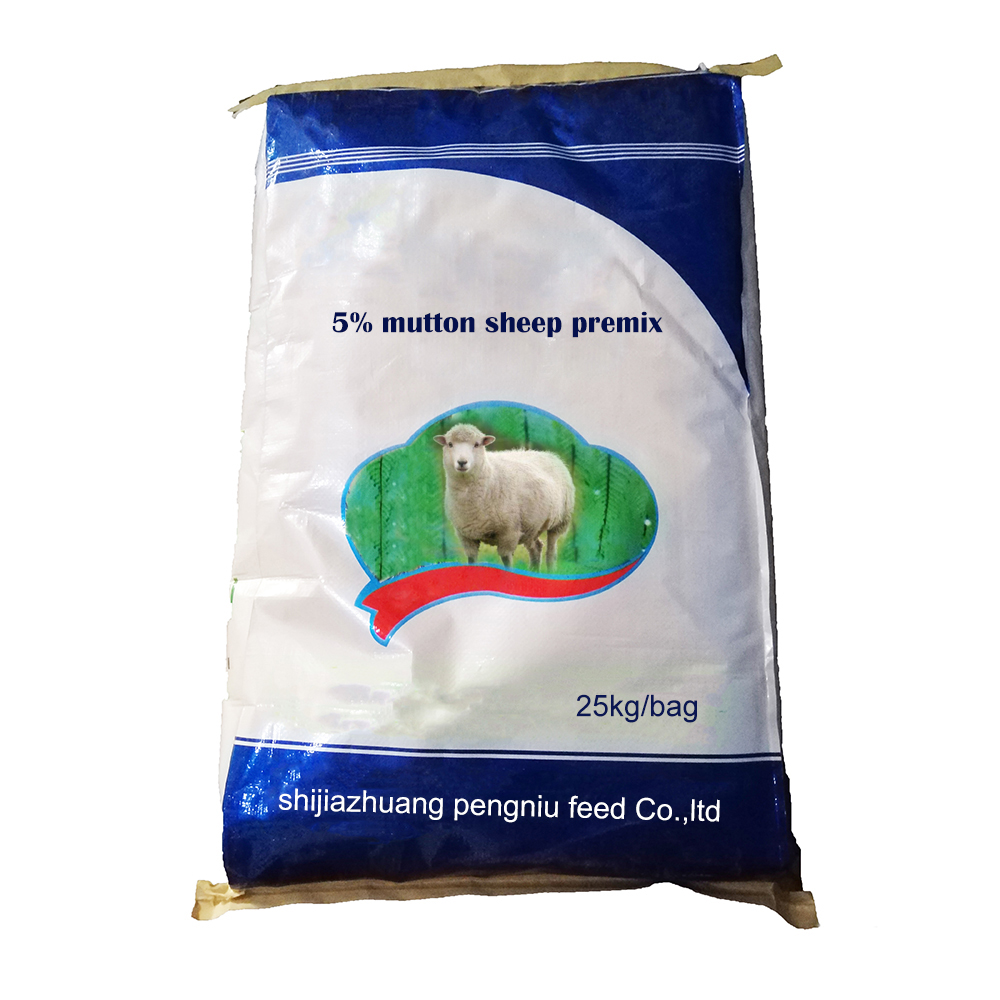
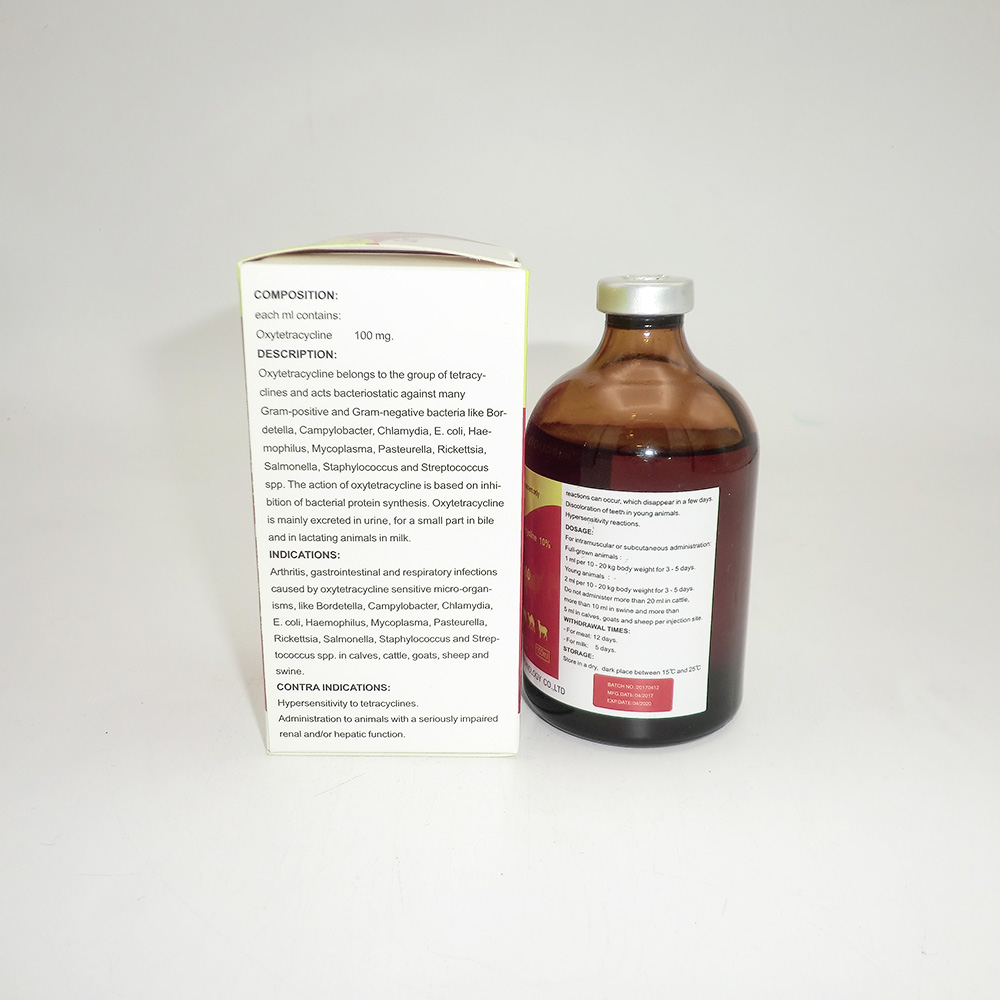
In the simplest terms, veterinary drugs are medicinal substances designed specifically for animals. This includes medications to diagnose, treat, prevent, or control diseases in companion animals (pets), livestock, and even wildlife. Different classes include: - Antibiotics: To fight bacterial infections. - Antiparasitic drugs: Control internal and external parasites. - Vaccines: To build immune defense. - Analgesics and anti-inflammatory drugs: To relieve pain and inflammation. - Hormones and reproductive drugs: Used in breeding and growth regulation. - Nutritional supplements: To support overall health. The connection to humanitarian needs is direct: healthier animals mean better food security, reduced disease transmission to humans, and more stable economies for farming communities. The veterinary pharmaceutical industry is basically the silent partner behind many success stories in agriculture and public health. ---Key Factors in Veterinary Drug Use and Development
1. Effectiveness and Safety
The primary factor is how well the drug treats the disease without causing harm. Many veterinarians highlight the balance between effectively targeting pathogens and minimizing toxic side effects, particularly in food-producing animals where residues can affect humans.2. Regulatory Compliance
Vets and farmers must navigate a web of regulations from bodies like the FDA and EMA, plus local agencies. This often dictates which veterinary drugs are approved, how they’re administered, and withdrawal periods before animal products enter the human food chain.3. Dosage Forms and Delivery Methods
From oral tablets and injectables to topical sprays and feed additives, the form impacts compliance and treatment success. Ease of administration matters — getting a cow to swallow a pill is no walk in the park.4. Resistance Management
Antimicrobial resistance (AMR) is a looming issue. Policies now demand responsible use of antibiotics to avoid resistant strains developing, shaping the design and prescription of vet drugs worldwide.5. Cost and Accessibility
Especially in remote or low-income regions, affordability and supply chain reliability are crucial. A drug’s advantages fade if farmers can’t get it when needed. ---
Mini Takeaway: Veterinary drugs aren’t just medications — they are intricate tools balanced on safety, regulatory guardrails, practicality, and cost. The right choice depends on many interconnected factors.
---
How Types of Veterinary Drugs Make a Difference Around the World
Different regions have varied veterinary drug needs. For example, in sub-Saharan Africa, control of parasites and infectious diseases in livestock like cattle and goats is vital for food security. In Europe and the US, companion animal health is a booming market driven by pet owners who view their cats and dogs as family members. Post-disaster relief operations often depend on emergency veterinary drugs to protect displaced livestock — imagine the urgency after floods or drought. Similarly, industrial food producers require drugs that guarantee animal welfare while meeting strict food safety standards. International bodies like the World Organisation for Animal Health (OIE) coordinate guidelines that help countries adopt best practices about veterinary drug usage — reducing risks of disease and drug resistance globally. ---Product Specification Table for Common Veterinary Drugs
| Drug Type | Common Use | Administration | Typical Dosage Form |
|---|---|---|---|
| Antibiotics | Bacterial infections | Oral, injectable | Tablets, liquids, injections |
| Antiparasitics | Internal and external parasites | Topical, oral | Drenches, sprays, powders |
| Vaccines | Disease prevention | Injection | Freeze-dried powders, liquids |
| Analgesics | Pain relief | Oral, injectable | Tablets, injections |
Comparing Leading Veterinary Drug Vendors
| Vendor | Product Range | Geographic Reach | Special Features |
|---|---|---|---|
| VetPharm Solutions | Comprehensive; antibiotics, antiparasitics, vaccines | Global, focus on Asia & Africa | Affordable generics, training support |
| BioVet Pharma | Advanced biotech vaccines, specialty drugs | North America, Europe | Innovative vaccine delivery methods |
| AgriMeds Co. | Focus on livestock antibiotics and antiparasitics | South America & Australia | Sustainable packaging, local R&D centers |
Why It’s Worth Investing Time In and Trusting Veterinary Drugs
The advantages of the right veterinary drugs aren’t merely abstract concepts. They echo in reduced livestock mortality, enhanced animal welfare, safer food on our tables, and even better care for beloved pets. The social impact is profound — healthier animals mean better livelihoods for farmers and fewer economic shocks from disease outbreaks. Also, the rising awareness of antibiotic resistance means that the veterinary sector must innovate — this builds public trust and safeguards future generations. The emotional rewards for vets and owners alike often come down to peace of mind: your animal’s well-being backed by effective, reliable treatment. ---Looking Ahead: What’s Next for Veterinary Drugs?
The future feels exciting, with technology and sustainability driving innovation. Digital tools and AI-enabled diagnostics are helping vets choose drugs faster and more accurately — cutting misuse. Green pharma development is underway, crafting drugs with biodegradable ingredients and sustainable packaging. Automation in drug delivery—like injectable devices you barely notice or feed supplements precisely calibrated—also promise to ease administration woes. Regulatory frameworks globally are slowly adapting, placing emphasis on One Health strategies connecting animal and human health from a drug usage viewpoint. ---Common Challenges in Veterinary Drug Use – And How We’re Tackling Them
Despite progress, certain issues remain stubborn: - Access to quality drugs in remote areas can be spotty. - Misuse and overuse of antibiotics still occur. - Regulatory complexity sometimes delays approvals. - Cost barriers can limit usage for smallholders. Solutions? Telemedicine veterinary consultations, mobile drug distribution units, enhanced farmer education (check out types of veterinary drugs educational links), and increasingly harmonized international laws all play a part. ---FAQ: Your Top Questions on Types of Veterinary Drugs
- What are the main differences between veterinary antibiotics and human antibiotics?
- Veterinary antibiotics are formulated specifically for animal metabolism and bacterial strains, often with withdrawal times to ensure meat and milk safety. Though chemically similar, dosing and approval differ to reflect animal physiology and food safety concerns.
- How do vaccines for animals differ from vaccines for humans?
- Animal vaccines tend to target species-specific diseases and may use different adjuvants or delivery methods. Unlike most human vaccines, some veterinary vaccines are administered orally or via feed, especially in wildlife or livestock settings.
- Is antibiotic resistance a serious concern in veterinary medicine?
- Absolutely. Misuse of antibiotics in animals can lead to resistant bacteria that impact both animal and human health. Responsible usage, proper dosing, and alternatives like vaccines are critical to managing resistance.
- Can pet owners safely give over-the-counter veterinary drugs to their animals?
- It’s best to consult a veterinarian before administering any drugs. Incorrect use can cause harm or ineffective treatment. Vets will also advise proper dosage based on species, size, and condition.
Wrapping It Up: Why Knowing About Veterinary Drugs Benefits Everyone
In real terms, types of veterinary drugs represent a pillar of animal health, which in turn supports human well-being, food systems, and economic stability. As we learn more about their proper use, develop safer and greener options, and work to make them accessible globally, the benefits will only multiply. If you want to dive deeper or source quality veterinary pharmaceuticals, visit our website. The more we know, the better we care — for animals and ourselves. ---Post time: November 29, 2025