Understanding Wholesale Veterinary Pharmaceuticals: Why It Matters Globally
If you've ever wondered how millions of animals across the world get access to vital medicines, then you're already touching on the world of
wholesale veterinary pharmaceuticals. It might sound a bit niche, but this sector plays an indispensable role in animal health, agricultural productivity, and even in controlling zoonotic diseases that affect humans. In short, wholesale veterinary pharmaceuticals ensure that the right drugs reach vets, farmers, and wildlife conservators efficiently and safely—and that ultimately has ripples for global food security and public health.
The global demand for veterinary medicines is growing sharply, driven by rising pet ownership, expanding livestock industries, and increasing awareness of animal welfare. According to World Bank data (2022), livestock contributes roughly 40% of the global agricultural GDP, and without access to affordable veterinary pharmaceuticals, disease outbreaks in livestock can devastate both local economies and food supply chains. So understanding this topic bridges animal health practices and wider global challenges like sustainable development and public safety.
The Big Picture: Wholesale Veterinary Pharmaceuticals on the Global Stage
Wholesale veterinary pharmaceuticals don't just operate quietly in back rooms — their stakes are pretty high worldwide. It's estimated by the International Federation for Animal Health (IFAH) that around 80% of all veterinary medications are distributed through wholesale channels before reaching end-users.
Regions like Sub-Saharan Africa and Southeast Asia face unique hurdles: limited infrastructure for transport, cold-chain maintenance challenges, and pricing pressures that complicate delivering quality veterinary drugs in wholesale quantities. The United Nations Food and Agriculture Organization (FAO) highlights this distribution gap as a significant barrier to controlling livestock diseases that can spread to humans, such as Rift Valley fever.
At the same time, industrialized nations grapple with regulatory frameworks and the rising cost of production, pushing wholesalers to find innovative solutions with logistics tech or cooperative purchasing models. So wholesale veterinary pharmaceuticals are not just about moving boxes; they address critical challenges in access, affordability, and quality assurance on multiple continents.
What Exactly Are Wholesale Veterinary Pharmaceuticals?
At its simplest, wholesale veterinary pharmaceuticals refer to the bulk distribution of medications designed specifically for animals—whether farm livestock, pets, or wildlife—before they reach veterinarians, clinics, or healthcare providers. Think of wholesalers as the critical bridge between pharmaceutical manufacturers and the frontline users.
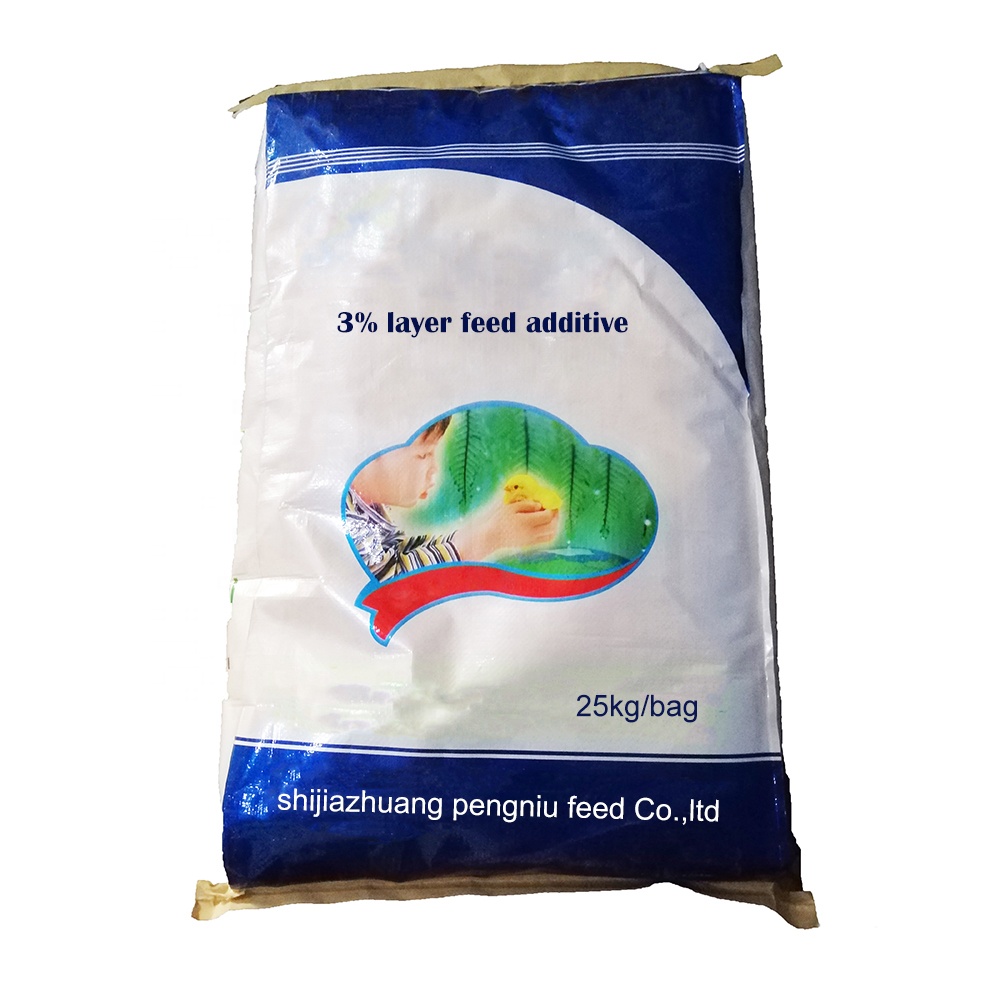
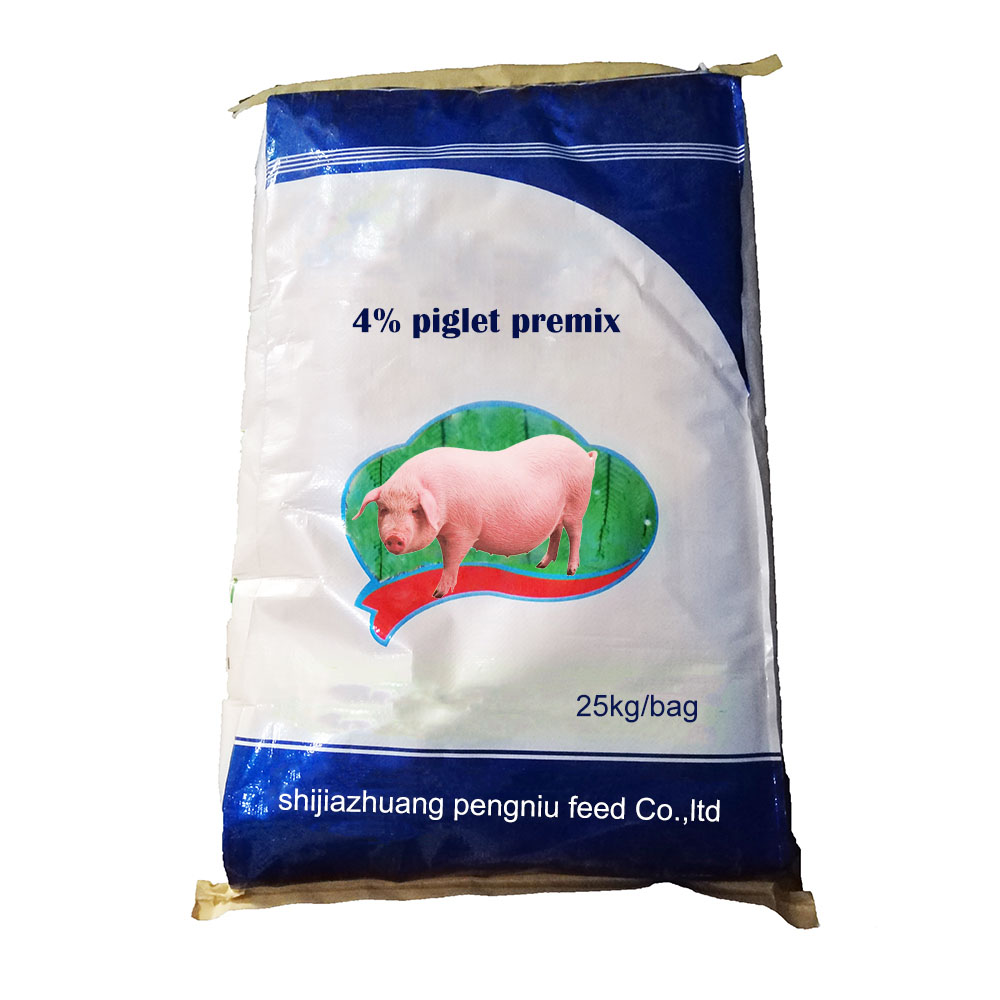
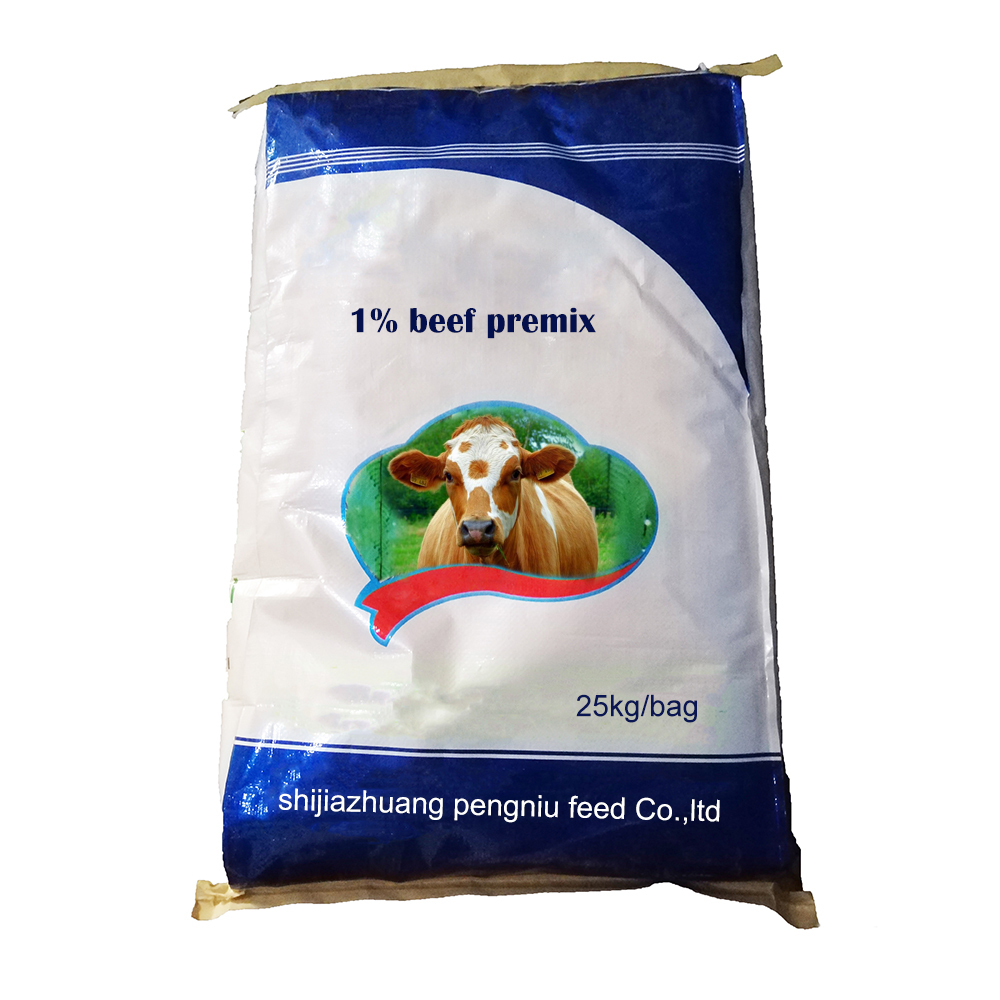
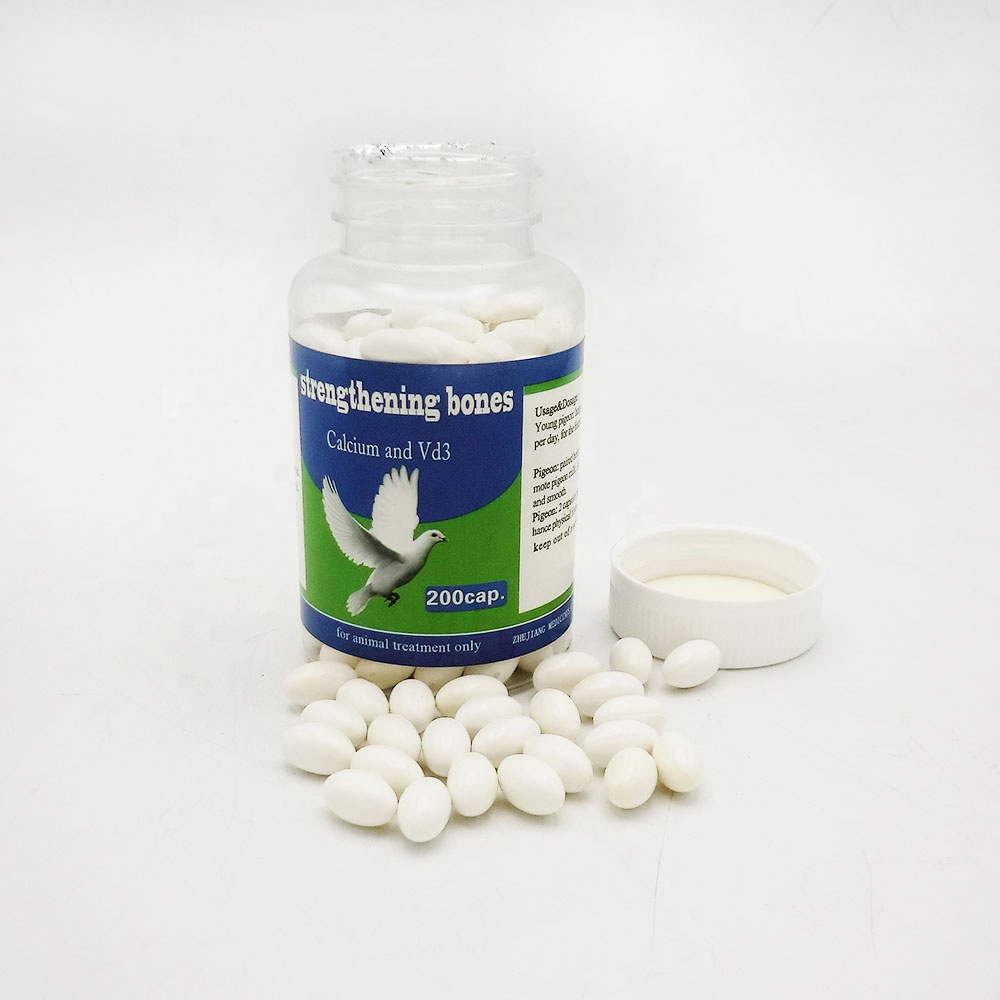
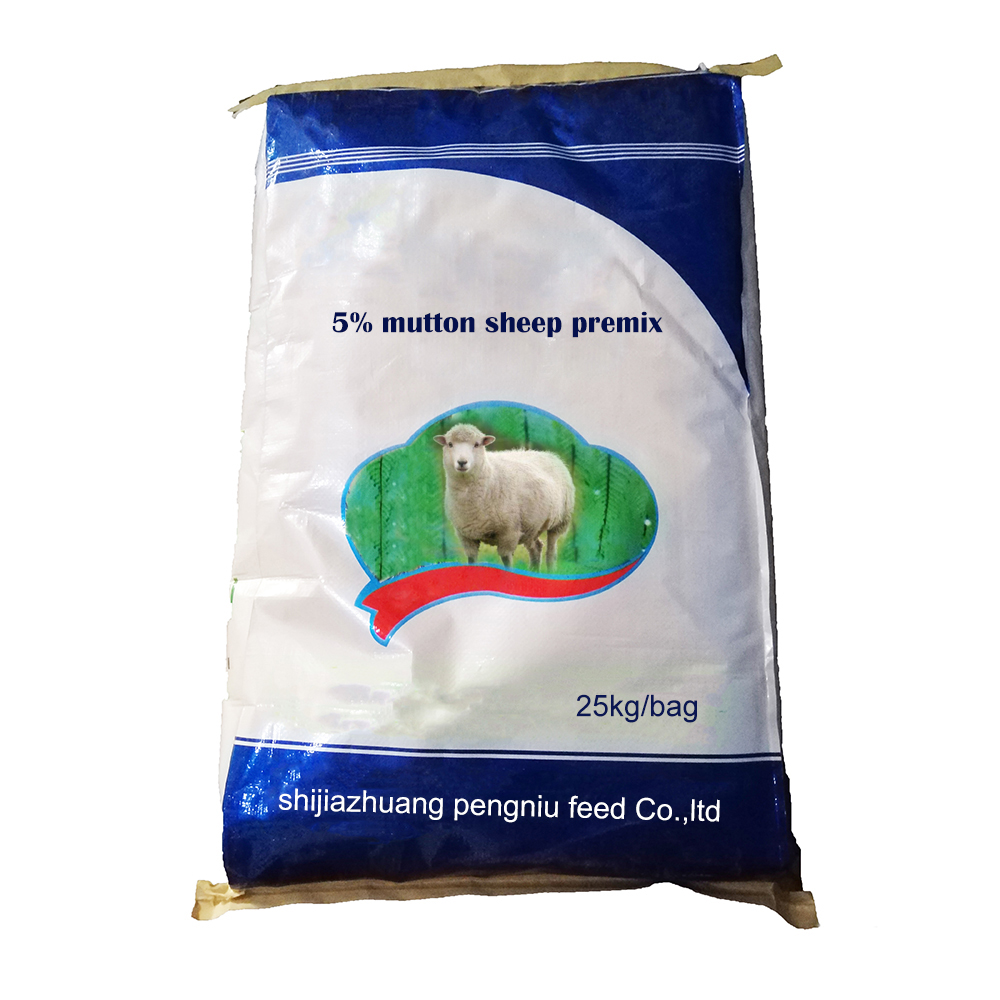
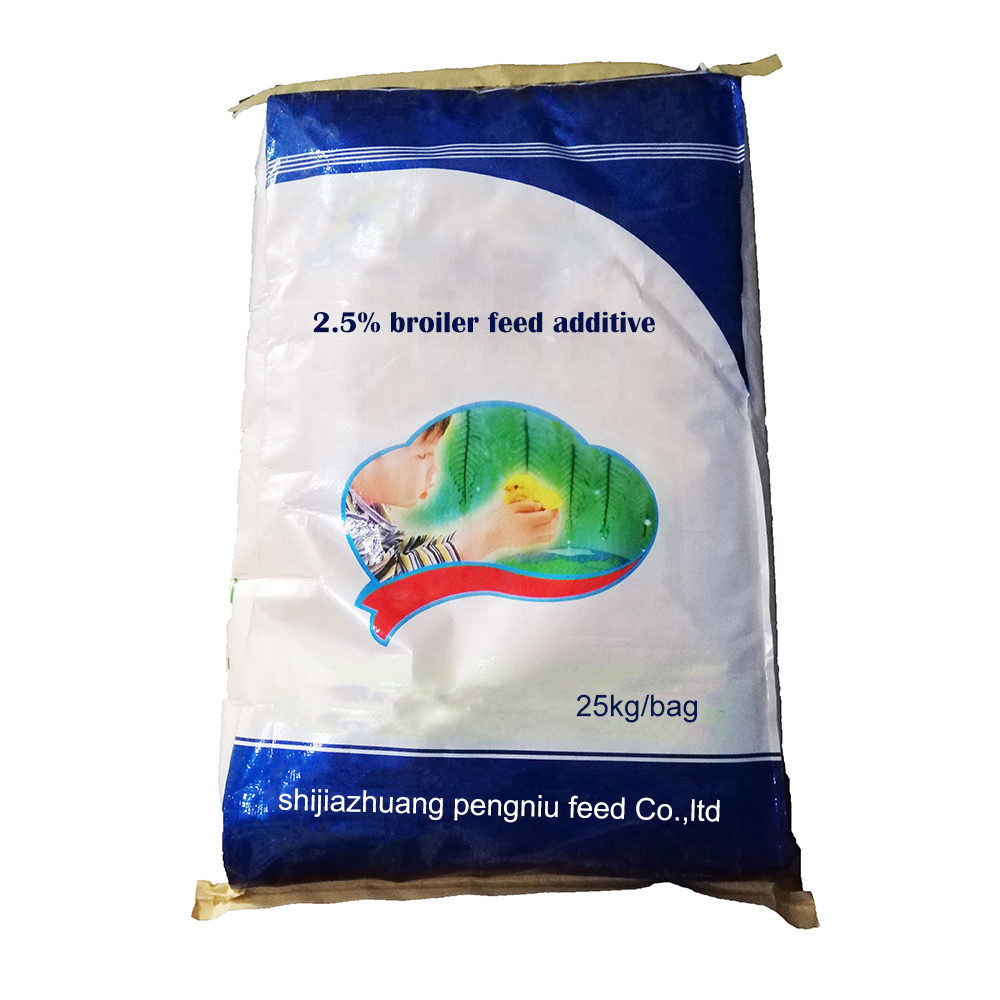
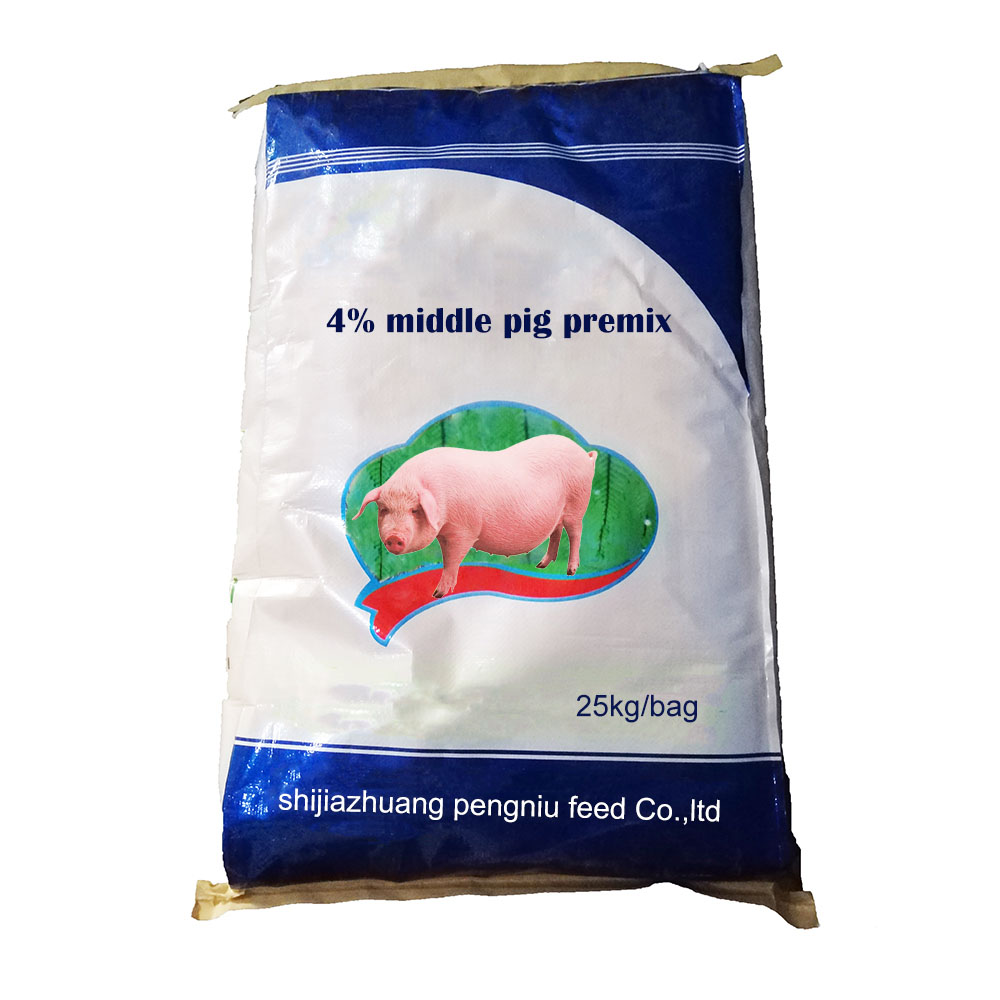
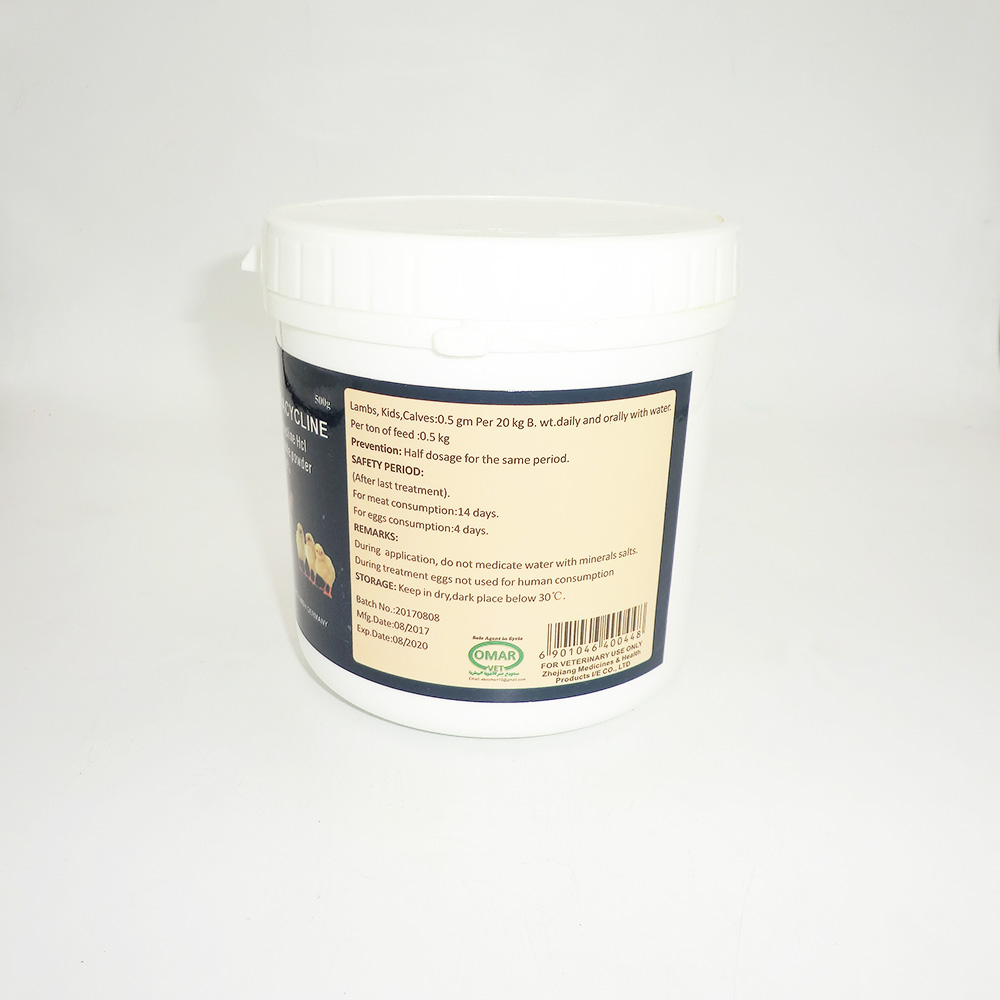
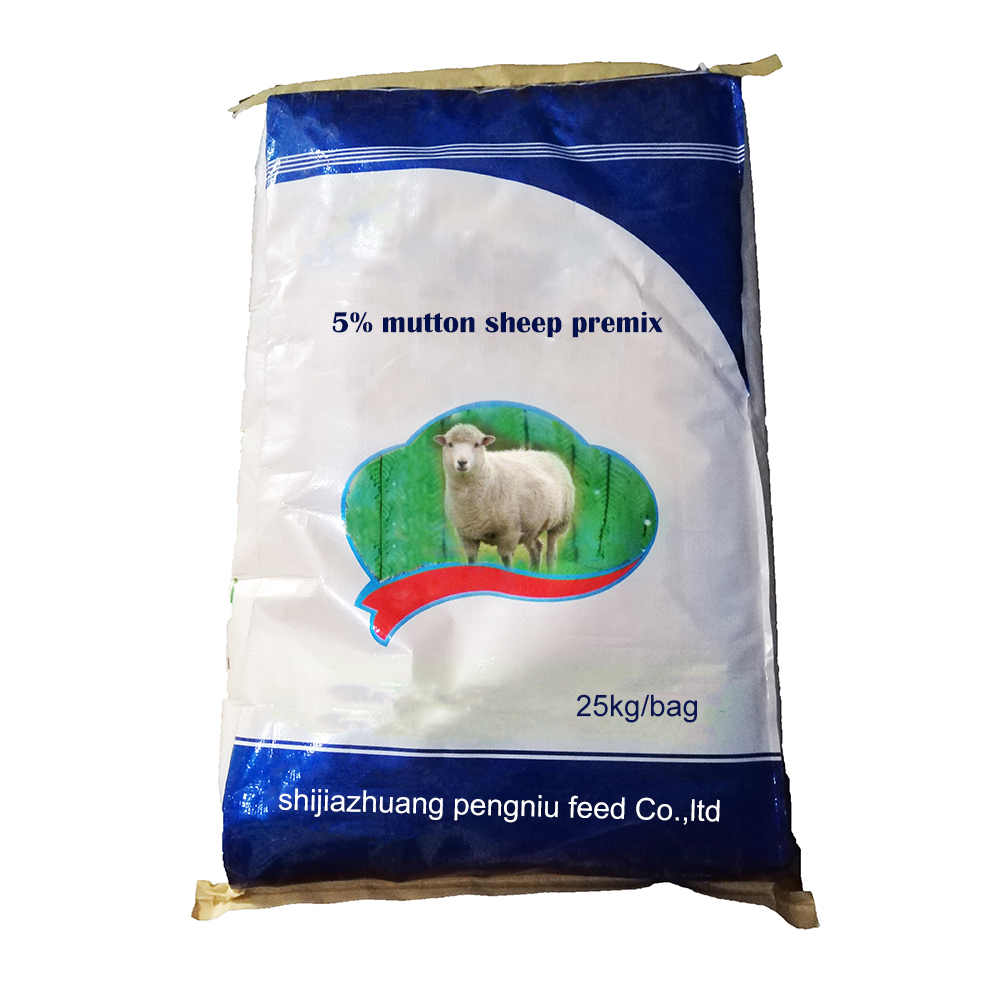
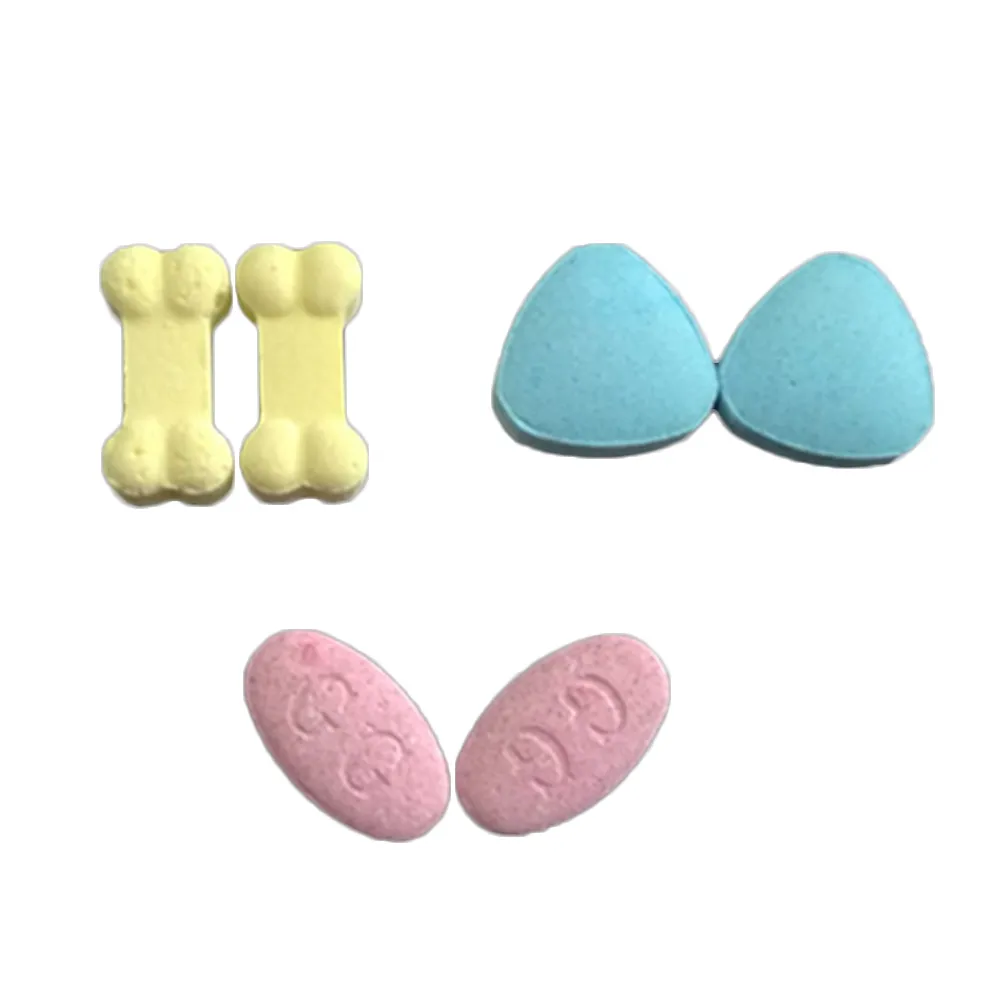
This sector includes a wide range of drugs: antibiotics, vaccines, antiparasitics, anesthetics, and nutritional supplements tailored to animals’ needs. The idea is to supply these at scale and reasonable cost, maintaining regulatory standards and cold-chain controls where needed.
In practical terms, wholesale veterinary pharmaceuticals are anchored in supporting modern agricultural and veterinary industries to protect animal health, ensure productivity, and safeguard public health through disease control. Simply put, they help keep animals — and us — healthy.
Key Components of Wholesale Veterinary Pharmaceuticals
1. Quality Control and Regulatory Compliance
Ensuring drugs meet safety standards isn’t just a box to tick. Pharmaceutical wholesalers partnering with manufacturers must adhere to ISO standards and local regulations (like the FDA or EMA equivalents for veterinary medicine) to guarantee efficacy and reduce risks of drug resistance or contamination.
2. Efficient Supply Chain & Logistics
Many veterinary drugs require temperature-controlled storage or fast turnover to maintain potency. Wholesalers need reliable cold chains, warehousing, and transport networks to distribute products especially across challenging or remote areas.
3. Range of Products
Variety matters. Wholesalers stock everything from oral antibiotics to vaccines and flea treatments, catering to different species and sectors—from dairy farms to dog clinics.
4. Cost Efficiency and Accessibility
Because farmers and vets operate on tight budgets, bulk purchasing and wholesale pricing strategies make veterinary pharmaceuticals more affordable, leading to better access and adherence to treatment regimes.
5. Customer Support and Education
Good wholesalers don’t just supply—they often provide technical advice, regulatory updates, and training initiatives to vets and farm workers to improve usage and outcomes.
Mini takeaway: These core components ensure veterinary drugs are safe, accessible, and effective across the diverse range of animal health applications worldwide.
How Wholesale Veterinary Pharmaceuticals Serve the World
You might be surprised how many places depend heavily on wholesale veterinary pharmaceuticals:
-
Agriculture in Developing Countries: In Kenya, a sizeable portion of small-scale dairy farmers rely on wholesale networks to get affordable antibiotics and vaccines to protect their herds from common diseases.
-
Disaster Relief & Disease Outbreaks: In post-flood areas, rapid deployment of large volumes of antidiarrheal and antiparasitic drugs through wholesalers helps curb animal disease that can spiral into zoonoses.
-
Urban Pet Care: Large veterinary clinics in the US and Europe count on wholesalers for continuous supply of specialized pet medications at competitive pricing.
-
Wildlife Conservation: Certain NGOs and state parks import wholesale veterinary drugs to support veterinary interventions in endangered species rehabilitation programs.
It's a complex mosaic. Around the world, wherever animals are central to livelihoods or companionship, wholesale veterinary pharmaceuticals have a seat at the table.
Advantages and Why they Matter
Besides cost savings, wholesale veterinary pharmaceuticals bring:
-
Reliability: Continuous supply chains help vets maintain uninterrupted treatments.
-
Sustainability: The sourcing and distribution focus increasingly incorporates eco-friendly packaging and reduced transport emissions.
-
Trust & Safety: Quality verification safeguards animal welfare and prevents misuse of antibiotics that threaten human health via resistance.
-
Innovation: Wholesalers facilitate the introduction of novel products like long-acting vaccines or herbal veterinary remedies adapted to local needs.
Plus, on an emotional level, better access to veterinary meds supports the dignity of farmers and pet owners alike by ensuring their animals get top-notch care.
Product Specification Table: Typical Wholesale Veterinary Pharmaceutical Product
| Specification |
Details |
| Product type |
Multispecies antibiotic injections |
| Presentation |
Vials of 100 ml, 250 ml bottles |
| Storage requirements |
Refrigerated 2°C-8°C |
| Shelf life |
24 months unopened |
| Regulatory approvals |
FDA, EMA, local Animal Drug Acts |
| Packaging |
Bulk cartons with tamper-evident seals |
| Average wholesale price |
$45 - $70 per vial |
Comparing Top Wholesale Veterinary Pharmaceutical Vendors
| Vendor |
Product Range |
Global Reach |
Cold Chain Capability |
Pricing Model |
| VetGlobal Supplies |
Broad (antibiotics, vaccines, and supplements) |
100+ countries |
Full cold chain end-to-end |
Volume discounts; contract pricing |
| AnimalCare Wholesale |
Specialized pet meds and equine products |
North America & Europe focus |
Limited cold chain options |
Subscription & one-off bulk orders |
| AgriVet Distributors |
Livestock-focused antibiotics and vaccines |
Asia, Africa, Latin America |
Cold chain partnerships abroad |
Competitive wholesale pricing |
Upcoming Innovations Shaping the Future of Veterinary Pharmaceuticals
Oddly enough, the future looks quite high-tech for wholesale veterinary pharmaceuticals:
-
Digital Supply Chain Tracking: Blockchain and IoT devices to ensure product authenticity and temperature control in real-time.
-
Green and Sustainable Packaging: Biodegradable and recyclable packaging to reduce environmental impact.
-
Long-acting & Slow Release Formulations: Minimizing dose frequency helps improve adherence in remote farms.
-
Automated Warehousing: Robotics and AI streamline inventory management and reduce errors.
Policymakers are increasingly pushing for integrated One Health approaches (tackling human, animal, and environmental health collectively), which further advances collaboration across government agencies and distributors.
Challenges and How the Industry Tackles Them
Of course, delivering wholesale veterinary pharmaceuticals isn’t all smooth sailing. The biggest hang-ups include:
-
Logistical Barriers: Poor roads, storage conditions, and intermittent power complicate cold chain requirements, especially in rural areas. Solutions involve solar-powered refrigeration and local warehouse hubs.
-
Regulatory Variability: Different countries have wildly different approval times and standards, making multi-national shipments a paperwork headache. New regional harmonization efforts are underway.
-
Antimicrobial Resistance (AMR): Overuse or misuse in animals threatens public health; wholesalers must educate buyers and implement stewardship principles.
Despite these, the sector’s evolution shows promising signs of overcoming obstacles via technology adoption and policy coordination.
FAQ: Frequently Asked Questions About Wholesale Veterinary Pharmaceuticals
- Q: How do wholesale veterinary drugs help control outbreaks of animal diseases?
- A: By supplying large volumes quickly and reliably, wholesalers enable veterinarians and farmers to access vaccines and medications to contain disease outbreaks before they spread widely.
- Q: Are wholesale veterinary pharmaceuticals regulated differently than human medicines?
- A: Yes, while some regulatory principles overlap, veterinary drugs often have separate approval processes and standards tailored to animal species and uses.
- Q: Can small farms buy directly from veterinary pharmaceutical wholesalers?
- A: Usually wholesalers sell in bulk primarily to retailers or large veterinary practices, but some do provide options for small-scale buyers, often with minimum order quantities.
- Q: What advances are wholesalers making for eco-friendly drug distribution?
- A: Many are adopting sustainable packaging, using renewable energy in cold storage, and optimizing transportation routes to reduce carbon footprints.
- Q: How can NGOs get involved in importing veterinary drugs wholesale for humanitarian projects?
- A: NGOs typically partner with reputable wholesalers who have experience in regulatory compliance and logistics to supply appropriate veterinary pharmaceuticals for their programs.
Wrapping It Up: Why Wholesale Veterinary Pharmaceuticals Matter Today and Tomorrow
So, why should we care about wholesale veterinary pharmaceuticals? Beyond the buzzword, these bulk drug suppliers are a linchpin in the global effort to promote animal health, secure food systems, and protect human populations from zoonoses — a chain of care that touches everyone, directly or indirectly.
By providing cost-effective, high-quality, and diverse medicines at scale, they empower vets and farmers worldwide to do their best work. And as the sector innovates with green solutions, smarter logistics, and stronger regulations, the benefits will only deepen.
If you're considering sourcing veterinary pharmaceuticals wholesale or want to learn more about this critical resource, I highly recommend checking out
wholesale veterinary pharmaceuticals vendors who combine expertise, quality, and global reach.
Let’s keep animals healthy, and maybe the world a bit safer too.
References
- Food and Agriculture Organization of the United Nations (FAO)
- World Bank Data on Agriculture
- Wikipedia: Veterinary medicine