Feed Additives in Poultry Nutrition PDF: Why It Matters Globally
When you think about poultry farming and how integral it is to the global food supply, the role of feed additives often slips under the radar. Yet, these tiny yet powerful components are pivotal in enhancing poultry health, growth, and sustainability — especially important as demand for poultry products soars worldwide. Understanding feed additives in poultry nutrition is more than an academic pursuit; it is a cornerstone of modern agriculture that influences food security, economic livelihoods, and animal welfare on a planetary scale.
The phrase feed additives in poultry nutrition pdf might sound technical or even boring at first glance. However, these documents compile essential insights, best practices, research findings, and regulatory guidelines that shape how poultry nutrition evolves globally. The key benefits here are quite practical: improved feed efficiency, disease resistance, and ultimately, healthier birds producing better-quality meat and eggs.
The Global Context: Why Feed Additives in Poultry Nutrition PDF Are Essential
Globally, poultry production is a rapidly growing sector; the UN Food and Agriculture Organization (FAO) estimates that poultry meat consumption will top 140 million tonnes by 2030. For producers everywhere—from small-scale farmers to industrial operations—optimizing feed formulations is crucial to meet these targets without wrecking the environment or escalating costs.
However, challenges loom large: disease outbreaks, feed ingredient shortages, antibiotic resistance, and caloric inefficiencies. That's where feed additives in poultry nutrition pdf come into play. Providing a detailed, research-backed resource enables stakeholders to tackle these issues scientifically and responsibly.
Defining Feed Additives in Poultry Nutrition
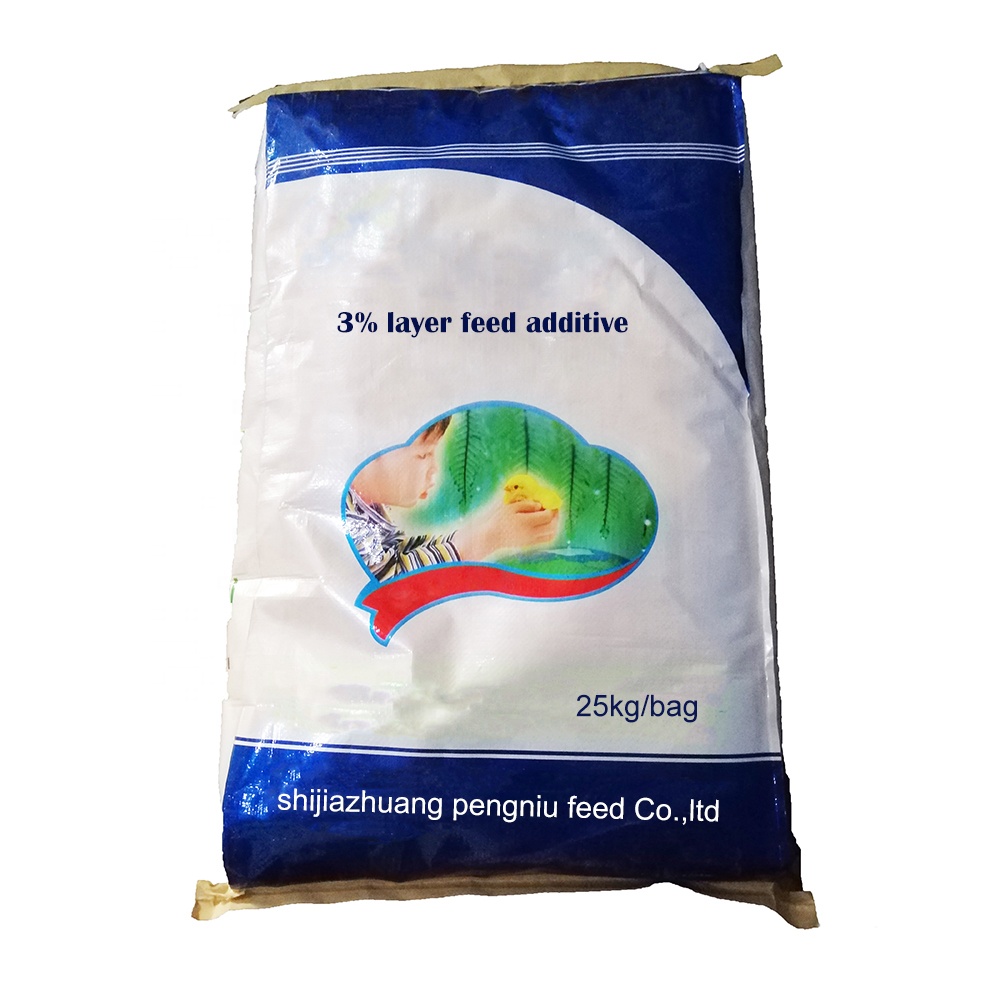
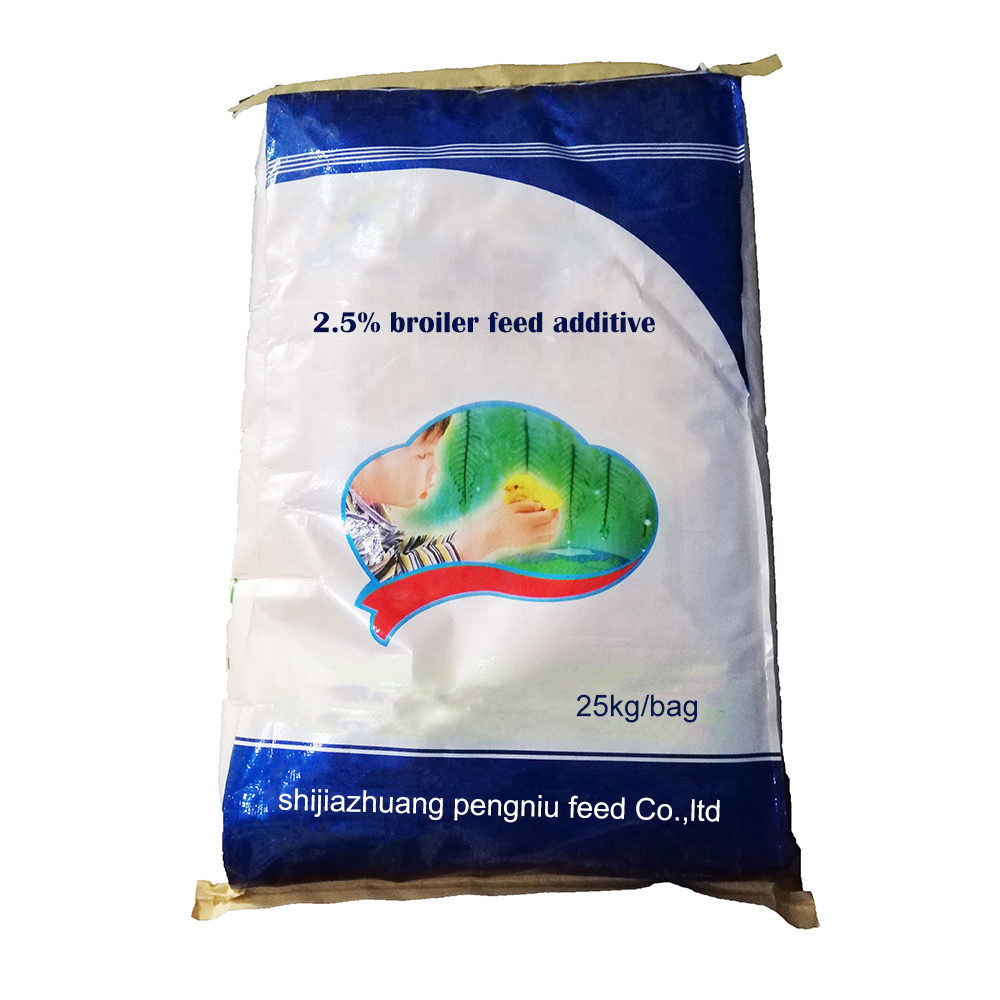
At its essence, feed additives are non-nutritive substances or microorganisms added to poultry feed to improve the nutritional value, performance, or health benefits of the flock. These include probiotics, enzymes, antioxidants, vitamins, mineral supplements, and growth promoters.
Accessing a comprehensive and authoritative feed additives in poultry nutrition pdf offers the modern poultry professional a reliable guide to selecting optimal additives, understanding modes of action, and aligning with emerging industry standards or legal restrictions worldwide. This resource connects scientific research with practical goals: healthier birds, better yields, and reduced environmental impacts.
Key Components of Feed Additives in Poultry Nutrition
1. Digestive Enzymes
These additives help break down feed ingredients, enhancing nutrient absorption and reducing feed waste. They’re often tailored depending on the feed type and bird’s growth stage.
2. Probiotics and Prebiotics
Maintaining gut health is paramount. These additives promote beneficial gut flora, improving immunity and reducing disease risk, a natural alternative to antibiotics.
3. Vitamins and Minerals
Essential micronutrients ensure proper metabolic and skeletal development, crucial for egg production and bird longevity.
4. Antioxidants
They protect tissues against oxidative stress, helping birds withstand environmental challenges.
5. Growth Promoters
Though increasingly regulated, selective use boosts weight gain and feed conversion — but with an eye on safety and legality.
Practical Applications Worldwide
Worldwide, poultry producers rely heavily on such additives. In Asia, where broiler production is booming, probiotics help combat viral infections common in dense farming. In Europe, stringent EU regulations promote antioxidant and enzyme use as safer alternatives to antibiotics.
Developing regions, with constrained access to high-quality feed ingredients, benefit from enzyme additives that improve digestibility of local feed commodities like cassava or millet. Even humanitarian agencies incorporate knowledge from feed additives in poultry nutrition pdf resources to support smallholder farmers in post-disaster zones who depend heavily on poultry for nutrition and income.
Example Table: Typical Feed Additive Specification
| Additive Type | Primary Function | Common Source | Typical Dosage |
|---|---|---|---|
| Digestive Enzymes | Enhance nutrient absorption | Fungal or bacterial extracts | 100-500 g/ton |
| Probiotics | Gut flora balance | Lactobacillus species | 1-5 billion CFU/kg |
| Vitamins & Minerals | Metabolic support | Synthetic & natural sources | Varies by type |
| Antioxidants | Protect cellular integrity | Vitamin E & selenium | 50-200 mg/kg |
The Advantages: More Than Just Metrics
Adopting feed additives thoughtfully results in:
- Cost Efficiency: Improved feed conversion means faster growth with less feed, stretching budgets further.
- Sustainability: Less waste and lower environmental footprint align with global climate goals.
- Animal Welfare: Healthier birds with stronger immunity promote ethical farming practices.
- Food Safety: Reduced antibiotic reliance builds consumer trust and reduces risk of resistance.
Emotionally, producers experience peace of mind. Knowing their flock is healthy, robust, and meeting market demand safely is no small thing. Feed additives are more than additives — they are investments in trust, innovation, and dignity for farmers worldwide.
Innovations Driving the Future of Poultry Feed Additives
The future is exciting (and quickly approaching). Nanotechnology is opening doors for more precise nutrient delivery. Digital monitoring tech combined with AI algorithms promises optimized dosage and timing for additives, maximizing efficacy while minimizing waste.
Moreover, regulatory frameworks are tightening around antibiotic alternatives, making natural additives like plant extracts and enzyme blends more attractive and crucial. Sustainability will dominate research, with a focus on reducing the carbon footprint of poultry operations through feed innovation.
Common Challenges & Solutions
Challenges still swirl around inconsistent additive quality, supply chain disruptions, and regional regulatory variability. Plus, some additives might not perform uniformly across diverse production environments.
Experts recommend robust supplier vetting, continuous on-farm trials, and regional data-sharing platforms (like those detailed in feed additives in poultry nutrition pdf) to tailor strategies locally. Product traceability and integrated digital platforms are also gaining traction to bridge these gaps.
FAQ: Common Questions About Feed Additives in Poultry Nutrition PDF
- Q: How do feed additives contribute to poultry disease prevention?
- Feed additives such as probiotics support the gut microbiome, enhancing immunity to pathogens naturally and reducing disease incidence, which lessens the need for antibiotics.
- Q: Can feed additives improve feed conversion ratios significantly?
- Yes, enzymes and growth promoters can enhance nutrient utilization, resulting in better weight gain and less feed waste, which improves overall feed conversion.
- Q: Are there any safety concerns with synthetic additives?
- When used according to guidelines found in expertly compiled PDFs, synthetic additives are safe. Regulatory agencies monitor their use to minimize risks to birds and humans.
- Q: How can small-scale farmers access reliable feed additive information?
- Resources like feed additives in poultry nutrition pdf offer free or low-cost knowledge. Extension services and NGOs often assist in interpreting these for local contexts.
- Q: What trends should a poultry farmer watch for?
- Increasing focus on sustainability, alternatives to antibiotics, and digital tools for feed management are key trends impacting future additive use.
Vendor Comparison: Popular Feed Additive Providers
| Vendor | Product Range | Geographic Reach | Special Features | Price Level |
|---|---|---|---|---|
| NutriPro Solutions | Enzymes, probiotics, vitamins | Global (focus: Asia, Europe) | Custom formulations, rapid delivery | Medium |
| AvianTech | Natural antioxidants, growth promoters | Europe & Americas | Focus on antibiotic alternatives | High |
| EcoFeed Labs | Probiotics, sustainable feed enhancers | Global with developing country emphasis | Focus on sustainability and traceability | Medium-Low |
Final Reflections
So, does diving into a feed additives in poultry nutrition pdf really make a difference? Absolutely. It’s not just about the science tucked inside but the new conversations they spark for farms big and small, the sustainability stories they enable, and the trust they build with consumers worldwide. As poultry nutrition evolves, feed additives remain quietly central—adaptable tools for a future that must feed more, waste less, and care much better.
Curious to dive deeper or get the latest resources? Visit https://www.rcpetfood.com for comprehensive guides, downloadable PDFs, and specialist advice.
References
Post time: November 23, 2025