Understanding Feed Additives in Animal Nutrition: Why It Matters Globally
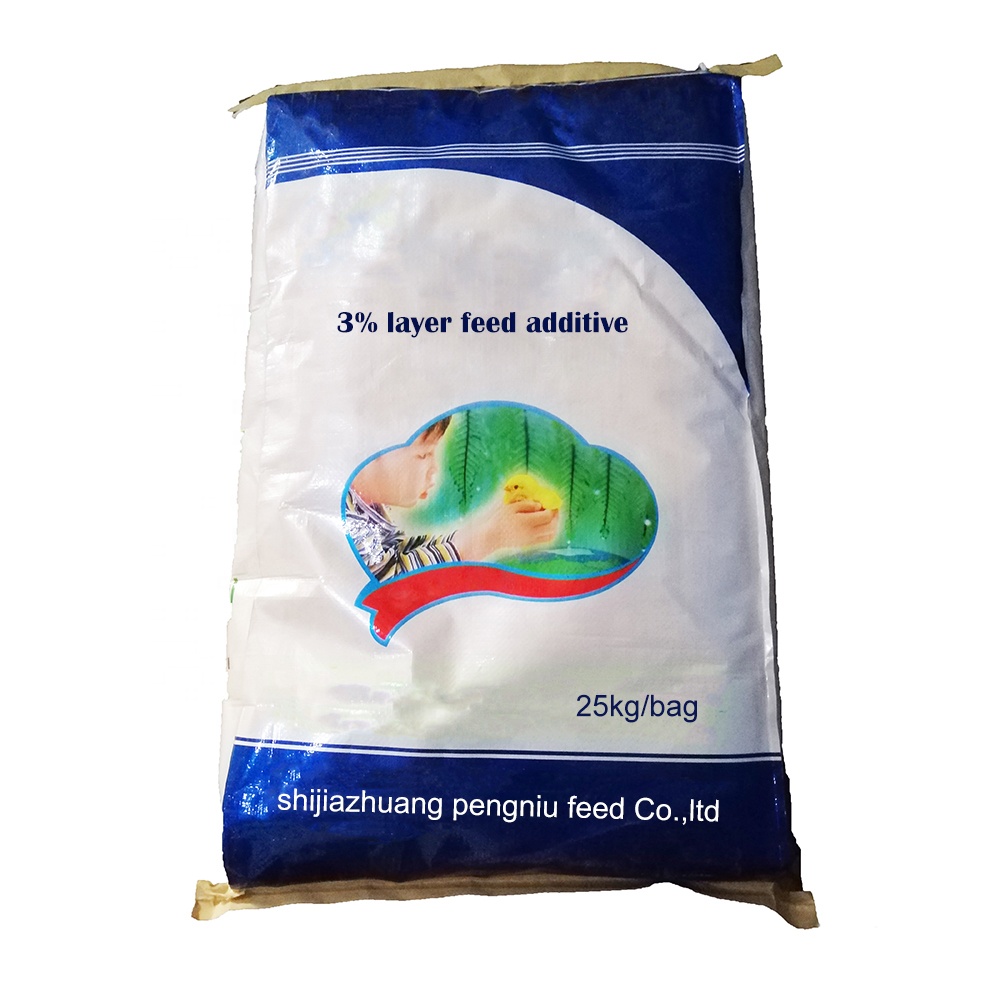
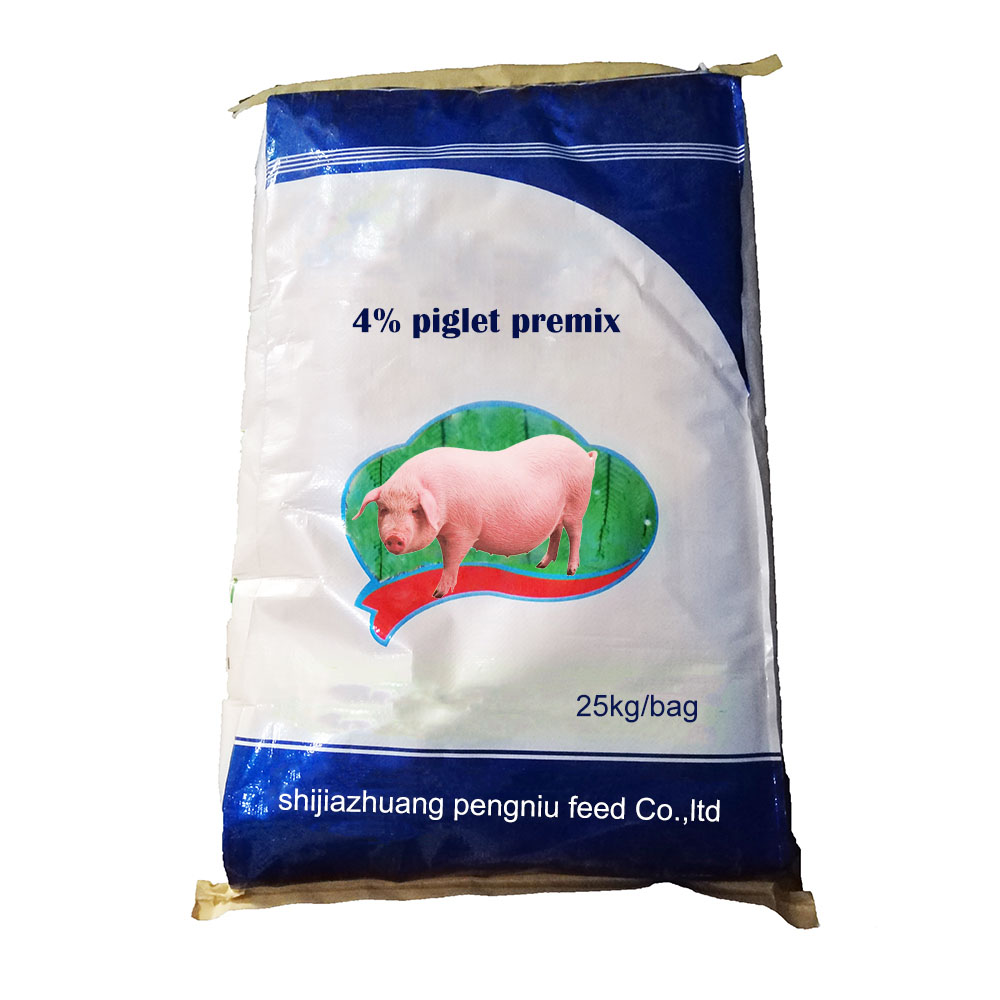
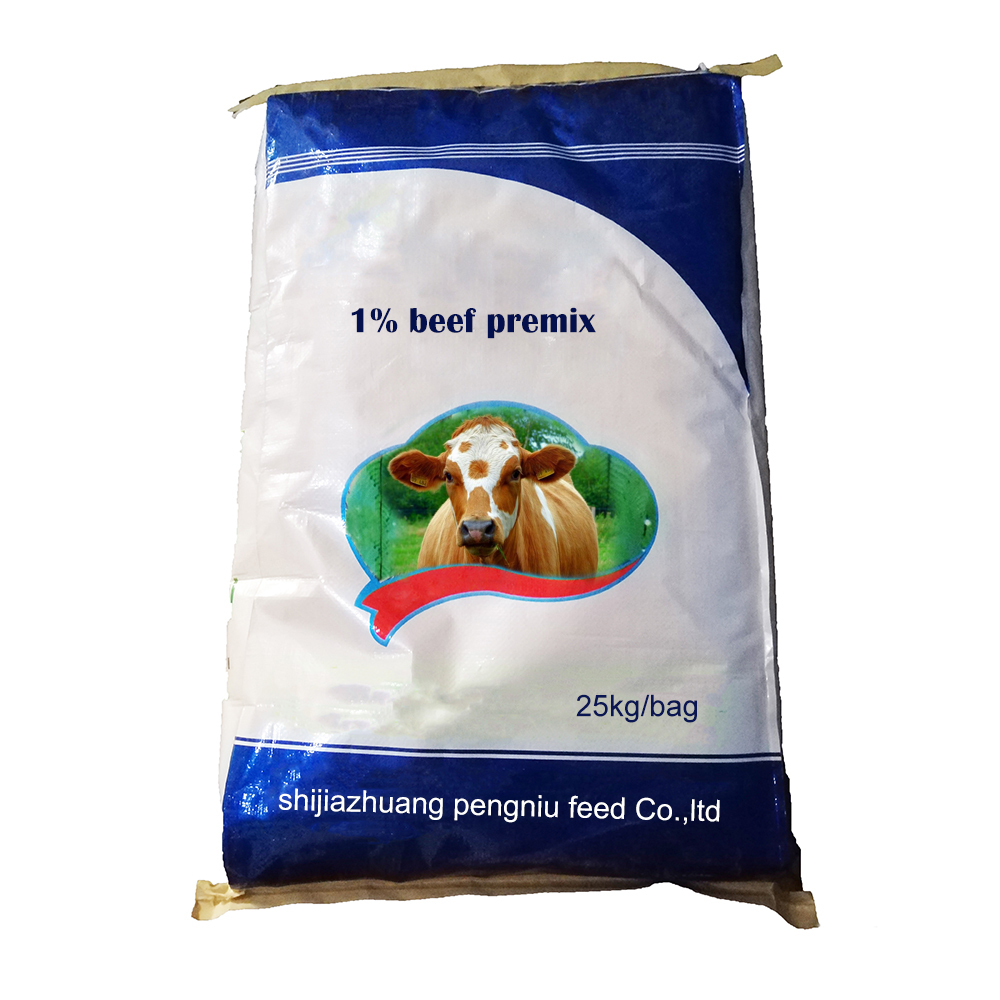
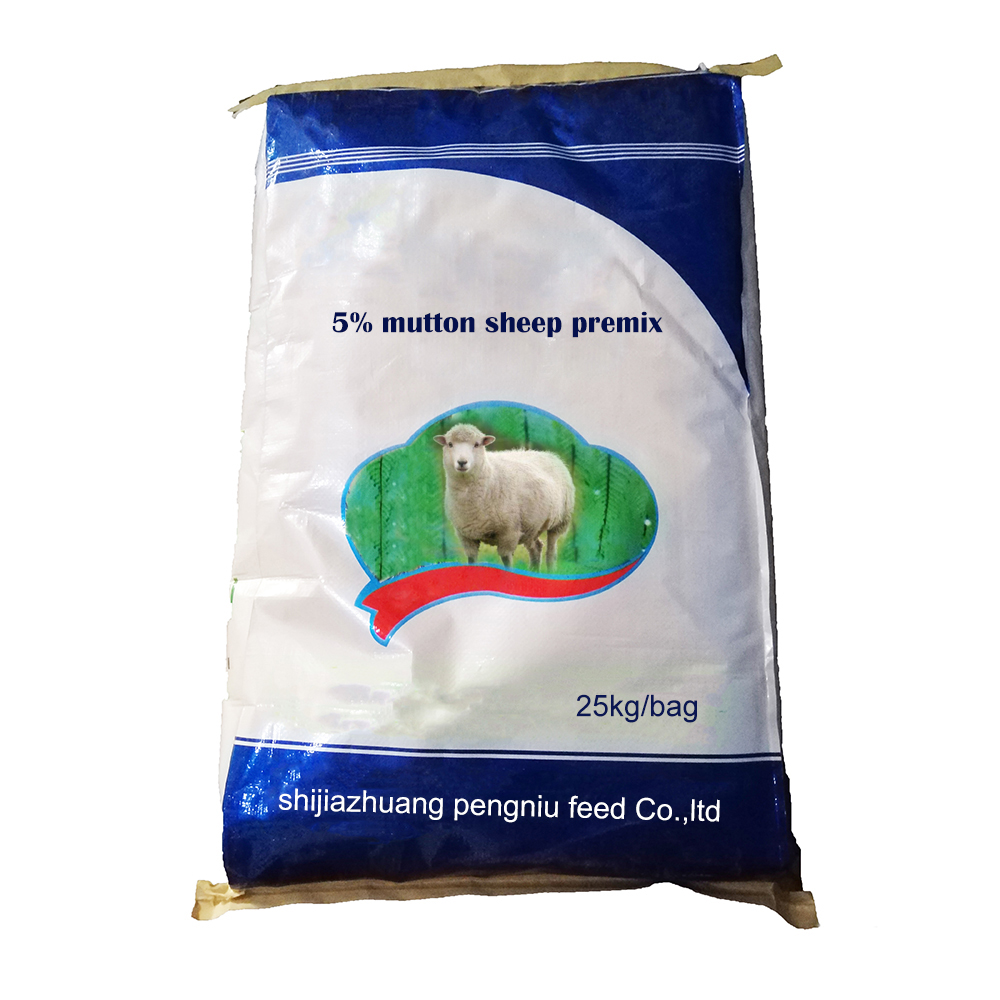
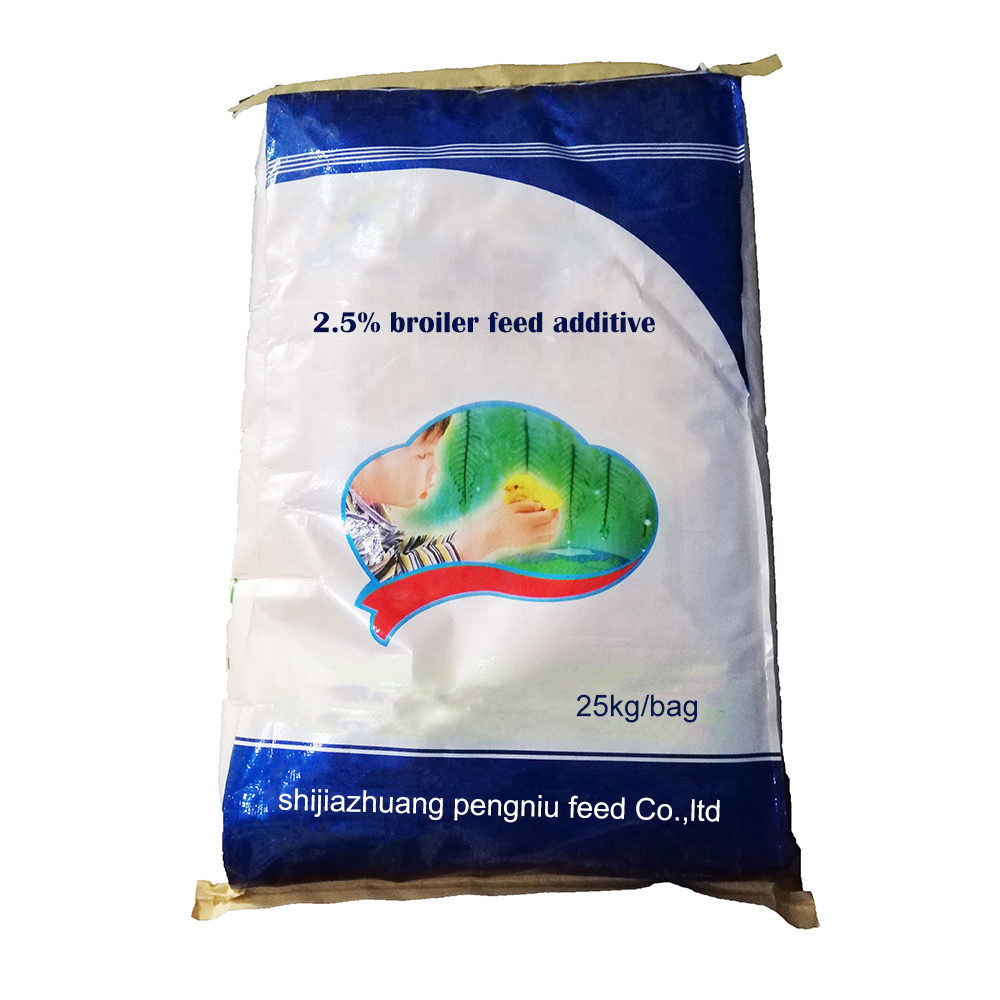
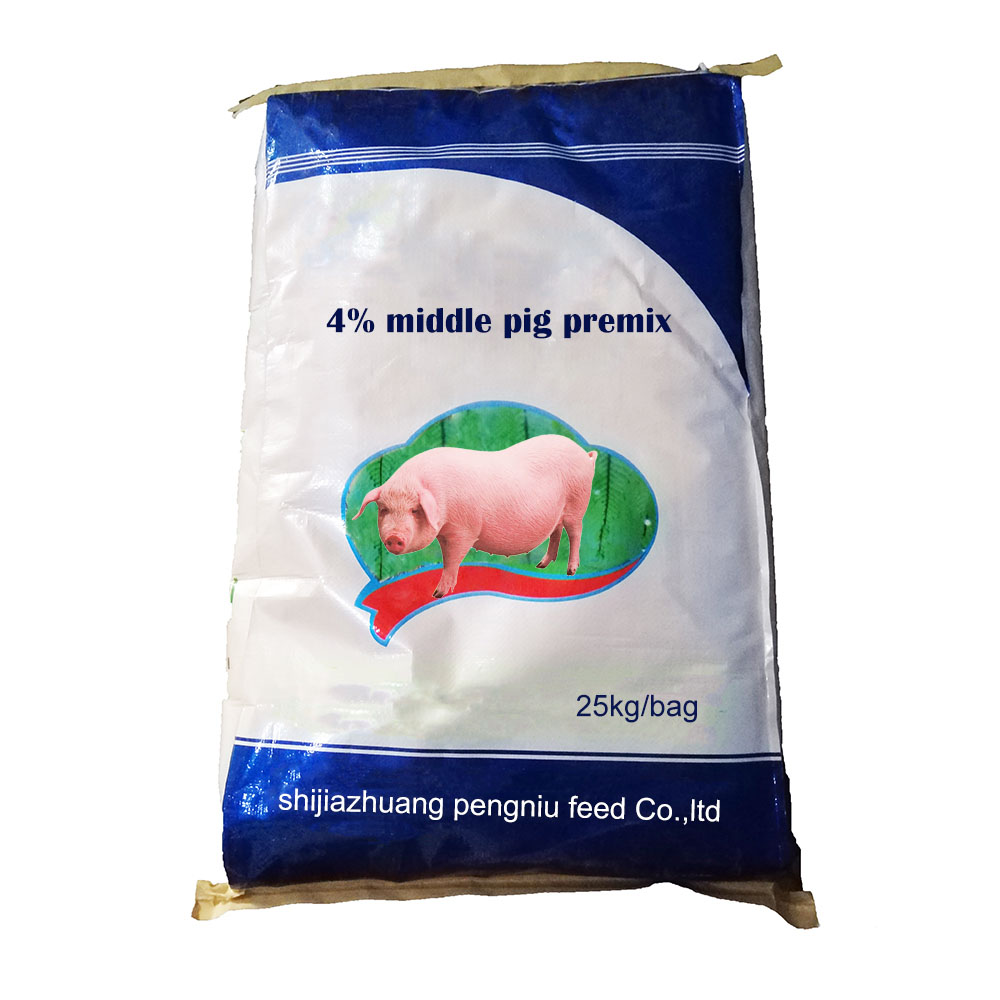
Feed additives are often behind-the-scenes heroes in animal nutrition, yet their impact is anything but minor. These substances enhance animal feed formulations, boosting growth, improving health, and bolstering productivity. Globally, with livestock production accounting for nearly half of agricultural output (FAO 2022), understanding feed additives in animal nutrition pdf materials or detailed guides becomes key for farmers, nutritionists, and agribusinesses alike. After all, why settle for anything less than optimized nutrition when the stakes involve food security, sustainable farming, and economic stability in rural communities?
This article breaks down the essentials—why feed additives are fundamental, the science behind them, and the latest real-world applications and innovations that keep our food chains resilient.
Global Overview: The Rising Relevance of Feed Additives in Animal Nutrition
Let’s take a step back to get some perspective. Globally, the livestock sector feeds over 1.3 billion people directly through meat and dairy. But it also faces challenges: fluctuating feed costs, disease outbreaks, and the pressing need to reduce environmental footprints. According to the United Nations Food and Agriculture Organization (FAO), optimizing animal nutrition is one of the most sustainable ways to increase productivity without expanding agricultural land.
Yet, raw feed alone often falls short nutritionally. That’s where feed additives come in, providing targeted benefits: from enzymes and probiotics to antioxidants and vitamins. The availability of comprehensive feed additives in animal nutrition pdf documents enables stakeholders worldwide to stay informed on usage protocols and regulations—a vital resource in tackling practical challenges like antibiotic resistance or nutrient deficiencies.
What Exactly Are Feed Additives? A Simple Definition
In the most straightforward terms, feed additives are natural or synthetic substances added to animal diets to improve feed quality, safeguard health, or enhance performance. They’re not feed themselves—think of them as the secret sauce that amplifies feed energy or nutritional efficiency.
Their connection to today’s modern livestock industry is tight-knit. Growing demand for sustainable animal protein has pushed nutritionists to refine feeds continuously. Feed additives have become indispensable tools to reduce environmental waste (e.g., methane emissions), improve gut health, and support immune systems in intensive farming setups.
Key Components of Feed Additives — What to Look For
1. Digestive Enhancers (Enzymes & Probiotics)
Feed enzymes help break down complex feed ingredients, increasing nutrient absorption and reducing waste. Probiotics stabilize gut flora, supporting digestion and immunity—critical where antibiotics are limited.
2. Vitamins and Minerals
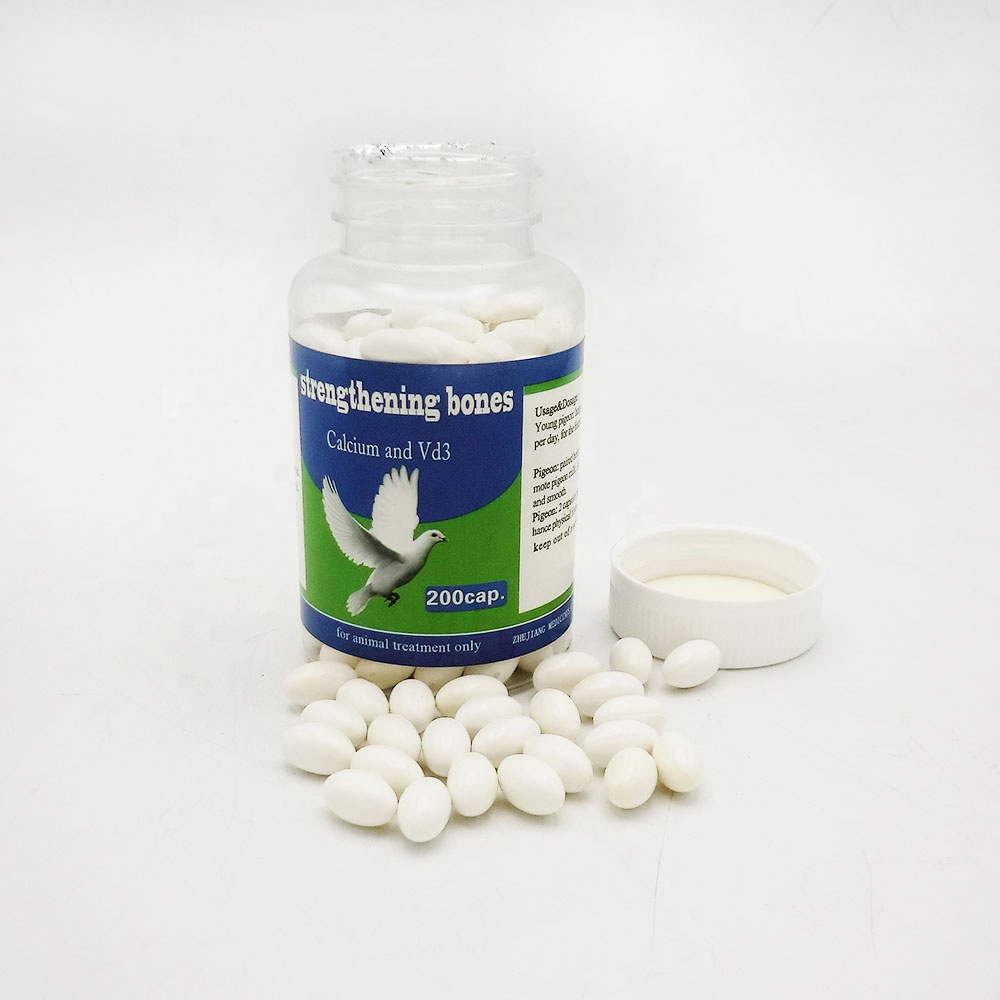
Essential micronutrients that maintain metabolic functions, growth, and reproduction. Naturally deficient feed ingredients get balanced out by these additives.
3. Antioxidants
They protect animal cells from oxidative damage, often caused by stress or environmental factors, thus supporting longevity and product quality.
4. Flavor Enhancers and Palatability Agents
Sometimes overlooked, these additives ensure animals readily consume the feed, reducing waste and improving intake consistency.
5. Growth Promoters
Non-antibiotic promoters boost growth rates through nutrient efficiency and improved gut health, key for sustainable production.
Mini takeaway: Effective feed additives combine biochemical know-how with practical applications, shaping healthier and more productive animal populations worldwide.
How Feed Additives Are Shaping Global Animal Nutrition Practices
When we think of feed additives globally, it’s impossible not to notice their widespread adoption—from high-tech farms in Europe and North America to emerging livestock operations in Africa and Asia.
For instance, in post-disaster relief operations, robust nutritional feed plans incorporating additives foster animal resilience quickly, helping communities rebound. Meanwhile, in remote industrial zones in Australia or the US, customized additive packages optimize feed efficiency in challenging climates.
International dairy cooperatives and poultry farms harness these additives to reduce disease risk and boost milk and egg yields. The demand has even spurred the growth of online knowledge hubs with downloadable guides like the feed additives in animal nutrition pdf format, ensuring best practices reach smallholders and large producers alike.
Product Specification Table: Typical Feed Additive Categories
| Additive Type | Primary Function | Source | Typical Application |
|---|---|---|---|
| Enzymes (e.g., phytase) | Enhance nutrient breakdown | Microbial fermentation | Poultry, swine, ruminants |
| Probiotics | Balance gut flora | Bacteria cultures | Ruminants, monogastrics |
| Vitamins & Minerals | Prevent deficiencies | Various synthetic & natural | All livestock |
| Antioxidants | Cellular protection | Natural extracts (vitamin E) | Dairy & meat production |
Comparing Global Vendors: What to Expect When Choosing Additives
| Vendor | Product Variety | Regional Availability | Certifications | Value-Add Services |
|---|---|---|---|---|
| FeedAdd Inc. | Extensive (enzymes, probiotics, minerals) | Global (North America, Europe, Asia) | ISO 22000, GMP | Technical support, formulation consultation |
| NutriFeeds Global | Specialized in vitamins & antioxidants | Europe, Africa | ISO 9001, Organic certifications | Training programs, webinar series |
| ProBio FarmTech | Focused on probiotics and enzymes | Asia-Pacific, Latin America | FDA compliant | On-site audits, R&D partnerships |
Advantages and Long-Term Value of Using Feed Additives
Everyone loves a win-win, and here feed additives deliver on several fronts. In cost terms, better nutrient uptake means farmers save money on feed while achieving faster growth or lactation cycles. Sustainability benefits arise as additives reduce nitrogen and phosphate waste, lowering environmental loads.
Besides the numbers, there’s a human side: healthier livestock means safer food, which translates into confidence and trust on all sides—farmers, consumers, regulators. It’s a subtle but powerful social contract where innovation supports dignity and resilience.
The Road Ahead: Future Trends and Innovations
Looking forward, the feed additive industry is brewing exciting developments. Green energy-powered production, nano-encapsulation for precise nutrient delivery, and AI-driven formulation design promise smarter, cleaner, more customized solutions.
Policies tightening antibiotic usage further push innovation toward natural alternatives and functional additives. Digital tools integrated with IoT sensors on farms are anticipated to optimize feed additive dosing realtime – reducing waste and maximizing gains.
Challenges and Solutions: Navigating Common Pitfalls
It’s not all smooth sailing, of course. Additive efficacy can vary depending on feed ingredient variability and animal species differences. Regulatory landscapes differ widely, posing compliance challenges for international operators.
However, expert consultants and real-time monitoring increasingly help tailor solutions to specific environmental and operational contexts. Plus, open-access resources such as the feed additives in animal nutrition pdf archives are clearing knowledge gaps for many producers.
FAQ: Common Questions About Feed Additives in Animal Nutrition
- Q: What benefits do probiotics provide over antibiotics in animal feed?
A: Probiotics encourage healthy gut microbiota and improve digestion without contributing to antibiotic resistance, making them vital in sustainable animal nutrition. - Q: How do feed additives affect environmental impacts?
A: Additives like enzymes reduce nutrient excretion, lowering pollution risks and improving overall farm sustainability metrics. - Q: Can small-scale farmers access feed additive knowledge easily?
A: Yes, downloadable resources such as feed additives in animal nutrition pdf guides and extension services facilitate widespread adoption. - Q: Are there any risks of overusing feed additives?
A: Overuse can disrupt animal health or cause regulatory violations; hence, precise formulation and expert advice are critical. - Q: How is technology improving feed additive effectiveness?
A: Innovations like nano-encapsulation and IoT-based feed monitoring personalize additive use to animal needs and optimize results.
In Conclusion: Why the Details Matter
So, whether you're a nutritionist, farmer, or supply chain manager, diving into the nuances of feed additives in animal nutrition pdf files and studies pays long-term dividends. They’re a blend of science, technology, and tradition solving real-world problems from food security to environmental care.
To stay ahead in this ever-changing landscape, it’s worth bookmarking reliable sources and keeping tabs on emerging trends. Seriously, a few informed tweaks in feed additive choices can change outcomes dramatically—saving money, nurturing animals better, and building a more sustainable agriculture future.
Curious to learn more? Visit us at: https://www.rcpetfood.com for guides, updates, and expert insights.
References
Post time: November 22, 2025