Ivermectin Drench for Chickens: A Comprehensive Guide
Maintaining the health of your flock is paramount for any chicken keeper. Parasites, both internal and external, can significantly impact a chicken’s wellbeing, leading to decreased egg production, weight loss, and even mortality. Ivermectin drench for chickens is a commonly used medication to combat a variety of parasitic infections. This guide will provide a detailed overview of ivermectin, its uses, administration, and important safety considerations. Understanding how to properly use this medication is vital for keeping your chickens healthy and productive.
What is Ivermectin and How Does it Work?
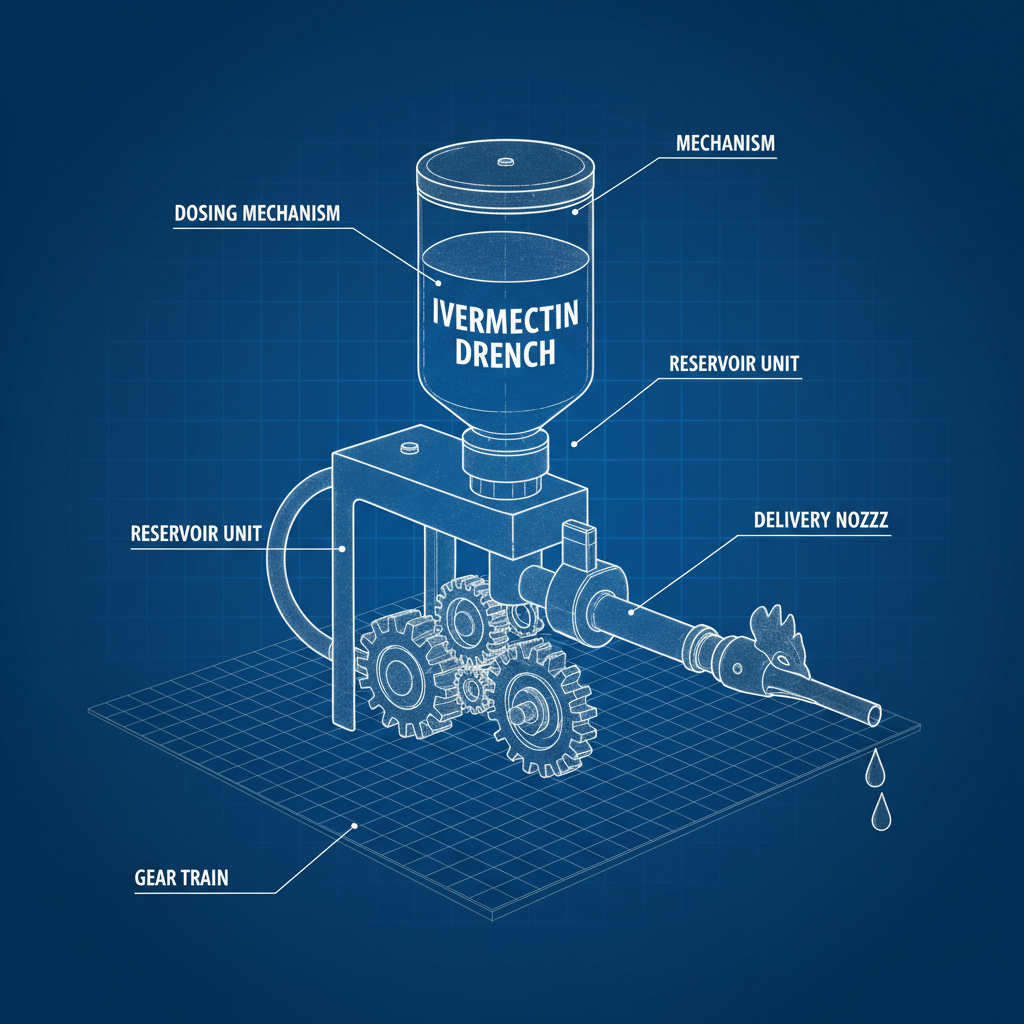
Ivermectin is a broad-spectrum antiparasitic drug that’s effective against internal and external parasites. It works by disrupting the nervous system of parasites, leading to paralysis and ultimately, their death. For chickens, ivermectin is particularly useful in treating infestations of roundworms, gapeworms, red mites, and lice. It's crucial to understand that ivermectin is not an antibiotic and will not treat bacterial infections. The drug is typically administered as an oral drench, and its effectiveness relies on accurate dosage and proper administration. RC Pet Food offers high-quality ivermectin solutions specifically formulated for poultry.
Key Highlights: Ivermectin paralyzes parasites, leading to their death. It is effective against a range of internal and external chicken parasites, but is not an antibiotic.
Common Parasites Ivermectin Targets in Chickens
Several parasitic infections can plague chickens, and ivermectin is an effective treatment for many of them. Some of the most common include:
- Roundworms: These intestinal parasites can cause weight loss, anemia, and reduced egg production.
- Gapeworms: These parasites infect the trachea, causing breathing difficulties and potentially suffocation.
- Red Mites: These external parasites feed on chicken blood, causing anemia, stress, and reduced egg production. They often hide in the coop.
- Lice: Similar to mites, lice feed on feathers and skin, causing irritation and feather damage.
Regular preventative treatments with ivermectin can significantly reduce the risk of these infestations and maintain a healthy flock.
Parasite Prevention Benefits:
• Reduced weight loss and anemia
• Improved egg production
• Decreased stress on the flock
• Minimized feather damage
Ivermectin Drench for Chickens: Dosage and Administration
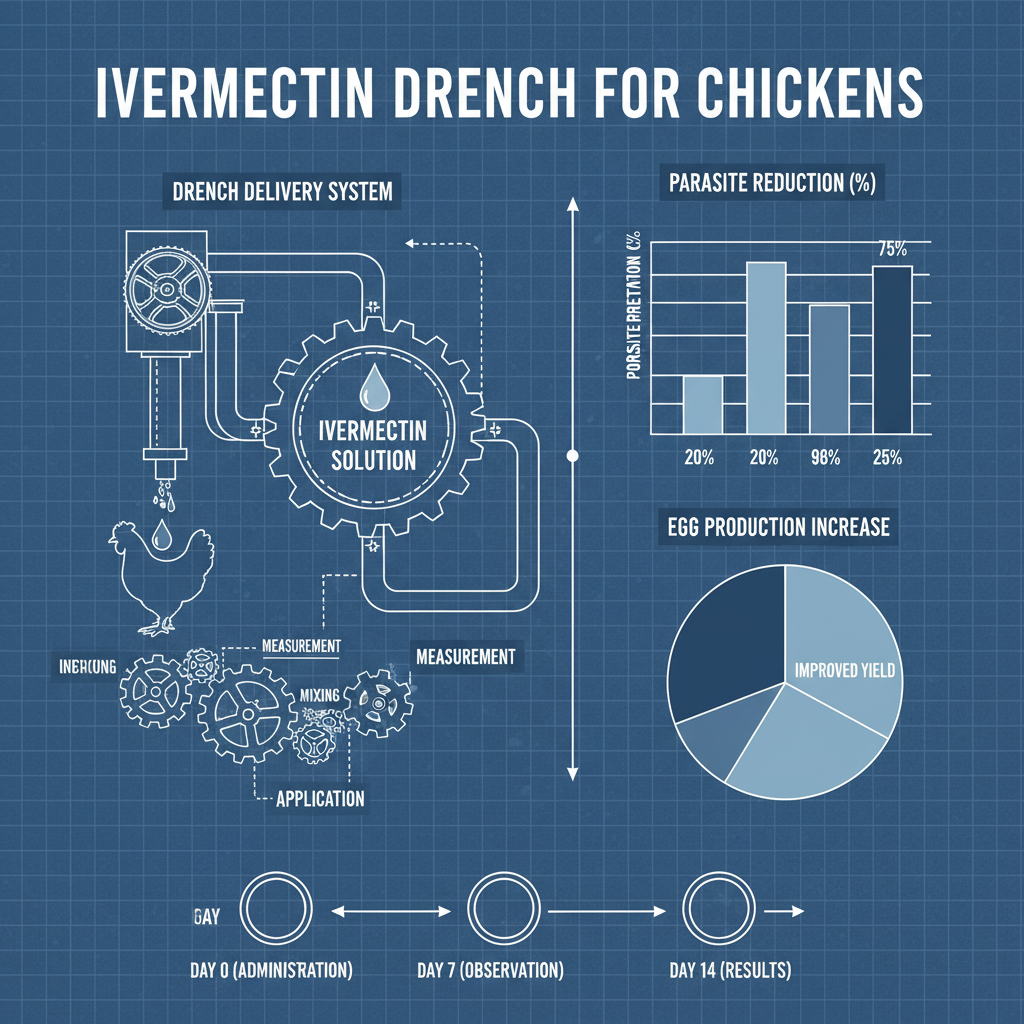
Correct dosage is absolutely critical when administering ivermectin. Overdosing can be toxic, while underdosing may not be effective. The standard dosage is typically 0.1% ivermectin, diluted in water, and administered orally. Always refer to the product label for specific instructions as concentrations can vary. A common guideline is 1 ml of 1% ivermectin per 4 kg of body weight, diluted to 0.1% concentration. This is typically done by mixing 1ml of 1% ivermectin with 9ml of water.
Important Safety Considerations and Withdrawal Period
While ivermectin is generally safe when used correctly, it's essential to be aware of potential risks. Never exceed the recommended dosage. Avoid administering ivermectin to chickens that are laying eggs, as it can potentially leave residues in the eggs. A withdrawal period of at least 7 days is recommended before consuming eggs after treatment. Always wear gloves and protective eyewear when handling ivermectin. Store the product in a safe place, out of reach of children and animals. Contact a veterinarian if you observe any adverse reactions in your chickens, such as lethargy, loss of appetite, or difficulty breathing.
Conclusion: Protecting Your Flock with Ivermectin
Using ivermectin drench for chickens effectively requires understanding proper dosage, administration, and safety precautions. By following these guidelines, you can protect your flock from common parasitic infections and ensure their health and productivity. Remember, preventative care is crucial for maintaining a thriving chicken coop.
Frequently Asked Questions (FAQs)
Can I use ivermectin on chicks?
Generally, it is not recommended to administer ivermectin to chicks under 6 weeks of age. Their systems are still developing, and they may be more sensitive to the drug. Always consult with a veterinarian before administering any medication to young chicks. It's essential to ensure the chicks are strong and healthy enough to tolerate the treatment. Using ivermectin on very young chicks can potentially cause adverse reactions.
What is the egg withdrawal period after ivermectin treatment?
The recommended egg withdrawal period after administering ivermectin is typically 7 days. This means you should not consume eggs from treated chickens for at least one week to ensure no drug residue is present. It's crucial to strictly adhere to the withdrawal period to avoid any potential health risks. Always check the product label for specific instructions, as withdrawal periods may vary.
How often should I treat my chickens with ivermectin?
The frequency of ivermectin treatment depends on the parasite load and your flock’s overall health. A typical preventative schedule involves treating all chickens every 3-6 months. However, if you observe signs of a parasitic infestation, you may need to treat more frequently, following a veterinarian’s recommendation. Regular fecal testing can help determine if treatment is necessary. RC Pet Food can provide guidance on establishing a suitable treatment schedule.
Post time: February 11, 2026