Cattle feed concentrate is a cornerstone of modern livestock production, playing a vital role in ensuring efficient and sustainable meat and dairy supplies globally. As populations grow and demand for protein increases, optimizing feed efficiency becomes paramount. This concentrate, typically a blend of energy sources, proteins, vitamins, and minerals, is designed to provide cattle with a nutritionally complete diet, enhancing growth rates, improving milk production, and bolstering overall animal health. Understanding the nuances of cattle feed concentrate is crucial for farmers, ranchers, and industry professionals seeking to maximize productivity and profitability.
The global demand for cattle feed concentrate is directly linked to the burgeoning global population and the changing dietary preferences towards increased meat and dairy consumption. According to the Food and Agriculture Organization of the United Nations (FAO), global meat production is projected to increase substantially in the coming decades. This growth necessitates innovative feeding strategies and high-quality feed concentrates. Simultaneously, pressures surrounding land use, water resources, and environmental sustainability are driving a need for more efficient and responsible feed production methods.
Effectively utilizing cattle feed concentrate is no longer simply about maximizing yield, but about doing so in a way that is environmentally responsible and economically viable. The concentrate, when formulated correctly, reduces feed waste, minimizes methane emissions, and optimizes the use of valuable resources. This shift towards sustainable intensification is driving innovation in concentrate formulations and production processes, creating both challenges and opportunities for stakeholders across the entire supply chain.
Introduction to cattle feed concentrate
Cattle feed concentrate isn't simply about providing sustenance; it’s a carefully calibrated nutritional package. The composition of a quality concentrate influences not just the animal's growth rate and productivity, but also impacts the overall health and welfare of the herd. Factors like age, breed, physiological state (e.g., pregnancy, lactation), and intended use all dictate the optimal formulation of the concentrate. cattle feed concentrate suppliers often offer customized blends to meet these specific needs.
The efficient utilization of resources is a critical consideration when selecting a cattle feed concentrate. Modern concentrates are designed to maximize nutrient absorption, minimizing waste and reducing the environmental footprint of livestock production. This includes optimizing protein digestibility, enhancing energy utilization, and providing essential vitamins and minerals in bioavailable forms.
Global Relevance and Industry Context
The cattle industry is a global economic powerhouse, supporting livelihoods and providing essential food security to billions of people. According to the World Bank, livestock contribute significantly to agricultural GDP in many developing nations. However, the industry faces increasing pressures to improve efficiency, reduce environmental impact, and meet evolving consumer demands. Cattle feed concentrate plays a central role in addressing these challenges.
The international trade in feed ingredients, and subsequently, cattle feed concentrate itself, is a complex and dynamic market. Fluctuations in commodity prices, geopolitical events, and changes in trade policies can all impact the cost and availability of these essential resources. Understanding these market dynamics is critical for producers and suppliers alike, allowing them to mitigate risks and ensure a stable supply of feed.
The ISO standards for feed safety and quality (such as ISO 22000) are increasingly important in the global cattle feed concentrate industry. These standards provide a framework for ensuring that feed is safe, nutritious, and produced according to best practices, fostering consumer trust and facilitating international trade.
Defining cattle feed concentrate
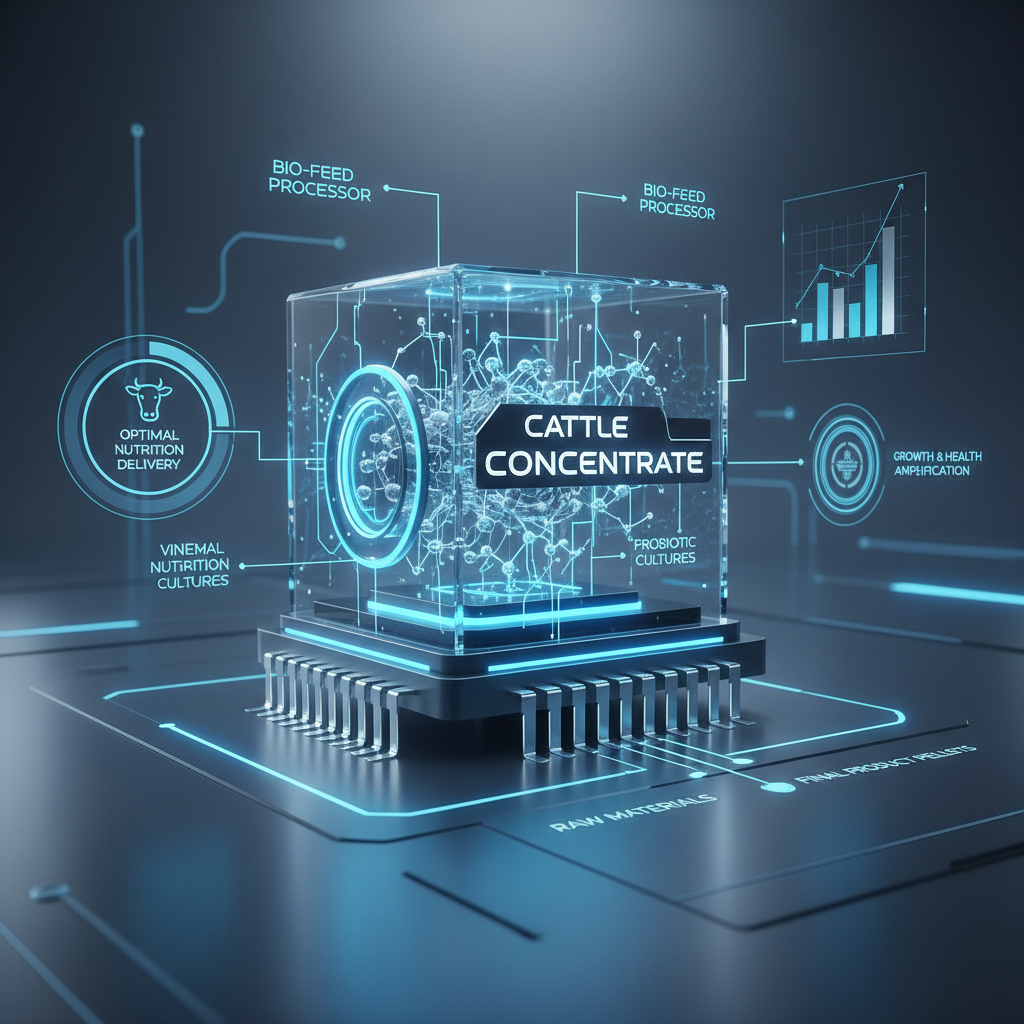
Cattle feed concentrate is a nutrient-dense feed supplement formulated to provide a concentrated source of energy, protein, vitamins, and minerals. Unlike roughages such as hay or pasture, which have lower nutrient densities, concentrates are designed to be fed in smaller quantities to supplement these bulkier feed sources. Essentially, it’s a ‘power pack’ of nutrition for cattle.
The historical evolution of cattle feed concentrate mirrors the advancements in animal nutrition science. Early concentrates were often based on readily available grains, but over time, formulations have become increasingly sophisticated, incorporating by-products from other industries (like distillers grains from ethanol production) and utilizing advanced processing techniques to improve nutrient bioavailability. This continuous refinement directly addresses modern industry needs.
In the context of humanitarian efforts, concentrated feed can be vital in emergency situations. Providing readily available nutrition during droughts, floods, or other disasters can help prevent livestock losses and ensure food security for vulnerable populations. It's a powerful tool for both commercial and crisis response scenarios.
Key Components of cattle feed concentrate
A well-formulated cattle feed concentrate typically includes several key components. Energy sources, such as grains (corn, barley, wheat) or by-products like distillers grains, provide the fuel for growth and maintenance. Protein sources, like soybean meal, cottonseed meal, or urea, are essential for building muscle and tissue.
Vitamins and minerals are crucial for a wide range of physiological functions, including immune system support, bone development, and reproduction. Common additions include Vitamin A, Vitamin D, Vitamin E, calcium, phosphorus, and trace minerals like zinc and copper. Cattle feed concentrate formulations often prioritize the bioavailability of these essential nutrients.
Cattle Feed Concentrate Component Analysis
Global Applications & Use Cases
Cattle feed concentrate is universally applied in intensive livestock farming systems around the world, including large-scale feedlots in the United States, dairy farms in Europe, and beef production operations in Australia. In these settings, concentrate is used to rapidly grow and finish cattle, maximizing production efficiency.
In regions with limited pasture availability, such as arid and semi-arid areas, cattle feed concentrate provides a critical supplement to grazing, ensuring animals receive adequate nutrition even during dry seasons. This is particularly important in countries across Africa and the Middle East, where livestock farming is a vital component of the rural economy.
In post-disaster relief operations, concentrated feed can be quickly deployed to provide emergency sustenance to livestock affected by floods, droughts, or conflict. Organizations like the FAO often utilize concentrated feed as part of their livestock emergency response programs, helping communities rebuild their livelihoods and restore food security.
Advantages and Long-Term Value
The economic benefits of using cattle feed concentrate are substantial. Increased growth rates, improved feed conversion ratios, and enhanced milk production translate directly into higher profits for farmers. Furthermore, the use of concentrate can reduce the land area required for livestock production, minimizing environmental impact.
From a sustainability perspective, optimized feed formulations reduce feed waste and minimize methane emissions—a potent greenhouse gas. Investing in high-quality cattle feed concentrate demonstrates a commitment to responsible livestock management and contributes to a more sustainable food system. The long-term reliability of supply chains is also strengthened through strategic sourcing and careful formulation.
Future Trends & Innovations
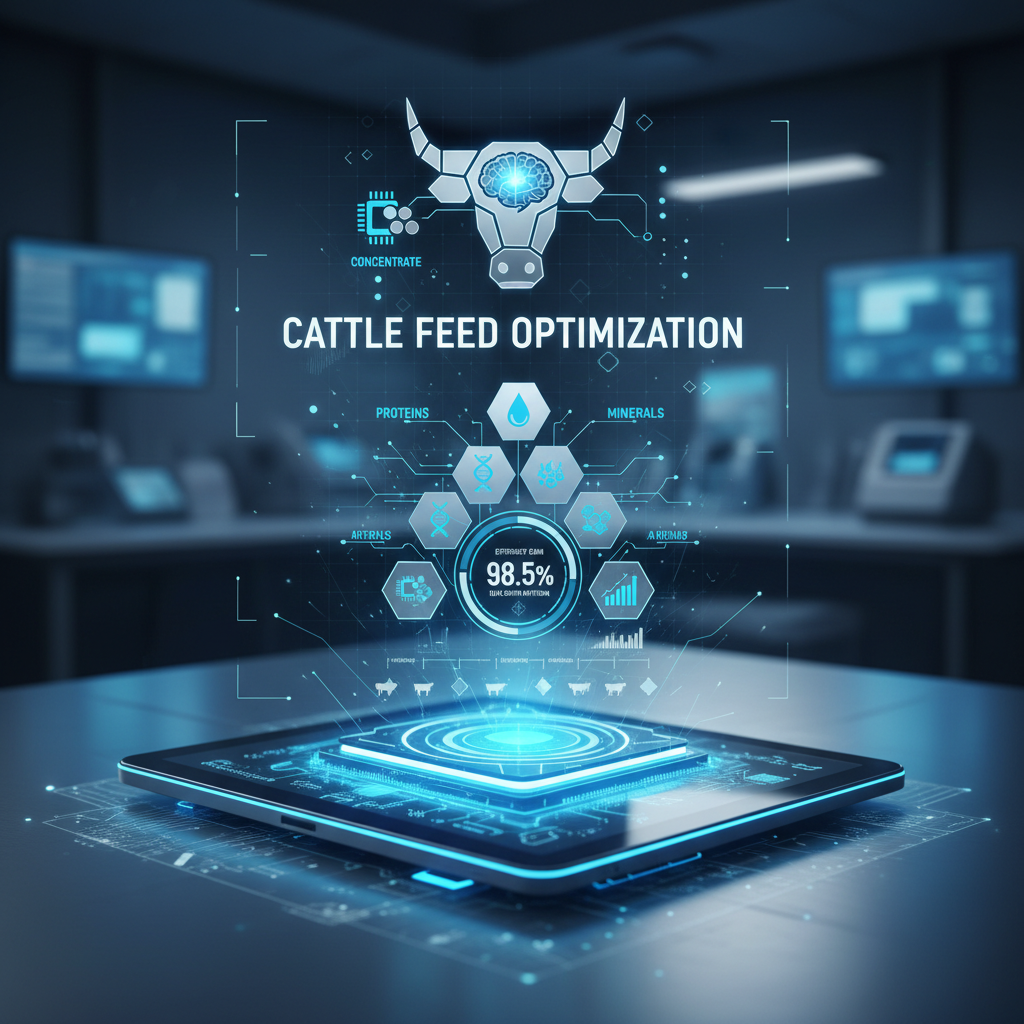
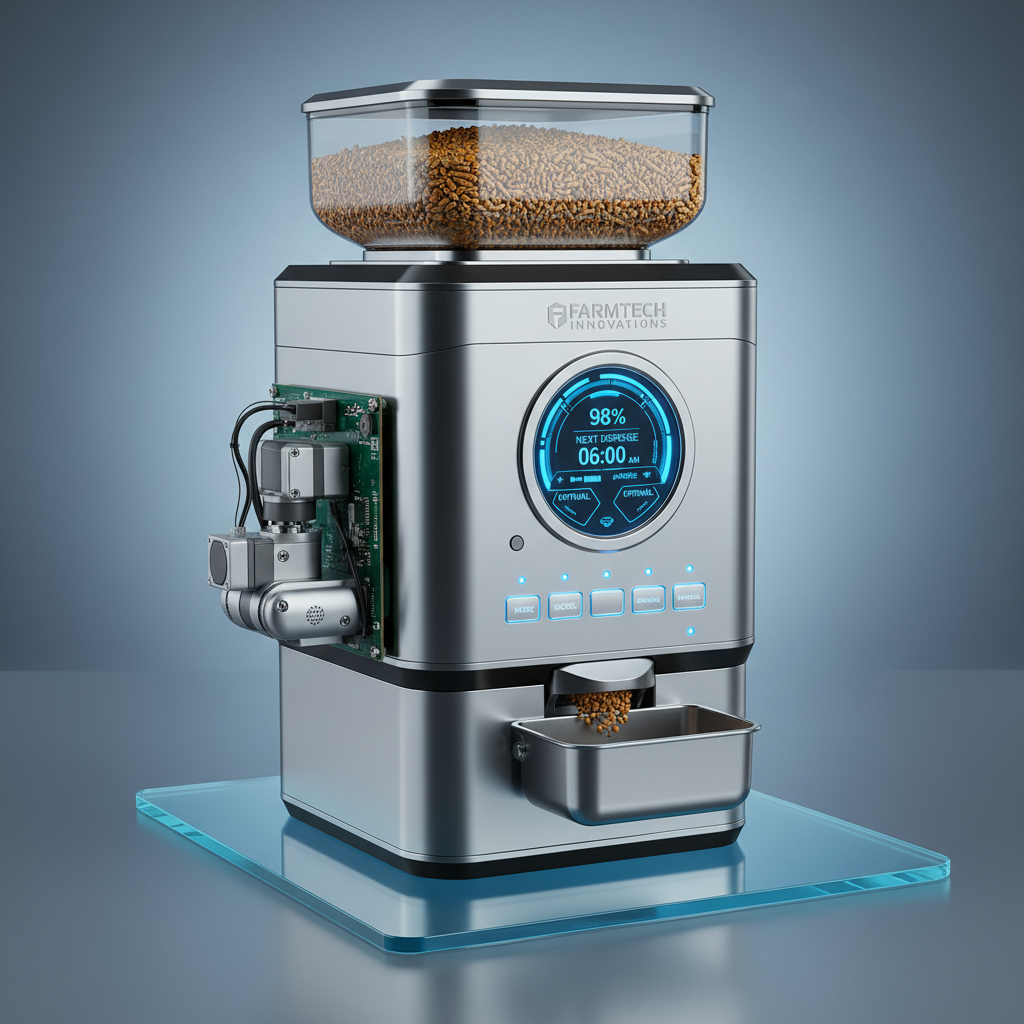
The future of cattle feed concentrate is intertwined with advancements in several key areas. Precision feeding, utilizing data analytics and sensor technologies to tailor feed rations to individual animal needs, promises to further optimize feed efficiency and reduce waste.
Alternative protein sources, such as insect meal and algae, are gaining traction as sustainable alternatives to traditional protein ingredients like soybean meal. These novel ingredients offer a lower environmental footprint and can reduce reliance on imported feed resources. These innovations are often fueled by a growing need for digitalization in the agriculture sector.
The integration of blockchain technology is also being explored to enhance traceability and transparency in the cattle feed concentrate supply chain, ensuring product quality and building consumer trust. Sustainable packaging solutions and reduced transportation distances will also play increasingly important roles.
Challenges & Solutions
One significant challenge facing the cattle feed concentrate industry is the volatility of commodity prices. Fluctuations in the cost of grains and protein ingredients can significantly impact the profitability of livestock operations. Mitigating this risk requires strategic sourcing, hedging strategies, and the development of alternative ingredient options.
Another challenge is ensuring the safety and quality of feed ingredients. Contamination with mycotoxins or other harmful substances can pose a serious threat to animal health and productivity. Robust quality control measures, including regular testing and supplier audits, are essential for preventing contamination.
Finally, addressing the environmental impact of concentrate production is critical. This includes reducing greenhouse gas emissions, minimizing water usage, and promoting the use of sustainable ingredients. Investing in research and development of environmentally friendly formulations and production processes is crucial for creating a more sustainable future for the cattle industry.
Analysis of Challenges and Solutions in Cattle Feed Concentrate Production
| Challenge |
Severity (1-10) |
Potential Solution |
Implementation Cost (1-10) |
| Commodity Price Volatility |
8 |
Strategic Sourcing & Hedging |
6 |
| Feed Ingredient Contamination |
9 |
Enhanced Quality Control |
7 |
| Environmental Impact |
7 |
Sustainable Ingredient Sourcing |
5 |
| Supply Chain Disruptions |
6 |
Diversified Supplier Network |
4 |
| Traceability & Transparency |
5 |
Blockchain Integration |
8 |
| Nutrient Bioavailability |
7 |
Enzyme Supplementation |
3 |
FAQS
Cattle feed concentrates differ based on their formulation, targeting specific animal needs. Starter concentrates are for young calves, grower concentrates support rapid growth, finisher concentrates optimize weight gain before slaughter, and lactating cow concentrates enhance milk production. Each blend features varying levels of energy, protein, vitamins, and minerals to match the animal’s physiological stage and intended purpose. Understanding these distinctions is crucial for selecting the right concentrate for your herd.
The quality of cattle feed concentrate directly influences animal health. Poor-quality concentrate may lack essential nutrients, contain harmful contaminants like mycotoxins, or have low digestibility. This can lead to reduced growth rates, weakened immune systems, increased susceptibility to diseases, and even mortality. Investing in high-quality concentrate from reputable suppliers is essential for maintaining a healthy and productive herd.
Proper storage is critical for preserving the nutritional value of cattle feed concentrate. Store concentrate in a cool, dry, and well-ventilated area, away from direct sunlight and moisture. Keep bags tightly sealed to prevent contamination and insect infestation. Regularly inspect storage areas for signs of pests or spoilage. First-in, first-out (FIFO) inventory management ensures older concentrate is used before newer stock.
Yes, cattle feed concentrate can contribute to environmental sustainability. Optimized formulations improve feed efficiency, reducing feed waste and lowering methane emissions from livestock. Utilizing alternative protein sources like insect meal or algae, and employing sustainable packaging materials, further minimizes the environmental footprint. Responsible sourcing and production practices are key to making concentrate a sustainable component of livestock farming.
Calculating the correct amount of concentrate depends on factors like cattle weight, age, breed, physiological stage, and the quality of available forage. Consulting with a qualified animal nutritionist is highly recommended. They can assess your specific needs and develop a customized feeding plan. Generally, concentrate should be introduced gradually and adjusted based on animal response and performance.
Emerging trends include precision feeding using data analytics, the incorporation of novel protein sources like insect meal and algae, and the use of feed additives to enhance nutrient absorption and reduce methane emissions. Blockchain technology is also being explored to improve traceability and transparency in the supply chain. Furthermore, there's growing focus on developing concentrates tailored to specific gut microbiome profiles for improved animal health.
Conclusion
In conclusion, cattle feed concentrate is an indispensable component of modern livestock production, providing a concentrated source of nutrients essential for animal health, growth, and productivity. From its impact on global food security to its role in sustainable farming practices, understanding the complexities of concentrate formulation, application, and future trends is critical for all stakeholders in the industry. The key to success lies in optimizing nutritional value, embracing innovation, and prioritizing responsible resource management.
Looking ahead, continued investment in research and development will drive further advancements in cattle feed concentrate technology, enabling more efficient, sustainable, and resilient livestock systems. Embracing precision feeding, exploring alternative ingredients, and prioritizing traceability will be essential for meeting the growing demand for high-quality protein while minimizing environmental impact. Visit our website for a comprehensive range of cattle feed concentrate solutions: www.rcpetfood.com