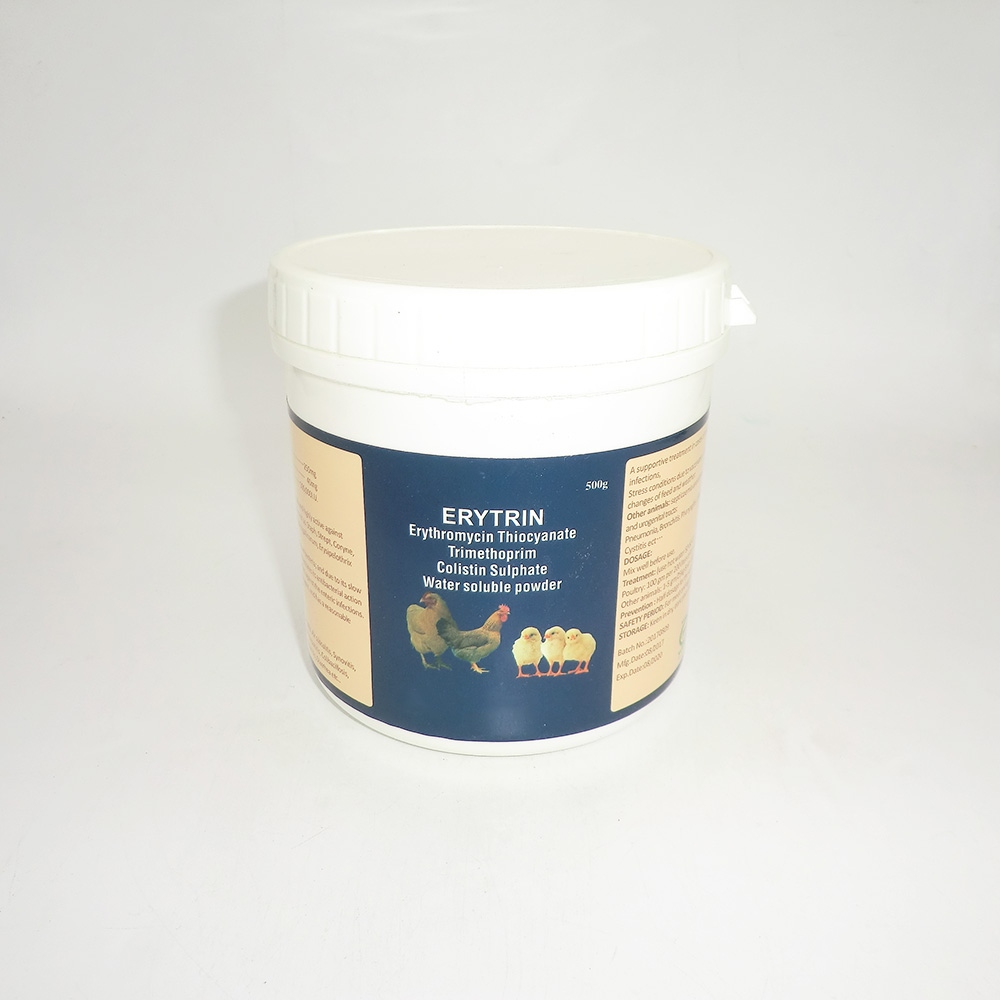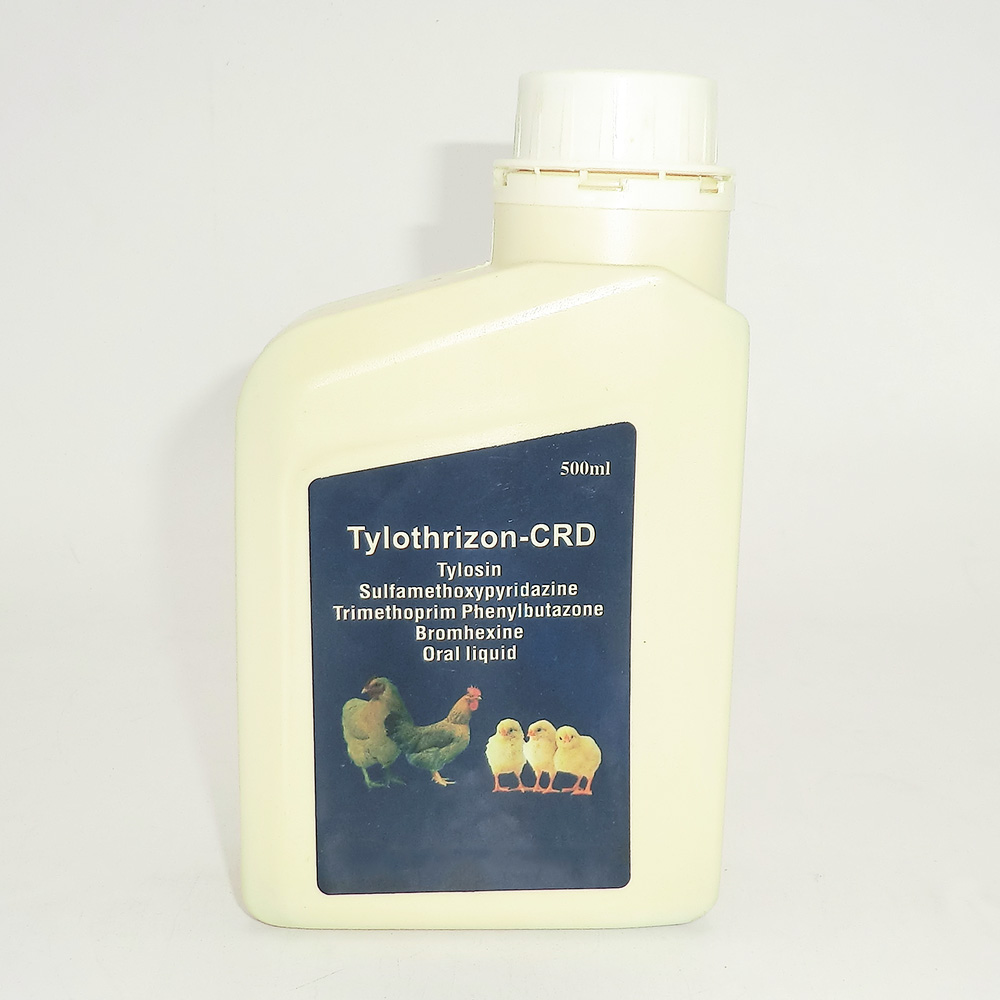
Understanding Feed Additives and Supplements for Poultry: Why It Matters Globally
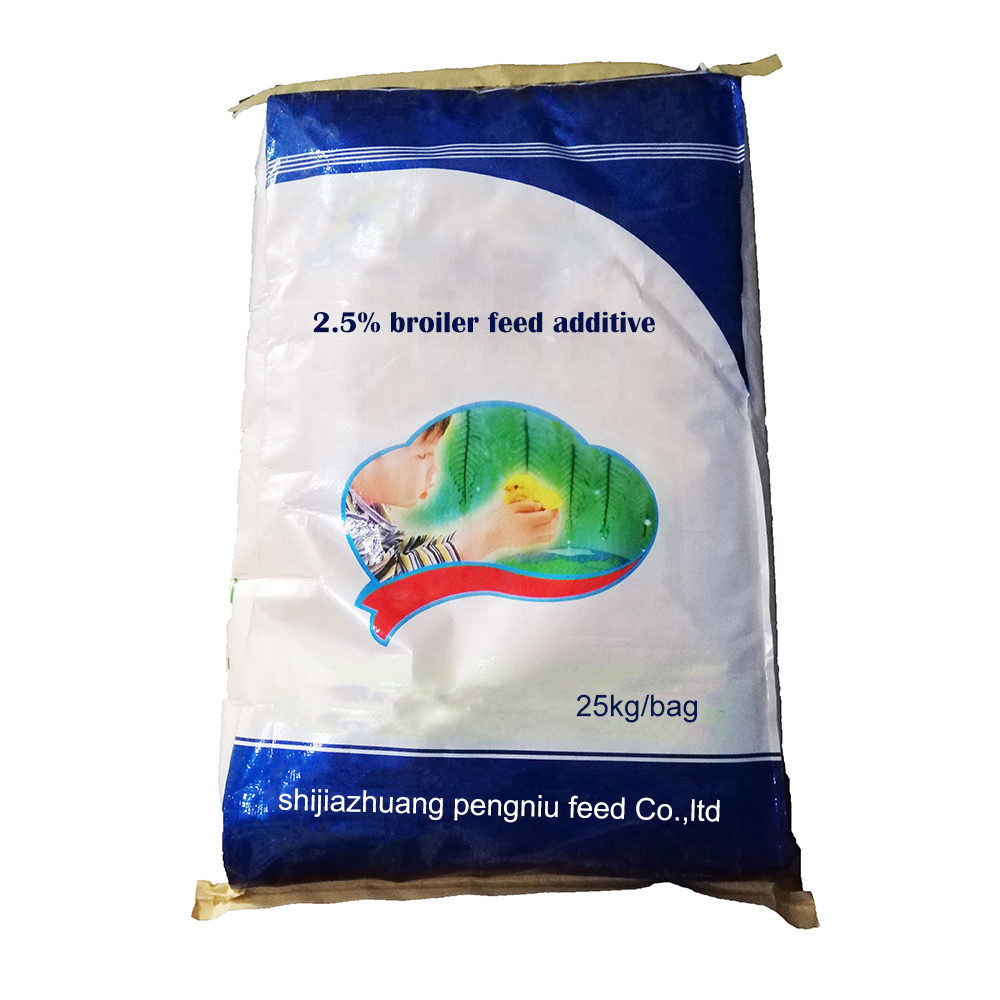
If you’re not deep into poultry farming or feed science, the phrase feed additives and supplements for poultry might sound a bit technical or even niche. But in reality, this topic is a big deal worldwide, shaping food security, farm productivity, and sustainability. After all, poultry meat and eggs form a significant chunk of animal protein consumed globally — and what the birds eat plays a crucial role in their health and the end products on our tables.
Getting a solid grasp on feed additives means understanding how the poultry industry combats nutrition gaps, boosts growth, reduces disease outbreaks, and even curbs environmental impact. Considering rising global populations and challenges like climate change, this knowledge isn’t just for farmers — it’s essential for anyone interested in sustainable food systems.
The Global Footprint of Poultry Feed Supplements
Globally, the poultry sector accounts for roughly FAO estimates 40% of total meat production. Yet, feeding billions of birds efficiently poses massive challenges. According to the World Bank, feed constitutes up to 70% of production costs, making nutrition strategies pivotal for profitability and sustainability.
Meanwhile, ISO standards on feed additives are evolving to ensure safety and efficacy worldwide. What complicates it further are diverse farming systems — from highly industrialized poultry farms to smallholder operations in underserved regions. Ensuring optimal ration through tailored additives improves growth rates, feed conversion ratios, and bird welfare worldwide.
But there are problems to solve. Feed sustainability, antibiotic resistance, and ensuring nutritional consistency under fluctuating feed ingredient qualities still pose real threats. Feed additives and supplements offer a frontline solution to many of these hurdles.
Defining Feed Additives and Supplements for Poultry
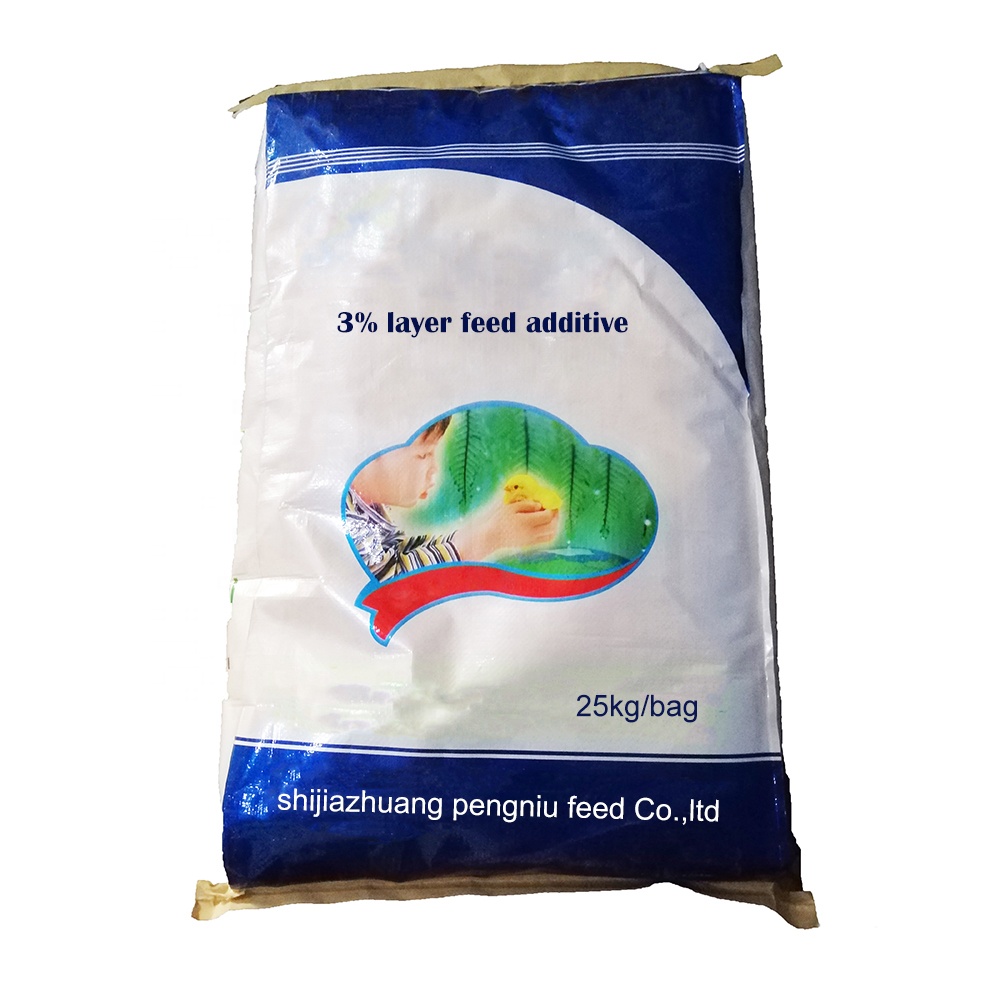
So, what exactly are these feed additives and supplements? Put simply, they are substances added in small amounts to poultry feed to improve its nutritional value, help digestion, or enhance health. Think of them as the vitamins, enzymes, or probiotics that ensure birds get the most out of their feed beyond just the basal grains and protein.
They can be natural or synthetic and go by various names — growth promoters, antioxidants, enzymes, minerals, amino acids, and more. In the modern poultry industry, these additives are essential tools to meet the demands of increased production while maintaining quality and reducing environmental footprints.
On a humanitarian level, better poultry nutrition means more reliable sources of protein in vulnerable communities, rural livelihoods uplifted via improved flock performance, and hopefully, less dependence on costly antibiotics.
Key Aspects of Feed Additives and Supplements for Poultry
1. Nutritional Enhancement
Adding essential vitamins, minerals, and amino acids directly addresses deficiencies in feed ingredients, ensuring birds grow normally and produce quality meat or eggs.
2. Digestive Support
Enzymes and probiotics included can improve gut health, nutrient absorption, and reduce digestive disorders — reducing feed waste and improving overall flock robustness.
3. Growth Promotion
Some additives act as growth promoters, helping birds reach market weight faster and more efficiently, important for commercial farming profitability.
4. Disease Resistance
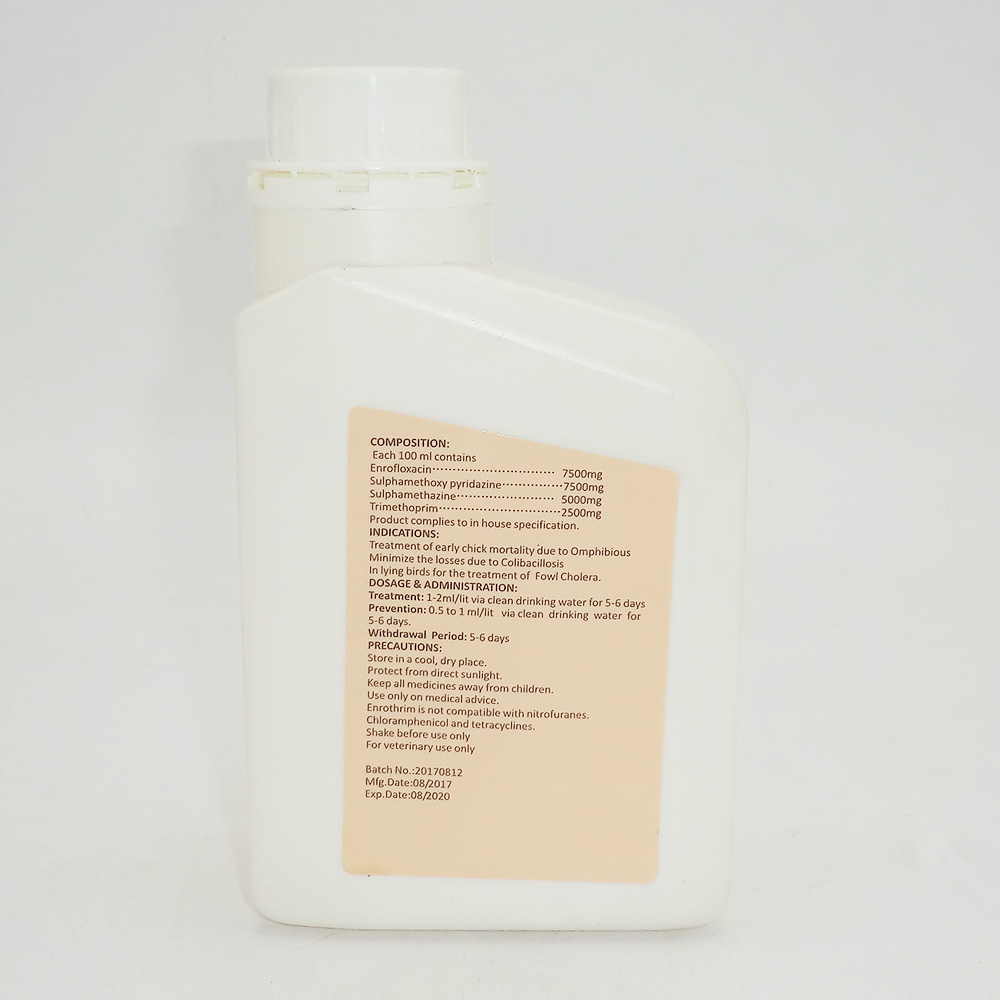
Certain supplements boost immune responses or reduce pathogen loads, reducing reliance on antibiotics — a critical factor, given the global rise of antimicrobial resistance.
5. Environmental Impact
Optimized supplements can improve feed conversion ratios, lowering feed waste and methane or nitrogen outputs, supporting sustainable production goals.
6. Cost Efficiency and Scalability
Effective additives balance performance with costs, making their use attractive across farm sizes — from large integrators to smallholders aiming to scale production.
Mini takeaway: these six pillars outline how feed additives are far more than just “extras.” They are integral to modern poultry industry resilience.
Real-World Applications of Poultry Feed Additives
From dense poultry operations in the US and Brazil to backyard flocks in Southeast Asia and Africa, feed additives tailor to a variety of needs:
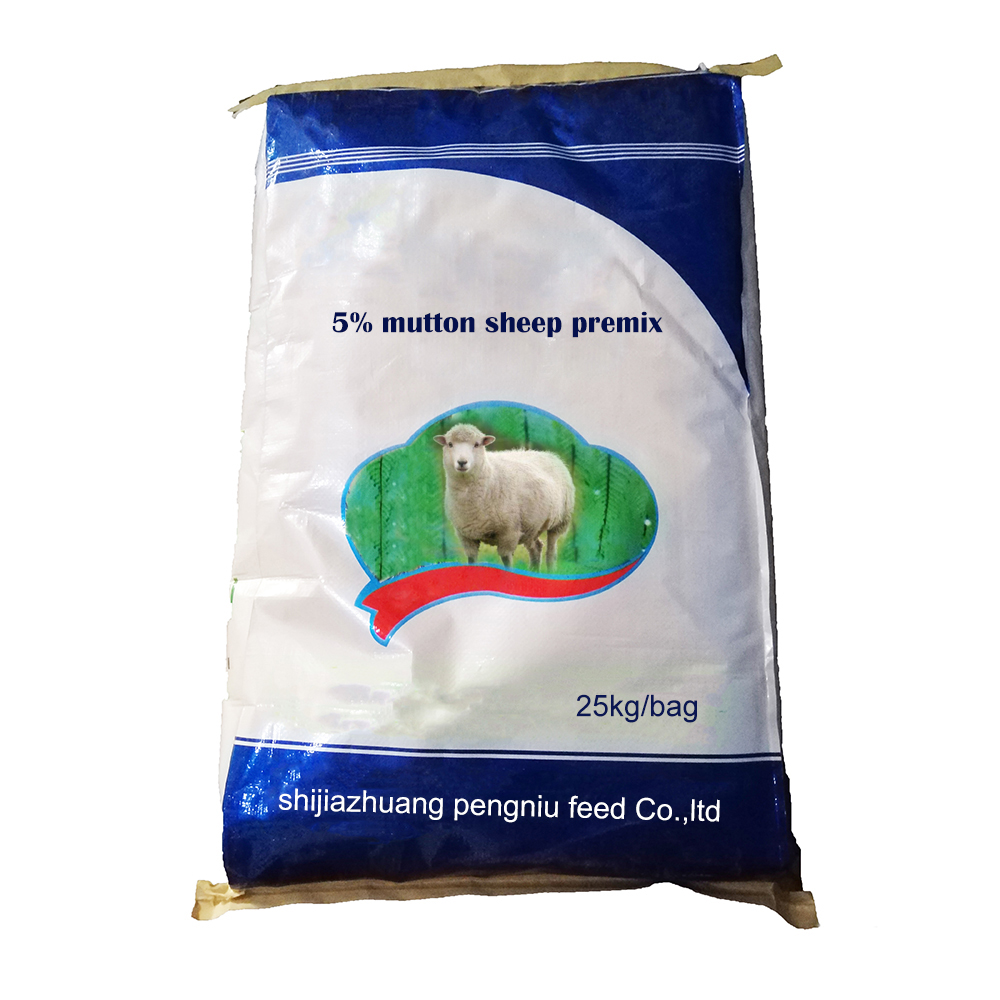
- Industrial farms use enzyme blends to improve grain digestibility and growth rates, cutting costs and speeding production cycles.
- Smallholder farmers rely on mineral and vitamin supplements to prevent common deficiencies that stunt growth or reduce egg production.
- Humanitarian aid agencies sometimes include fortified poultry feed in food security programs to boost community resilience in drought or conflict zones.
- Sustainability projects focus on probiotics to replace antibiotic growth promoters and lower environmental waste from manure.
For example, in East Africa, NGOs have piloted feed additives and supplements for poultry to improve nutrition outcomes for small-scale farmers, leading to better incomes and healthier families.
Basic Product Specification Table
| Additive Type | Primary Function | Common Ingredients | Typical Dosage |
|---|---|---|---|
| Enzymes | Improve digestibility of starch, protein | Phytase, protease, cellulase | 100-200 g/ton feed |
| Probiotics | Enhance gut flora, immunity | Lactobacillus spp., Bifidobacterium | 10⁶ - 10⁸ CFU/g feed |
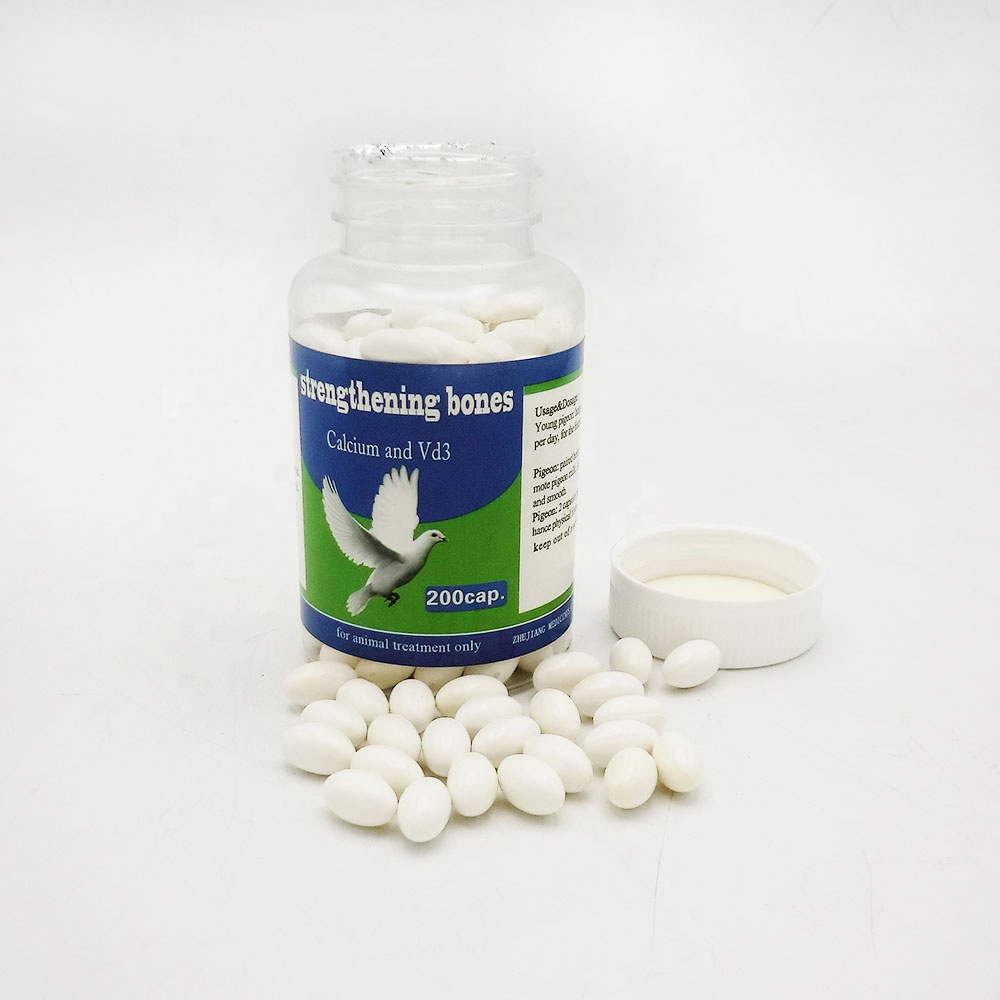
| Minerals & Vitamins | Prevent deficiencies, support metabolism | Calcium, phosphorus, vit. A, D, E | Varies by nutrient (ppm - %) |
| Growth Promoters | Stimulate feed intake and metabolism | Organic acids, plant extracts | 500-1500 g/ton feed |
Advantages and Long-Term Value of Using Feed Supplements
There’s the bottom-line value — better feed efficiency means saving money on ingredients that can be expensive or scarce. But it goes deeper:
- Sustainability: Efficient digestion creates less waste and reduces the environmental footprint of operations.
- Animal welfare: Supplements that reduce disease risk improve the birds’ quality of life — a key concern from ethical and product quality perspectives.
- Innovation and trust: Farmers trust proven additives to protect their livelihoods and meet growing consumer demands for safe products.
- Social impact: More productive flocks support food security and rural economies, especially in developing countries.
Frankly, the use of these products bridges the gap between tradition and tech in agriculture. I suppose this is why their market size is projected to grow steadily for years.
Comparing Leading Vendors of Poultry Feed Additives
| Vendor | Core Products | Global Reach | Sustainability Focus | Price Range |
|---|---|---|---|---|
| NutraFeeds Inc. | Enzymes, probiotics, vitamins | North America, Europe, Asia | High (biodegradable packaging) | Mid-High |
| AgriSupplements LLC | Minerals, custom blends | South America, Africa | Medium (energy-efficient production) | Affordable |
| PoultryPro Supplies | Growth promoters, organic acids | Europe, Asia-Pacific | High (focus on antibiotic alternatives) | Mid-Range |
Emerging Trends and Innovations in Poultry Feed Additives
Technology moves fast in this sector, too. I’m seeing strong trends in:
- Precision nutrition: Tailoring additives via data analytics and AI to individual flock needs.
- Green additives: Plant-based extracts replacing synthetic growth promoters, raising the sustainability bar.
- Microbiome management: Advanced probiotics and prebiotics manipulate gut flora for better health without antibiotics.
- Automation in feed mixing: Smart feed mills adjusting formulas on the fly based on environmental or bird health data.
These innovations make feed additives not just a cost center but an investment into future-proof poultry production.
Challenges and Insights for Overcoming Them
It’s not all smooth sailing. Some recurring challenges include:
- Variable feed ingredient quality: Which complicates consistent additive performance.
- Regulatory differences: Diverse rules across countries can stall adoption.
- Resistance to change: Some farmers remain skeptical about additives or wary of upfront costs.
Solutions? Education and transparent product testing go a long way. Some companies offer tailored formulations that adapt to local feedstocks. Plus, emerging international standards (ISO on feed additives) help harmonize quality and safety benchmarks.
Frequently Asked Questions About Feed Additives and Supplements for Poultry
Q1: What are the main benefits of using feed additives in poultry diets?
A1: Feed additives improve nutrient absorption, promote faster growth, enhance immunity, and reduce environmental impact by improving feed conversion ratios. Basically, they help poultry stay healthy and grow efficiently, reducing costs and improving product quality.
Q2: Are feed supplements safe for poultry and humans?
A2: Yes, approved feed additives undergo strict safety evaluations to ensure they don’t harm birds or humans consuming poultry products. Regulatory bodies worldwide monitor these products closely to maintain food safety standards.
Q3: Can feed additives replace antibiotics in poultry farming?
A3: Many additives, especially probiotics and organic acids, are increasingly used as alternatives to antibiotic growth promoters. They support gut health and immunity without contributing to antibiotic resistance, which is a growing concern globally.
Q4: How do I choose the right feed additive for my poultry farm?
A4: Consider your birds’ nutritional needs, local feed ingredient quality, production goals, and budget. Consulting with a nutritionist and testing additives in small trials can help find the best fit.
Q5: Is it possible to use these supplements in small-scale or backyard poultry farming?
A5: Absolutely! Many smallholder farmers benefit from vitamins and mineral supplements that prevent common deficiencies, improving productivity without requiring large investments.
Closing Thoughts and Call to Action
In essence, feed additives and supplements for poultry are quietly revolutionizing how we manage nutrition, health, and sustainability in poultry farming across the globe. The potential they unlock—from economic gains to environmental benefits and improved animal welfare—is compelling and necessary for future food security.
If you're interested to learn more or source high-quality poultry feed additives and supplements suited to your farm's needs, you can visit our website at https://www.rcpetfood.com. Because at the end of the day, it’s the smart choices in feeding that shape tomorrow’s tables.
References:
Post time: December 14, 2025