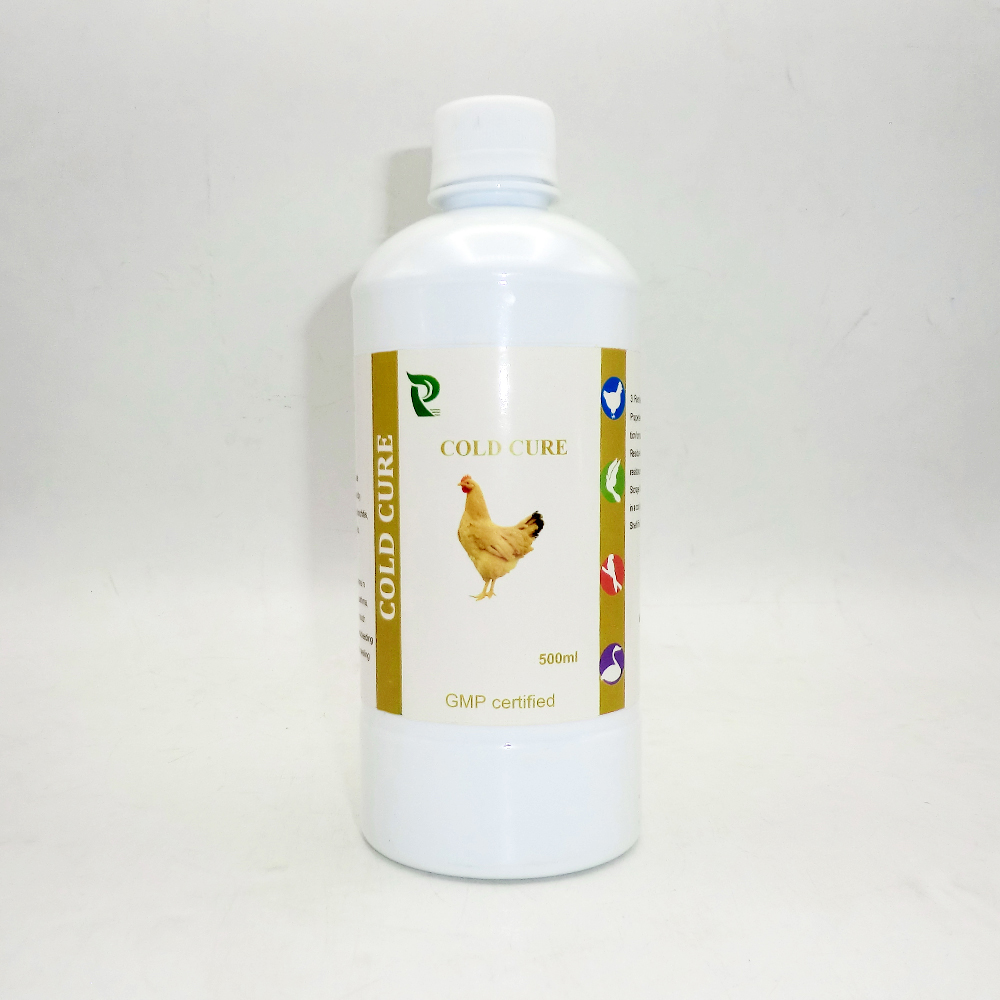
Understanding the Critical Role of Anti-Stress Solutions in Animal Production
In modern animal agriculture and companion animal care, stress is a ubiquitous challenge that significantly impacts animal welfare, productivity, and overall health. Environmental stressors, nutritional imbalances, handling, transportation, and disease challenges can all trigger a cascade of physiological responses, leading to reduced feed intake, impaired immune function, decreased growth rates, and increased susceptibility to pathogens. Recognizing these profound implications, the demand for effective stress mitigation strategies, particularly advanced nutritional interventions, has surged.
The global market for animal feed additives, including those focused on health and performance, is experiencing robust growth. Projections indicate that this market will continue to expand, driven by consumer demand for healthier animal products, increased awareness of animal welfare, and the need for sustainable and efficient production systems. Within this landscape, products designed to alleviate physiological stress, such as advanced nutritional supplements, are becoming indispensable. These solutions aim not just to counteract stress effects but also to bolster an animal's innate resilience.
One such critical innovation gaining widespread adoption is the anti stress powder. This category of specialized feed additives is formulated to provide comprehensive support to animals facing various stressors, helping to maintain physiological homeostasis and optimize performance even under challenging conditions. It represents a proactive approach to animal health management, moving beyond reactive treatments to preventative strategies that enhance an animal's natural coping mechanisms.
The Composition and Functionality of Anti Stress Powder
An effective anti stress powder is a sophisticated blend of active ingredients, each carefully selected for its synergistic role in stress mitigation and physiological support. These formulations are designed to address the multifaceted nature of stress responses, targeting various biological pathways. Key components typically include:
- Vitamins: High levels of B-complex vitamins (e.g., B1, B6, B12, Niacin, Pantothenic Acid) are crucial for metabolic processes, nerve function, and energy production, which are often depleted during stress. Vitamin C (ascorbic acid) acts as a powerful antioxidant, mitigating oxidative stress induced by corticosteroids, while Vitamin E protects cell membranes.
- Electrolytes: Sodium, Potassium, and Chloride are essential for maintaining osmotic balance and hydration, which can be compromised during periods of stress, especially heat stress or diarrhea. Their presence ensures proper nerve impulse transmission and muscle function.
- Adaptogenic Herbs/Botanicals: Ingredients like certain plant extracts (e.g., from Rhodiola rosea or Ashwagandha – when permitted and appropriate for animal feed) can help the body adapt to stress, normalizing physiological functions and reducing the negative impact of stressors.
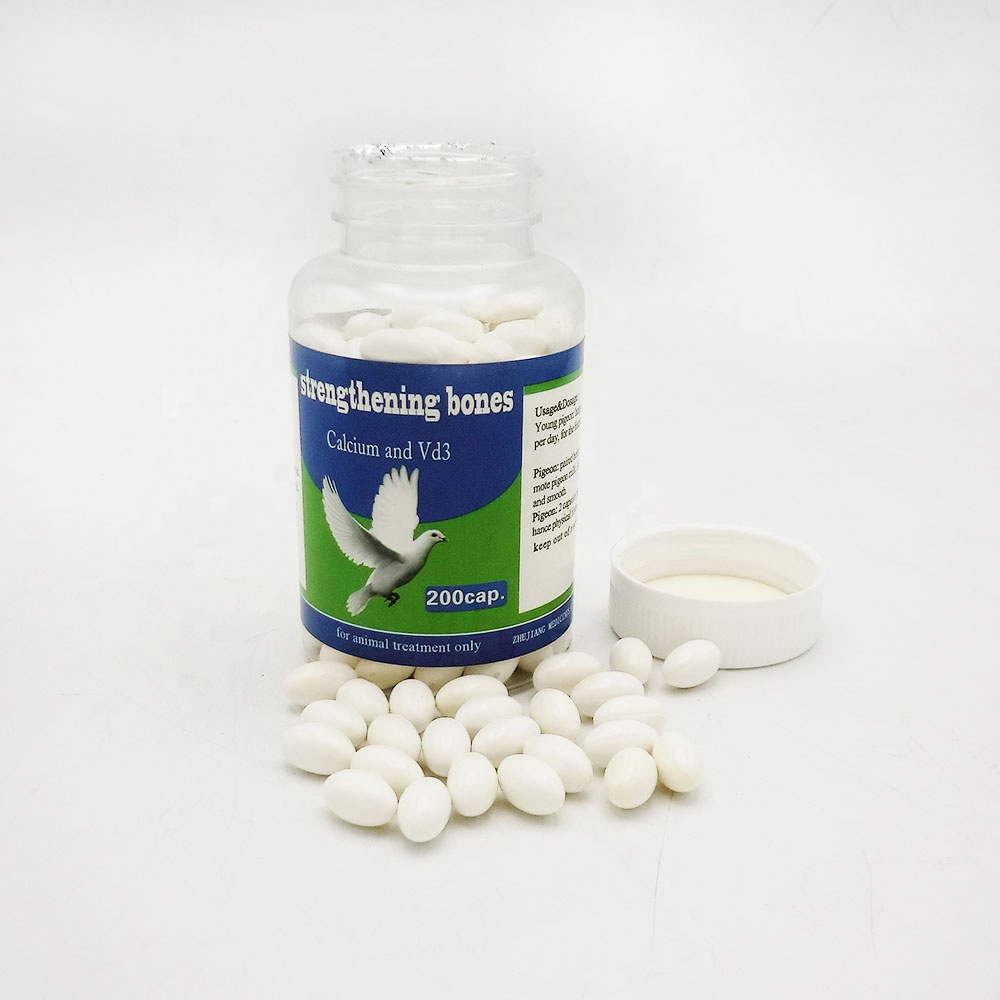
- Trace Minerals: Chelated forms of zinc, selenium, and copper are often included for their roles in immune function, enzymatic reactions, and antioxidant defense systems. Chelation enhances their bioavailability.
- Amino Acids: Tryptophan, a precursor to serotonin, can have calming effects, while other essential amino acids support protein synthesis for tissue repair and immune cell production.
- Probiotics and Prebiotics: These support gut health, which is intricately linked to immune function and overall stress response (the gut-brain axis). A healthy gut microbiota can reduce inflammatory responses and improve nutrient absorption.
- Buffers: Ingredients like sodium bicarbonate can help stabilize gut pH, particularly during periods of acidosis brought on by stress or rapid feed changes.
The precise balance and concentration of these components are critical for the efficacy of the anti stress powder. Formulators leverage extensive research in animal nutrition and physiology to create solutions that are not only effective but also safe for target species and compliant with regulatory standards.
The Manufacturing Process of High-Quality Anti Stress Powder
The production of a consistent and efficacious anti stress powder requires stringent quality control and advanced manufacturing processes. The goal is to ensure homogeneity, stability of active ingredients, and superior bioavailability.
Process Flow Overview:
-
1. Raw Material Sourcing & Initial QC:
All raw materials (vitamins, minerals, botanicals, amino acids, carriers) are sourced from approved suppliers. Each batch undergoes rigorous incoming quality control checks for purity, potency, moisture content, heavy metals, and microbial contamination. This ensures compliance with standards such as ISO 22000 and HACCP principles.
-
2. Precision Weighing & Pre-Blending:
Based on the specific formulation, individual ingredients are precisely weighed using calibrated scales. Micro-ingredients are often pre-blended with a carrier to ensure uniform distribution in the final mix. This step is critical for achieving a homogenous `premixed powder`.
-
3. Main Blending (Homogenization):
The pre-blended ingredients and bulk components are transferred to high-capacity industrial blenders (e.g., ribbon blenders, paddle mixers). The blending process is carefully controlled for time and speed to ensure complete homogenization of all components. This stage is crucial for guaranteeing that every dose of `anti stress powder` delivers the intended nutrient profile.
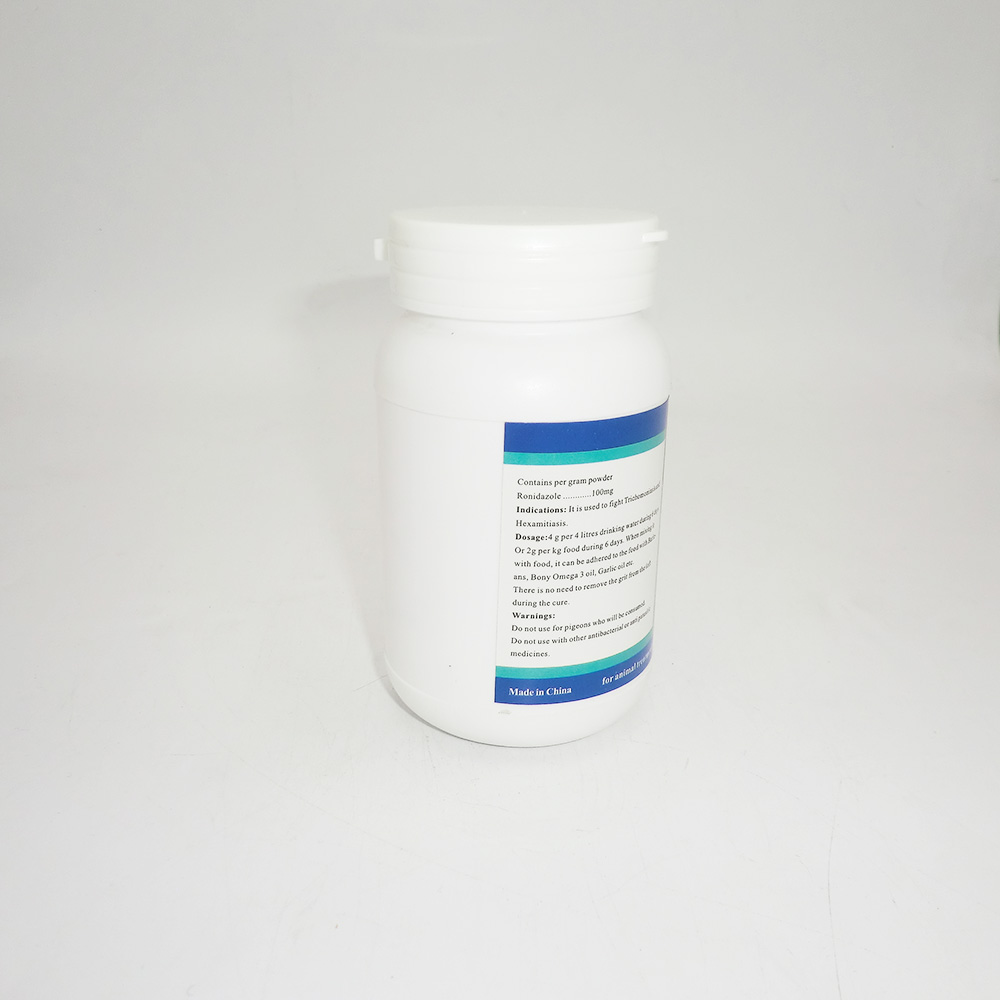
Image: A critical aspect of animal health, often mitigated by effective nutritional strategies.
-
4. Post-Blending Quality Control:
Samples are taken from the blended batch for rigorous analytical testing. This includes checking for active ingredient potency, particle size distribution (ensuring optimal flowability and dispersibility), moisture content, and microbial load. GMP (Good Manufacturing Practice) standards are strictly adhered to.
-
5. Packaging:
The finished product is carefully packaged into appropriate container111s (e.g., multi-layered bags, drums) designed to protect the integrity and stability of the powder, preventing moisture absorption and degradation of active ingredients. Packaging is performed under hygienic conditions to prevent contamination.
-
6. Final Inspection & Storage:
Each packaged unit undergoes final inspection, including weight verification, label accuracy, and seal integrity. Products are then stored in controlled environments to maintain optimal shelf life, typically ranging from 18 to 24 months, depending on the formulation and packaging type.
This meticulous process, coupled with adherence to international standards such as ISO 9001, FSSC 22000, and often country-specific veterinary or feed safety regulations, ensures that each batch of anti stress powder consistently meets the highest quality and safety benchmarks expected by B2B clients in the animal nutrition sector. The target industries include poultry, swine, aquaculture, dairy, and companion animal feed manufacturers, all of whom benefit from energy-saving processes and solutions that enhance resilience and prevent disease.
Technical Specifications and Performance Parameters
Understanding the technical specifications of anti stress powder is crucial for integrating it effectively into feed formulations and for predicting its performance. These parameters define the product's quality, stability, and biological activity.
Typical Product Specification Table:
| Parameter | Specification | Method of Analysis |
|---|---|---|
| Active Ingredient Content (e.g., Vitamin C) | Min. 10,000 mg/kg | HPLC |
| Total B-Vitamins (calculated) | Min. 5,000 mg/kg | HPLC/Microbiological Assay |
| Moisture Content | Max. 8.0% | Karl Fischer Titration |
| Particle Size (D90) | < 250 microns | Laser Diffraction |
| Flowability | Excellent (Hausner Ratio < 1.25) | Carr Index/Hausner Ratio |
| pH (10% solution) | 5.5 - 7.0 | pH Meter |
| Microbial Count (Total Plate Count) | < 10^5 CFU/g | AOAC Method |
| Salmonella | Absent in 25g | EN/ISO 6579 |
| Shelf Life | 24 months from manufacturing date | Accelerated Stability Testing |
These specifications are crucial indicators of product quality, stability, and ease of integration into feed mill operations. Optimal particle size ensures uniform mixing, particularly when formulating a `premixed powder`, preventing segregation and guaranteeing consistent dosage per animal. Low moisture content is vital for preventing microbial growth and maintaining the stability of sensitive vitamins.
Technical Advantages and Performance Benefits
The deployment of a scientifically formulated anti stress powder offers a multitude of technical and economic advantages for animal producers and feed manufacturers. These benefits extend beyond simple stress relief, impacting overall animal performance and operational efficiency.
- Enhanced Physiological Resilience: By bolstering antioxidant defenses, supporting immune function, and regulating neuroendocrine responses, the powder helps animals cope more effectively with various stressors (e.g., thermal, immunological, social, transport-related).
- Improved Feed Conversion Ratio (FCR): Stress often leads to reduced feed intake and inefficient nutrient utilization. By mitigating stress, animals maintain appetite and digestive health, leading to better FCR and more efficient growth.
- Reduced Mortality and Morbidity: Stress-induced immunosuppression increases susceptibility to diseases. The immunomodulatory components within the powder help maintain robust immune responses, reducing disease incidence and associated losses.
- Superior Palatability: High-quality `anti stress powder` formulations are designed to be palatable, ensuring consistent intake even during periods of reduced appetite, which is critical when animals are under duress.
- Stability and Homogeneity: Advanced manufacturing ensures the stability of active ingredients over time and uniform distribution throughout the feed, providing a consistent dose to every animal. This is a critical technical advantage over less refined additive forms.
- Support for Reproductive Performance: Chronic stress can negatively impact fertility and reproductive cycles. Specific ingredients can support hormonal balance, aiding in better reproductive outcomes.
- Cost-Effectiveness: While an initial investment, the long-term benefits in terms of reduced mortalities, improved growth, lower veterinary costs, and enhanced production efficiency far outweigh the product cost. It represents a strategic investment in herd or flock health.
These technical advantages translate directly into economic benefits, enhancing the sustainability and profitability of animal production systems. The use of such specialized feed additives aligns with modern agricultural practices focused on animal welfare and efficient resource utilization.
Application Scenarios and Target Industries
The versatility of anti stress powder makes it suitable for a wide array of application scenarios across various animal production sectors. Its primary utility lies in supporting animals during predictable and unpredictable periods of elevated stress.
Key Application Scenarios:
- Transportation: Animals frequently experience significant stress during transport due to confinement, unfamiliar environments, noise, and vibration. Supplementation pre- and post-transport helps minimize weight loss, immune suppression, and susceptibility to shipping fever.
- Vaccination Programs: The immune response elicited by vaccination can be a physiological stressor. Administering `anti stress powder` around vaccination times can support the immune system, potentially leading to a more robust and effective immune response.
- Weaning and Nutritional Transitions: Weaning is a major stressor for young animals, involving separation from mothers, dietary changes, and new social dynamics. Stress powders aid in adaptation, maintaining appetite, and preventing post-weaning growth checks.
- Heat Stress: High ambient temperatures induce heat stress, leading to panting, reduced feed intake, electrolyte imbalance, and oxidative stress. Electrolyte and antioxidant components are particularly beneficial here.
- High-Density Rearing/Environmental Changes: Intensive farming systems or changes in housing, ventilation, or lighting can induce chronic stress. Continuous or pulsed supplementation helps animals cope with these ongoing environmental pressures.
- Disease Challenge & Recovery: During disease outbreaks or convalescence, animals' nutrient requirements for immune function and tissue repair increase dramatically. Stress powders provide crucial support for recovery and bolster defenses.
- Breeding and Lactation: Periods of peak production, such as breeding or lactation, place immense physiological demands on animals, making them more susceptible to stress. Specific formulations can support these demanding stages.
Target Industries:
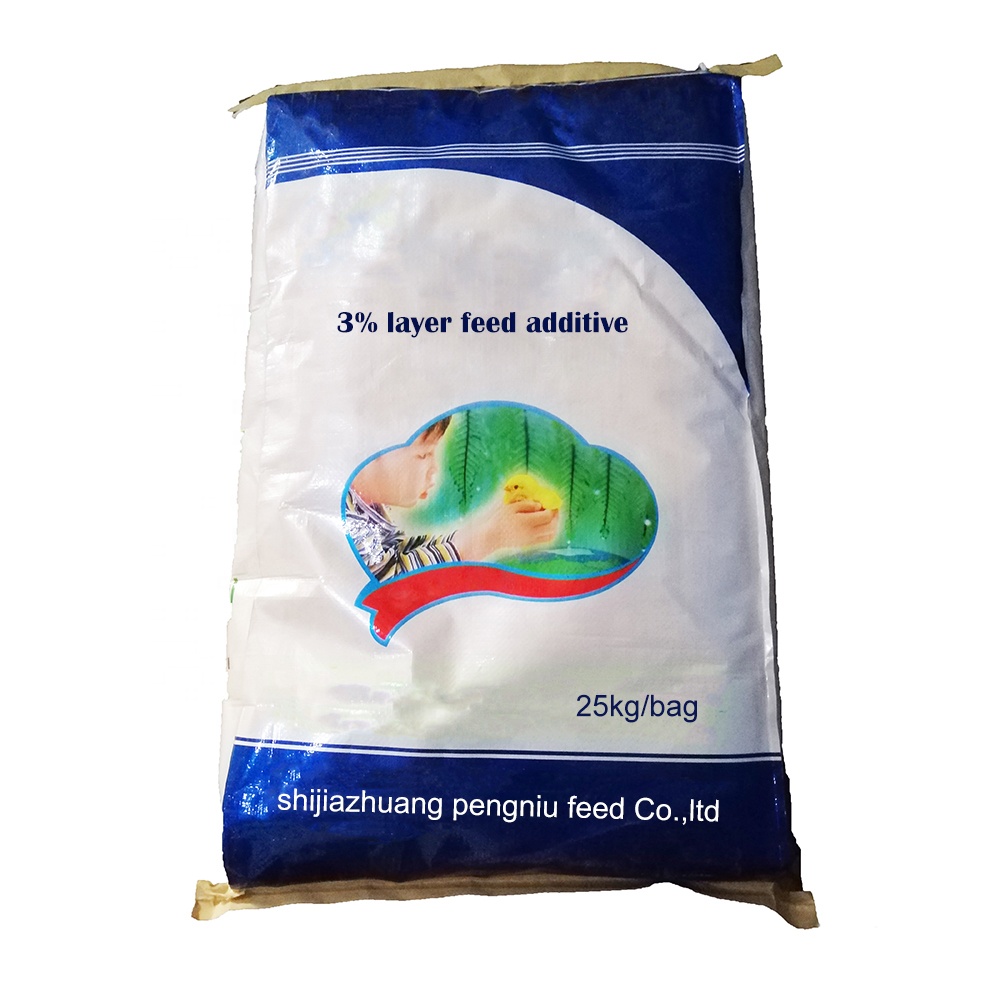
- Poultry (Broilers, Layers, Breeders): Essential for reducing stress during brooding, vaccination, heat stress, and transport, improving egg production, and meat quality.
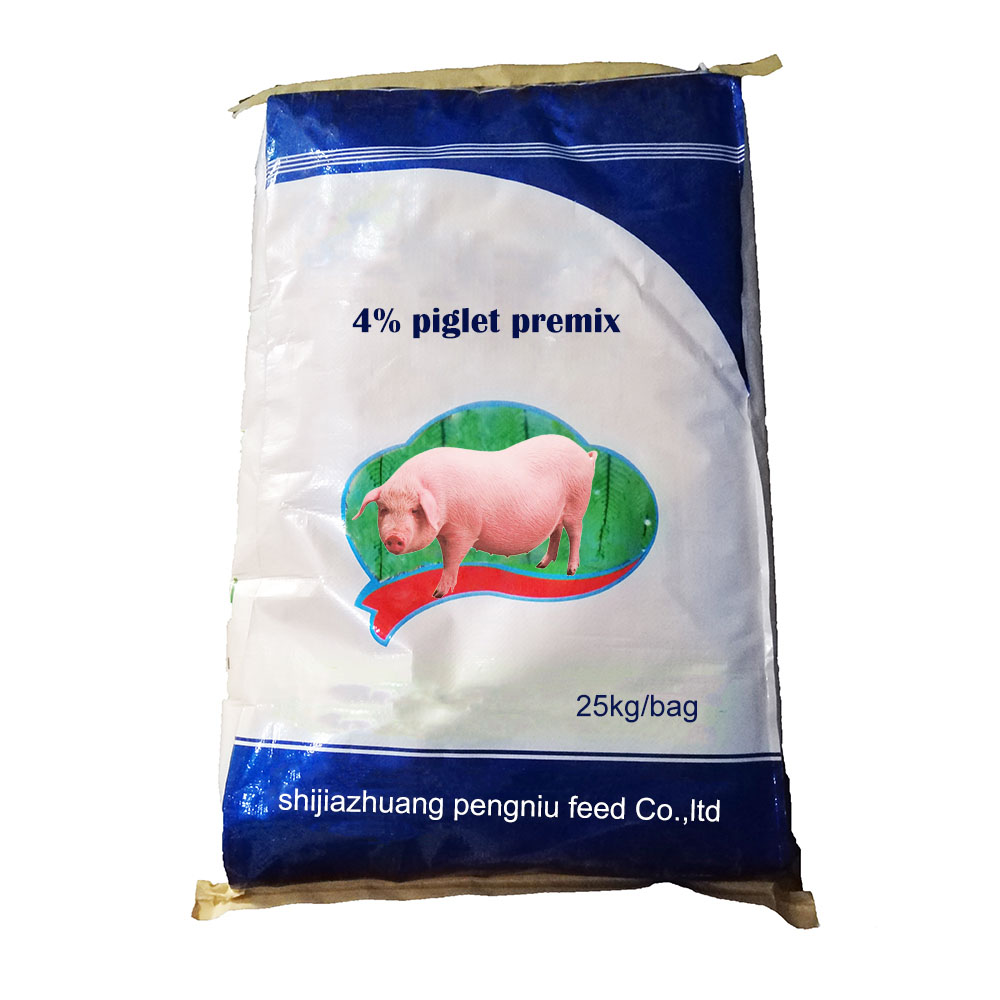
- Swine (Piglets, Growers, Sows): Critical for mitigating post-weaning stress, improving litter size, and enhancing growth performance.
- Aquaculture (Fish, Shrimp): Used during handling, transport, grading, and disease challenges to reduce mortality and improve growth in aquatic species.
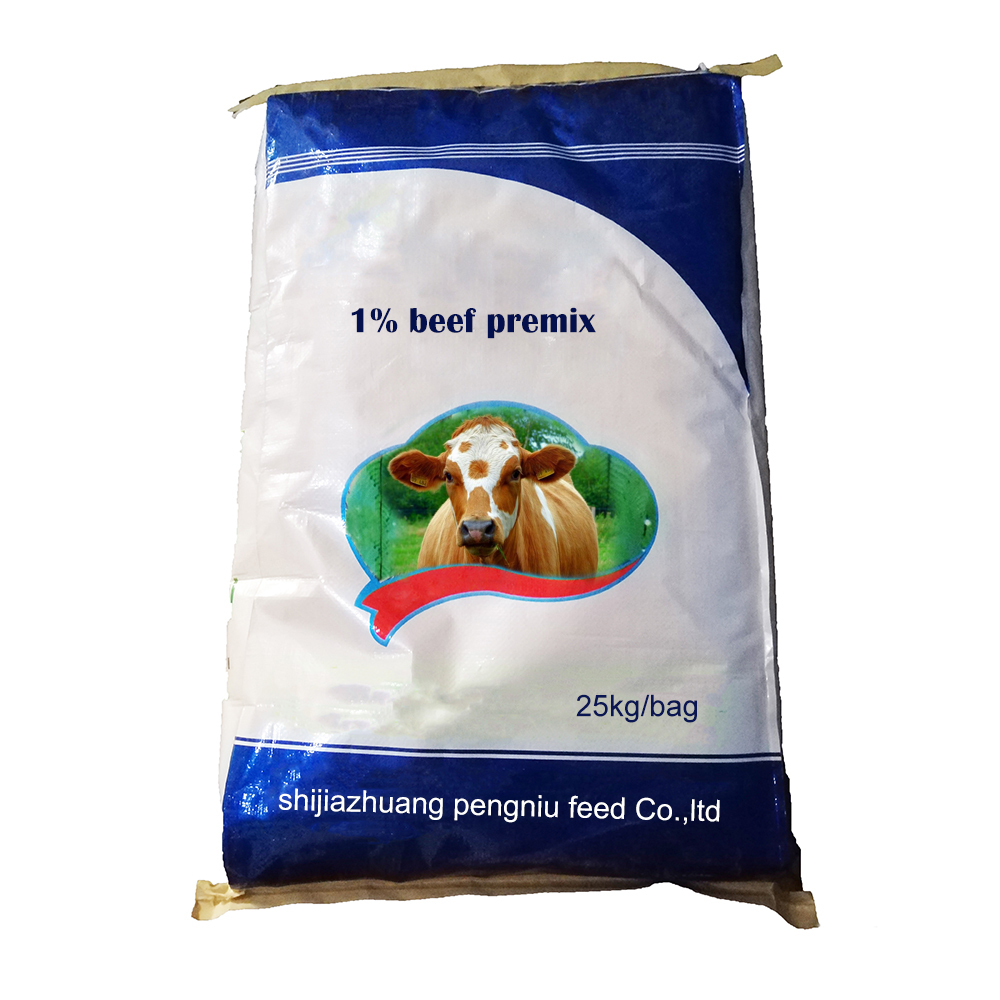
- Ruminants (Dairy Cattle, Beef Cattle): Applied during calving, peak lactation, heat stress, and feed changes to maintain productivity and health.
- Pet Food Manufacturers: Incorporated into specialized diets for companion animals prone to anxiety or during periods of life-stage transitions.
Vendor Comparison and Selection Criteria
Choosing the right supplier for anti stress powder is paramount for ensuring consistent product quality, efficacy, and regulatory compliance. B2B decision-makers should evaluate potential vendors based on several key criteria beyond just price.
Key Vendor Evaluation Parameters:
| Criterion | Importance Level | Description and Rationale |
|---|---|---|
| Certifications & Quality Standards | High | Look for GMP+, FSSC 22000, ISO 9001, HACCP. These indicate a robust quality management system and adherence to international feed safety standards. |
| R&D and Formulation Expertise | High | A vendor with strong R&D capabilities can offer innovative, science-backed formulations and troubleshoot specific challenges. |
| Raw Material Traceability | High | Ability to trace all ingredients back to their origin ensures transparency and accountability, crucial for feed safety. |
| Technical Support & Service | Medium-High | Access to nutritionists and technical experts who can provide guidance on application rates, integration into existing feed programs, and problem-solving. |
| Customization Capabilities | Medium | The ability to tailor formulations (e.g., specific vitamin levels, inclusion of certain botanicals) to meet unique client or regional needs. |
| Logistics & Lead Time | Medium | Reliable supply chain, efficient order processing, and reasonable lead times are essential for seamless operations. |
| Price-Performance Ratio | Medium | Not just the lowest price, but the best value proposition considering efficacy, quality, and support. |
A thorough evaluation based on these criteria ensures a partnership that delivers consistent, high-performing anti stress powder, contributing to the long-term success and competitiveness of the client's operations.
Customized Solutions and Premixed Powder Integration
While standard formulations of anti stress powder are highly effective, many B2B clients, particularly large-scale feed mills and integrators, require tailored solutions to meet specific animal genetics, environmental conditions, or disease challenges. Customization capabilities are a hallmark of a truly responsive and expert supplier.
Tailoring `Anti Stress Powder` Formulations:
- Ingredient Adjustments: Modifying the levels of specific vitamins (e.g., higher Vitamin C for heat stress), minerals, or the inclusion of particular botanicals based on client requirements or regional regulations.
- Targeted Additives: Integrating other functional additives like mycotoxin binders, enzymes, or specific gut health promoters to create a comprehensive `premixed powder` solution tailored for multiple challenges.
- Carrier Customization: Using specific carriers that are compatible with the client's existing feed ingredients or processing equipment.
- Concentration Variations: Producing more concentrated or diluted forms to fit specific inclusion rates in feed formulas.
A key advantage of such flexibility is the ability to seamlessly integrate the anti stress powder into existing `premixed powder` or concentrate formulations. This simplifies feed mill operations, reduces inventory management complexity, and ensures uniform distribution of all micro-ingredients. Suppliers with robust R&D teams can work collaboratively with clients to develop these bespoke solutions, conducting trials and stability tests to guarantee performance and compliance. This approach ensures that the client receives a product perfectly aligned with their specific strategic goals and operational needs, maximizing the return on investment in animal health interventions.
The value of a customized `premixed powder` often lies in its ability to address multiple nutritional and health challenges simultaneously, providing a holistic solution that optimizes animal performance and welfare under diverse conditions.
Application Case Studies & Customer Feedback (Experience)
Real-world application demonstrates the tangible benefits of a high-quality anti stress powder. These case studies highlight the practical experience and verifiable results achieved by incorporating these solutions into animal nutrition programs.
Case Study 1: Broiler Farm Heat Stress Mitigation
- Client: Large-scale broiler integrator in a tropical region.
- Challenge: Significant performance drops (reduced feed intake, increased mortality, lower body weight gain) during summer months due to heat stress.
- Solution: Implementation of a specialized `anti stress powder` formulation rich in electrolytes, Vitamin C, and betaine, administered in drinking water during peak heat periods.
- Results (Over 3 production cycles):
- Average daily gain increased by 4.5%.
- Mortality rate reduced by 1.8 percentage points.
- Feed Conversion Ratio (FCR) improved by 3 points (e.g., from 1.68 to 1.65).
- Estimated ROI: 5:1 from reduced losses and improved performance.
- Client Feedback: "The difference was palpable. Our birds were more active, and we saw a clear reduction in panting and huddling. This product has become indispensable for our summer management program."
Case Study 2: Swine Weaning Stress Management
- Client: Commercial pig farm experiencing high post-weaning diarrhea incidence and growth checks.
- Challenge: Weaning stress leading to gut dysbiosis, reduced feed intake, and increased medication use.
- Solution: Incorporation of a `premixed powder` containing a custom `anti stress powder` (with probiotics, prebiotics, and specific amino acids) into the creep and starter feeds for piglets.
- Results (Comparative trial over 6 batches):
- Post-weaning diarrhea reduced by 30%.
- Average daily gain in the first two weeks post-weaning increased by 8%.
- Reduction in antibiotic treatment days by 25%.
- Improved uniformity of piglet weights at 8 weeks.
- Client Feedback: "This tailored solution helped us transition piglets much more smoothly. We're seeing healthier pigs and spending less on treatments, which is a major win for our bottom line and animal welfare."
These examples underscore the efficacy and economic viability of strategically utilizing advanced stress management nutritional products. The emphasis on quantifiable results and direct client testimonials provides strong evidence of the product's performance and trustworthiness.
Authoritativeness and Trustworthiness: Our Commitment
Our dedication to quality and customer satisfaction is built on a foundation of rigorous standards, transparent practices, and steadfast support. This commitment ensures that every batch of anti stress powder delivered meets the highest industry benchmarks.
Certifications and Quality Assurance:
- ISO 9001 Certified: Demonstrates our adherence to internationally recognized quality management system standards.
- FSSC 22000 / GMP+ Compliant: Our manufacturing facilities operate under stringent feed safety management systems, ensuring product safety and traceability from raw material to finished good.
- In-House Laboratory Testing: Equipped with advanced analytical instruments, our labs conduct comprehensive testing of all raw materials and finished products, validating purity, potency, and safety according to AOAC, ISO, and other relevant industry protocols.
- Dedicated R&D Team: Our team of veterinary nutritionists and food scientists continuously researches and develops innovative solutions, ensuring our products are at the forefront of animal health science.
Lead Time and Fulfillment:
We understand the critical importance of timely delivery in animal production cycles. Our streamlined production and logistics ensure:
- Standard Lead Time: Typically 2-4 weeks for standard formulations, depending on order volume.
- Customized Orders: 4-6 weeks for custom `premixed powder` and specialized formulations, including formulation development and testing.
- Global Distribution Network: Efficient shipping and distribution channels to ensure products reach our clients worldwide reliably.
Warranty and Customer Support:
- Product Warranty: We guarantee the quality and potency of our `anti stress powder` as per the specifications on the product label for its declared shelf life when stored under recommended conditions. Any deviations will be addressed promptly.
- Technical Support: Our team of expert nutritionists and veterinarians is available for comprehensive technical consultation, dosage recommendations, and troubleshooting to optimize product performance in your specific applications.
- After-Sales Service: We provide dedicated after-sales support, including product usage guidance, performance monitoring, and rapid response to any inquiries or concerns.
Frequently Asked Questions (FAQ)
Q1: What is the optimal inclusion rate for anti stress powder?
A1: Inclusion rates vary depending on the animal species, age, stress level, and specific formulation. Typically, it ranges from 500g to 2kg per tonne of finished feed, or as directed by a nutritionist. For specific applications like drinking water, dissolution rates are provided.
Q2: Can this product be used with other feed additives?
A2: Yes, our anti stress powder is generally compatible with most common feed additives, including vitamins, minerals, enzymes, and probiotics. However, for specific combinations, especially with medications, it's advisable to consult with our technical team to ensure optimal efficacy and avoid incompatibilities.
Q3: How long does it take to see results from using `anti stress powder`?
A3: The onset of benefits can vary. Acute stress mitigation (e.g., during transport) can show immediate effects, while improvements in long-term performance (e.g., FCR, immunity) may become evident over several days to weeks of continuous supplementation.
Q4: Are there any withdrawal periods for this product?
A4: Our standard anti stress powder formulations are designed with ingredients that generally do not require a withdrawal period, making them suitable for continuous use up to slaughter. Always refer to the specific product label and local regulations for definitive guidance.
Conclusion
The continuous evolution of animal agriculture demands sophisticated solutions to persistent challenges. Anti stress powder stands as a testament to the advancements in nutritional science, offering a powerful tool for enhancing animal welfare, boosting productivity, and safeguarding the economic viability of modern farming operations. By integrating these expertly formulated solutions, producers can ensure their animals are better equipped to thrive in demanding environments, translating directly into improved health outcomes and superior production efficiency. The strategic use of such specialized feed additives is not merely a reactive measure but a proactive investment in resilient and sustainable animal production for the future.
References:
- NRC (National Research Council). 2012. Nutrient Requirements of Swine, 11th Rev. Ed. National Academies Press, Washington, DC.
- EU Commission Regulation (EC) No 183/2005. Laying down requirements for feed hygiene.
- ISO 22000:2018. Food safety management systems – Requirements for any organization in the food chain.
- EFSA Journal. Scientific Opinion on the Safety and Efficacy of [specific feed additive components, e.g., Vitamin C or trace minerals] for animal use.
- Kiefer-Starzyk, J. 2021. The role of nutritional strategies in mitigating heat stress in poultry. World's Poultry Science Journal, 77(3), 503-514.
- European Medicines Agency (EMA). Guidance on Good Manufacturing Practice (GMP) for animal feed.
Post time: September 19, 2025