Understanding Vet Drug: A Vital Link in Global Animal Health
If you’ve ever pondered how livestock stay healthy or wildlife is treated in the wild, the term vet drug inevitably comes up. At first glance, vet drugs are simply medications designed for animals. But the reality is far richer and more complex—and frankly, it’s a global story that touches food security, public health, and even economic stability worldwide.
Why does it matter? Veterinarians and animal health specialists rely on vet drugs to prevent disease outbreaks that could otherwise devastate entire herds, communities, or ecosystems. The benefits? We’re talking healthier animals, safer food supplies, and reduced risk of zoonotic diseases that can jump to humans. Understanding these medications, their uses and challenges, becomes essential not only for vets but also for farmers, policy-makers, and anyone invested in sustainable animal agriculture.
Global Context of Vet Drug Use
Vet drugs are everywhere—from dairy farms in Europe to pastoral communities in Africa, from urban pets in Asia to conservation efforts in South America. According to data from the Food and Agriculture Organization (FAO), global livestock production contributes to nearly 40% of agricultural GDP, and maintaining animal health through vet drugs is central to this enormous sector’s success.
But here’s the kicker: misuse or scarcity of quality vet drugs can lead to antimicrobial resistance, jeopardizing both animal and human health—a problem identified by the World Health Organization as a major global threat. Additionally, emerging markets face huge challenges in accessibility and affordability of these medicines. The animal health sector is thus at the crossroads of technology, policy, and global health security.
What Is a Vet Drug?
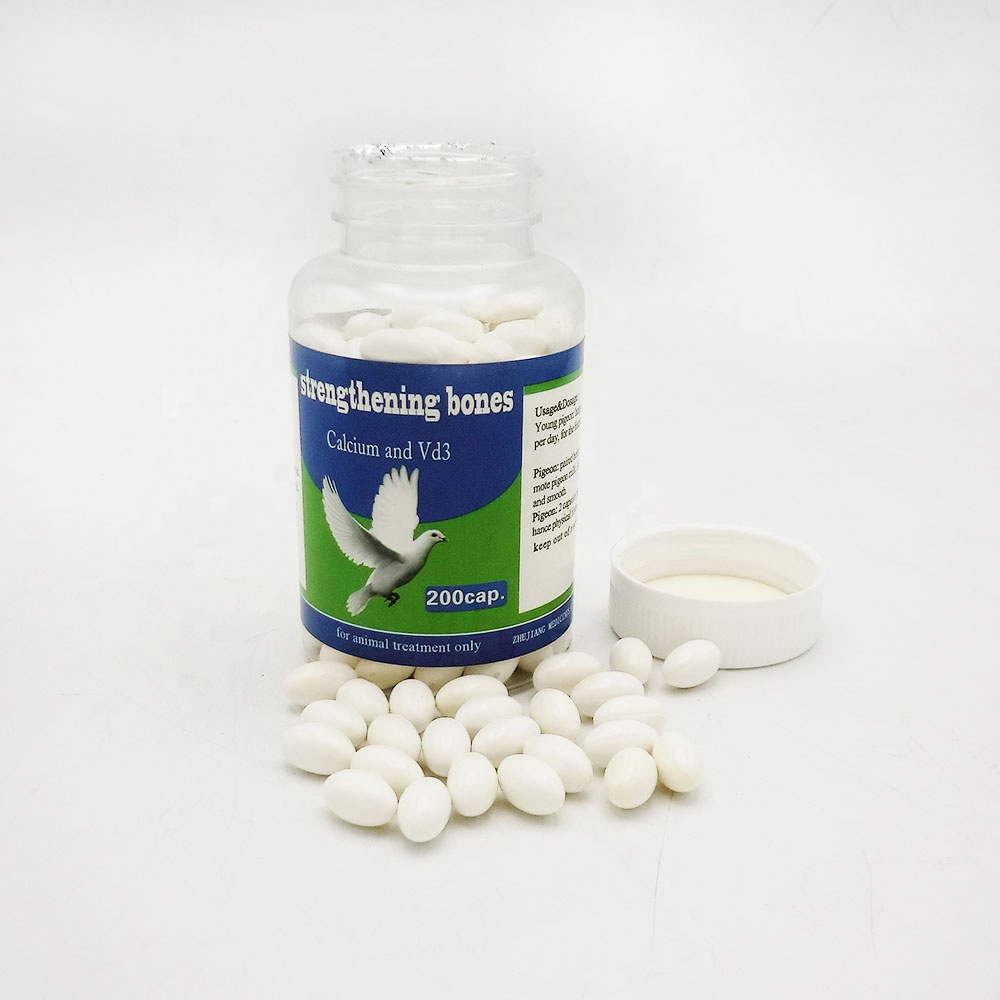
Simply put, a vet drug is any pharmaceutical or chemical product intended to prevent, diagnose, or treat diseases and disorders in animals. This includes antibiotics, vaccines, antiparasitics, anti-inflammatories, and more. Beyond pets and farm animals, it extends to fish farms and even wildlife conservation, knitting together a vast and diverse industry.
It’s not just medicine in a bottle. The vet drug industry works closely with veterinarians, manufacturers, and regulators to ensure safe, effective treatments that meet stringent standards—often harmonized globally by organizations like the International Organization for Standardization (ISO).
Core Components of Vet Drug Systems
1. Efficacy & Safety
A vet drug must reliably cure or prevent disease without causing harm. Rigorous clinical trials and constant post-market surveillance are vital to maintain these standards. Many engineers and scientists emphasize that safety profiles in animals must also consider potential human exposure, especially for livestock products.
2. Accessibility & Distribution
In many developing countries, accessibility is the biggest hurdle. Vet drugs must be distributed through reliable supply chains, often reaching remote areas where refrigeration and transport infrastructures are scarce.
3. Regulatory Compliance
Vet drugs require registration and compliance with regional and international regulations. This ensures quality control and reduces counterfeit or substandard products. Policies vary widely: in the US, the FDA regulates them, while in the EU there’s the EMA.
4. Cost Efficiency
Affordability affects market penetration and farmer adoption rates. Without cost-effective vet drugs, smaller farms struggle to maintain animal health. Subsidies or innovative financing schemes sometimes help bridge this gap.
5. Sustainability
The rise in antimicrobial resistance urges the use of greener, responsible vet drugs—those that minimize environmental impact and encourage responsible usage patterns.
Mini takeaway:
Vet drugs aren’t just medical tools; they represent a complex interplay of science, infrastructure, and policy essential for global animal health.
Global Applications & Use Cases
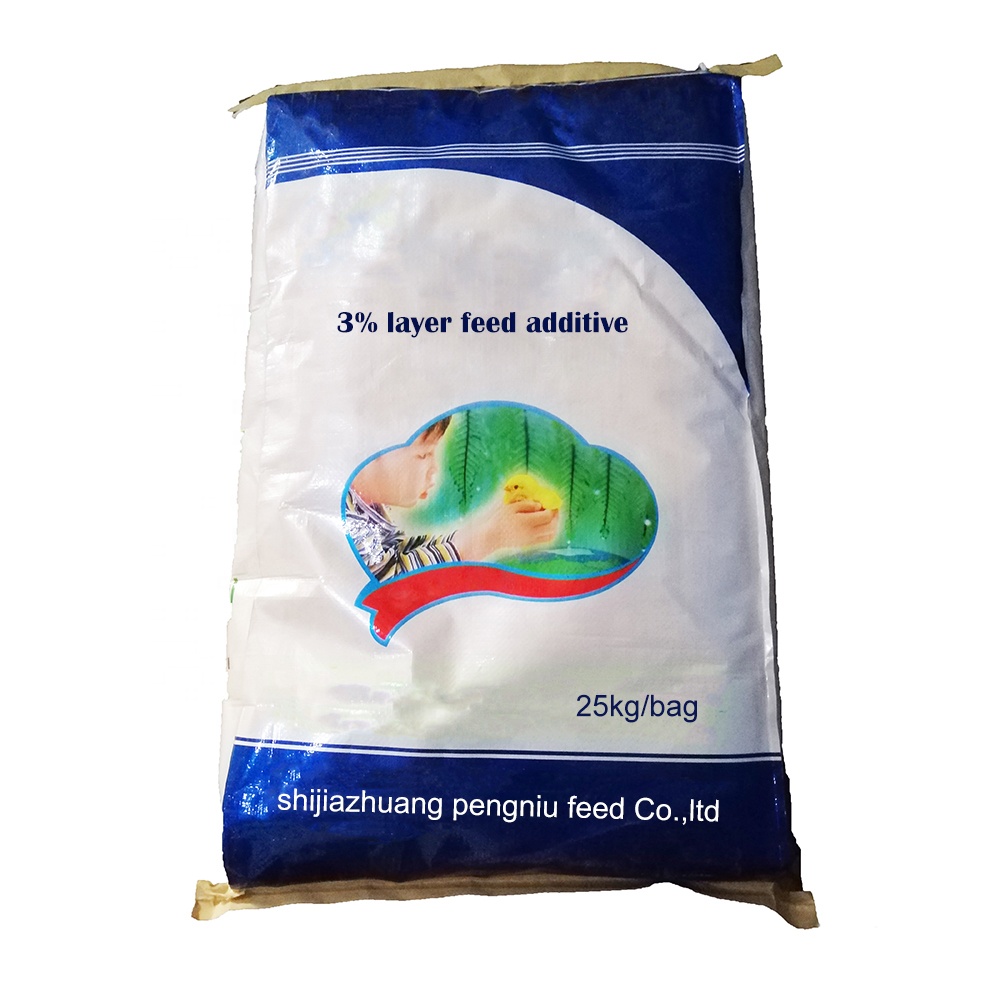
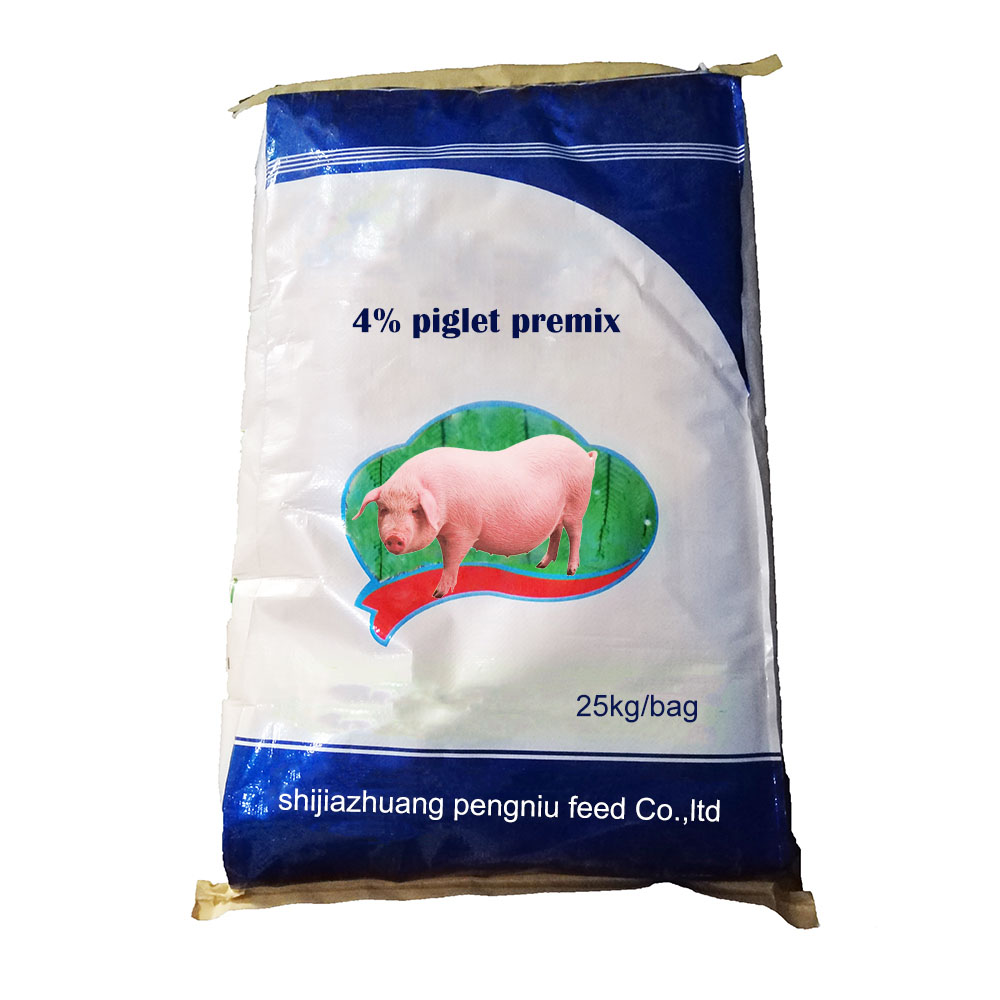
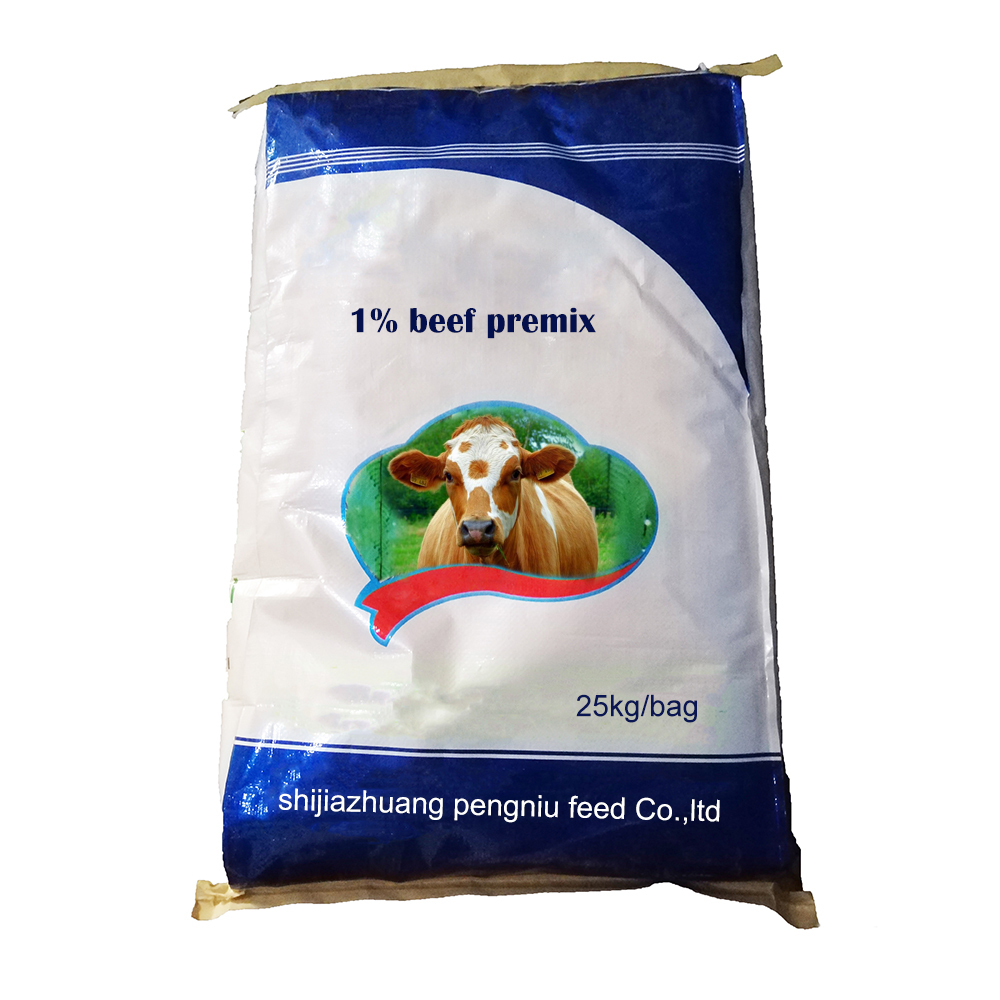
- Agricultural Livestock: From cattle rearing in Australia to pig farming in China, vet drugs reduce disease outbreaks and improve productivity.
- Companion Animals: Pets worldwide rely on regular vaccinations and treatments to prevent common illnesses, supporting humane care and public hygiene.
- Wildlife Conservation: In Africa’s savannahs or the Amazon rainforest, vet drugs help treat injured or ill animals, aiding biodiversity.
- Aquaculture: Fish farms in Southeast Asia use antiparasitics and antibiotics to ensure sustainable seafood production.
- Disaster Relief and Zoonotic Risks: In emergency operations, vet drugs curb disease outbreaks among displaced herds or wild populations, often preventing further ecological damage.
Oddly enough, this underscores the cross-sectoral importance of vet drugs—they buttress food safety, public health, and environmental stewardship simultaneously.
Advantages & Long-Term Value
Vet drugs deliver measurable benefits:
- Economic Stability: Healthy animals mean stable income for farmers and industries.
- Food Security: Preventing disease ensures steady supply of meat, dairy, and eggs.
- Social Welfare: Healthy livestock support rural livelihoods and community health.
- Public Health Protection: Curbing zoonoses protects human populations.
On a more emotional note, there’s a trust built between vets, farmers, and animal owners. Knowing that reliable vet drugs exist promotes confidence in managing animal health challenges, which, frankly, reduces stress and fear about unpredictable disease outbreaks.
Product Specifications: Typical Vet Drugs
| Product | Active Ingredient | Form | Indication | Shelf Life |
|---|---|---|---|---|
| Amoxicillin Injectable | Amoxicillin Trihydrate | Injection | Bacterial infections | 24 months |
| Ivermectin Oral Paste | Ivermectin | Oral Paste | Internal/External parasites | 18 months |
| Canine Distemper Vaccine | Live attenuated virus | Injection | Prevent distemper in dogs | 12 months |
Comparing Vet Drug Vendors
| Vendor | Product Range | Global Reach | Certification | Pricing |
|---|---|---|---|---|
| VetPharma Inc. | Broad (Antibiotics, vaccines) | Worldwide | FDA & EMA | Mid-range |
| GreenVet Solutions | Specialized in antiparasitics | Europe & Asia | ISO Certified | Premium |
| AgriBioTech Ltd. | Vaccines and supplements | Africa & Latin America | WHO GMP | Economical |
Future Trends in Vet Drug Development
The sector isn’t standing still. Digital transformation is a buzzword everywhere, and vet drugs are no exception. Think “smart” drug delivery systems, AI-powered diagnostics to better tailor treatments, and blockchain to track drug authenticity along supply chains.
Green veterinary medicines are also gaining traction. There’s growing research in developing biodegradable drug carriers and exploring plant-based compounds as alternatives to synthetic antibiotics. Given challenges like climate change impacting animal health, sustainability isn’t just trendy—it’s critical.
Challenges Facing Vet Drug Use & Mitigation
Despite advancements, hurdles like antimicrobial resistance (AMR), illegal veterinary drugs, poor infrastructure, and regulatory gaps still confront the industry. It calls for cross-border cooperation and increased investment in veterinary training and awareness. NGOs and governments sometimes run outreach to educate farmers on responsible drug usage—a simple but effective step.
FAQ: Frequently Asked Questions About Vet Drug
- Q: How do vet drugs differ from human medicines?
- Veterinary drugs are specifically formulated and dosed for animals, taking into account species differences in metabolism and safety. This ensures effectiveness and reduces the risk of side effects or residues in food products.
- Q: Can vet drugs contribute to antimicrobial resistance?
- Yes, improper or excessive use of antibiotics in animals can encourage resistant bacteria. Responsible use guided by veterinarians, proper dosing, and withdrawal periods help mitigate this risk.
- Q: Are vet drugs readily available in rural areas?
- Availability depends on infrastructure and distribution networks. While some regions have excellent access, remote areas still face shortages and counterfeit products. Efforts to improve supply chains continue worldwide.
- Q: What safety measures are in place for vet drug use in food-producing animals?
- Regulations impose strict withdrawal periods ensuring no harmful residues remain in meat, milk, or eggs. These rules protect consumers and maintain product safety.
Conclusion: Why Vet Drug Matters Long-Term
Ultimately, vet drugs are much more than animal medicine. They’re pillars supporting global food security, sustainable farming, and public health. You might say they’re the quiet guardians behind some of our most vital systems. The key takeaway? Continuous innovation, responsible use, and informed policies will shape the future of animal health.
If you want to explore more about this topic or find reliable vet drugs, feel free to visit our site: vet drug.
Interestingly, as one digs deeper, it feels like the vet drug story is really a global stewardship journey—balancing science, ethics, and community well-being.
Post time: December 2, 2025