The Growing Role of Veterinary Med in Global Health and Industry
Veterinary med — or veterinary medicine, for those who prefer full formality — might sound niche, yet its global importance is truly colossal. It sits at the crossroads of public health, agriculture, and wildlife conservation. Understanding veterinary med opens doors to safer food systems, better zoonotic disease control, and improved animal welfare across continents. So even if you don’t have a dog or a cow, veterinary med still impacts your life in the most practical ways.
Global Context: Why Veterinary Med Matters More Than Ever
Did you know that the World Bank estimates over 60% of human infectious diseases come from animals? This makes veterinary med a frontline defense against pandemics, food insecurity, and biodiversity loss. On a more tangible scale, the UN’s Food and Agriculture Organization (FAO) reports that improved veterinary services can boost agricultural productivity and rural livelihoods by up to 20%. Oddly enough, this field blends high-tech labs with boots-on-the-ground care for livestock in some of the most far-flung corners of our planet.
However, veterinary med also faces challenges: limited resources in developing regions, rising antimicrobial resistance, and the constant need to update knowledge and technology to keep pace with emerging diseases.
Mini takeaway: Veterinary med is essential globally, underpinning food security and health while continuously adapting to rising challenges.
What Exactly Is Veterinary Med?
Simply put, veterinary med is the branch of medicine focused on diagnosing, treating, and preventing diseases in animals — everything from household pets to farm animals and wildlife. But it’s more than surgery and vaccines; it also includes fields like epidemiology (the study of disease spread), pharmacology, and nutrition.
The link to modern industries is obvious: healthy animals mean safer humans and better products. Industries like dairy, meat production, animal-based pharmaceuticals, and even pet care owe their success to veterinary med. From a humanitarian angle, it supports livelihoods and preserves ecosystems, especially in vulnerable communities.
Mini takeaway: Veterinary med serves as a crucial bridge between animal health and human well-being in an interconnected world.
Core Components of Veterinary Med
1. Disease Diagnosis and Prevention
Early diagnosis through lab work or field tests and strategic vaccination programs form the backbone of veterinary disease control. It’s not just about treating symptoms; it’s about preventing outbreaks that could ripple through populations.
2. Nutrition and Husbandry
Good nutrition combined with proper animal husbandry practices keeps livestock productive and pets healthy, which translates to better yields and longer lifespans.
3. Pharmaceutical and Therapeutic Development
From antibiotics to antiparasitics, the development and responsible application of veterinary drugs require deep knowledge of animal physiology and resistance patterns, which must keep evolving alongside bacterial mutations.
4. Epidemiology and Public Health
Veterinary med professionals track and manage zoonotic diseases (those transmissible to humans), ensuring timely intervention and policy coordination globally.
5. Surgical and Clinical Care
Innovations in veterinary surgery, anesthesia, and critical care are making animal treatment more effective and humane.
Mini takeaway: Veterinary med’s components are a complex ecosystem aimed at holistic animal and public health.
Global Applications and Real-World Use Cases
You can find veterinary med in action everywhere: from improving dairy cattle health in Europe to controlling rabies in African wildlife. In post-disaster relief operations, mobile veterinary clinics help displaced livestock survive. In remote industrial zones, veterinary telemedicine supports farms with limited onsite expertise.
International agencies like the World Organisation for Animal Health (OIE) coordinate veterinary standards to improve animal welfare worldwide. Industries ranging from organic farms in North America to aquaculture in Southeast Asia lean heavily on veterinary expertise to stay sustainable and profitable.
Mini takeaway: Veterinary med adapts as a practical, global tool — supporting economies, ecosystems, and emergency responses alike.
Advantages and Long-Term Value of Veterinary Med
- Cost Efficiency: Preventing disease costs far less than treating widespread outbreaks.
- Sustainability: Healthy livestock reduce environmental strain through better feed conversion and lower antibiotic dependence.
- Social Impact: Community health, nutrition, and local economies improve dramatically with reliable veterinary services.
- Reliability: Veterinary innovation builds trust among farmers and pet owners, ensuring consistent quality of care.
Emotionally, it’s reassuring to know animals we depend on or love receive compassionate, innovative care. It breeds a sense of dignity and ethical stewardship over our fellow beings.
Mini takeaway: The tangible and intangible benefits of veterinary med create a foundation for resilient communities and ecosystems.
Future Trends and Innovations in Veterinary Med
Emerging technologies will transform veterinary care: think digital diagnostics via AI-enhanced imaging, precision medicine based on genetics, and automated telehealth outreach. Plus, the push for sustainable pharmaceuticals aims to minimize environmental footprints.
Green energy-powered mobile clinics and blockchain-enabled traceability for animal products are already rising trends. The intertwining of veterinary med with global One Health initiatives — recognizing the interconnectedness of human, animal, and environmental health — is redefining priorities.
Mini takeaway: The future holds a tech-savvy, eco-conscious, and integrative evolution for veterinary med.
Challenges and Expert Solutions
Veterinary med faces hurdles: drug resistance threatens long-term efficacy, remote areas often lack trained professionals, and regulatory differences between countries slow innovation adoption. Frankly, many practitioners say the biggest battle is balancing rapid emergency responses with ongoing preventive care.
Solutions? Capacity-building through remote education, public-private partnerships to subsidize vaccines, and international harmonization of veterinary regulations are critical moves forward. It’s a collective effort requiring constant knowledge sharing and policy agility.
Veterinary Med Product Specification Table
| Product | Use Case | Features | Shelf Life | Storage Conditions |
|---|---|---|---|---|
| Veterinary Vaccine A | Cattle viral prevention | Freeze-dried, multi-strain | 24 months | 2–8 °C refrigeration |
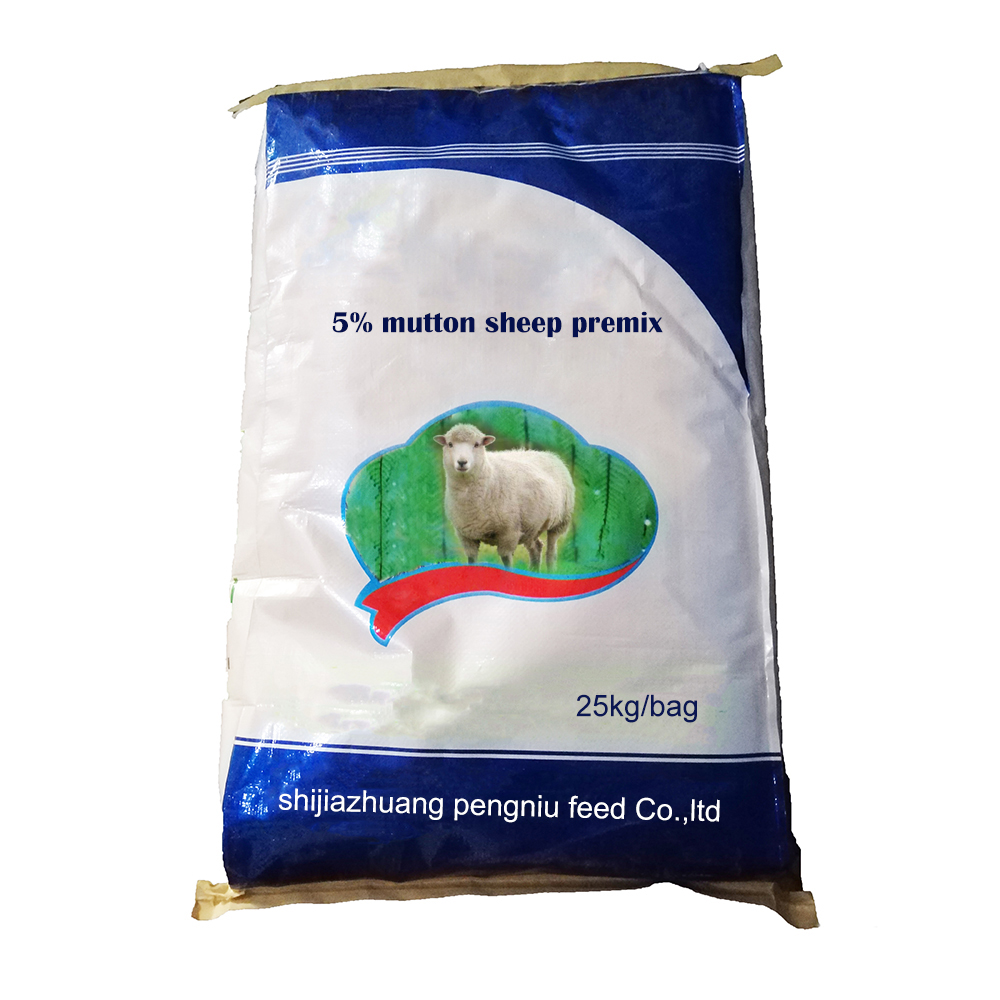
| Antiparasitic Gel B | Sheep internal parasites | Sustained-release formula | 18 months | Room temperature |
| Digital Diagnostic Scanner | Internal imaging for pets | Portable, AI-assisted reading | N/A (device) | Device dependent |
Vendor Comparison Table for Veterinary Med Solutions
| Vendor | Product Range | Global Reach | R&D Investment | Customer Support |
|---|---|---|---|---|
| VetHealth Corp. | Vaccines, diagnostics, therapeutics | 120 countries | $150M annually | 24/7 multilingual support |
| AgroVet Solutions | Parasite control, nutrition, feed additives | 80 countries | $90M annually | Regional offices, limited 24/7 |
| BioVet Technologies | AI diagnostics, telemedicine tools | 50 countries | $40M annually | Dedicated online platform |
Frequently Asked Questions About Veterinary Med
- What makes veterinary vaccines different from human vaccines?
- Veterinary vaccines are specifically formulated to target diseases in animals, considering species-specific immune responses. They may address livestock diseases affecting agriculture or pets' unique pathogens. Safety protocols consider animal health and food safety standards but differ from human regulations.
- How does veterinary med help prevent zoonotic diseases?
- Veterinary med monitors, diagnoses, and controls infections in animal populations before they spread to humans. Vaccination campaigns, surveillance, and outbreak management collectively reduce risks of zoonotic transmission.
- Are telemedicine services reliable for animal care?
- Telemedicine offers remote consultations, especially useful in areas lacking veterinary access. While it can’t replace physical exams entirely, combining it with local support and diagnostics makes it a trustworthy initial or follow-up tool.
- How sustainable are modern veterinary pharmaceuticals?
- There’s a growing focus on eco-friendly drug formulations and responsible use to reduce environmental impact, alongside advancements in biodegradable packaging and improved disposal methods.
Conclusion
Veterinary med stands as a pillar of global health, blending science, compassion, and innovation to protect animals — and by extension, humanity. Its multifaceted benefits touch everything from economics to ethics, food chains to ecosystems. If you’re curious to dive deeper or explore cutting-edge veterinary solutions, visit our website at https://www.rcpetfood.com.
As someone who’s witnessed the field’s evolution firsthand, I can say veterinary med isn’t just a science; it’s a promise for a healthier shared future.
References
- World Bank on Zoonotic Diseases
- FAO Animal Health Division
- World Organisation for Animal Health (OIE)
It feels like veterinary med is quietly shaping our world more than we realize — and that’s pretty exciting.
Post time: December 2, 2025