Understanding Livestock Medicine: A Vital Pillar in Global Agriculture
Livestock medicine, at its core, is about safeguarding the health and welfare of animals raised for food, fiber, and labor. While it might sound niche, its impact is massive—touching everything from the food we eat to the livelihoods of billions worldwide. Why care about livestock medicine? Well, keeping animals healthy directly supports food security, economic stability, and even public health, especially in developing regions.
Why Livestock Medicine Matters Globally
In recent decades, the world’s livestock population has exploded, with estimates from the Food and Agriculture Organization (FAO) noting over 1.5 billion cattle and countless sheep, goats, and poultry worldwide as of 2020.1 This rapid growth challenges farmers and governments alike to prevent disease outbreaks, ensure animal welfare, and meet rising demand sustainably.
Here’s the kicker: diseases like foot-and-mouth can wipe out entire herds, compromising food supply. Livestock medicine addresses this through vaccinations, treatments, and health monitoring technologies—essential tools that shape resilient food systems globally.
Definition and Scope of Livestock Medicine
Simply put, livestock medicine refers to veterinary practices focused on the prevention, diagnosis, and treatment of diseases in farm animals. This includes a wide array of animals—cows, sheep, goats, pigs, poultry, and more. It's not just about curing illness but also about proactive management to boost growth rates and improve animal welfare.
This field bridges modern veterinary science and agricultural practice. It’s deeply connected to humanitarian goals too, like poverty reduction in rural areas and ensuring safe, nutritious food for growing populations.
Core Components of Livestock Medicine
1. Disease Prevention and Control
Vaccinations, biosecurity measures, and quarantine protocols reduce outbreaks. For example, routine immunizations protect cattle from diseases such as brucellosis and anthrax.
2. Nutritional Management
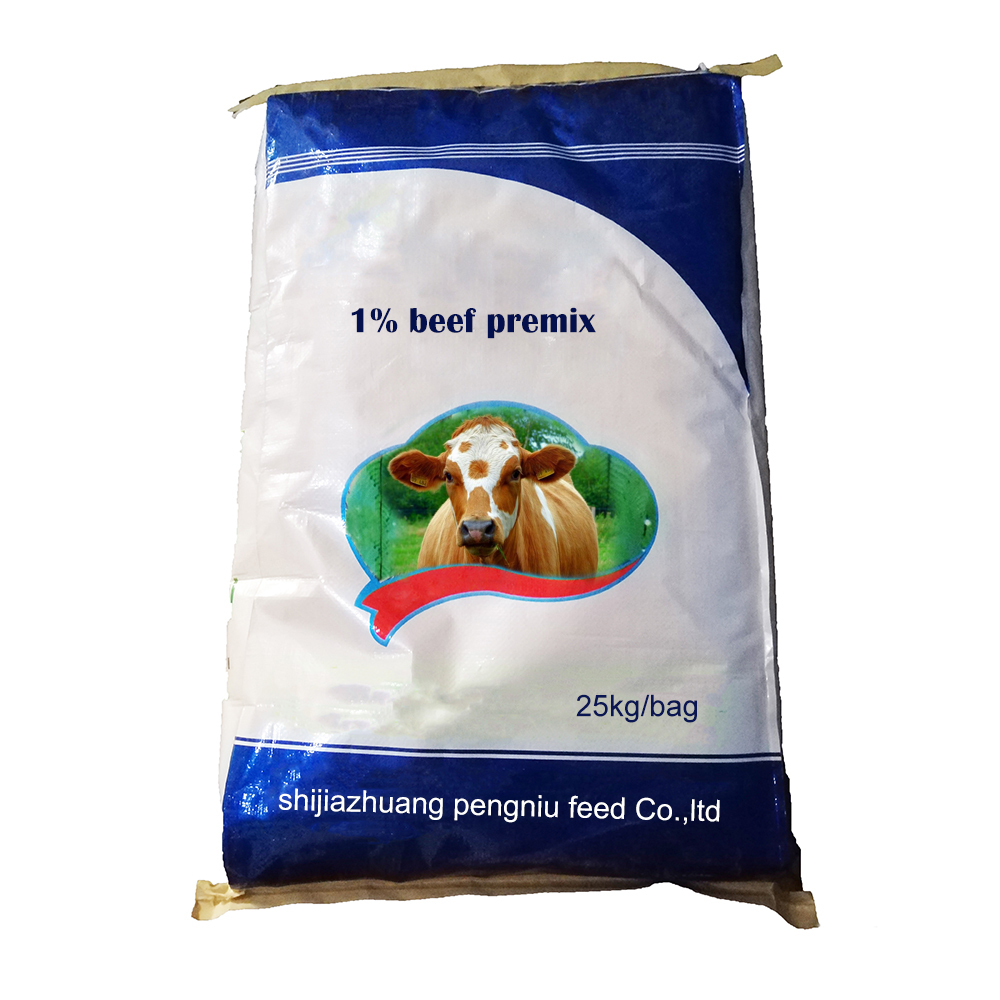
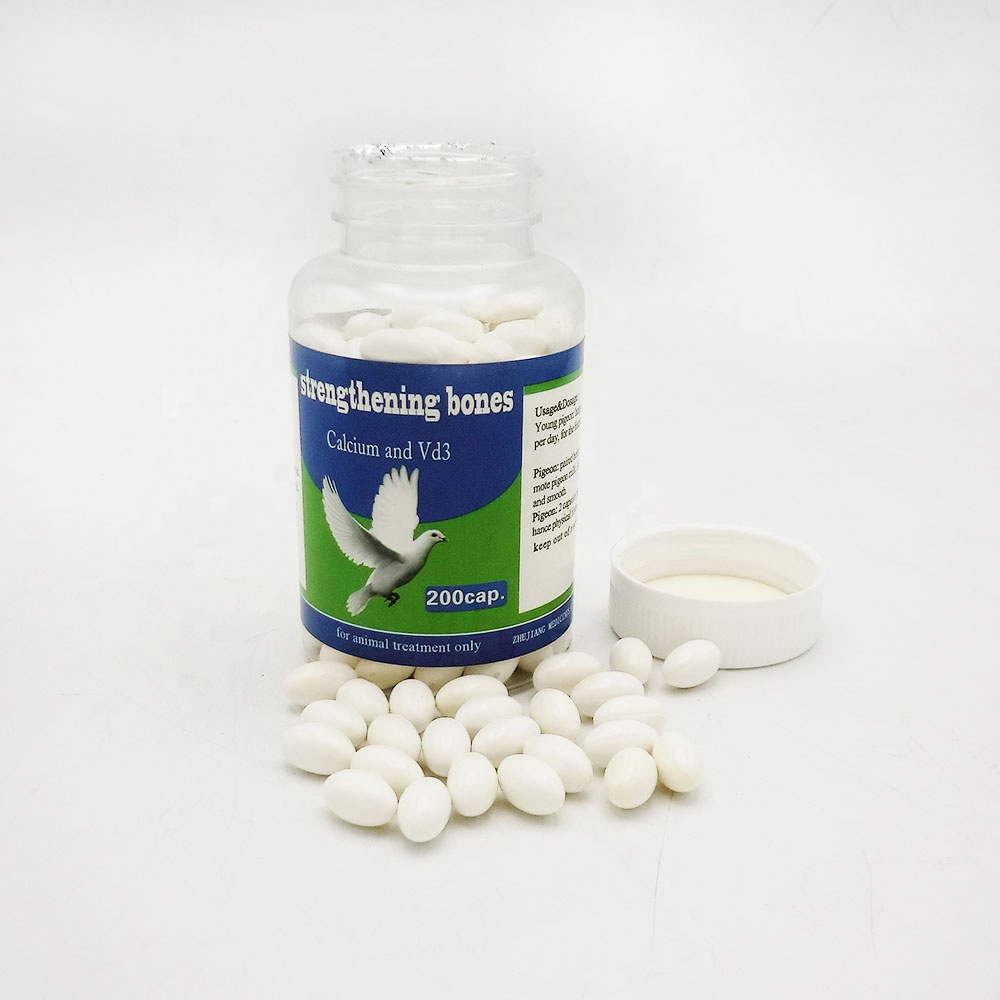
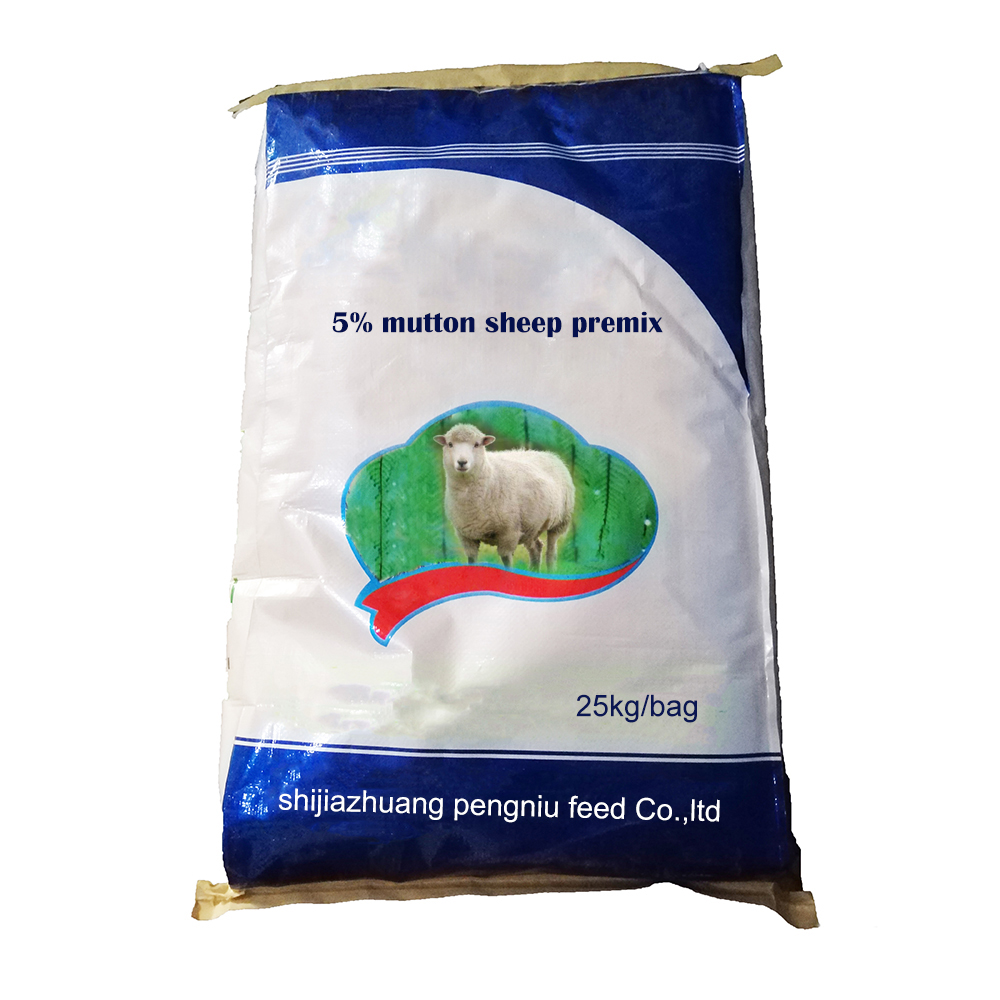
Balanced diets supplemented with minerals and vitamins enhance immunity. Longevity and productivity depend a lot on what animals eat.
3. Diagnostic Services
Timely disease detection via blood tests, cultures, and on-field rapid tests allows interventions before things spiral out of control. Digital tools are increasingly part of diagnostics.
4. Therapeutic Treatments
Antibiotics, antiparasitics, and other pharmaceuticals are used judiciously to treat infections while combating resistance concerns.
5. Animal Welfare and Ethics
Ensuring humane conditions—from proper shelter to stress reduction—plays a critical role in overall herd health and productivity.
Mini takeaway: Livestock medicine is a multidisciplinary toolkit, blending disease management, nutrition, welfare, and advanced diagnostics to enhance animal health practically.
Global Applications & Use Cases
Oddly enough, livestock medicine's relevance stretches from vast industrial farms in the U.S. and Europe to smallholder farmers in sub-Saharan Africa and South Asia. NGOs and governments often deploy veterinary outreach programs during droughts and disasters to prevent secondary livestock losses.
- In post-disaster relief, mobile veterinary units help control infections spreading through weakened herds.
- In remote areas, solar-powered refrigeration preserves vaccines, allowing ongoing immunization programs where cold chains are unreliable.
- Commercial farms use health-monitoring wearables to optimize feeding and reduce medication overuse.
For example, the World Organisation for Animal Health (WOAH) promotes international cooperation on livestock disease surveillance, which is central to maintaining global trade and food supplies.2
Advantages and Long-Term Value
Livestock medicine is not just about economics—it’s also deeply social. Healthy animals mean stable incomes for farmers, fewer zoonotic diseases threatening humans, and better-quality products for consumers. Ethically, it supports humane treatment, fostering dignity even in the toughest farming contexts.
| Key Benefit | Description | Real-World Impact |
|---|---|---|
| Cost Reduction | Preventing disease lowers treatment costs and losses. | Farmers save thousands annually on vet bills and culling. |
| Food Security | Healthy animals yield better meat, milk & wool. | Increased production supports growing populations. |
| Sustainability | Reduces the environmental footprint through efficient herds. | Promotes responsible farming and reduces waste. |
Future Trends & Innovations
The field is evolving fast—digital transformation, automation, and sustainability are cornerstone trends. Take “smart farming” platforms that integrate sensors measuring vitals and movement, which alert vets instantly to abnormalities. There’s growing use of genomic testing to breed disease-resistant animals, reducing reliance on drugs.
Also, innovations in vaccines (like mRNA technology adapted from human medicine) promise quicker responses to emerging diseases. Green energy-powered cold chains and drone delivery systems are not sci-fi—they’re increasingly real in remote veterinary care.
Challenges & Solutions
Despite all this, hurdles remain. Antibiotic resistance is a looming global concern, prompting cautious use of medicines. Infrastructure in rural or developing regions often can’t support complex storage or diagnostic needs. And socio-economic barriers mean knowledge transfer to small farmers can lag behind.
Experts recommend a combination approach: community education, digital access to expert advice, and government policy reforms to subsidize and regulate veterinary services. Partnerships with NGOs and tech companies are critical here.
Vendor Comparison: Leading Livestock Medicine Providers
| Vendor | Product Range | Technology Use | Global Reach | Price Range |
|---|---|---|---|---|
| VetMed Solutions | Vaccines, diagnostics | AI-supported diagnostics | 60+ countries | $$$ |
| AgriHealth Corp | Therapeutics, nutritional supplements | Mobile apps for farmers | North & South America | $$ |
| GreenVet Technologies | Eco-friendly medicines, natural supplements | Sustainable supply chain | Europe, Asia | $$$ |
FAQ: Frequently Asked Questions About Livestock Medicine
- What are the most common diseases livestock medicine targets?
- Common diseases include foot-and-mouth disease, brucellosis, mastitis, and parasitic infections. Effective vaccines and treatments are essential to control their spread, ensuring herd health and productivity.
- How can small-scale farmers access livestock medicine?
- Many governments and NGOs provide outreach programs offering vaccinations and training. Also, mobile veterinary clinics and affordable mobile apps link farmers with veterinary advice, improving accessibility.
- Is antibiotic use in livestock safe?
- When used responsibly under veterinary guidance, antibiotics are effective. However, misuse can lead to resistant bacteria, so prudent use and alternative therapies are growing in emphasis.
- How does livestock medicine impact food safety?
- Healthy animals yield safer products, reducing risks of zoonotic diseases and contamination. Regular health checks and withdrawal periods before slaughter are important industry practices.
Conclusion: The Road Ahead with Livestock Medicine
In real terms, livestock medicine underpins the stability of global food systems and rural economies. Its advances offer hope for meeting rising demand sustainably and humanely. If you want to explore how modern veterinary solutions can transform agriculture and support your operations, I encourage you to visit our site at livestock medicine.
There's something quietly profound about caring for the animals that, in turn, feed and clothe us. Through continued innovation and mindful application, livestock medicine keeps this circle thriving.
Takeaway: Livestock medicine is much more than vet care — it’s a cornerstone of global food security, sustainability, and rural livelihoods.
Post time: December 2, 2025