Understanding Veterinary Medical Products: Why They Matter Globally
When you hear the term veterinary medical products, you might think of basic pet care or farm animal vaccines. But, in reality, this field impacts many corners of our world—from food security in developing nations to breakthroughs in One Health initiatives linking human and animal wellness. These products include medicines, diagnostics, vaccines, and equipment designed specifically for animals, ensuring their health and well-being. Why does this matter globally? Because healthy animals mean safer food supplies, reduced zoonotic disease transmission, and strengthened economies in regions relying on livestock.
Understanding veterinary medical products unlocks a set of key benefits: better disease control, improved animal welfare, and increased productivity. In a world where pandemics have demonstrated how connected human and animal health are, these products have never been more crucial.
The Global Context: Why Veterinary Medical Products Are Essential
Globally, the veterinary medical industry is growing rapidly, with the market projected to reach over $65 billion by 2027 (source: Statista). Livestock farming employs nearly 1.3 billion people worldwide, many in low-income countries reliant on animal health for income. Yet, infectious diseases cause losses measuring billions annually.
The World Organization for Animal Health (OIE) highlights veterinary products’ role in controlling transboundary animal diseases that could spread globally. Meanwhile, challenges such as antimicrobial resistance (AMR) highlight the need for improved diagnostics and prudent drug use. And let’s not forget: veterinary medical products are also key in wildlife conservation and preventing emerging zoonoses.
What Are Veterinary Medical Products?
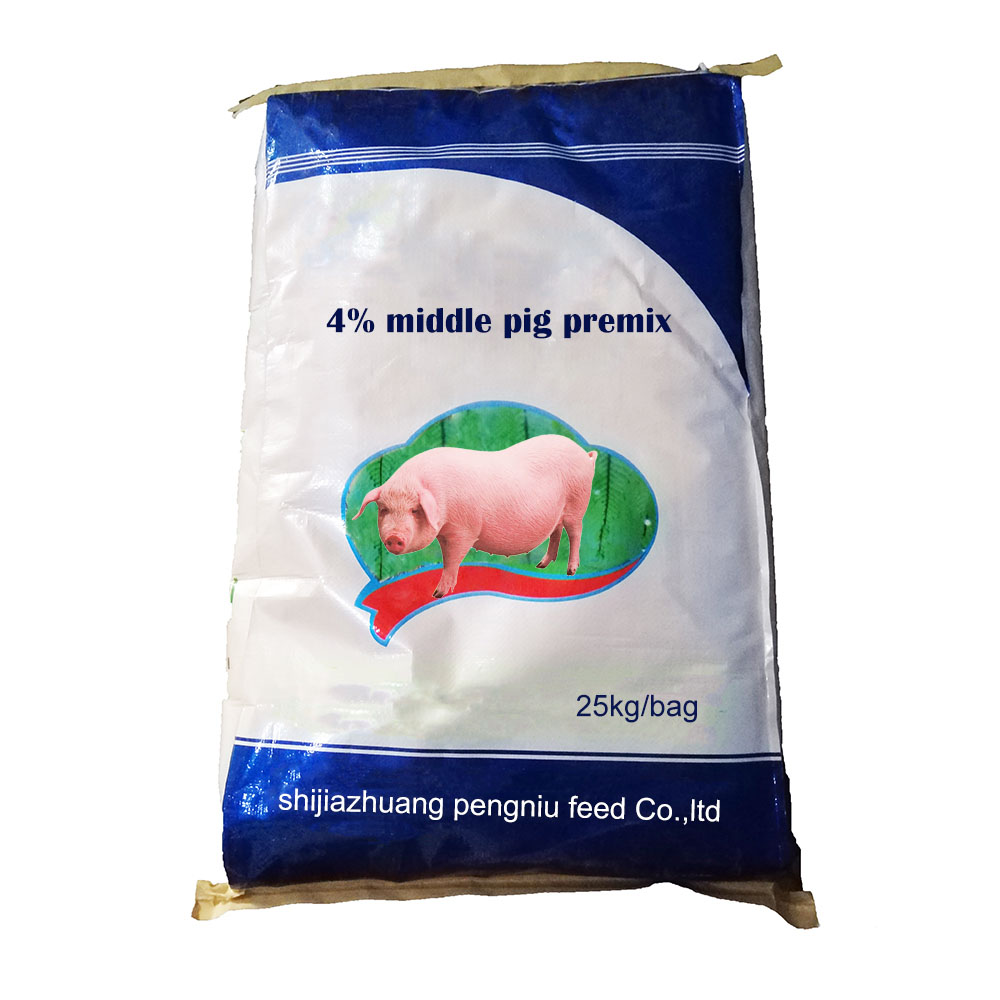
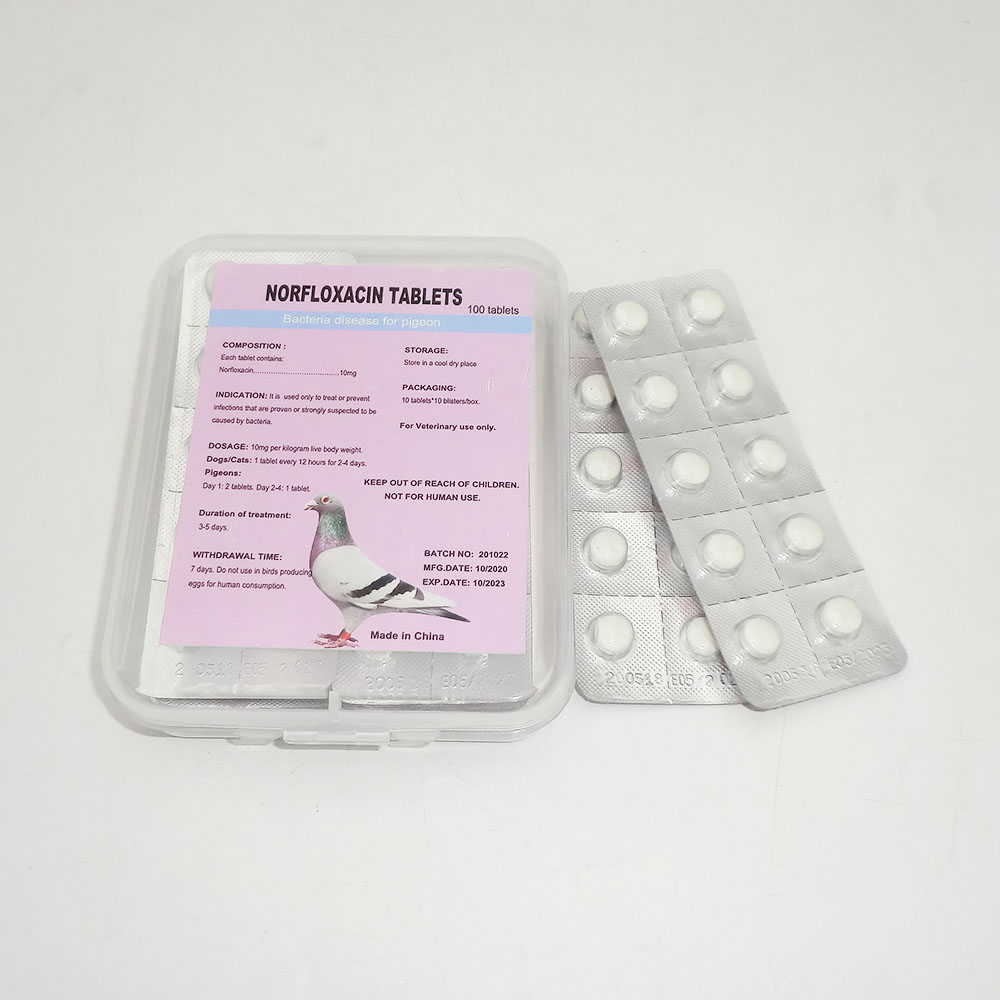
Simply put, veterinary medical products encompass all drugs, vaccines, diagnostics, devices, and nutritional supplements intended for animals. These products ensure healthy livestock, companion animals, and even wild species.
They’ve evolved from simple remedies to complex biotechnological solutions enabling rapid diagnosis, targeted treatment, and preventive care in vast, often resource-limited environments. The connection to humanitarian needs is obvious—healthy animals support livelihoods, food security, and safe environments, especially in vulnerable communities.
Key Components Defining Veterinary Medical Products
1. Efficacy and Safety
Products must reliably treat or prevent disease without causing harm. This involves rigorous clinical testing and regulatory approval, respecting species differences and pharmacodynamics.
2. Durability and Storage Conditions
In many regions, supply chains are rough, and cold storage may be unavailable. Veterinary products need stability, often formulated for extended shelf life and resistance to temperature fluctuations.
3. Scalability and Accessibility
Meeting global animal health needs means products must be producible in large volumes and priced affordably. Developing nations especially require low-cost alternatives without compromising quality.
4. Versatility Across Species
One-size-fits-all rarely works. While some medications treat multiple species, others must be precisely targeted, e.g., feline vaccines versus dairy cattle antibiotics.
5. Innovation and Compliance
Advances in biotechnology and diagnostics allow for smart delivery systems and rapid tests. Regulatory frameworks like those from the FDA’s Center for Veterinary Medicine (CVM) or EMA ensure products meet safety and efficacy standards.
Global Applications & Real-World Use Cases
Across continents, these products find diverse roles:
- Sub-Saharan Africa: Vaccination campaigns combat Rift Valley Fever in livestock, protecting both animals and humans.
- South Asia: Diagnostics enable rapid detection of foot-and-mouth disease, curbing outbreaks.
- Europe & North America: Advanced biologics support companion animal healthcare, improving pet longevity.
- Post-disaster response: Emergency veterinary kits are critical to maintain herd health and prevent secondary famines.
- Industrial agriculture: Precision medicines and aerobiological monitoring reduce antibiotic use and promote sustainable practices.
Typical Product Specifications: Example Breakdown
| Product | Type | Storage | Shelf life | Target Species | Use Case |
|---|---|---|---|---|---|
| FMD Vaccine | Vaccine | 2–8 °C | 12 months | Cattle, Sheep, Pigs | Outbreak control |
| Equine Pain Relief | Medication | Room temperature | 24 months | Horses | Post-operation care |
| Rapid Parasitic Test | Diagnostic | Room temperature | 18 months | Multiple species | On-site testing |
Comparing Vendors: Finding the Right Partner
| Vendor | Product Range | Global Reach | Innovation Focus | Pricing |
|---|---|---|---|---|
| VetCorp | Broad (pharmaceuticals, vaccines) | 75+ countries | Biotech delivery | Mid-range |
| AnimalHealth Inc. | Diagnostics & nutrition | Global (focus on Asia) | Smart diagnostic tools | Competitive |
| VetGlobal Solutions | Specialized vaccines | Europe, Americas | Sustainable packaging | Premium |
Advantages of Veterinary Medical Products: More Than Just Medicine
The tangible benefits often leap out: reduced disease incidence lowers costs; improved animal productivity boosts economies; and safer food decreases health risks for people. But there's also an emotional undertone you don't often hear about—these products safeguard the dignity of both animals and their owners. Feeling confident that your livestock are healthy means peace of mind. It also fosters trust between farmers and vets, and innovation fuels hope in crisis zones.
Future Trends Shaping the Industry
Looking ahead, veterinary medical products are leaning heavily into digital transformation. Telemedicine for animals, AI-powered diagnostics, and even blockchain for tracking drug provenance offer exciting new landscapes. Green energy and sustainable packaging reduce environmental footprints. Automation in manufacturing promises scalability without quality loss. I’ve noticed that many companies are exploring nanotechnology-based drug delivery to enhance effectiveness while minimizing side effects—pretty futuristic but rapidly becoming practical.
Overcoming Challenges in Veterinary Medical Products
That said, challenges persist—cold chain dependency, regulatory differences among countries, and antimicrobial resistance top the list. Moreover, small-holder farmers often face difficulties accessing these products due to cost or supply shortages. Innovative solutions like thermostable vaccines, regional regulatory harmonization efforts, and mobile veterinary clinics have shown promise. Plus, public-private partnerships and capacity building play crucial roles in overcoming obstacles.
FAQ: What You Might Want to Know About Veterinary Medical Products
Q: How do veterinary medical products differ from human medicines?
A: Though similar in many ways, veterinary products must account for species-specific anatomy, metabolism, and behaviors. This requires specialized formulations and dosing protocols. They are also regulated separately to ensure safety and efficacy in animals.
Q: Can I use a veterinary medicine for multiple animal species?
A: Some products are designed for several species, but many require species-specific approval due to different metabolic responses. Always follow label instructions or consult a vet to avoid risks.
Q: How long do vaccines and medicines usually last in storage?
A: Shelf life varies but generally falls between 12 to 24 months. Proper storage—often refrigeration—is crucial. Some new formulations have improved thermostability, which is a game changer for remote areas.
Q: Are veterinary medical products environmentally friendly?
A: Increasingly, yes. Manufacturers are focusing on biodegradable packaging, green manufacturing processes, and minimizing antibiotic residues in the environment to combat resistance.
Q: How can NGOs access these products for field projects?
A: NGOs often collaborate with manufacturers or distributors directly or use tenders through government channels. Understanding import regulations and cold chain logistics is key for successful deployment.
Wrapping Up: The Long-Term Promise of Veterinary Medical Products
In real terms, investing in veterinary medical products means investing in a healthier planet and economy. It’s a quiet but powerful sector ensuring animals—and through them, people—thrive. As technologies advance and global challenges evolve, the sector’s role will only grow. For anyone involved in animal health or policy, staying abreast of these tools is not optional.
Want to explore further or source reliable supplies? Visit us anytime at https://www.rcpetfood.com — your partner in veterinary medical products.
Post time: November 30, 2025