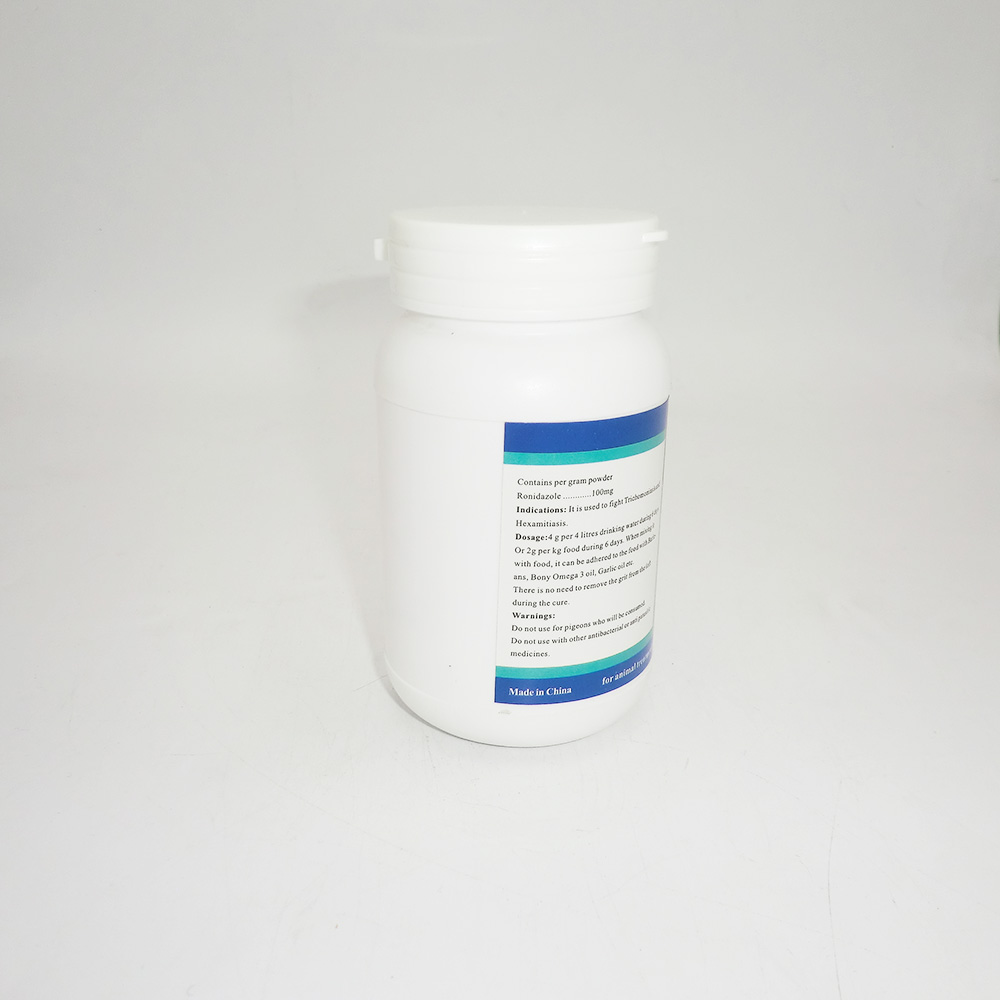
Understanding Veterinary Medicinal Products: A Global Perspective
When you hear "veterinary medicinal product," you might picture a simple vaccination or antibiotic for pets. But in reality, these products are a cornerstone of global animal health, food security, and even public safety. They play a bigger role than many realize — touching everything from preventing zoonotic diseases to enabling sustainable farming worldwide.
Simply put, a veterinary medicinal product (VMP) includes any substance or combination intended to treat, diagnose, or prevent disease in animals. Given the interconnectedness of human and animal health — sometimes called “One Health” — understanding VMPs isn’t just for veterinarians; it matters for policymakers, farmers, and even you.
Why Veterinary Medicinal Products Matter Globally
According to the United Nations Food and Agriculture Organization (FAO), more than 60% of human infectious diseases are zoonotic — originating from animals. Thus, effective veterinary medicines not only keep livestock healthy but also prevent diseases that could jump to humans. The World Bank estimates that livestock contributes to the livelihoods of 1.3 billion people worldwide, reinforcing why quality VMPs are a development priority.
Yet, challenges remain. In low-income regions, lack of access to effective veterinary medicinal products leads to huge productivity losses and animal suffering. Meanwhile, antimicrobial resistance (AMR) threatens the efficacy of commonly used veterinary drugs globally. These concerns highlight the critical need for innovation and regulation in the VMP industry.
Breaking Down Veterinary Medicinal Products
In less technical terms, a veterinary medicinal product is any drug, vaccine, or treatment crafted especially for animals. They range from simple wormers to advanced biologics designed to boost immunity or target specific infections.
These products align tightly with both the agricultural industry and humanitarian goals. Ensuring healthy animals means safer food, stable incomes for farmers, and decreased epidemic risk overall. In fact, veterinary pharmacies and veterinary medicinal product suppliers form an essential link in this care chain.
Key Features of Veterinary Medicinal Products
1. Efficacy and Safety
At the heart of any VMP is its proven ability to protect and heal without undue side effects. Rigorous testing and strict regulations worldwide uphold these standards, ensuring the treatment is both effective and safe for intended species.
2. Target Species and Indications
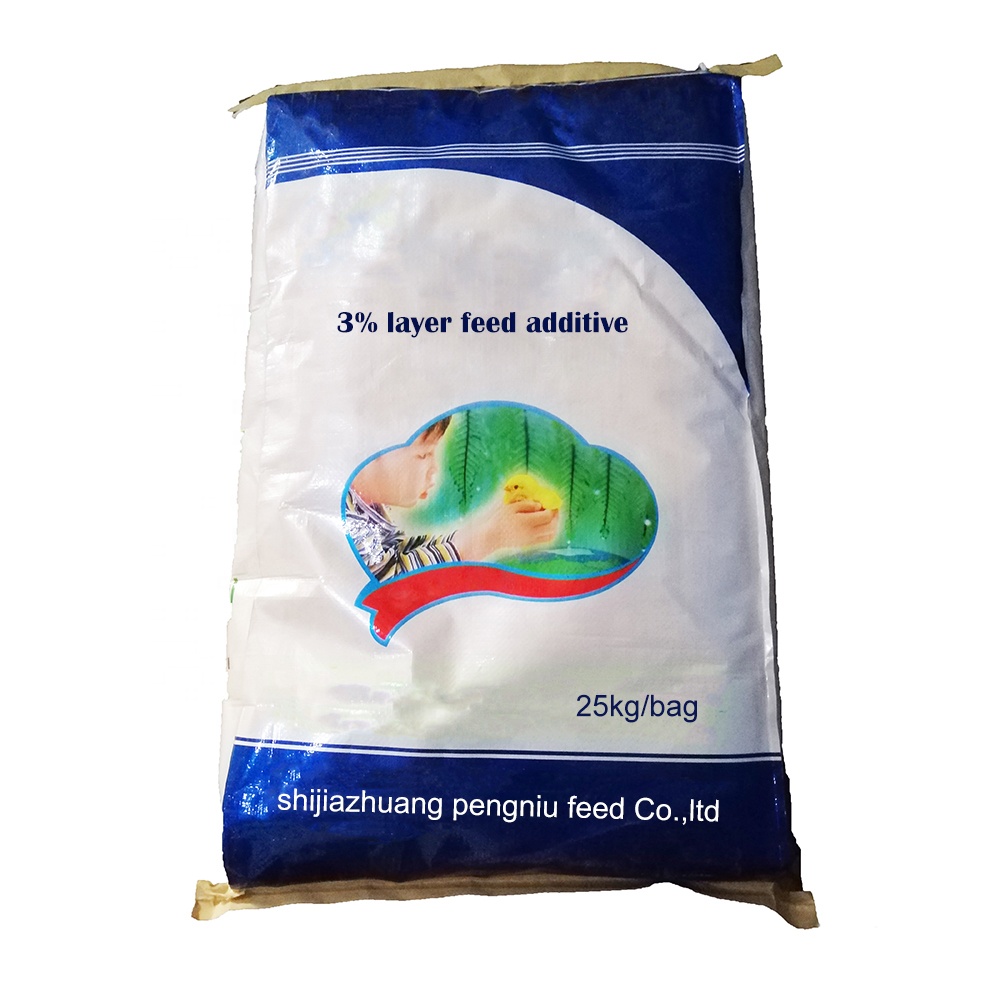
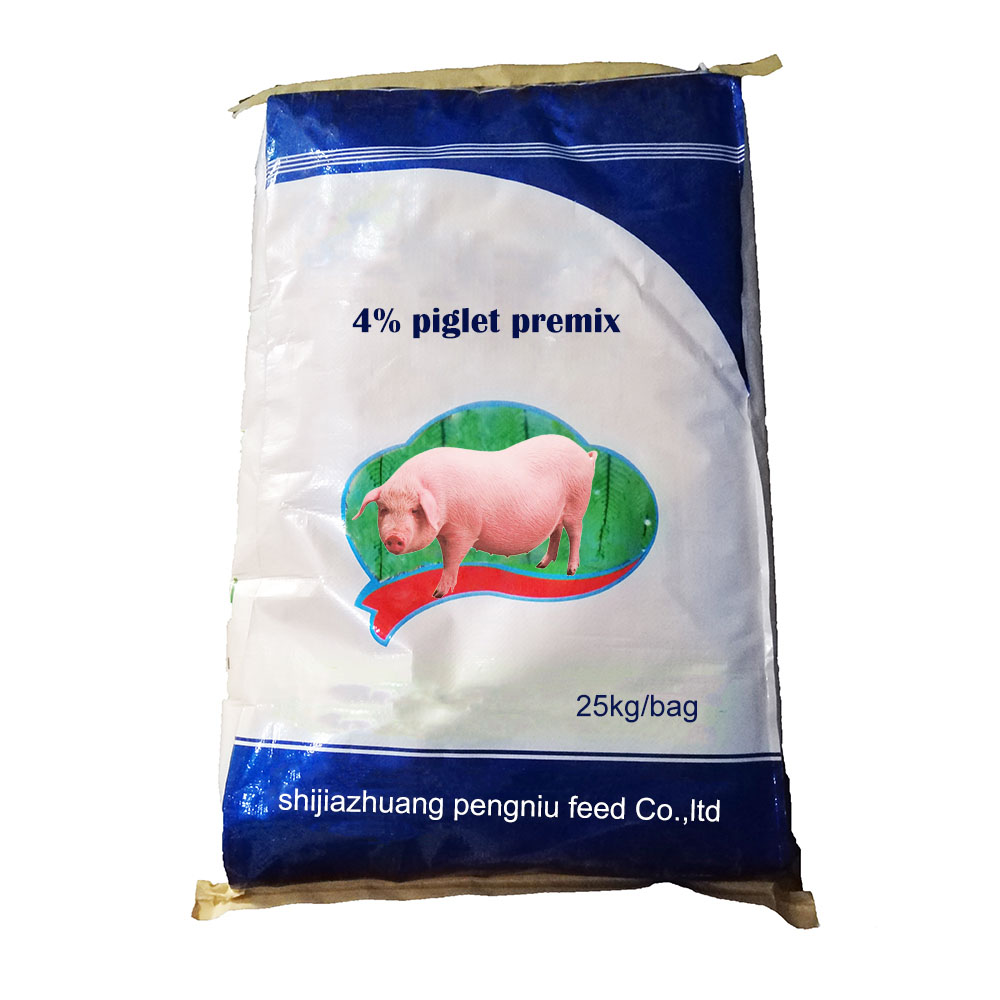
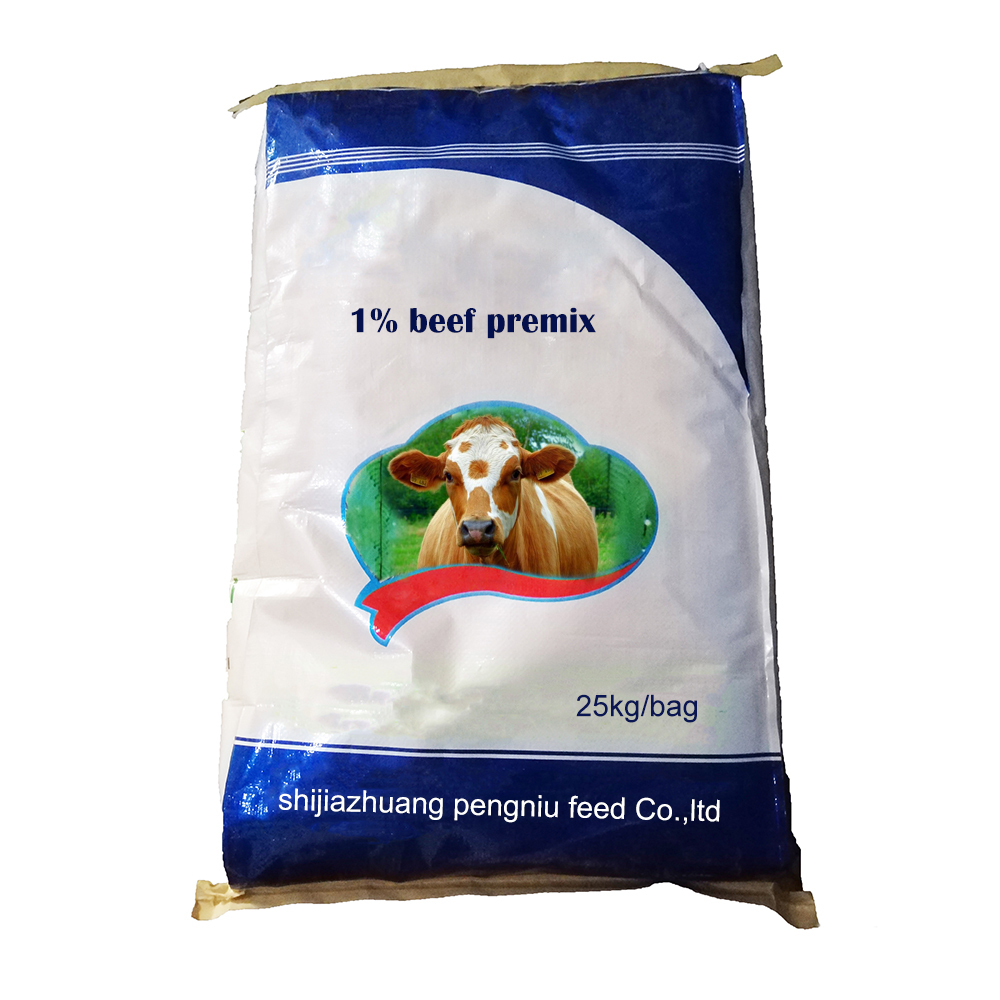
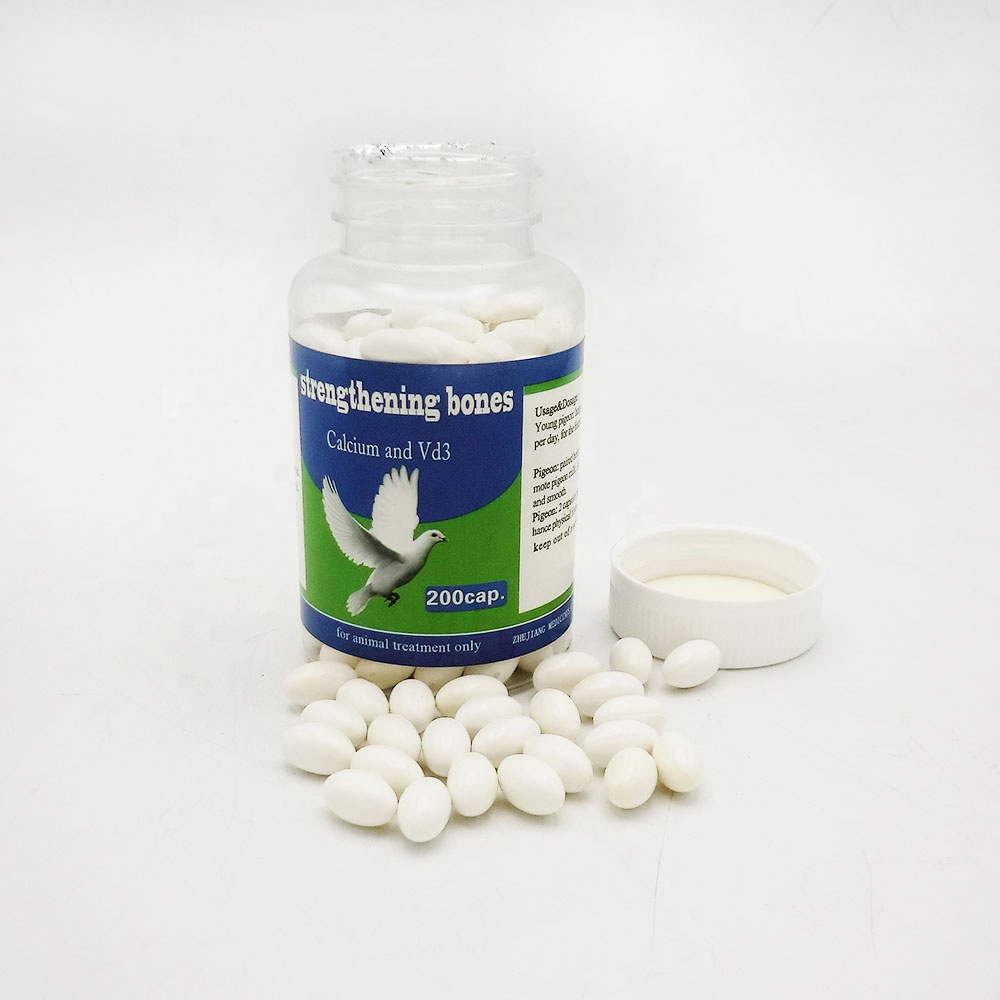
VMPs must specify which animals they’re for — cattle, poultry, companion animals — because dosages and formulations differ. Clear labeling helps vets and farmers use the right treatment for the right condition.
3. Regulatory Compliance
Countries typically require licenses or registrations to sell VMPs. These processes vary but revolve around agencies similar to the FDA in the US or EMA in Europe, ensuring quality and preventing counterfeits.
4. Shelf Life and Storage
Most veterinary drugs demand specific storage to maintain potency, like refrigeration. Manufacturers often provide clear instructions to optimize efficacy during transportation and shelf time.
5. Cost Efficiency and Accessibility
Especially in developing economies, making these products affordable yet effective is crucial. Efforts to reduce costs without compromising quality enhance uptake universally.
Global Uses and Real-World Impact of Veterinary Medicinal Products
Around the world, veterinary medicinal products help address very diverse needs:
- In Sub-Saharan Africa, vaccination campaigns protect herds against deadly diseases like Rift Valley Fever, indirectly protecting human populations as well.
- In Europe, advanced biologics manage livestock health more sustainably, reducing antibiotic use that fuels resistance.
- In post-disaster zones, rapid veterinary interventions prevent disease outbreaks among displaced farm animals, securing food chains.
- In the pet sector globally, a steady rise in preventive care — flea treatments, vaccines — highlights changing owner attitudes toward health and wellbeing.
Even NGOs often rely on portable veterinary kits in remote areas, underscoring how medicinal products are indispensable tools beyond just clinics.
Typical Specifications of a Veterinary Medicinal Product
| Characteristic | Description |
|---|---|
| Type | Vaccine / Antiparasitic / Antibiotic / Anti-inflammatory |
| Target Species | Cattle, Poultry, Swine, Companion Animals |
| Administration | Oral, Injectable, Topical |
| Shelf Life | 12–36 months (varies by product) |
| Storage | Room Temperature or Refrigerated |
| Regulatory Approval | Verified by EMA, FDA, or equivalent |
How Leading Veterinary Product Providers Compare
| Vendor | Product Range | Global Reach | Sustainability Initiatives | Typical Clients |
|---|---|---|---|---|
| VetPharm Global | Extensive vaccines & antibiotics | Europe, Americas, Asia | Eco-packaging, waste reduction | Large farms, veterinary networks |
| FarmSafe Solutions | Focus on antiparasitics & supplements | Africa, South America | Support for low-income producers | Smallholders, NGOs |
| BioVet Innovatives | Advanced biologics & diagnostic kits | Global, strong R&D focus | Carbon neutral facilities | Research institutes, commercial farms |
The Benefits & Long-Term Value of Veterinary Medicinal Products
In real-world terms, effective veterinary medicinal products do more than improve animal welfare. They reduce losses to disease outbreaks, improve herd productivity, and help farmers maintain reliable incomes. This translates into affordable food prices and supply stability — things we often take for granted.
Emotionally speaking, offering animals proper medical protection boosts trust between farmers and vets, and leads to more ethical treatment overall. It’s the difference between a struggling, disease-ridden herd and one flourishing with care. Beyond economics, it affects animal dignity and public health safety.
Innovations Shaping the Future of Veterinary Medicinal Products
Not surprisingly, technology is swiftly transforming veterinary medicines. Breakthroughs in biotechnology bring precision vaccines tailored for specific pathogens, while digital platforms help track treatment regimes and monitor animal health remotely. Plus, automation in supply chains makes these products more accessible worldwide.
As sustainability demands grow, so do green manufacturing practices — including biodegradable packaging and energy-efficient production that reduce the environmental footprint. There’s also increasing emphasis on developing alternatives to antibiotics to fight antimicrobial resistance, a critical area of research.
Challenges and How Experts Are Overcoming Them
The journey is not without hurdles. Many rural farmers struggle to access vital veterinary products due to cost, poor distribution networks, or lack of education. Counterfeit and substandard medicines remain a threat, risking both animal and human health.
Experts emphasize multifaceted solutions: improving local supply chains, training community animal health workers, and leveraging mobile technology for awareness and monitoring. International collaborations and tighter regulations aim to curb counterfeit products.
FAQ: Your Questions About Veterinary Medicinal Products
- Q: How do veterinary medicinal products differ from human medicines?
- A: Veterinary products are specifically formulated for animal physiology and species-specific diseases, with dosing and administration tailored accordingly. They undergo approval processes to guarantee safety and efficacy for their intended animals.
- Q: Can I use human antibiotics on my livestock if veterinary products are unavailable?
- A: It is strongly discouraged, as misuse can lead to ineffective treatment, residues in food products, and contribute to antimicrobial resistance. Always consult a vet for proper medicines approved for animals.
- Q: What can be done to improve access to veterinary medicines in remote areas?
- A: Solutions include local stocking points, mobile veterinary clinics, education programs, and partnerships with NGOs to distribute quality-assured products affordably and safely.
- Q: Are there environmentally-friendly veterinary medicinal products?
- A: Yes, many manufacturers are developing eco-friendly formulations and packaging. Moreover, advances in vaccines and alternatives reduce the need for antibiotics, minimizing environmental impact.
Bringing It All Together
The veterinary medicinal product sector, while highly technical, ultimately serves a simple but vital purpose: healthier animals, safer food, and better lives for millions dependent on livestock around the world. Whether you’re a farmer, vet, policymaker, or just curious, recognizing the breadth and depth of these products’ impact opens new perspectives on global health challenges.
For those interested in sourcing trusted, effective veterinary medicinal products, visit our website to explore quality options tailored to diverse needs.
1. FAO Animal Health Division
2. WHO One Health Approach
3. European Medicines Agency (EMA)
Post time: November 30, 2025